
A Learner's Journey of Self-Discovery Through Meditation Teacher Training
This illustrative learner story explores how structured meditation practice may support self-reflection, mindfulness, and personal development. Individual experiences vary, and meditation should not replace professional mental-health care when clinically needed.
Modern life can bring substantial work, family, and personal pressures. Some people turn to meditation as a way to cultivate attention, reflection, and moments of calm. This learner story describes one possible journey through Meditation Teacher training at the Academy of Medical Sciences, Vietnam; individual experiences vary.
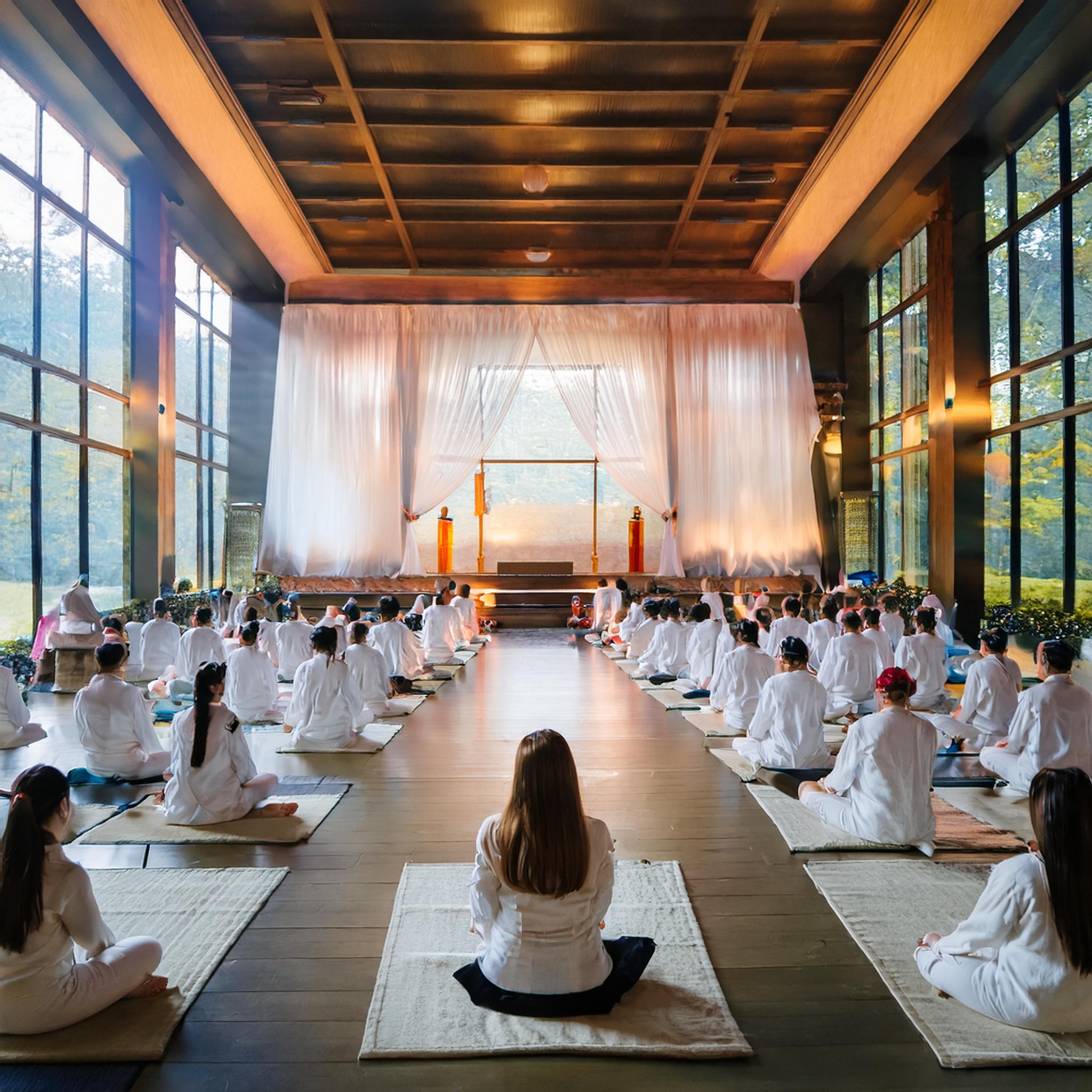
Beginning the Journey: From Difficulty to Choosing Meditation
In this story, Mai entered the Meditation Teacher course while experiencing stress and a sense of disconnection despite having stability in other parts of life. Her experience illustrates a personal motivation for learning meditation, not a clinical treatment pathway.
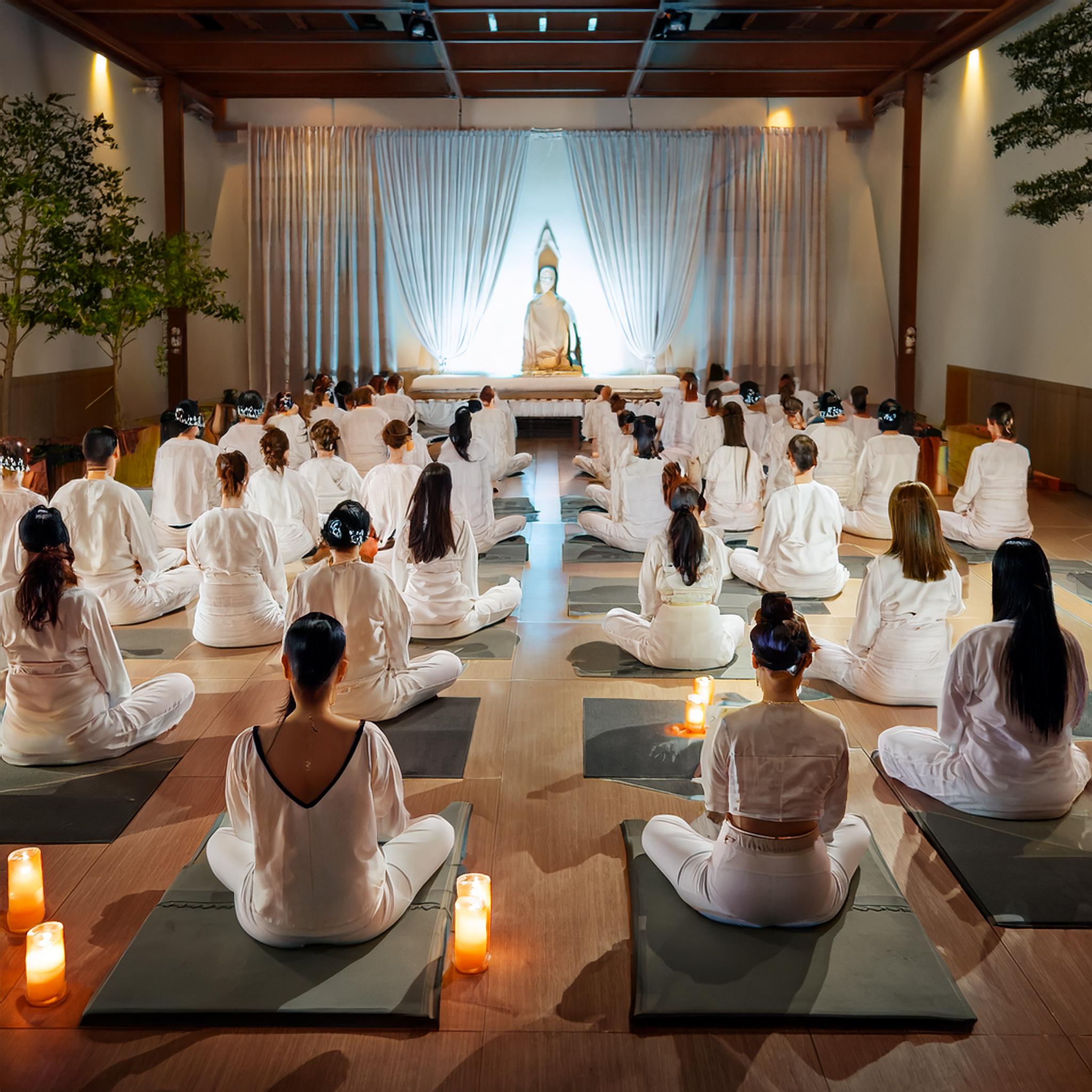
Mai described frequent worry about circumstances outside her control and wanted a more structured contemplative practice. Persistent anxiety or other mental-health symptoms should be assessed by qualified professionals; meditation can be complementary but should not replace appropriate care.
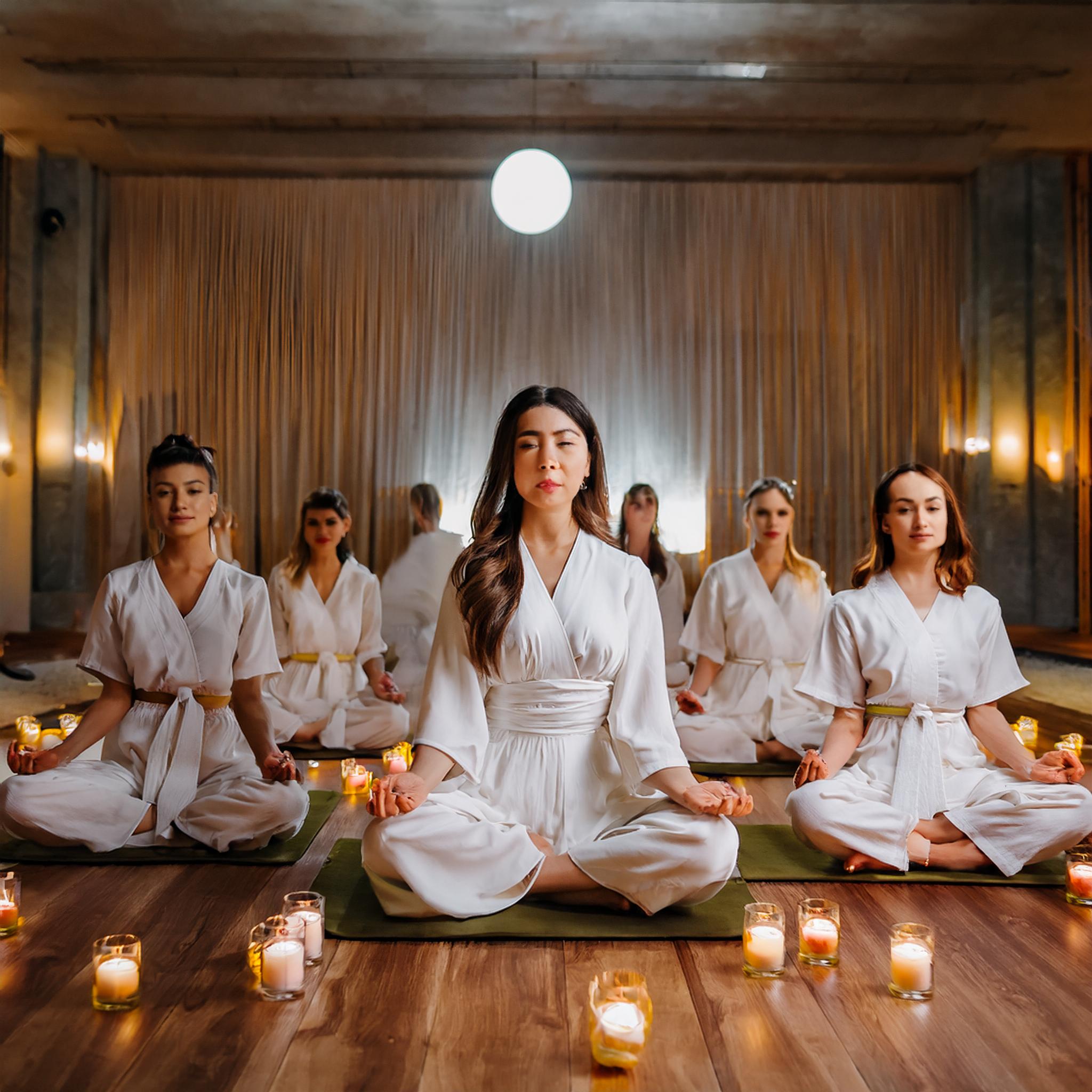
A Different View of Meditation: Learning to Understand Yourself
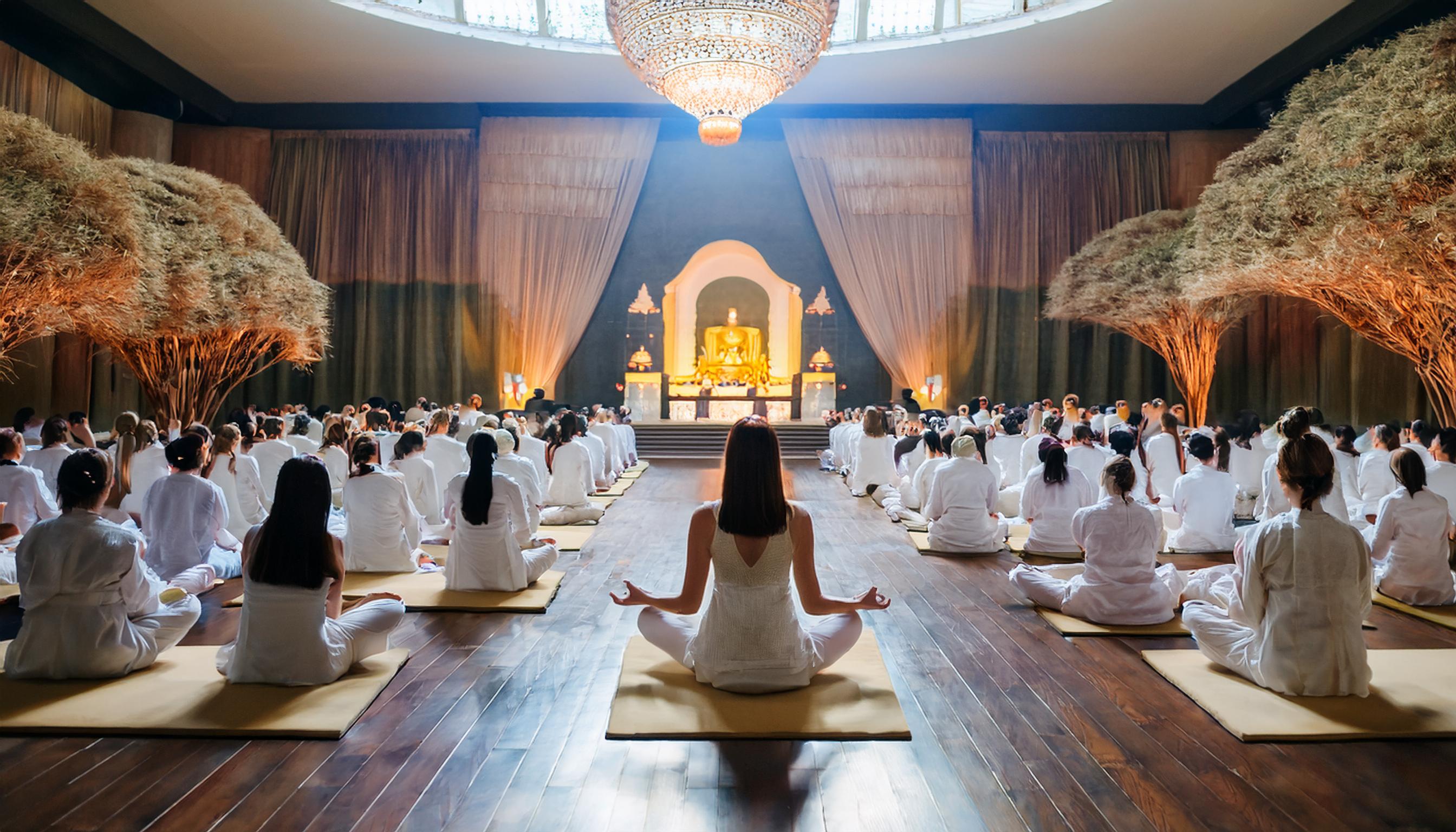
The Meditation Teacher course at the Academy of Medical Sciences, Vietnam includes meditation practice, reflection, and facilitation skills. Learners are encouraged to explore how awareness practices can be integrated into everyday routines.
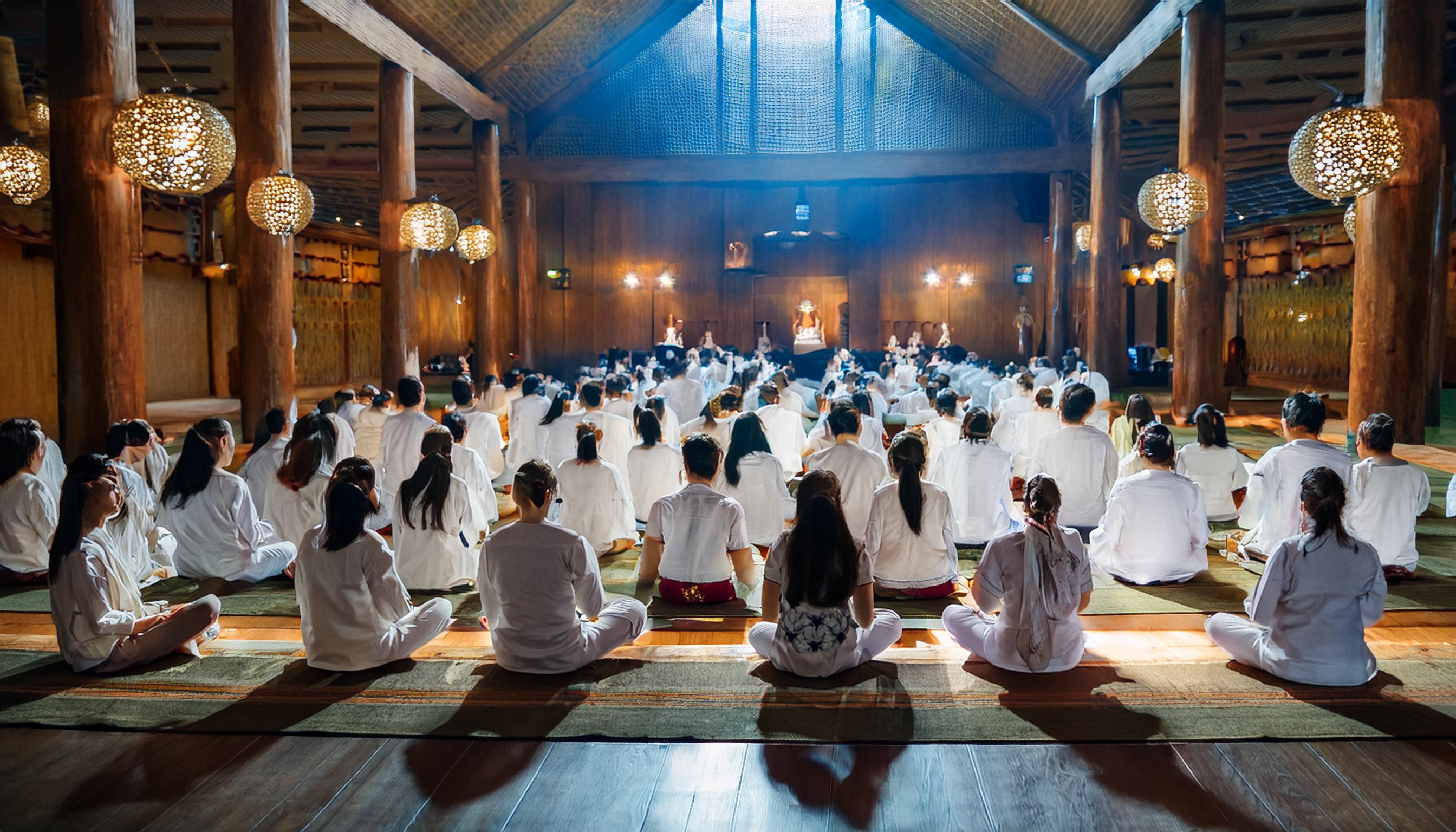
Mai reported that regular practice helped her notice thoughts and emotions with greater awareness and experience more moments of calm. Such outcomes are subjective and differ from person to person.
Bringing Meditation into Daily Life
Mai described learning to notice difficult emotions without reacting immediately. Mindfulness practice can encourage observation and pause, although it is not a replacement for psychotherapy when emotional difficulties are persistent or severe.
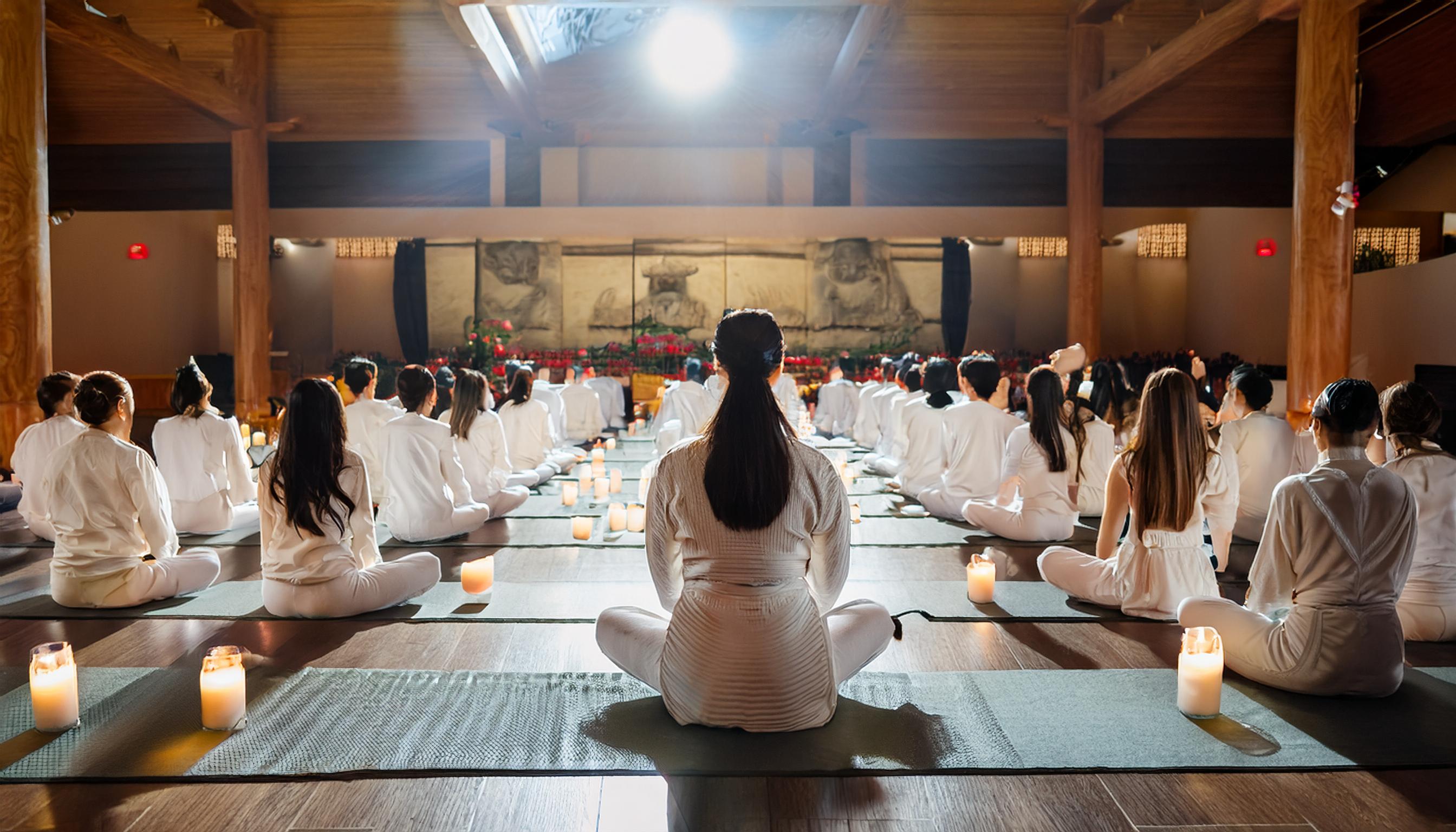
One practice introduced was mindfulness: intentionally paying attention to present-moment experience. Mai applied it to ordinary activities such as eating, walking, work, and family interactions.
Inner Reflection: Reconnecting with Personal Values
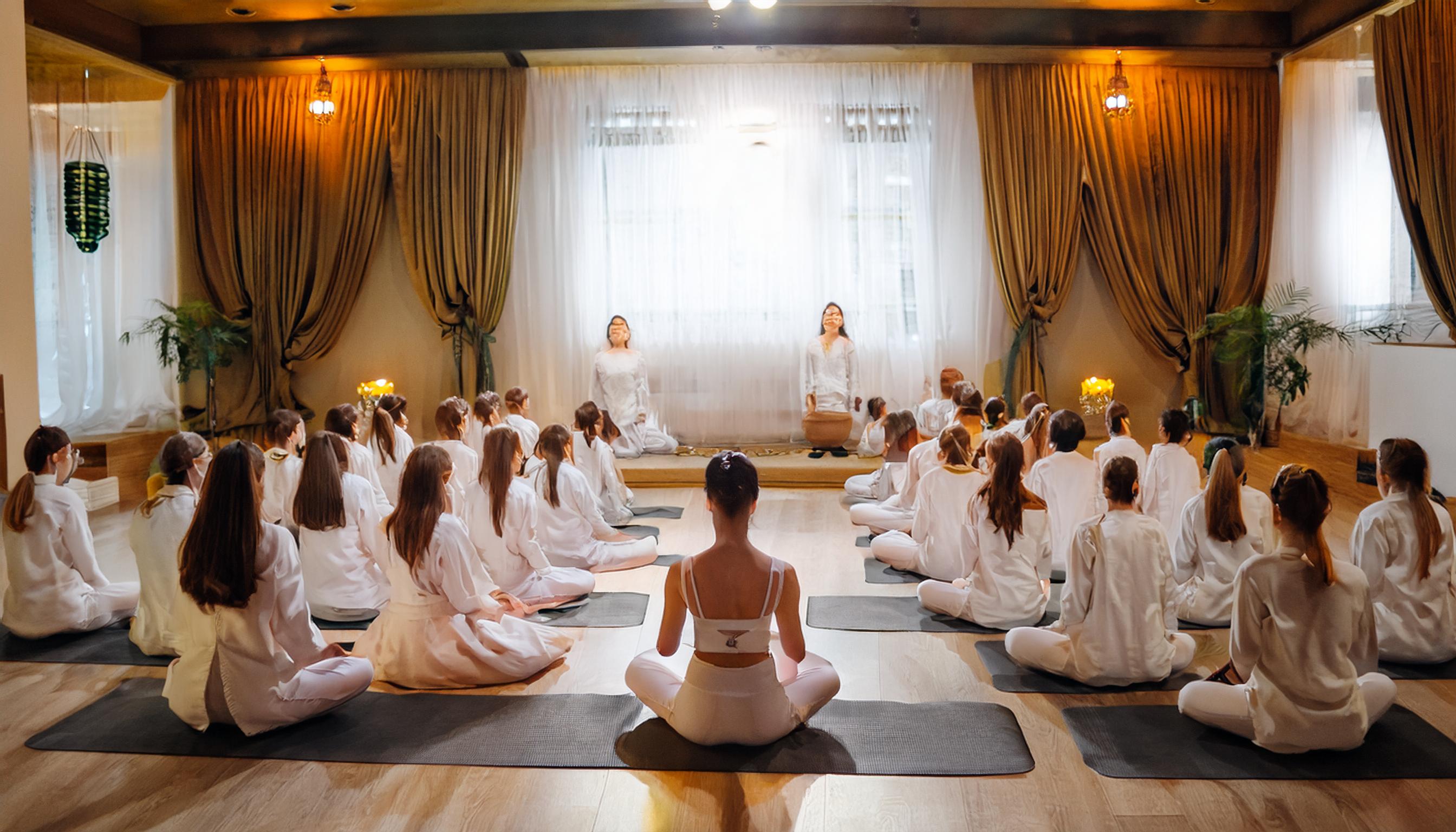
Mai described meditation as creating space to reflect on expectations, priorities, and personal values. This type of reflection can be part of personal development, although experiences differ among practitioners.

For Mai, quiet practice became an opportunity to reconsider work, relationships, and how she wanted to use her time. These reflections were personal rather than evidence of a guaranteed transformative effect.
Meditation and Mental Well-Being: An Ongoing Practice
Meditation is generally better understood as an ongoing practice than as a quick solution. Learners may progress differently, and some people may find certain meditation practices uncomfortable or unsuitable.
Research suggests that mindfulness-based practices may help some people with stress and well-being, but effects vary. Significant anxiety, depression, trauma, or other mental-health concerns require appropriate professional support.
From Learner to Meditation Facilitator
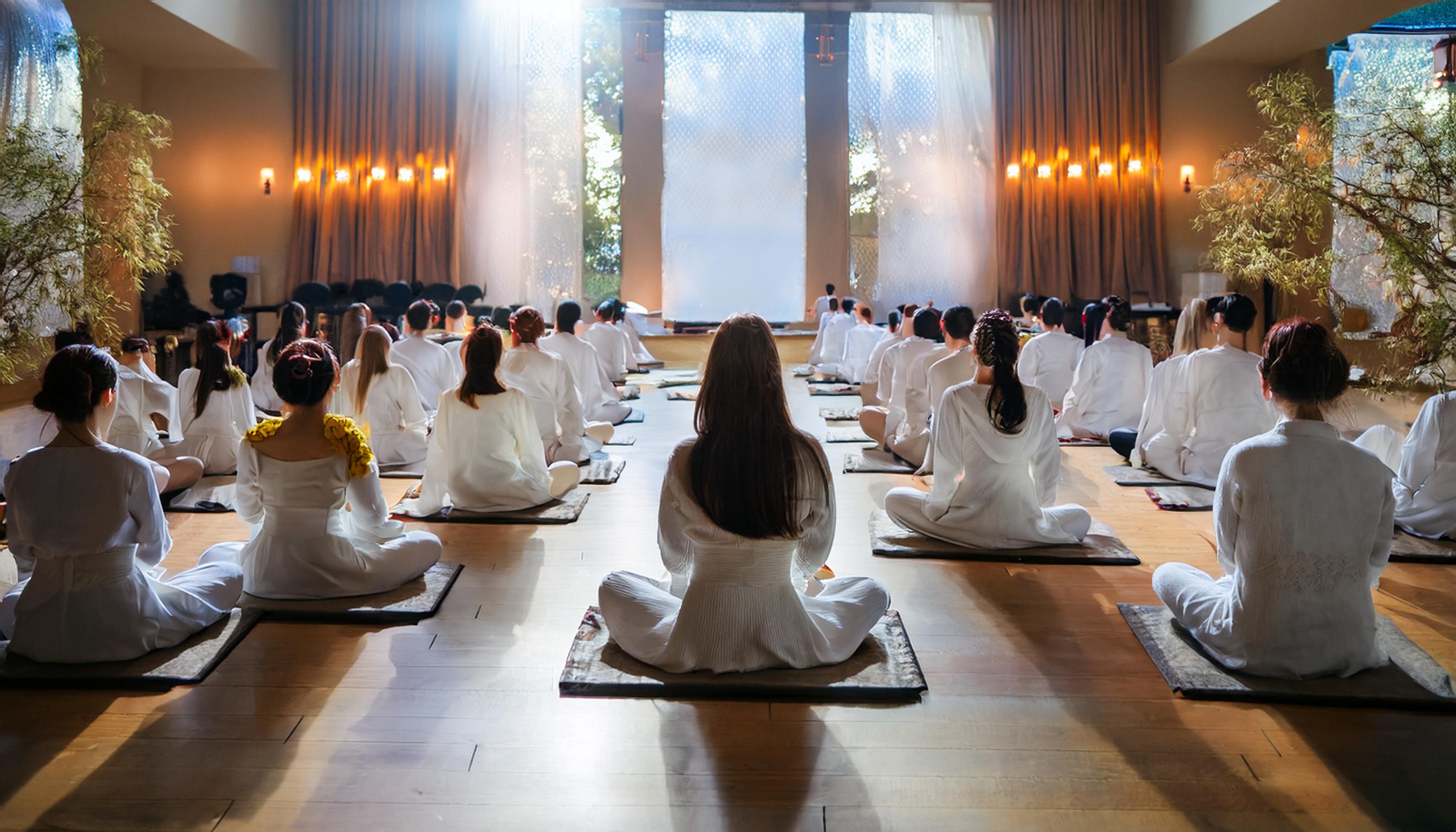
Some learners may choose to develop meditation-facilitation skills after completing training. Course completion provides an educational foundation; responsible teaching also requires continued practice, ethics, boundaries, and competence.
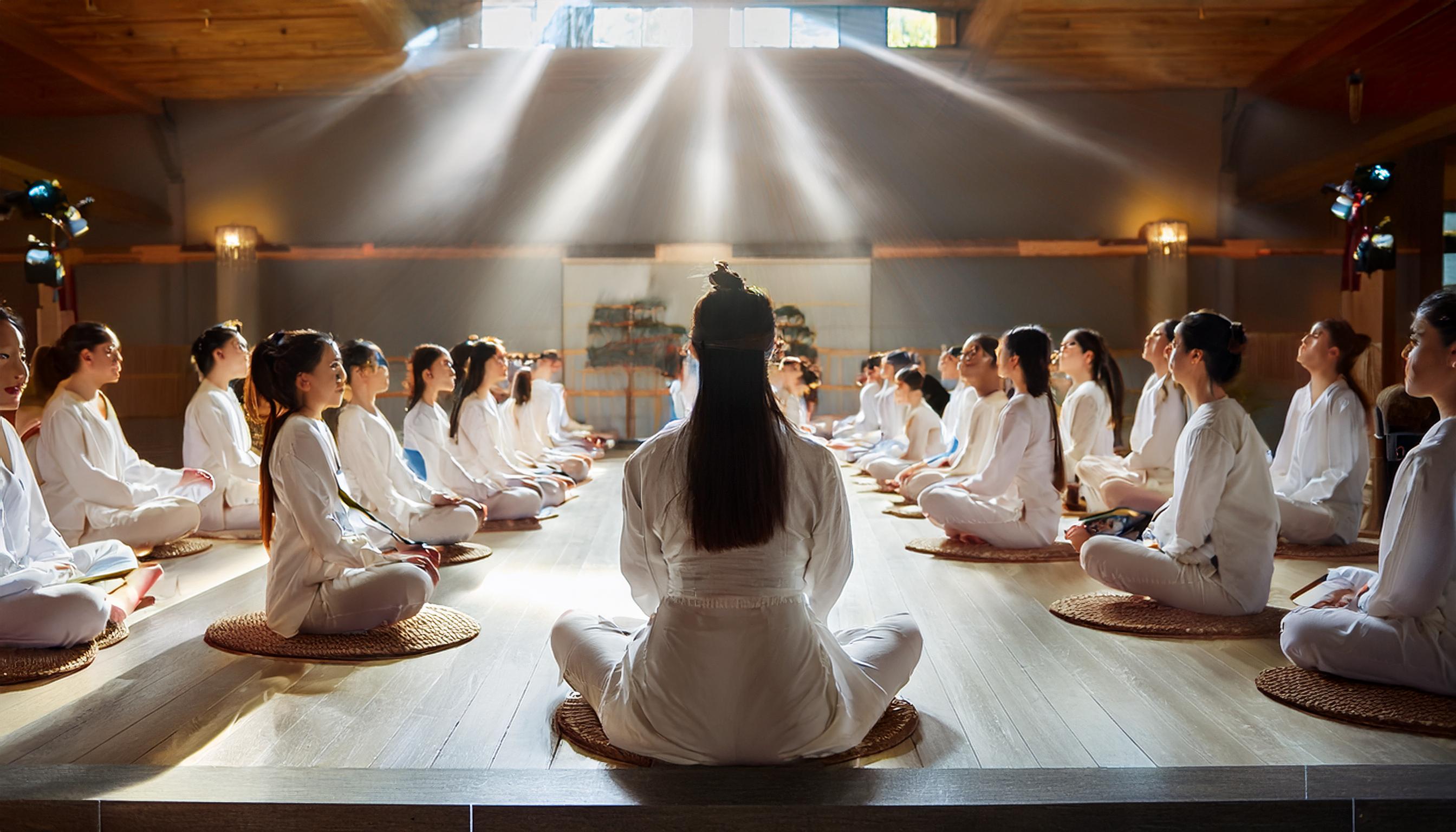
In this illustrative story, Mai began guiding non-clinical meditation sessions after completing the course. Her experience should not be interpreted as a guaranteed career outcome or as authorization to provide psychological treatment.
Conclusion
Mai's story illustrates how structured meditation practice may support reflection, mindfulness, and personal development for some people. The Meditation Teacher course at the Academy of Medical Sciences, Vietnam can provide a framework for learning and facilitation, while individual outcomes vary and mental-health treatment remains the responsibility of qualified professionals.


 Tham gia ngay
