
A Roadmap for Starting a Wellness Spa Business
As demand for wellness and beauty services grows, a wellness spa can represent a business opportunity. Sustainable development requires technical competence, safe service design, regulatory compliance, qualified staff, clear positioning, sound financial planning, and responsible marketing.
As demand for wellness and beauty services grows, a wellness spa can represent an attractive business opportunity. Massage and acupressure skills may support selected non-clinical spa services, while medical treatment and rehabilitation require appropriately qualified professionals. The Massage and Acupressure Techniques course at the Academy of Medical Sciences, Vietnam can provide a practical educational foundation for learners interested in this field.
The Wellness Spa Sector: Potential and Business Opportunities
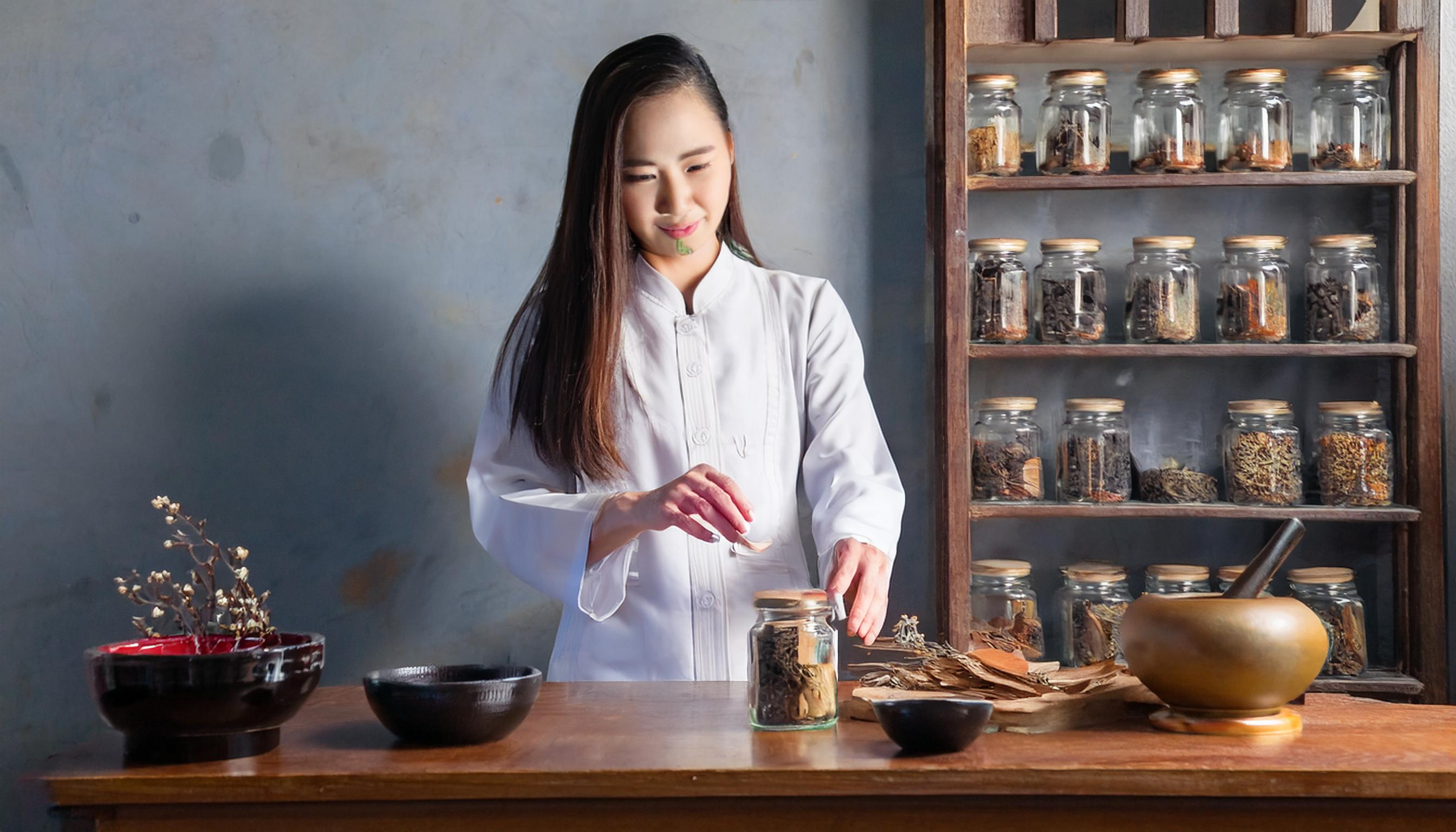
Wellness spas commonly combine relaxation, beauty, massage, steam, and other non-invasive services. Massage and acupressure may support relaxation and muscle comfort, but spas should not advertise treatment of musculoskeletal disease or other medical conditions unless appropriately licensed and staffed.
Demand for wellness and beauty services has grown in major Vietnamese cities, but market potential varies by location, customer segment, competition, pricing, and economic conditions. Entrepreneurs should conduct local market research before investing.
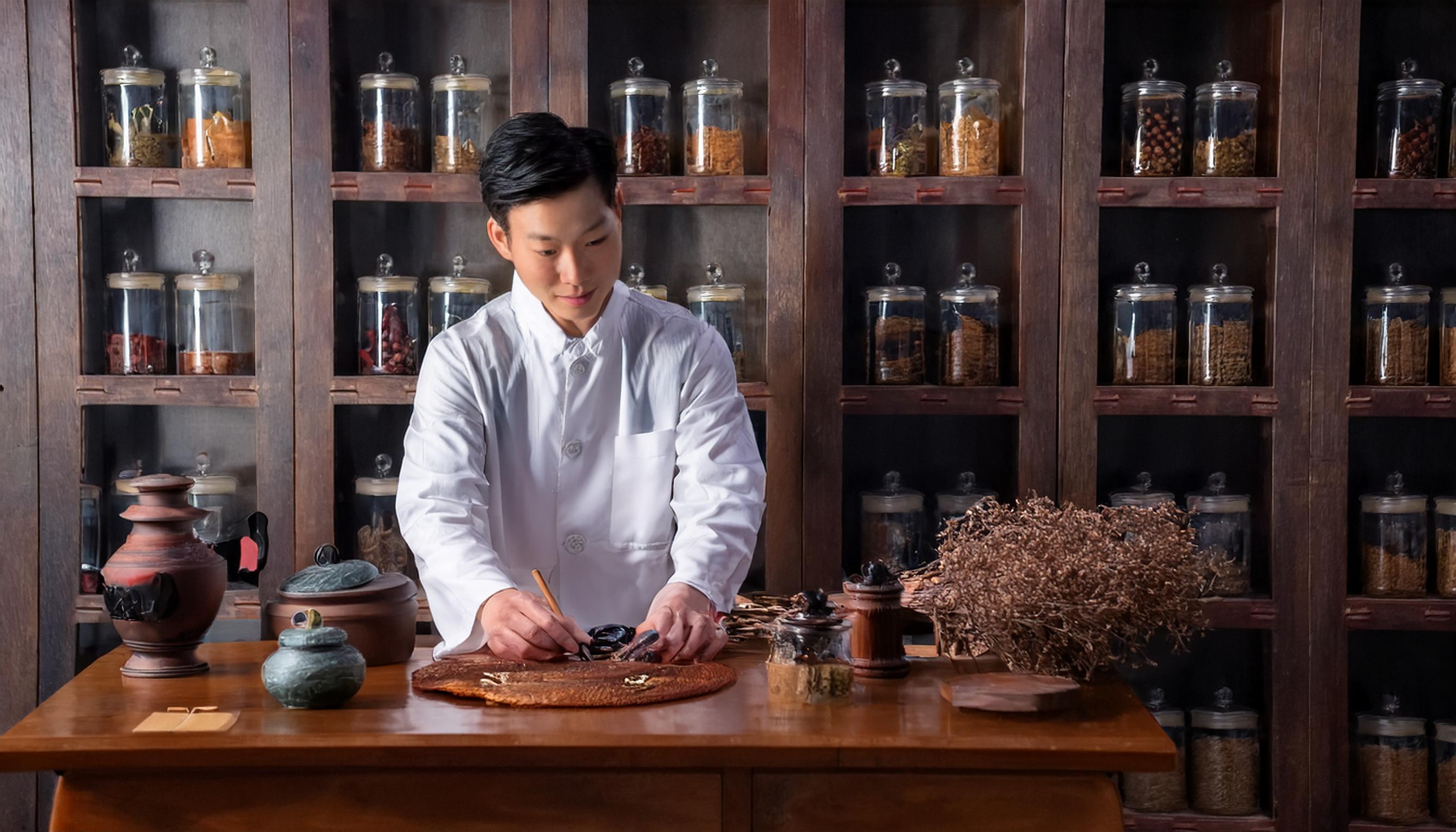
A successful spa requires more than technical skills. Service quality, hygiene, safety, customer experience, legal compliance, staff qualifications, differentiation, and sound business management are all important.
Why Consider Massage and Acupressure Training at the Academy of Medical Sciences, Vietnam?
The Academy of Medical Sciences, Vietnam provides structured Massage and Acupressure Techniques training combining theory, practical skills, safety, contraindications, and professional boundaries. This can support learners interested in appropriate wellness and spa services.
Teaching and Learning Environment
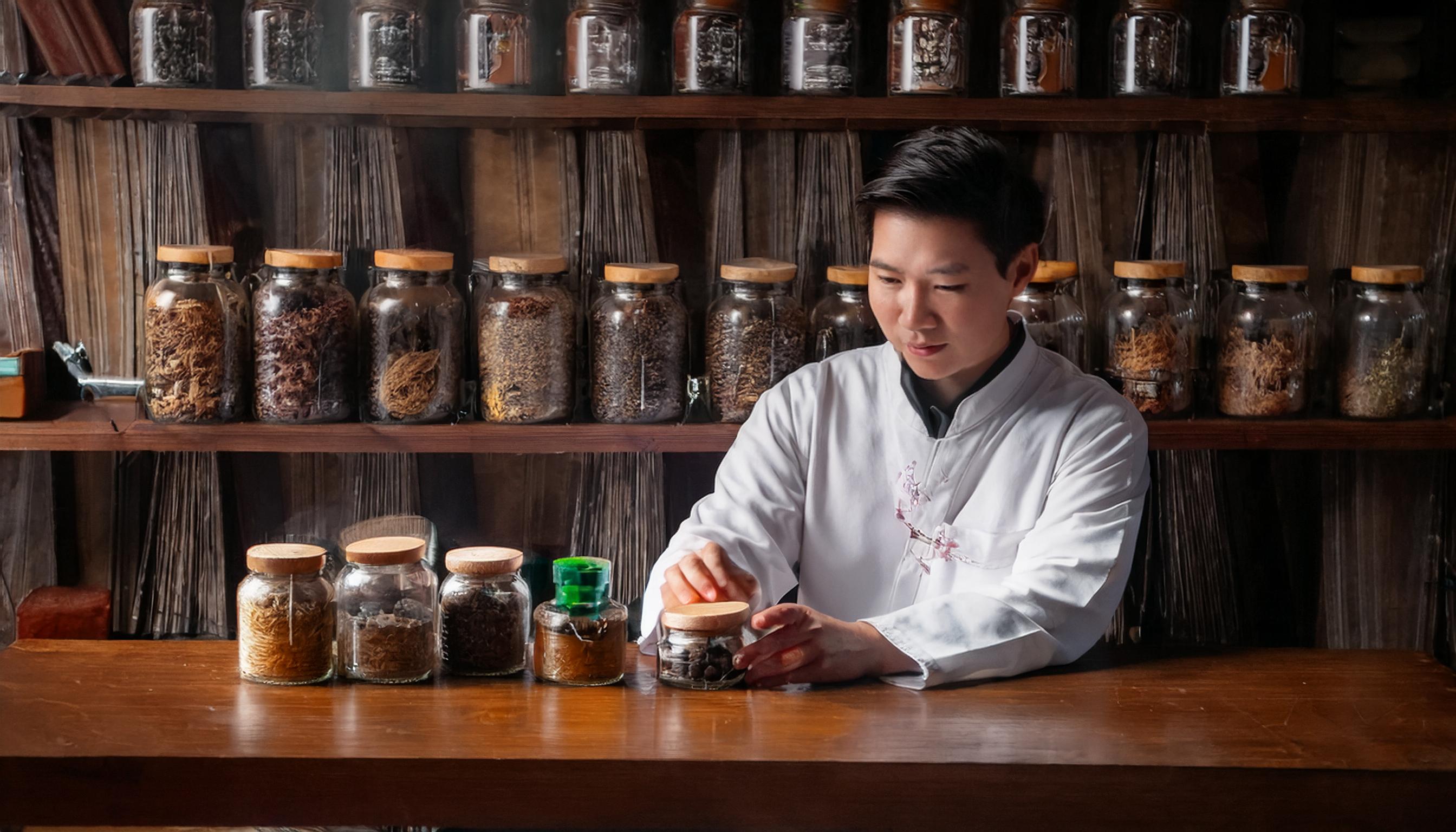
The course is designed for learners seeking practical massage and acupressure skills. Teaching may include instructor demonstrations, supervised practice, relevant learning equipment, and discussion of safe service delivery.
Structured and Practical Curriculum
The course develops skills progressively from foundational concepts to practical techniques. Content may include:
- Introduction to massage and acupressure: Foundational concepts related to the body, selected acupressure points, safety, and traditional context.
- Basic massage and acupressure techniques: Introductory manual techniques suitable for appropriate clients and wellness settings.
- Wellness massage techniques: Relaxation-oriented approaches intended to support comfort and reduce everyday muscle tension.
- Safety and referral: Recognizing contraindications and situations such as persistent pain, injury, insomnia, or other symptoms that require assessment by qualified healthcare professionals.
The course helps learners understand both practical techniques and their appropriate use in wellness settings.
Business Development and Entrepreneurship Support
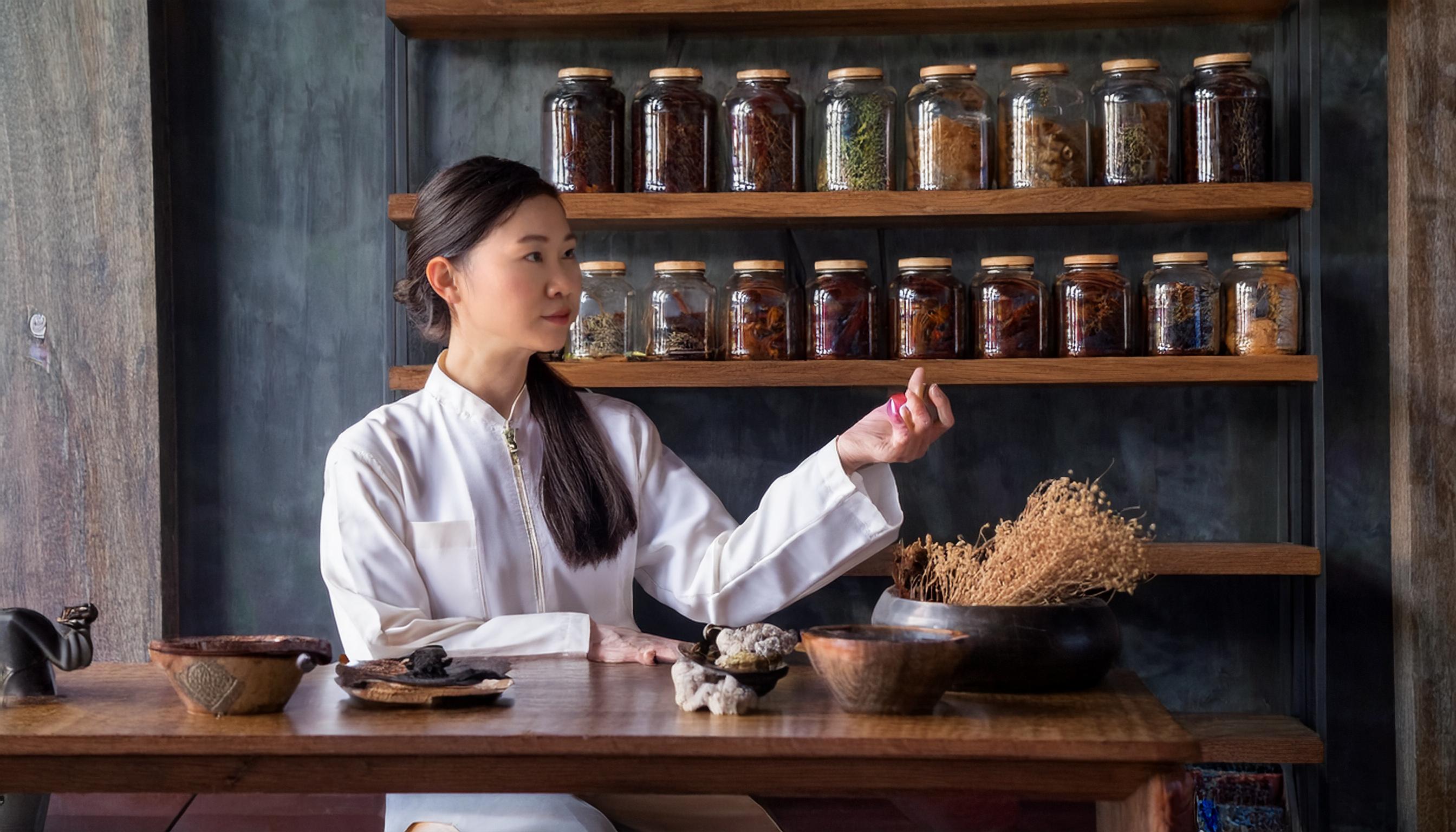
In addition to practical techniques, training may introduce spa-business topics such as service models, customer management, branding, marketing, and basic operations. Entrepreneurs should also seek professional legal, accounting, regulatory, and safety advice where needed.
Roadmap for Starting a Wellness Spa Business
Opening a wellness spa requires both technical competence and a clear business strategy. The following roadmap outlines key steps:
Step 1: Define the Business Model and Target Market
Decide what type of spa you intend to build—for example, premium wellness, family-oriented relaxation, beauty and wellness, or massage-focused services. Avoid positioning an ordinary spa as a medical-treatment facility unless it meets the relevant healthcare licensing requirements.
Define the customer segment you intend to serve, such as working adults, older adults, younger consumers, or clients seeking general relaxation and wellness services.
Step 2: Develop Massage and Acupressure Skills
The Massage and Acupressure Techniques course at the Academy of Medical Sciences, Vietnam can provide foundational practical training for spa entrepreneurs and staff. Competence should be matched to the services actually offered.
Step 3: Build a Business Plan and Budget
A detailed business plan should address objectives, target market, location, initial investment, operating costs, pricing, customer acquisition, services, staffing, compliance, cash flow, and realistic financial scenarios rather than assuming guaranteed profit.
Step 4: Purchase Equipment and Recruit Staff
Select equipment appropriate to the services offered and maintain hygiene, safety, and maintenance standards. Recruit staff with suitable training and any qualifications required by law or by the nature of the service.
Step 5: Market and Promote the Spa
Marketing may use social media, search advertising, local partnerships, events, referrals, and traditional channels. Health-related advertising should be accurate and should not make unsupported treatment claims.
Why Is Massage and Acupressure Training Relevant to Spa Entrepreneurship?
Massage and Acupressure Techniques training at the Academy of Medical Sciences, Vietnam can help learners develop practical competence and understand safety, contraindications, and service boundaries. These skills can support a professional wellness spa, but business success also depends on management, compliance, customer experience, location, pricing, and market demand.
Conclusion
The Massage and Acupressure Techniques course at the Academy of Medical Sciences, Vietnam can be a useful starting point for people interested in wellness spa entrepreneurship. Combined with sound business planning, qualified staff, regulatory compliance, safe practice, and responsible marketing, structured technical training can support the development of a sustainable spa service.

 Tham gia ngay
