
Common Applications of Massage and Acupressure Techniques
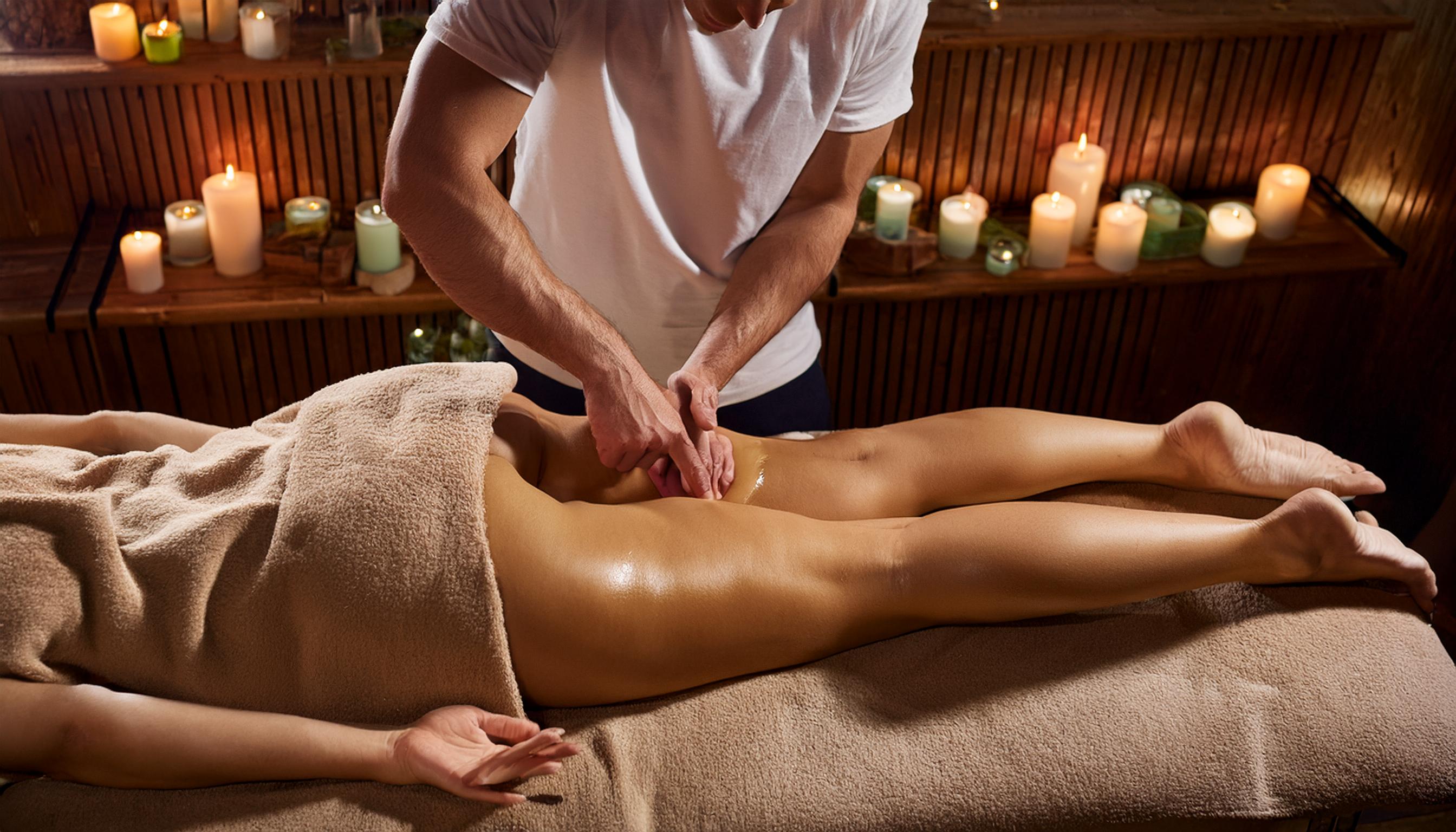
Massage and acupressure are traditional manual techniques used in wellness and traditional-health settings. They may support relaxation, temporary muscle comfort, and subjective well-being, but claims about treating chronic disease, improving immunity, or managing pregnancy and pediatric conditions require caution and appropriate clinical expertise.
Massage and acupressure are longstanding manual techniques used in traditional-health and wellness settings. They may support relaxation, temporary muscle comfort, and general well-being for some people. Strong claims about treating disease, improving immunity, or managing pregnancy and pediatric conditions require appropriate evidence and qualified clinical oversight. Structured training at the Academy of Medical Sciences, Vietnam can help learners develop practical skills, safety awareness, and professional boundaries.
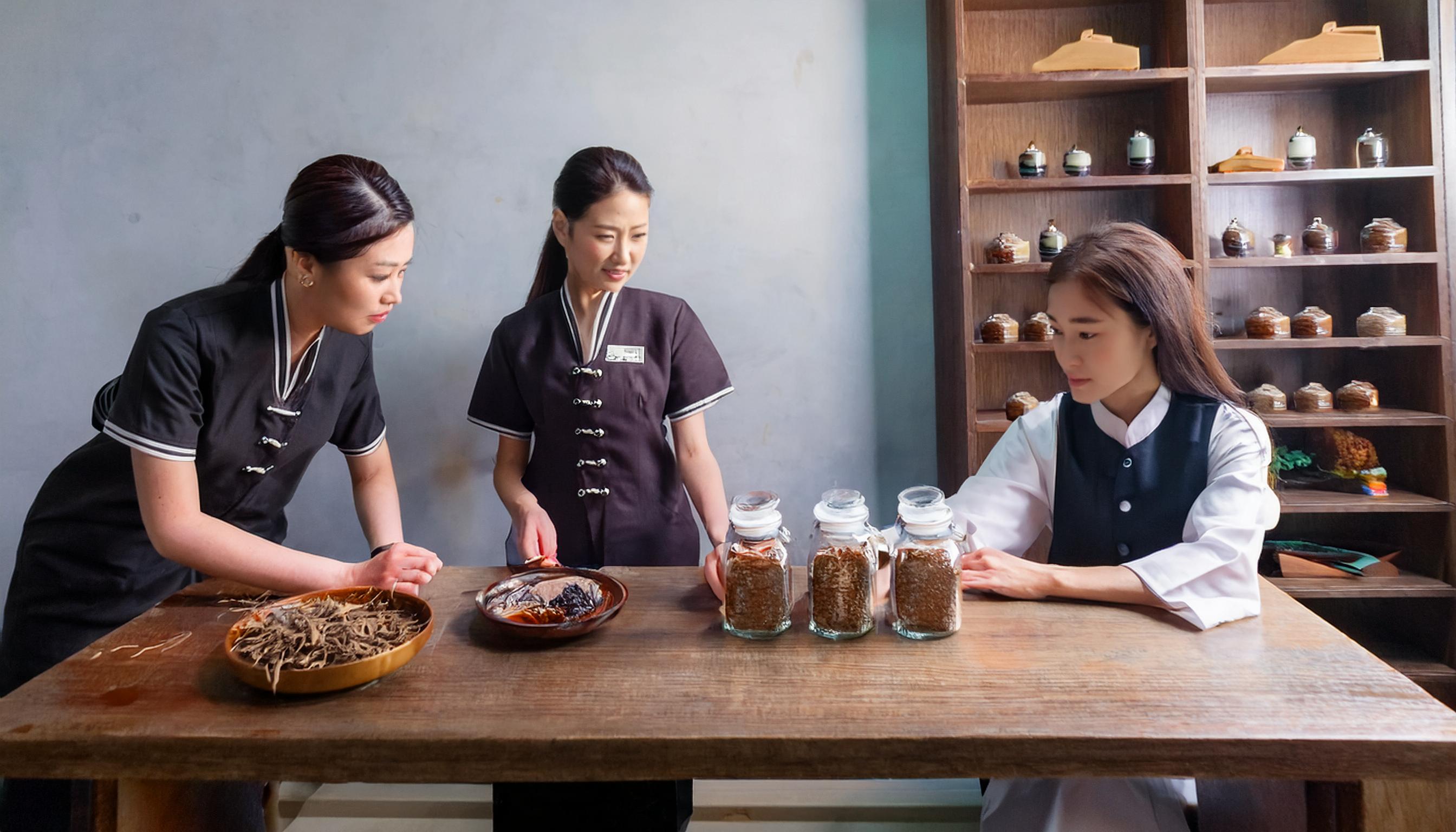
Common Applications of Massage and Acupressure
Supporting Temporary Pain and Muscle Comfort
Massage may help some people with temporary muscle tension and certain types of musculoskeletal discomfort. Effects vary, and persistent, severe, traumatic, neurological, or unexplained pain requires medical assessment.
- Back and neck discomfort: Massage may help reduce temporary muscle tension associated with posture or activity. Persistent or radiating pain requires clinical evaluation.
- Headache: Relaxation massage may help some tension-type headaches, but recurrent, severe, sudden, or migraine-like headaches should be medically assessed.
- Joint discomfort: Gentle manual techniques may support comfort and movement for some people, but inflammatory arthritis, acute injury, or significant joint disease requires appropriate clinical care.
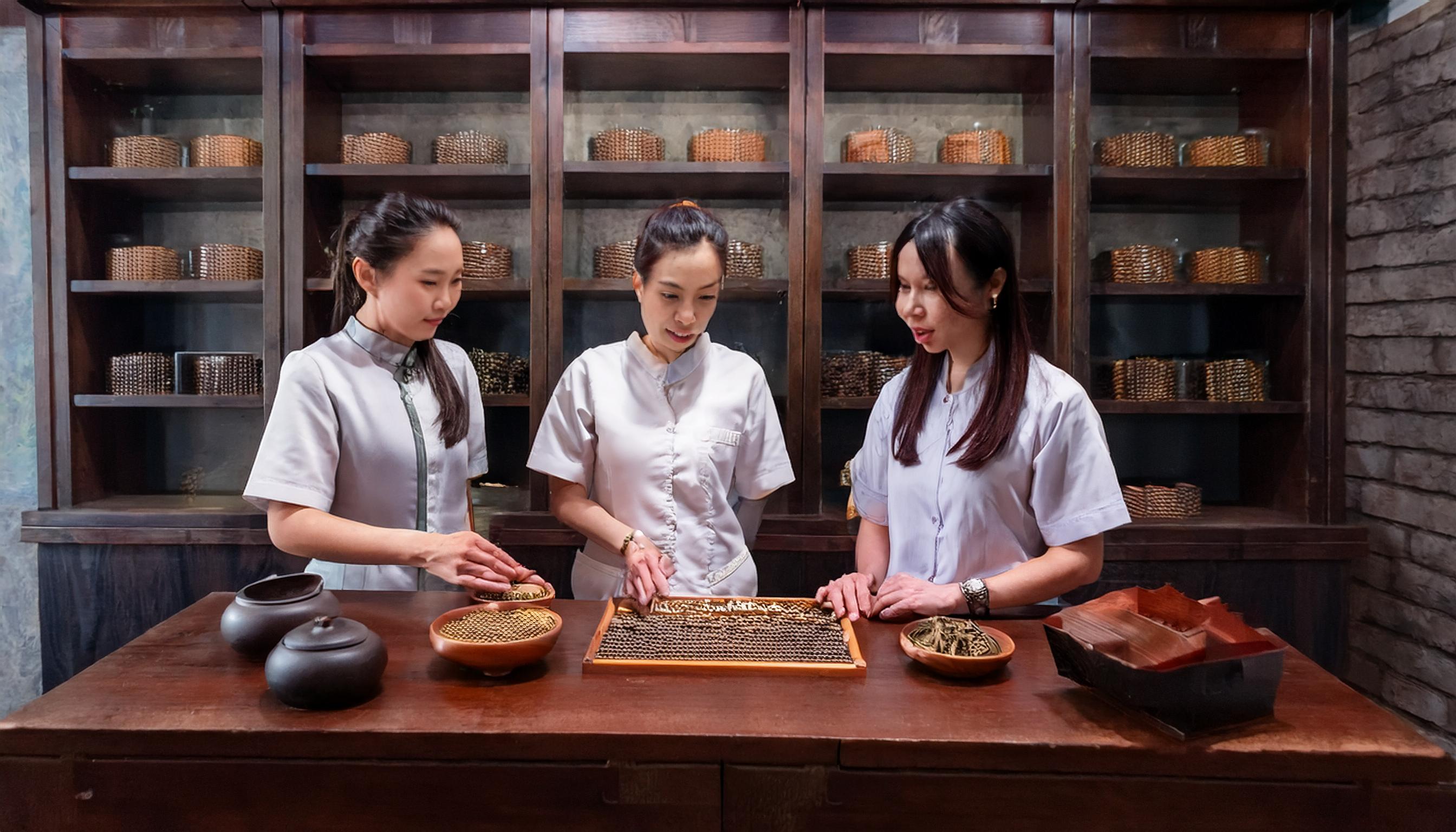
Relaxation and Mental Well-Being
Massage and acupressure may promote relaxation and may help some people feel less tense. Evidence for effects on sleep, concentration, or mood varies, and significant sleep or mental-health problems should be evaluated by qualified professionals.
Complementary Support for Chronic Conditions
People with hypertension, diabetes, digestive disease, respiratory conditions, or other chronic illnesses should not rely on massage or acupressure as treatment. These techniques may sometimes be used as complementary comfort measures when appropriate and when coordinated with clinical care.
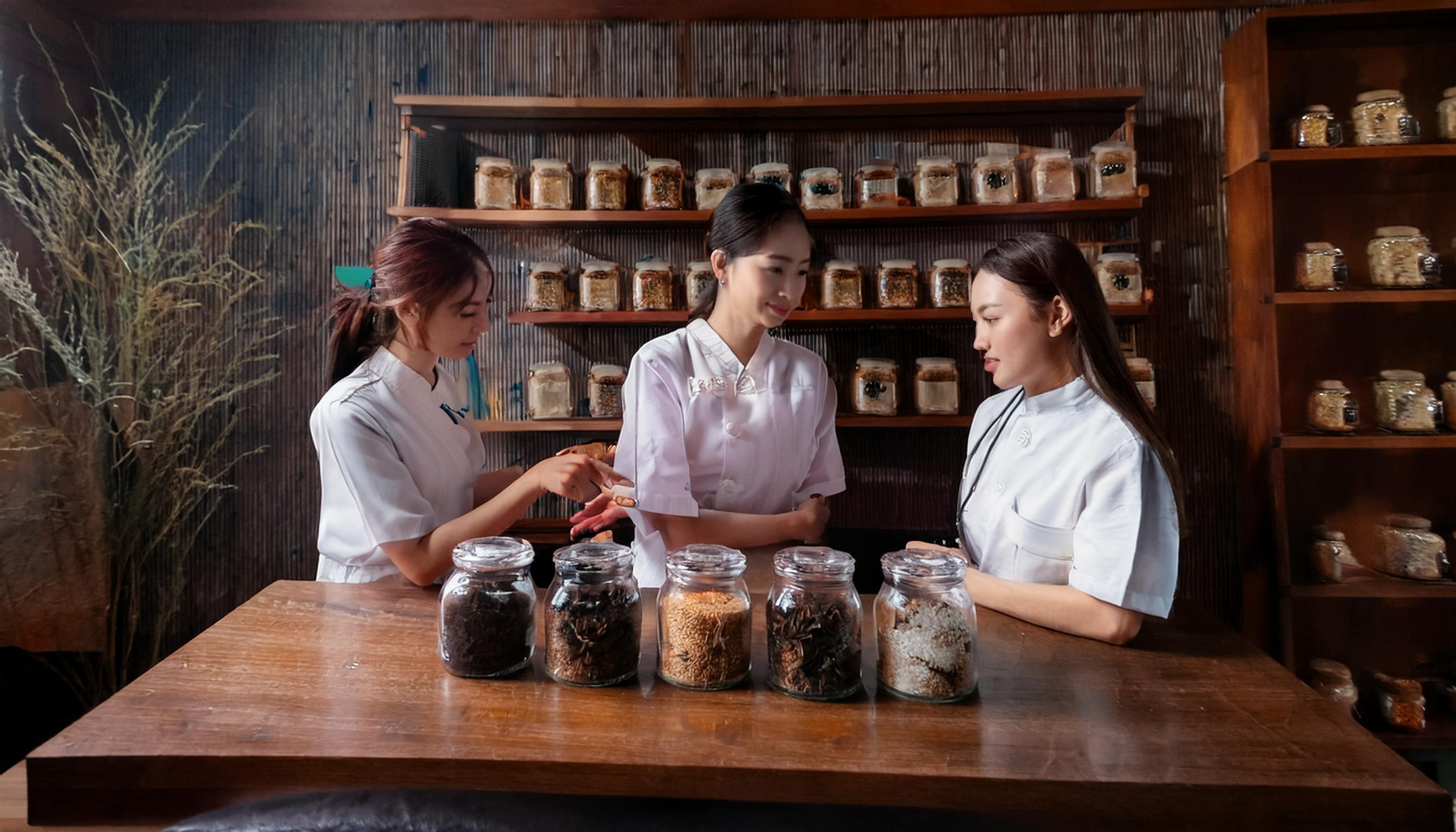
Claims About Immune Function
There is not sufficient basis to promise that stimulating particular acupressure points will strengthen immunity or prevent disease. Massage and acupressure should be presented primarily as wellness or complementary practices unless specific therapeutic claims are supported by strong evidence.
Women's and Children's Health
Pregnancy, postpartum care, and pediatric massage require special precautions. Certain techniques or pressure points may be inappropriate, and children, pregnant people, or postpartum clients should be treated only by practitioners with suitable training and with medical guidance when indicated.
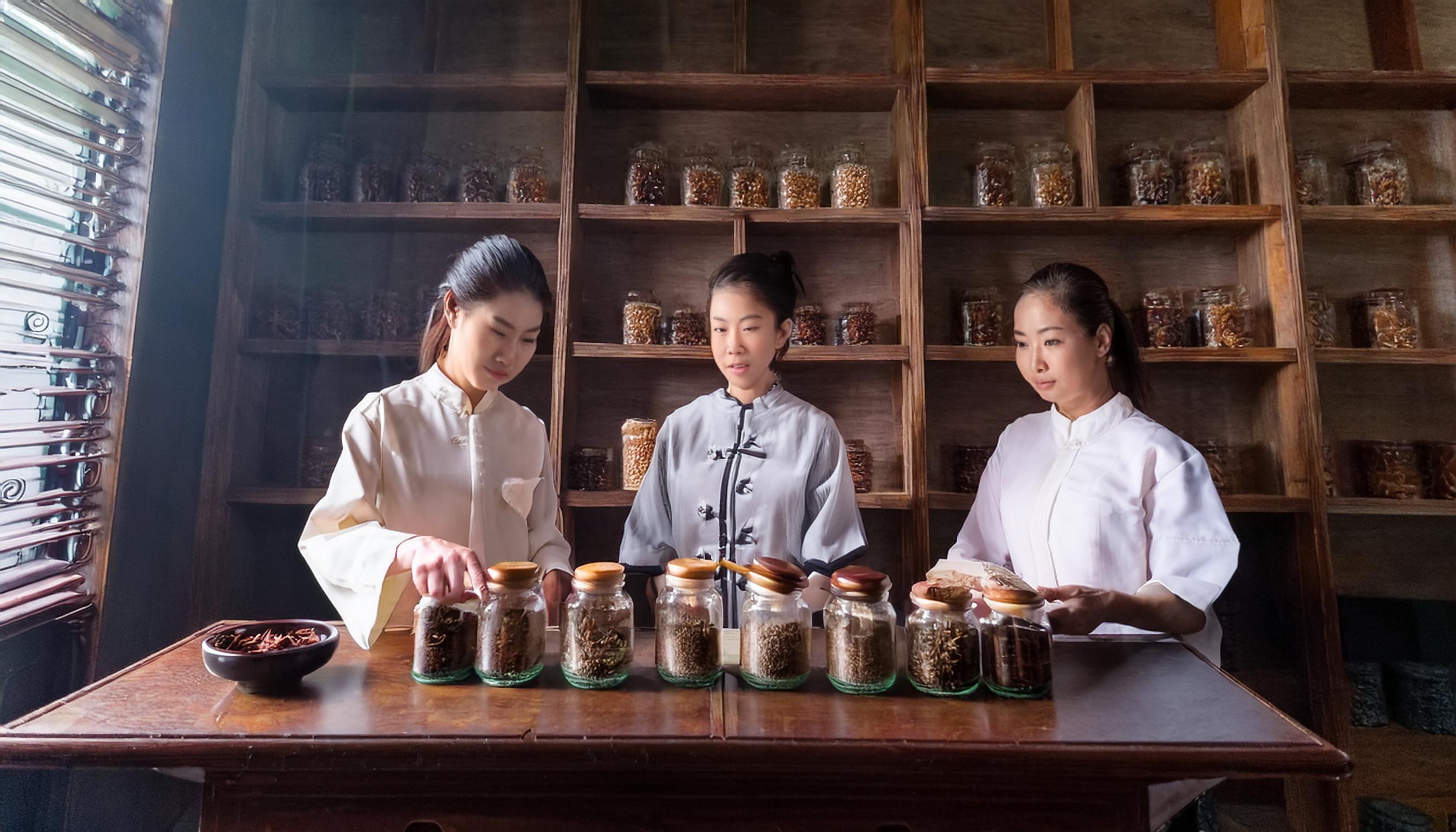
Becoming a Professional Massage and Acupressure Technician
Demand and Career Opportunities
Demand for massage and wellness services can create employment opportunities in spas, wellness centers, traditional-health settings, and other appropriate environments. Work in healthcare or rehabilitation facilities may require additional regulated qualifications.
The Technician's Role in Health and Wellness
A responsible technician understands anatomy, basic physiology, traditional concepts, safe technique, contraindications, hygiene, client communication, and referral. Technicians should not independently diagnose disease or prescribe clinical treatment unless separately qualified and authorized.
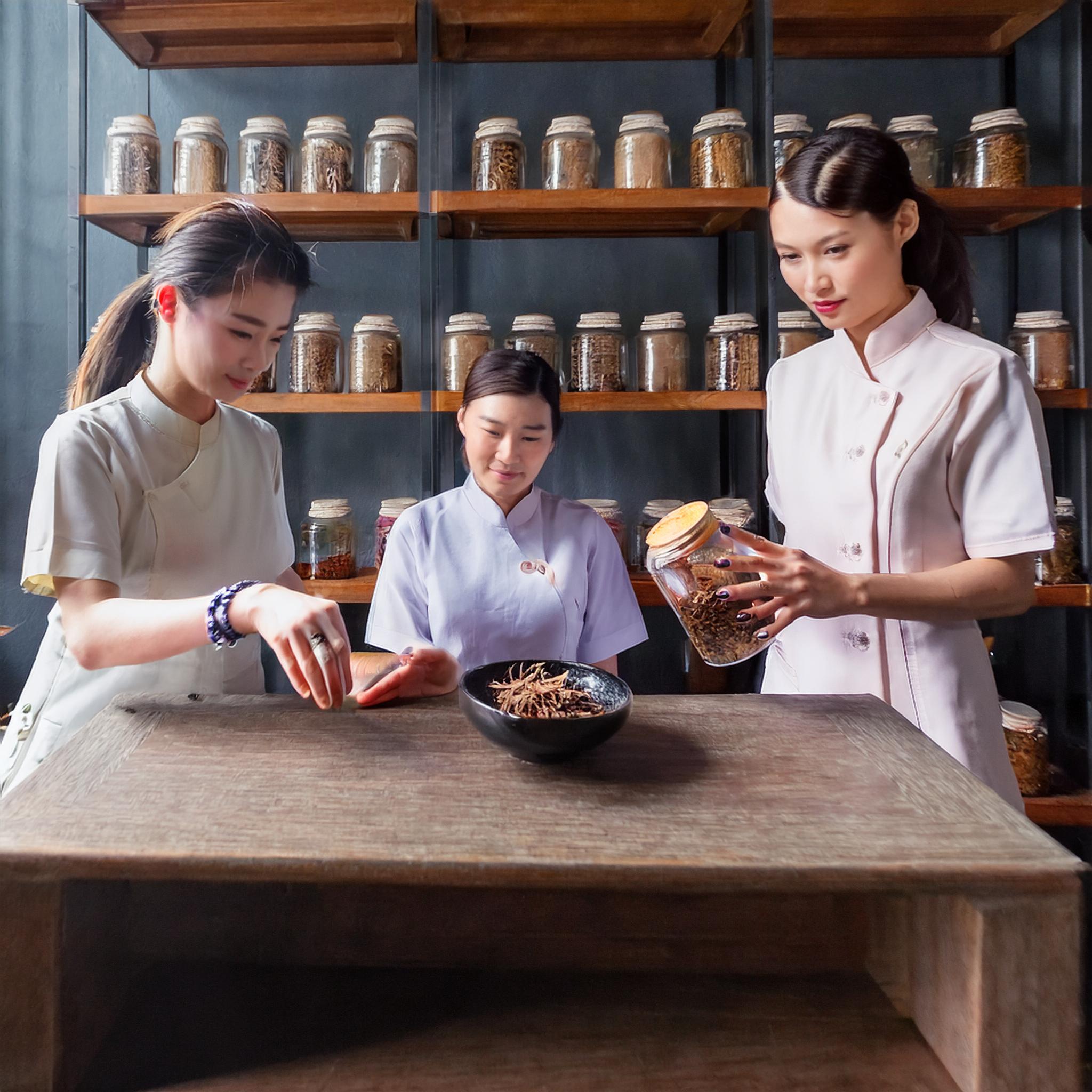
Massage and Acupressure Techniques Course at the Academy of Medical Sciences, Vietnam
The Academy of Medical Sciences, Vietnam provides structured Massage and Acupressure Techniques training designed to develop foundational knowledge, practical skills, safety awareness, and professional boundaries.
Training Program
Core topics may include:
- Foundations of traditional medicine: Introductory concepts such as yin-yang, the five phases, meridians, and acupoints, presented in their traditional context.
- Acupoint system: Learning to locate selected commonly used acupressure points safely.
- Massage techniques: Foundational manual techniques such as rubbing, pressing, kneading, tapping, and stroking.
- Acupressure practice: Applying controlled pressure safely, with attention to contraindications and professional scope.
- Supervised practice: Learners practice techniques under instructor guidance in appropriate educational settings.
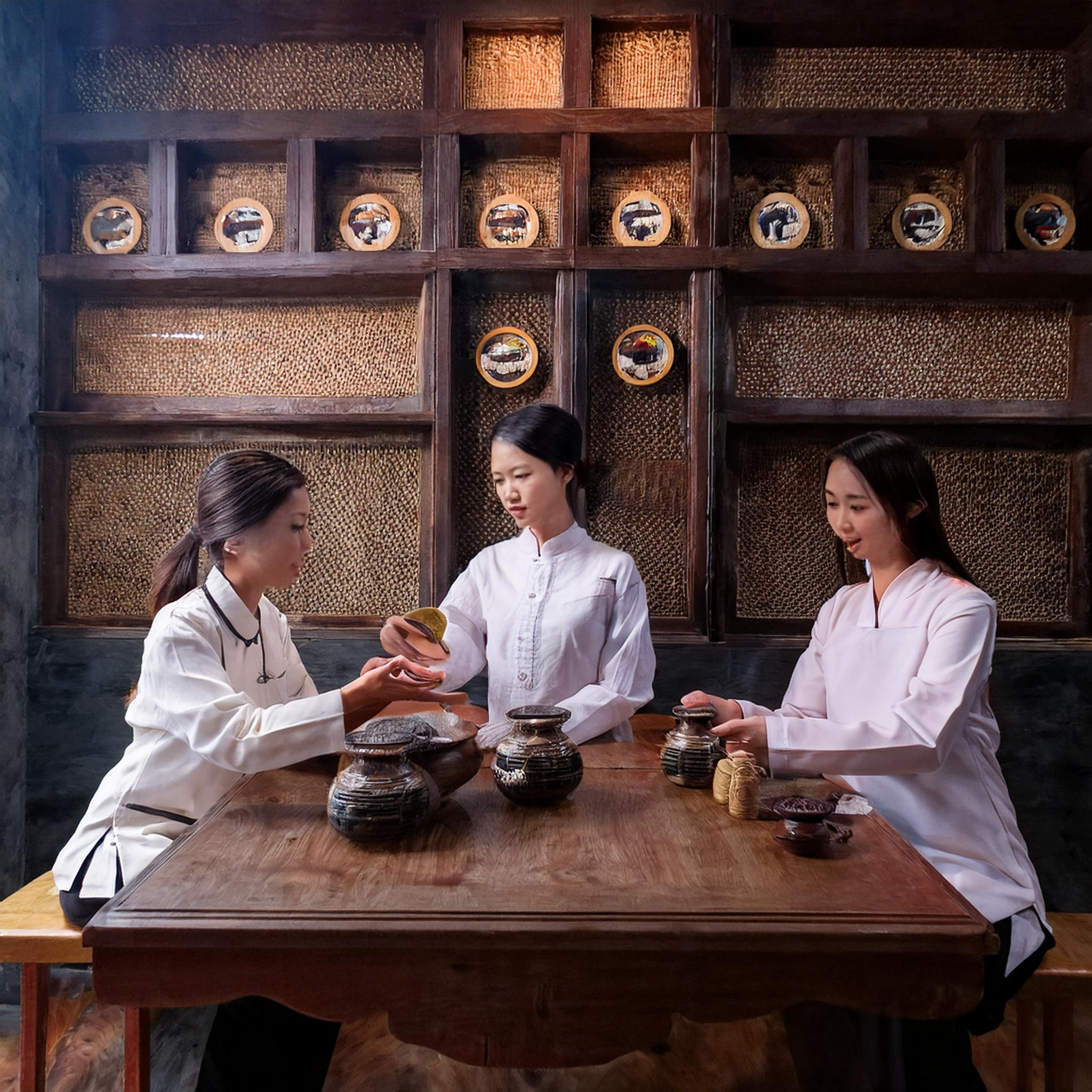
Teaching Team
Instruction is provided by lecturers and practitioners with backgrounds relevant to traditional medicine, massage, acupressure, anatomy, health, and education.
Learning Facilities
The program uses classrooms, practical-learning spaces, and relevant equipment according to the course design and available facilities.
Career Opportunities
Learners who complete the specified requirements receive the Academy's course-completion certificate. Employment opportunities may include appropriate wellness or spa roles; healthcare, rehabilitation, or independent regulated practice may require additional qualifications or licenses.
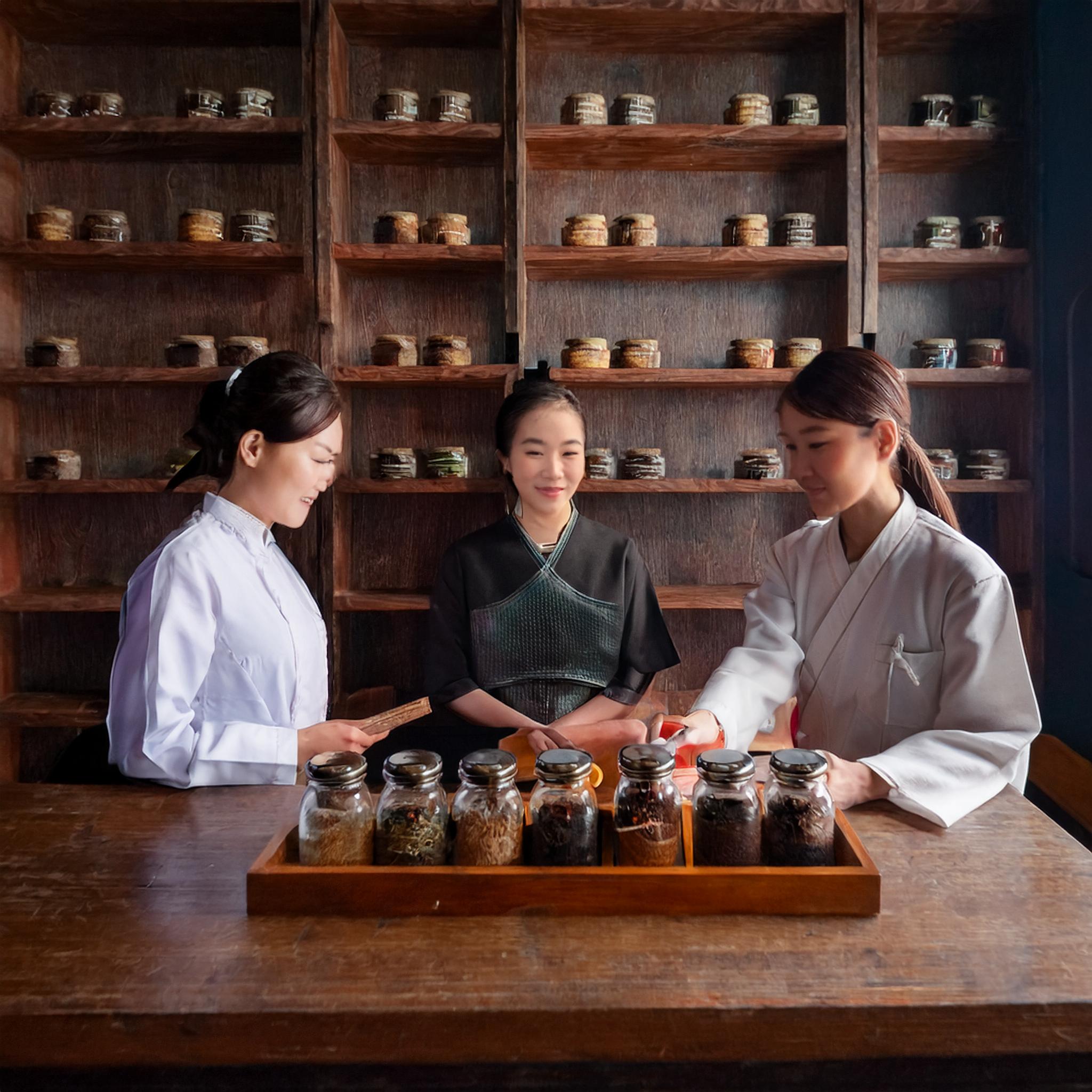
Benefits of Training at the Academy of Medical Sciences, Vietnam
- Structured training: A curriculum designed for beginners and learners seeking to improve practical skills.
- Practical learning: Supervised exercises help learners develop confidence and safe technique.
- Professional development: Training may support connections and career exploration in wellness and related settings, without guaranteeing employment.
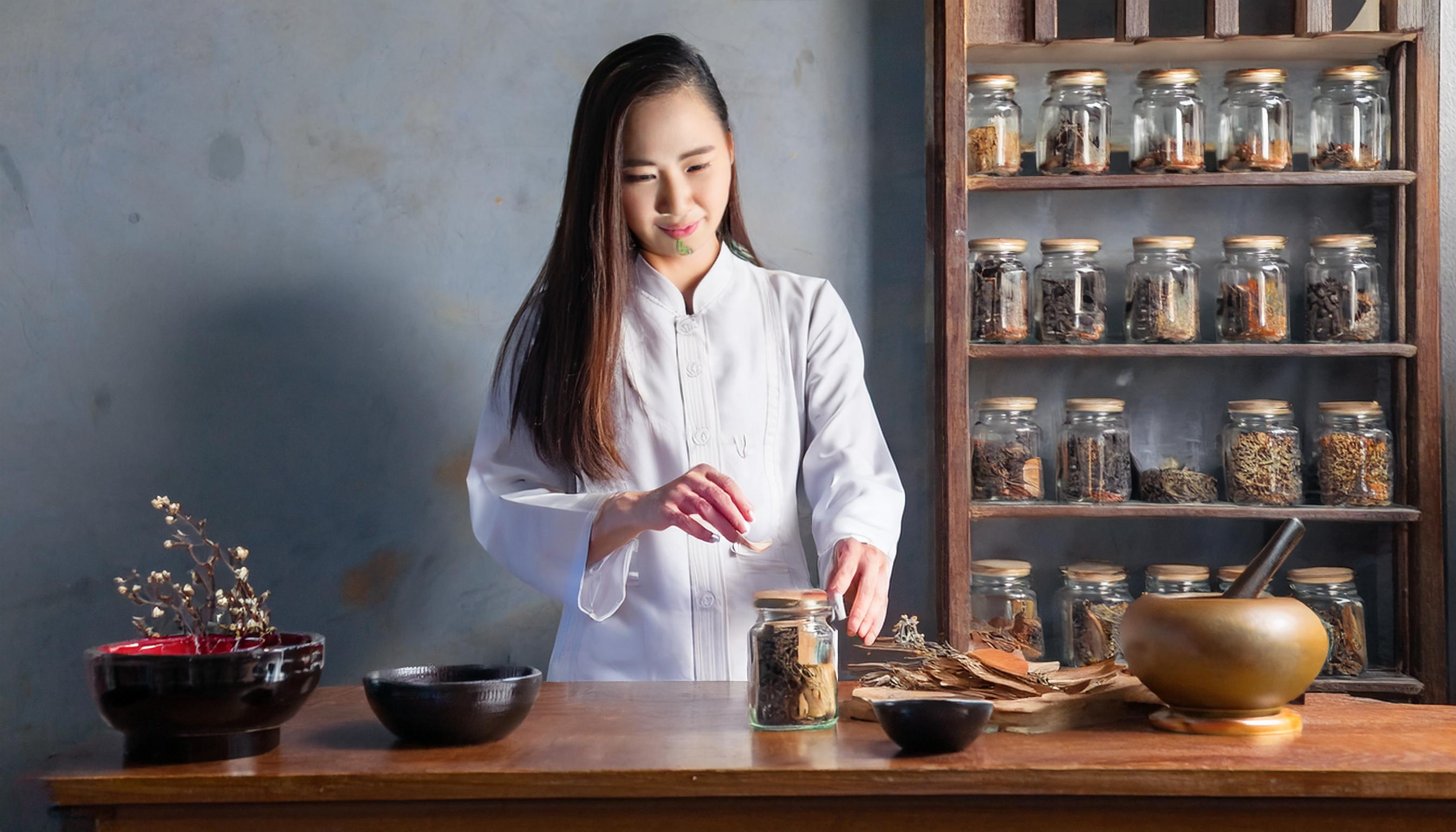
Conclusion
Massage and acupressure can be useful components of wellness and traditional manual practice when applied safely and within appropriate professional boundaries. Training at the Academy of Medical Sciences, Vietnam can provide foundational knowledge and practical skills for learners interested in this field.

 Tham gia ngay
