
Common Meditation Methods
This overview introduces concentration, mindfulness, loving-kindness, insight, movement, breath-awareness, and sound-based meditation. The Meditation Teacher course at the Academy of Medical Sciences, Vietnam can provide structured practice and facilitation education while maintaining non-clinical boundaries.
Meditation includes a wide range of contemplative practices used in religious, philosophical, educational, and contemporary wellness settings. Different methods emphasize concentration, mindfulness, compassion, insight, movement, breathing, or sound. The Meditation Teacher course at the Academy of Medical Sciences, Vietnam can introduce learners to selected approaches and responsible facilitation.
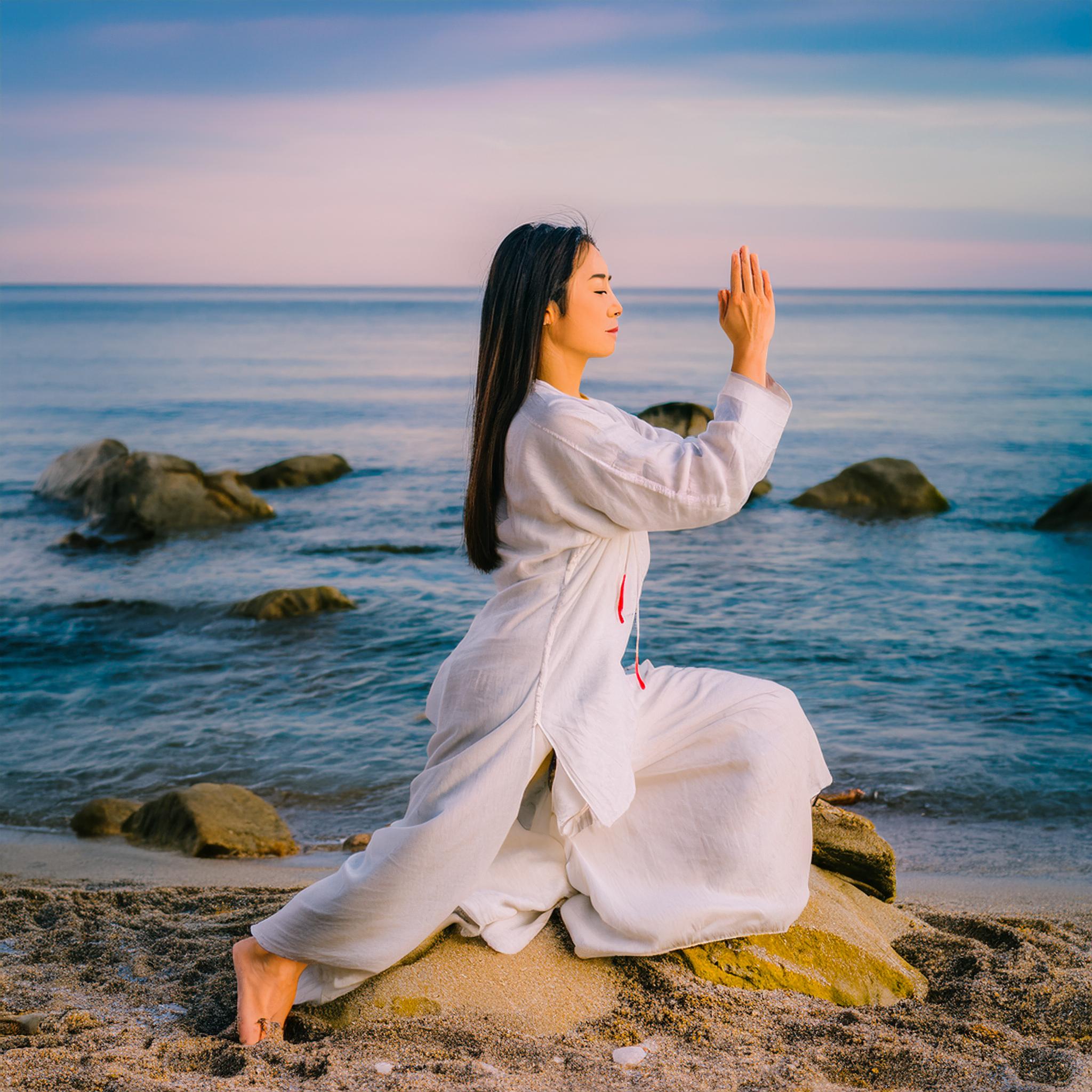
This article introduces several common meditation approaches and how structured training can help learners practice and facilitate them responsibly.
1. Concentration Meditation
Concentration meditation involves sustaining attention on a selected object and returning to it when distraction occurs. It appears in many contemplative traditions.
- Practice: Focus on the breath, a sound, visual object, or another chosen point of attention, gently returning when distracted.
- Potential value: Practice sustained attention and relaxation; individual responses vary.
At the Academy of Medical Sciences, Vietnam, learners may study how to guide concentration practices at introductory and more developed levels.
2. Mindfulness Meditation
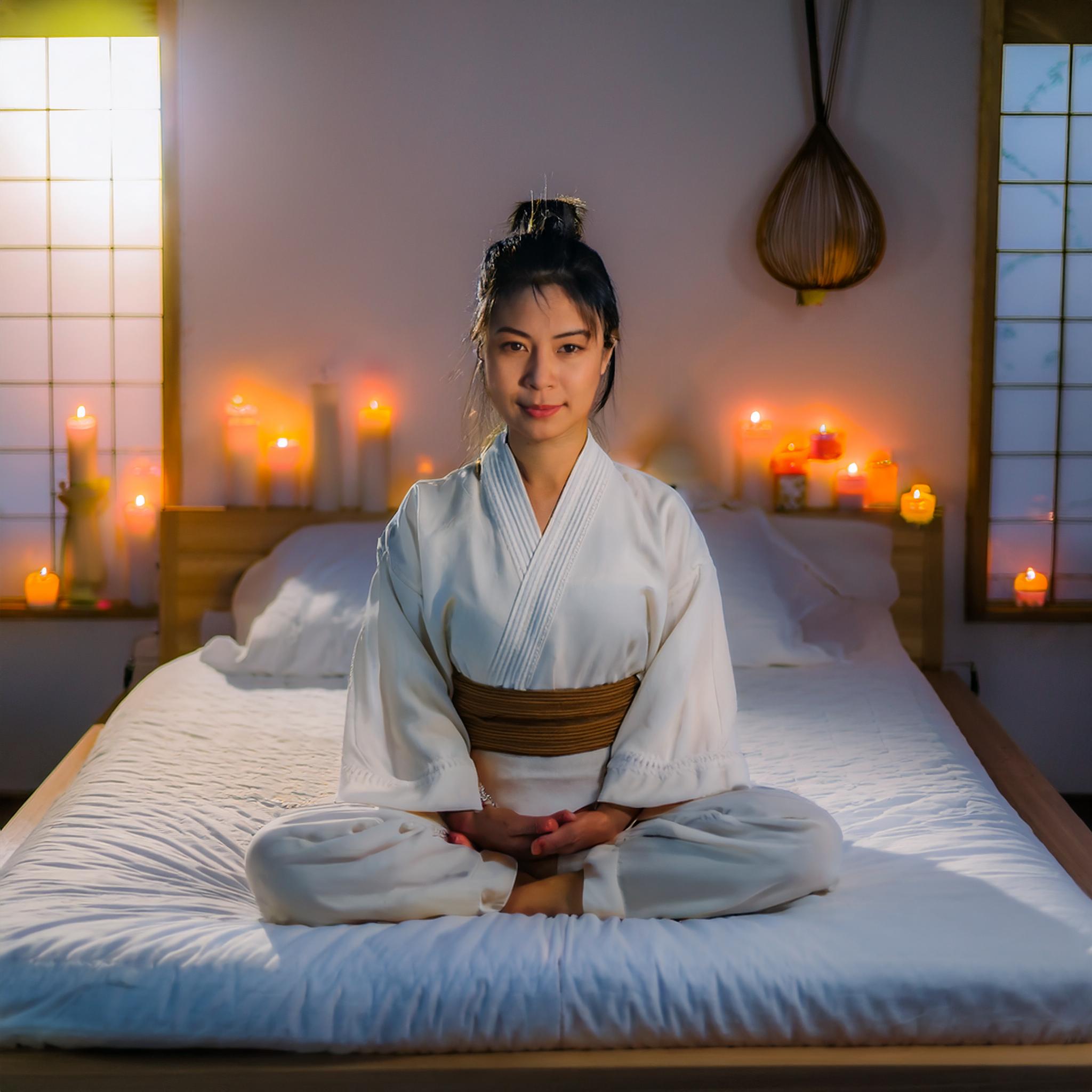
Mindfulness meditation involves intentionally attending to present-moment experience with an attitude of observation and reduced judgment. Mindfulness-based approaches are also used in some evidence-based clinical programs when delivered by appropriately trained professionals.
- Practice: Notice sensory experience, thoughts, emotions, or bodily sensations while repeatedly returning to present-moment awareness.
- Potential value: May support awareness and stress management for some people; it is not a substitute for mental-health treatment.
The Meditation Teacher course introduces skills for facilitating non-clinical mindfulness practices for different audiences.
3. Loving-Kindness Meditation
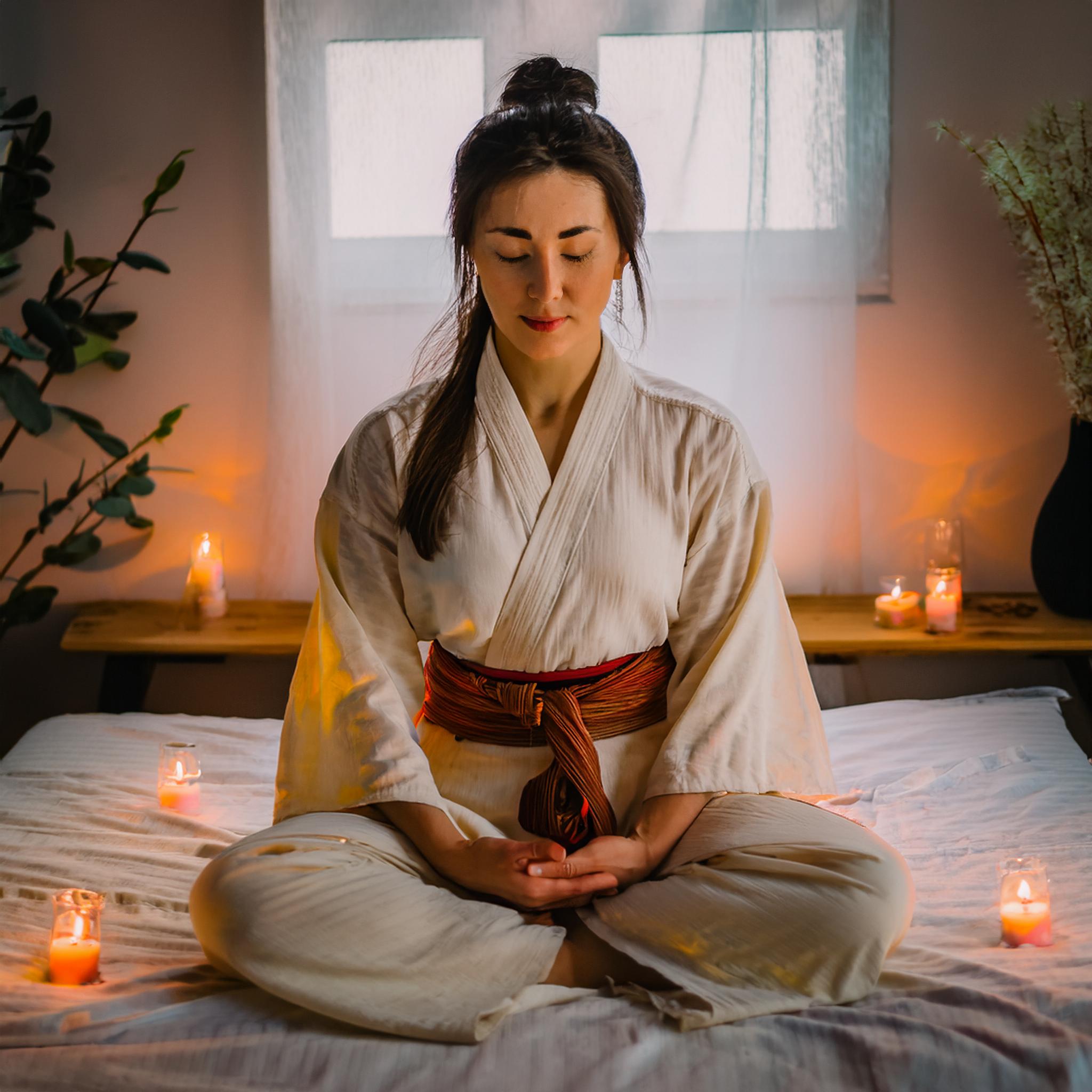
Loving-kindness meditation involves intentionally cultivating goodwill and compassion toward oneself and others. It should be understood as a contemplative practice rather than a method for 'healing' psychological disorders.
- Practice: Begin with phrases of goodwill toward oneself, then extend them toward loved ones, neutral people, difficult relationships, or wider groups according to the tradition.
- Potential value: May support compassion and social connection for some practitioners; outcomes vary.
Learners can practice and learn to facilitate loving-kindness meditation respectfully, without promising specific emotional outcomes.
4. Insight Meditation
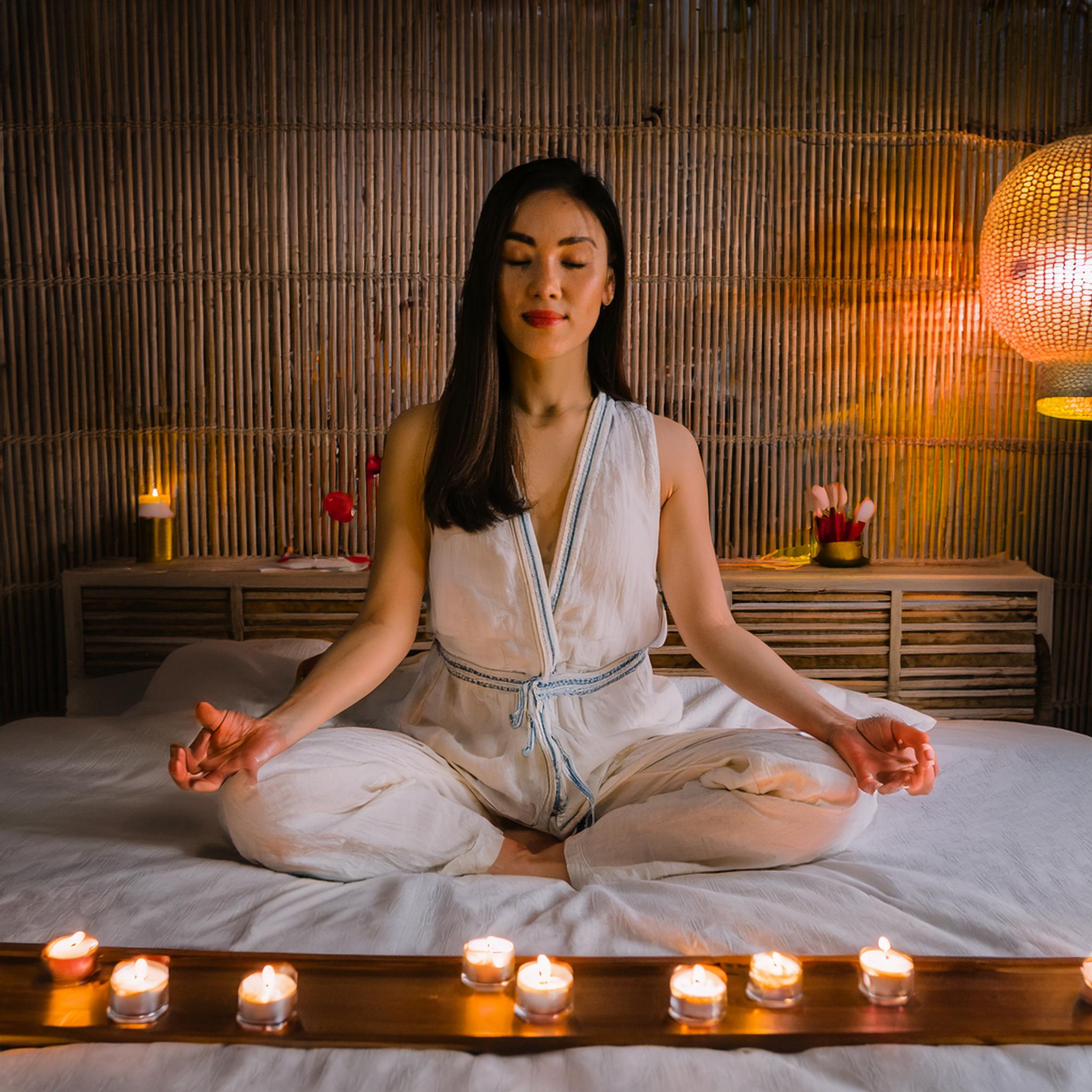
Insight meditation, including traditions associated with Vipassana, involves close observation of bodily sensations, thoughts, emotions, and changing experience. Its philosophical interpretation varies across traditions.
- Practice: Observe breathing, bodily sensations, thoughts, and other experiences according to the selected tradition.
- Potential value: Develop insight and awareness within the philosophical framework of the practice rather than promising liberation or clinical outcomes.
The course may introduce relevant philosophical context together with guided practice while respecting the traditions from which these methods arise.
5. Moving Meditation
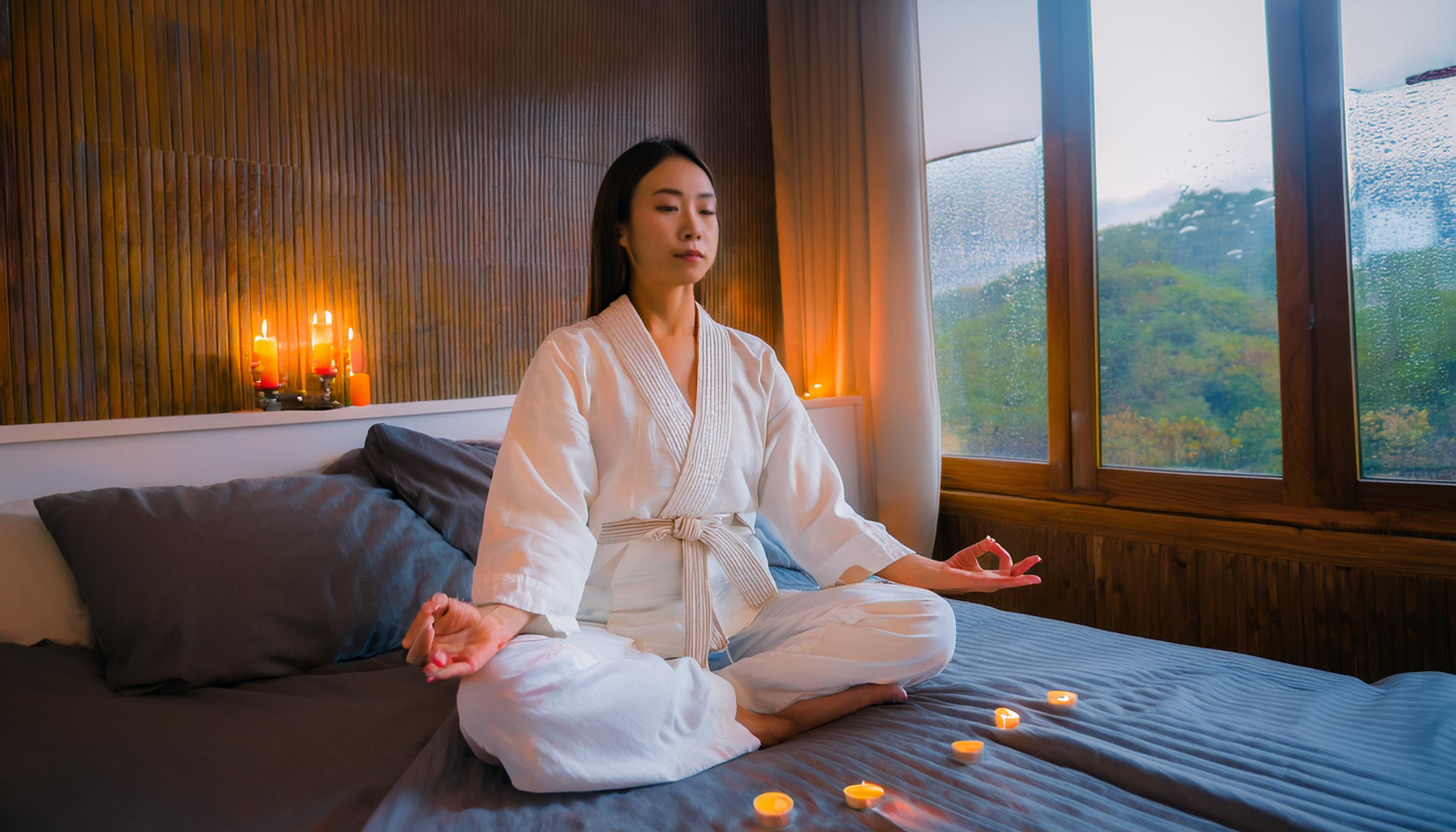
Moving meditation combines deliberate physical movement with attention. Examples can include mindful walking and selected contemplative movement practices. Tai chi and yoga are distinct traditions with their own methods and training requirements.
- Practice: Move slowly and deliberately while maintaining awareness of posture, sensation, breathing, and surroundings.
- Potential value: May support body awareness, balance, mobility, or relaxation depending on the specific practice and participant.
Training may explore the relationship between movement, breathing, and attention while respecting the scope of each practice.
6. Breath-Awareness Meditation
Breath awareness uses the natural breath as an object of attention. Many approaches emphasize observing breathing rather than forcing or manipulating it.
- Practice: Notice inhalation and exhalation without forcing the breath, returning attention when the mind wanders.
- Potential value: May support relaxation and attention. Claims about lowering blood pressure or treating health conditions require specific evidence and clinical context.
Learners can study how to guide breath-awareness practices safely for different groups.
7. Sound-Based Meditation
Sound can be used as an object of attention in some meditation practices, including bells, music, chanting, or environmental sounds.
- Practice: Listen closely to a selected sound and return attention when distracted.
- Potential value: May support relaxation or focused attention for some people; claims about 'balancing energy' or treating insomnia should not be assumed.
The Academy of Medical Sciences, Vietnam may introduce sound-based practices as part of broader meditation education.
Meditation Teacher Course at the Academy of Medical Sciences, Vietnam
The course is intended for people who want structured meditation education and facilitation skills. Depending on the current program, content may include:
- Theory: Historical and philosophical context together with research literacy.
- Practice: Guided experience with selected meditation approaches.
- Facilitation: Communication, session design, inclusion, ethics, and professional boundaries.
- Individual development: Feedback and reflection to help learners develop an appropriate facilitation style.
Benefits of the Course
- Professional development: Build foundations for non-clinical meditation facilitation.
- Personal development: Strengthen self-awareness and consistent practice.
- Community contribution: Share appropriate meditation practices in educational or wellness settings.
Conclusion
Meditation is an ongoing practice of learning and observation. The Meditation Teacher course at the Academy of Medical Sciences, Vietnam can provide a structured environment for exploring different methods and developing responsible facilitation skills without overstating health benefits.


 Tham gia ngay
