
Common Traditional Medicine Techniques and Why Massage and Acupressure Remain Popular
Traditional medicine includes practices such as acupuncture, massage and acupressure, thread embedding, health-preservation exercises, and herbal medicine. Their evidence, risks, and regulatory requirements differ, so they should be practiced by appropriately trained professionals.
Traditional East Asian medicine has a long history in Vietnam and other Asian countries. It includes multiple approaches such as acupuncture, massage and acupressure, herbal medicine, and health-preservation practices. Evidence and risks differ by intervention and condition, so traditional concepts should be distinguished from established biomedical evidence and regulated procedures should be performed by appropriately qualified practitioners.
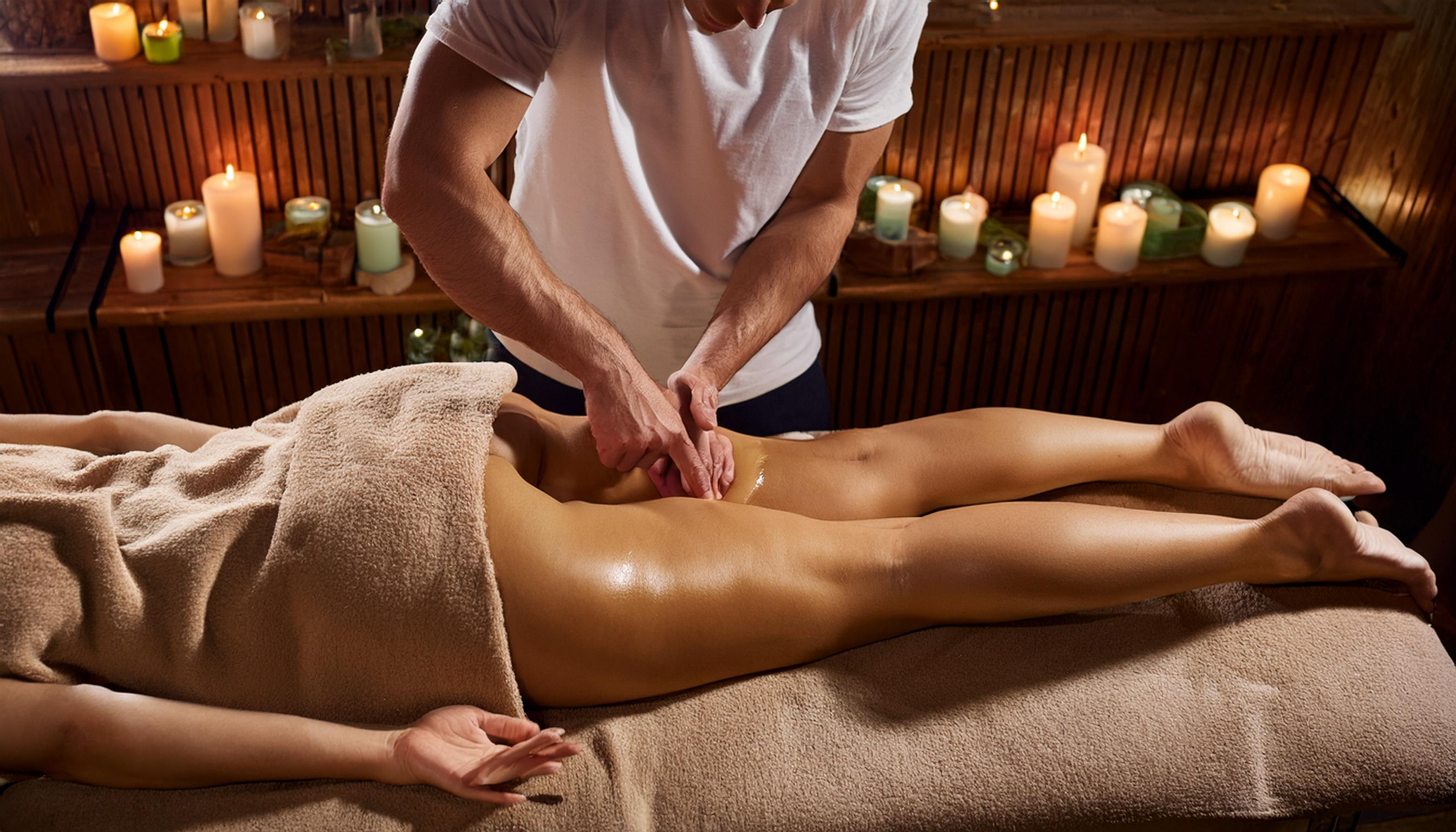
Common Traditional Medicine Techniques
- Acupuncture: A regulated invasive technique using fine needles at selected points. Evidence supports some uses, particularly certain pain conditions, but effectiveness varies by indication and it requires qualified practice and infection-control procedures.
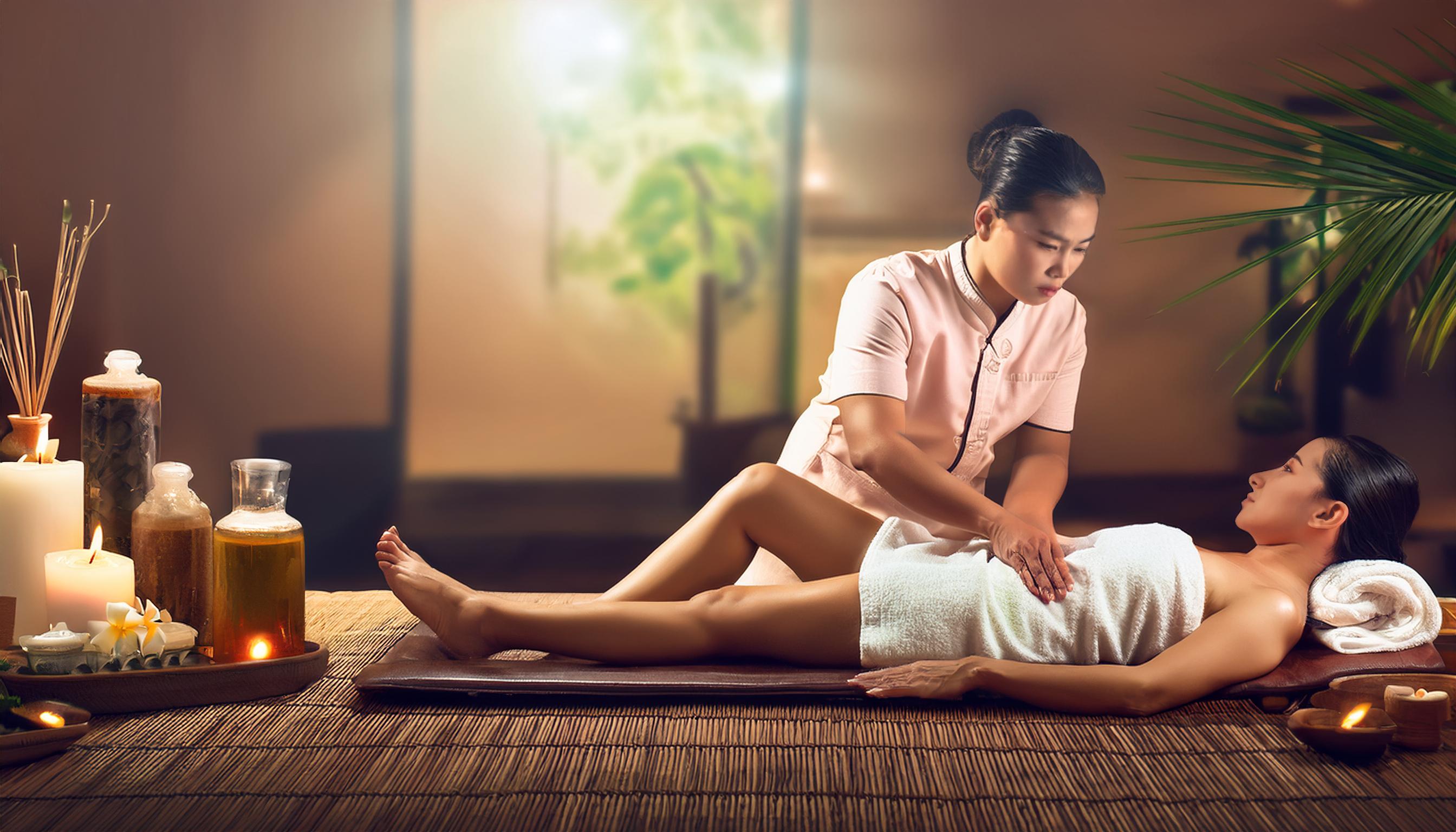
- Massage and acupressure: Manual techniques applied to soft tissues or selected pressure points. They may support relaxation and temporary comfort; evidence varies by condition.
- Thread embedding: An invasive procedure in which absorbable material is implanted at selected points. It carries procedure-related risks and should only be performed by appropriately qualified healthcare practitioners where legally permitted.
- Health-preservation practices: Traditional approaches may include qigong, tai chi, movement, breathing, and balanced dietary habits. Some can support general physical activity, balance, or well-being.
- Traditional herbal medicine: Herbal products can have pharmacological effects, interactions, contraindications, and quality concerns. Diagnosis and prescribing should be handled by appropriately qualified practitioners and follow applicable regulation.
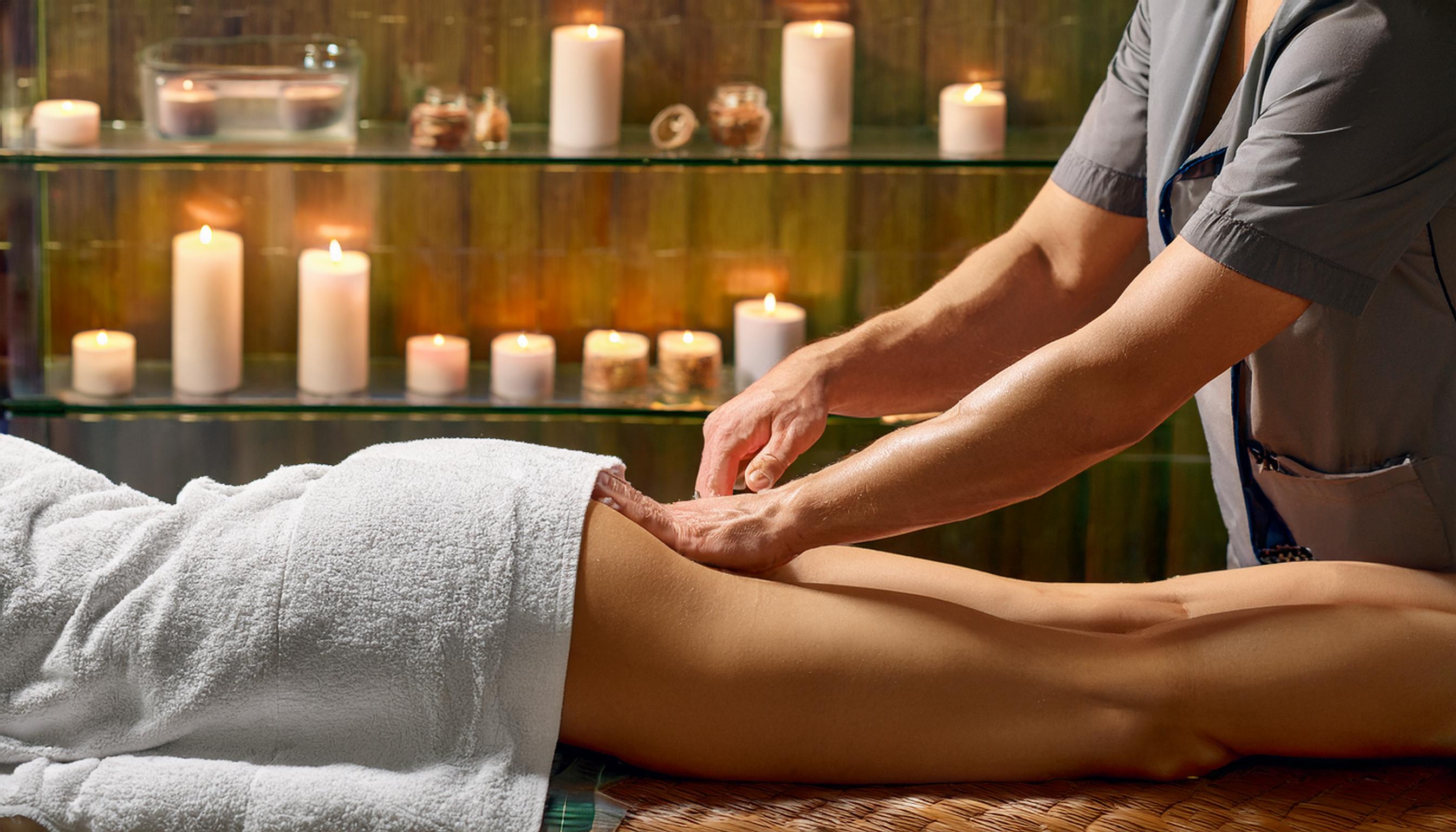
Massage and Acupressure — A Widely Used Manual Practice
Massage and acupressure remain popular because they are non-pharmacological manual techniques that may support relaxation and temporary relief of muscle tension for some people. Appropriate use still requires knowledge of safety, contraindications, and referral.
1. Potential Benefits for Selected Symptoms
Massage may help some types of temporary musculoskeletal discomfort and tension. Evidence for acupressure varies by condition. Persistent back pain, neck pain, headache, insomnia, digestive symptoms, or other ongoing problems should receive appropriate clinical assessment rather than relying solely on manual therapy.
2. A Non-Pharmacological Approach
Massage and acupressure do not inherently require medication. This can make them attractive as complementary wellness approaches, but they should not be used as a reason to stop prescribed medicines or avoid necessary medical treatment.
3. Use Across Different Age Groups
Techniques must be adapted to age, health status, pregnancy, frailty, injury, and other factors. Children, older adults, pregnant people, and individuals with medical conditions may require additional precautions or qualified clinical guidance.
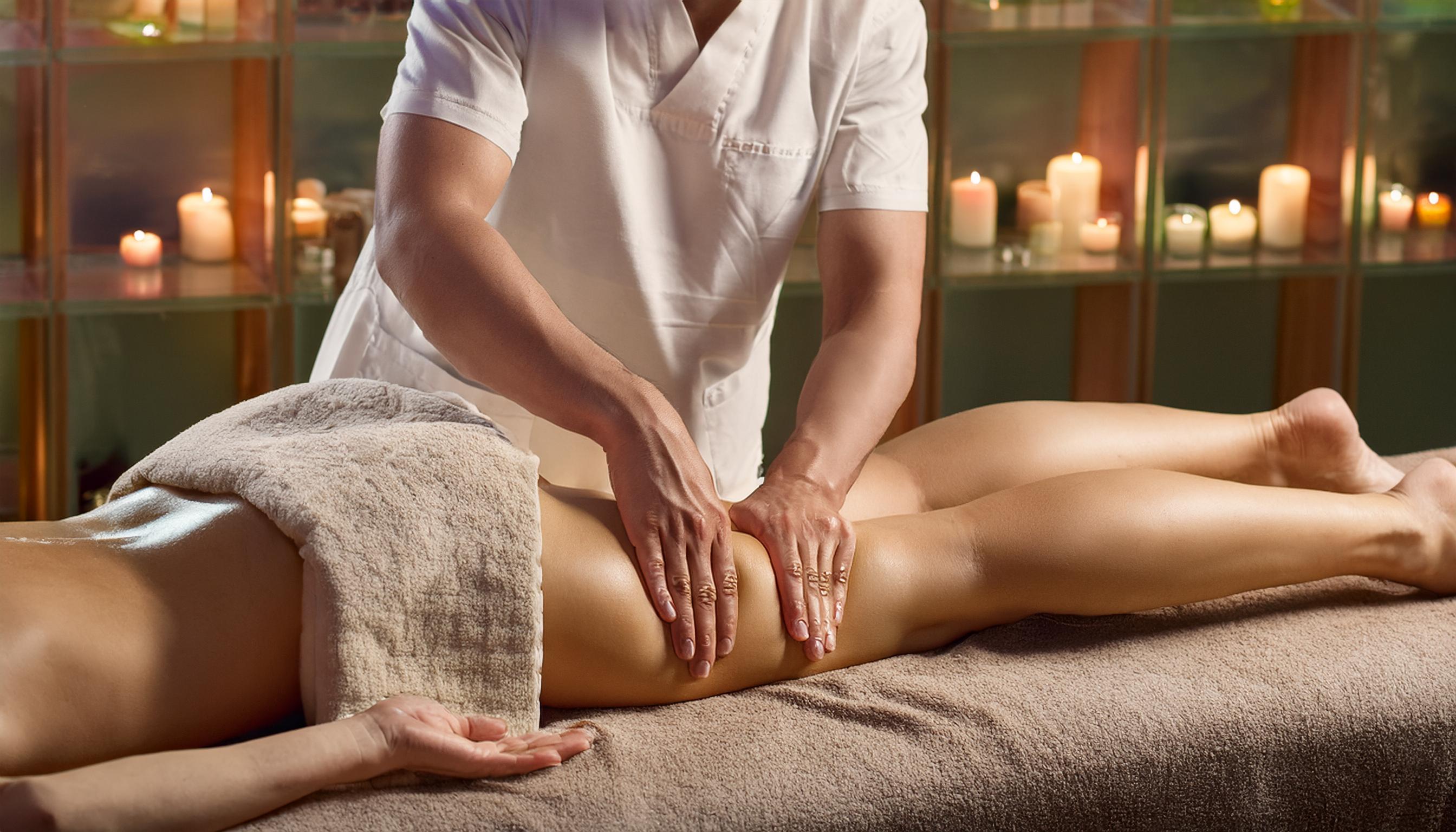
4. Practical Use in Modern Wellness
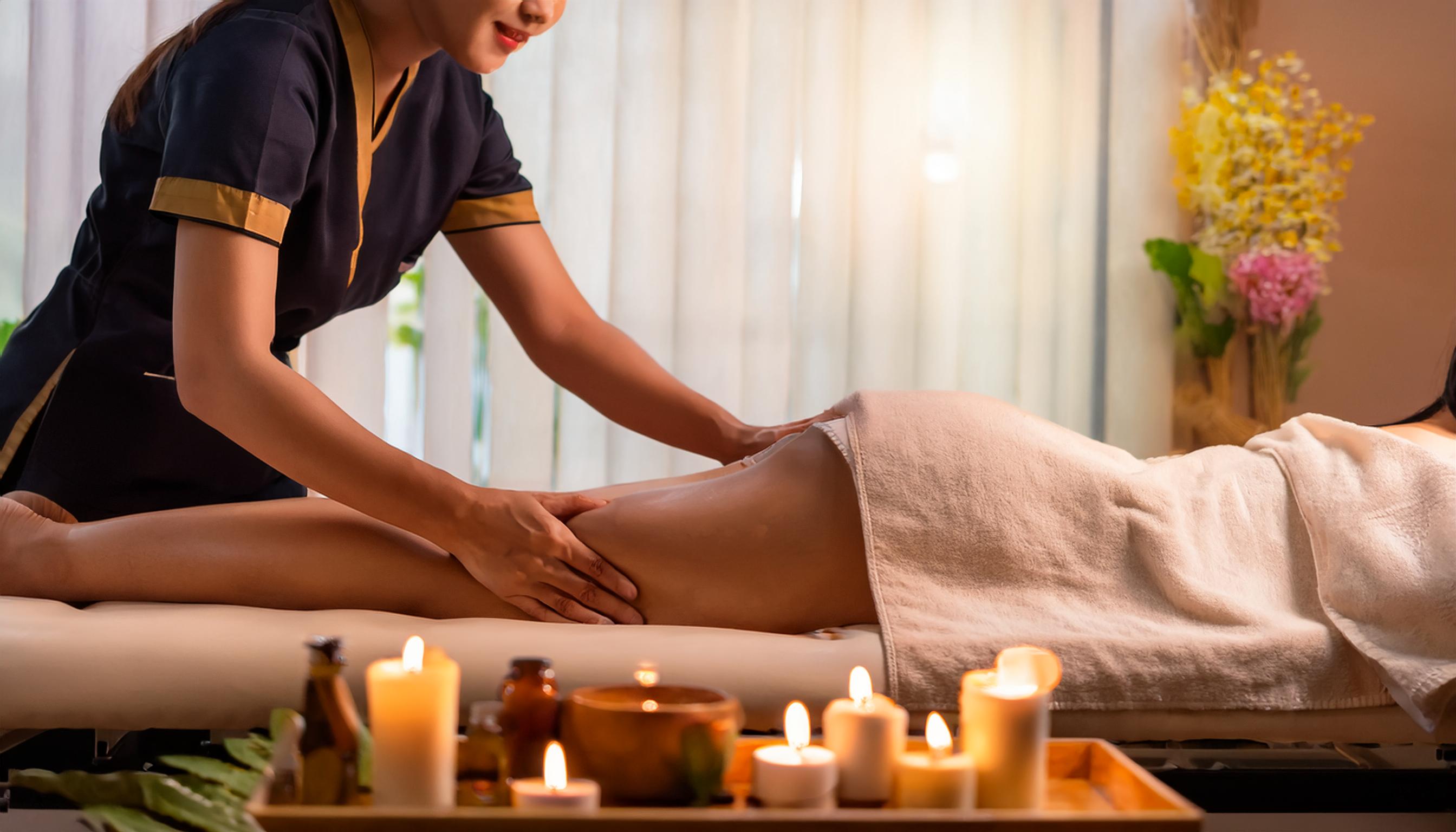
Massage and acupressure are commonly used in spas, wellness services, and some traditional-health settings. Self-massage for relaxation may be appropriate in limited contexts, while therapeutic or higher-risk applications require suitable training.
Massage and Acupressure Techniques Course at the Academy of Medical Sciences, Vietnam
The Academy of Medical Sciences, Vietnam provides structured training in Massage and Acupressure Techniques, including traditional concepts, anatomy-related foundations, practical techniques, safety, contraindications, and professional boundaries.
1. Course Objectives
The course is designed to help learners:
- Understand foundational anatomy-related concepts and selected acupressure points.
- Develop basic and more advanced manual techniques progressively.
- Apply massage and acupressure safely for appropriate wellness purposes.
- Recognize contraindications, referral needs, and boundaries between wellness services and regulated healthcare.
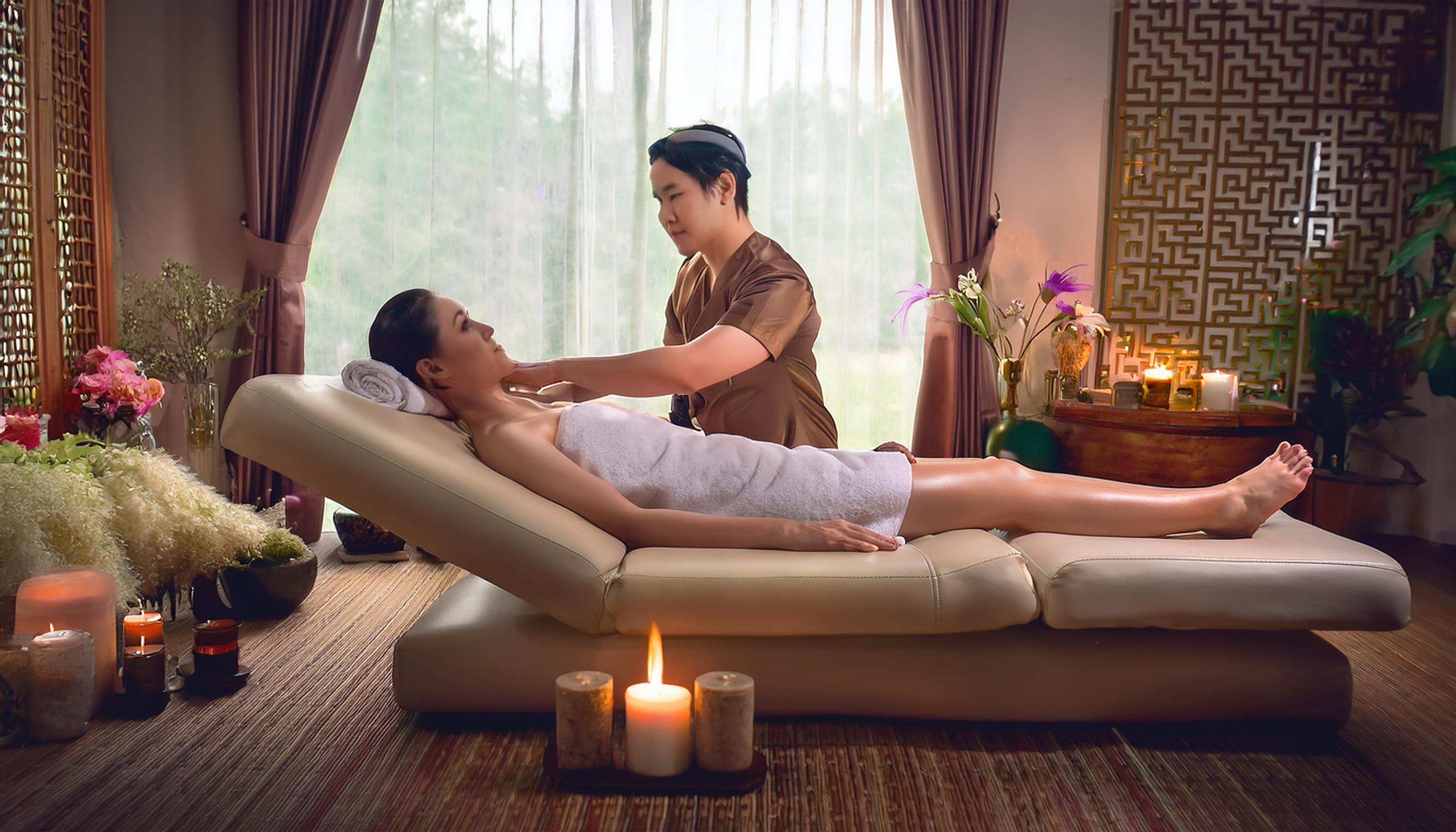
2. Course Content
The program combines theory and practical learning, including:
- Foundational theory: Introduction to traditional medicine concepts, meridians, and selected acupoints in their traditional context.
- Practical techniques: Supervised learning of massage and acupressure methods.
- Applied safety: Client screening, contraindications, hygiene, pressure control, and referral decisions.
- Professional development: Communication, documentation, ethics, and understanding when other traditional or clinical procedures require additional qualifications.
3. Benefits of Training at the Academy of Medical Sciences, Vietnam
- Course-completion certificate: Learners who meet requirements receive the Academy's certificate documenting the training completed; it is not automatically a regulated healthcare license.
- Practical experience: Supervised educational practice may be included according to the program structure.
- Career guidance: Learners may receive general guidance on appropriate employment or wellness-business pathways.
Career Outlook for Massage and Acupressure Technicians
Growing interest in wellness and non-pharmacological comfort services may create career opportunities for trained technicians. Income and employment are not guaranteed and depend on qualifications, market demand, experience, location, and applicable regulations.
Potential Career Settings:
- Appropriate massage or wellness roles in spas and wellness centers.
- Massage and acupressure roles in traditional-health settings where qualifications and regulations permit.
- Independent wellness services where legally permitted and within the practitioner's qualifications.
- Healthcare or rehabilitation settings only when the practitioner holds the qualifications and institutional authorization required for that role.
Conclusion
Massage and acupressure are longstanding manual practices that can support relaxation and temporary comfort for some people. Structured training at the Academy of Medical Sciences, Vietnam can help learners develop practical skills, safety awareness, and professional boundaries. Clinical treatment, acupuncture, thread embedding, herbal prescribing, and rehabilitation require the qualifications and authorization appropriate to each practice.

 Tham gia ngay
