
Cosmetic Formulation Course: Building Foundations for Your Own Beauty Brand
Cosmetic Formulation training can provide scientific and practical foundations for aspiring beauty entrepreneurs. Launching a commercial cosmetic brand additionally requires safety and stability testing, compliant manufacturing, regulatory work, financing, branding, distribution, and responsible claims.
As consumer interest in beauty and personal care grows, many entrepreneurs consider developing their own cosmetic brands. Creating safe, stable, compliant products requires more than a good idea. The Cosmetic Formulation Course at the Academy of Medical Sciences, Vietnam can provide scientific and practical foundations relevant to product development.

Why Study Cosmetic Formulation?
Understanding cosmetic formulation can help you:
- Understand ingredients and functions: Learn to select materials based on safety, specifications, compatibility, and intended cosmetic use.
- Develop differentiated products: Explore formats such as creams, serums, lip products, cleansers, or shampoos.
- Understand quality requirements: Learn why stability, preservation, microbiological quality, packaging compatibility, and documentation matter.
- Build business foundations: Use technical literacy to communicate with manufacturers, laboratories, regulatory specialists, and other partners.

Overview of the Course at the Academy of Medical Sciences, Vietnam
The Cosmetic Formulation Course at the Academy of Medical Sciences, Vietnam combines theory and practical learning. Content can range from cosmetic-science foundations to formulation methods, quality, and commercialization considerations.
Course Objectives
- Build scientific foundations in cosmetics and ingredient functions.
- Develop practical formulation skills in a supervised educational setting.
- Introduce business planning, brand development, quality, safety, and regulatory considerations.
Who May Attend
- People interested in cosmetic science and formulation.
- Spa, salon, or beauty-business owners considering private-label or proprietary products.
- Aspiring entrepreneurs interested in the cosmetics sector.
- Students in chemistry, pharmacy, biology, or related fields.

Detailed Course Content
The course may be organized into four main areas. Prospective learners should confirm the current duration and schedule for the applicable intake.
Part 1: Overview of the Cosmetics Industry
- Development of cosmetics from traditional to modern products.
- Basic formulation principles and relevant skin and hair considerations.
- Regulatory foundations for cosmetic manufacturing, labeling, and market placement.
Part 2: Ingredients and Formulas
- Basic ingredient groups such as water phases, oils, emulsifiers, preservatives, fragrances, colorants, and functional ingredients.
- Common product-formulation examples and exercises.
- Formula analysis and adjustment based on stability, compatibility, sensory properties, and intended use.

Part 3: Formulation Techniques
- Processing operations such as mixing, emulsification, homogenization, heating, cooling, and preservation.
- Introduction to appropriate formulation, manufacturing, and packaging equipment.
- Quality evaluation including stability, safety, preservation, and performance testing appropriate to the product.
Part 4: Brand Development and Business
- Market research and identification of target customers.
- Brand development including positioning, packaging, and visual identity.
- Marketing through appropriate online and offline channels with compliant claims.
- Distribution planning across retail, beauty businesses, and other suitable channels.
Features of the Course at the Academy of Medical Sciences, Vietnam
- Relevant instructors: Teaching may involve professionals experienced in cosmetic chemistry, pharmacy, formulation, quality, or related fields.
- Practical facilities: Supervised exercises may use appropriate laboratory equipment where available.
- Course-completion certificate: The Academy certificate documents training completed; it is not automatically an industry license or regulatory authorization.
- Practical and professional exposure: Opportunities may include projects, peer learning, or industry connections where available.
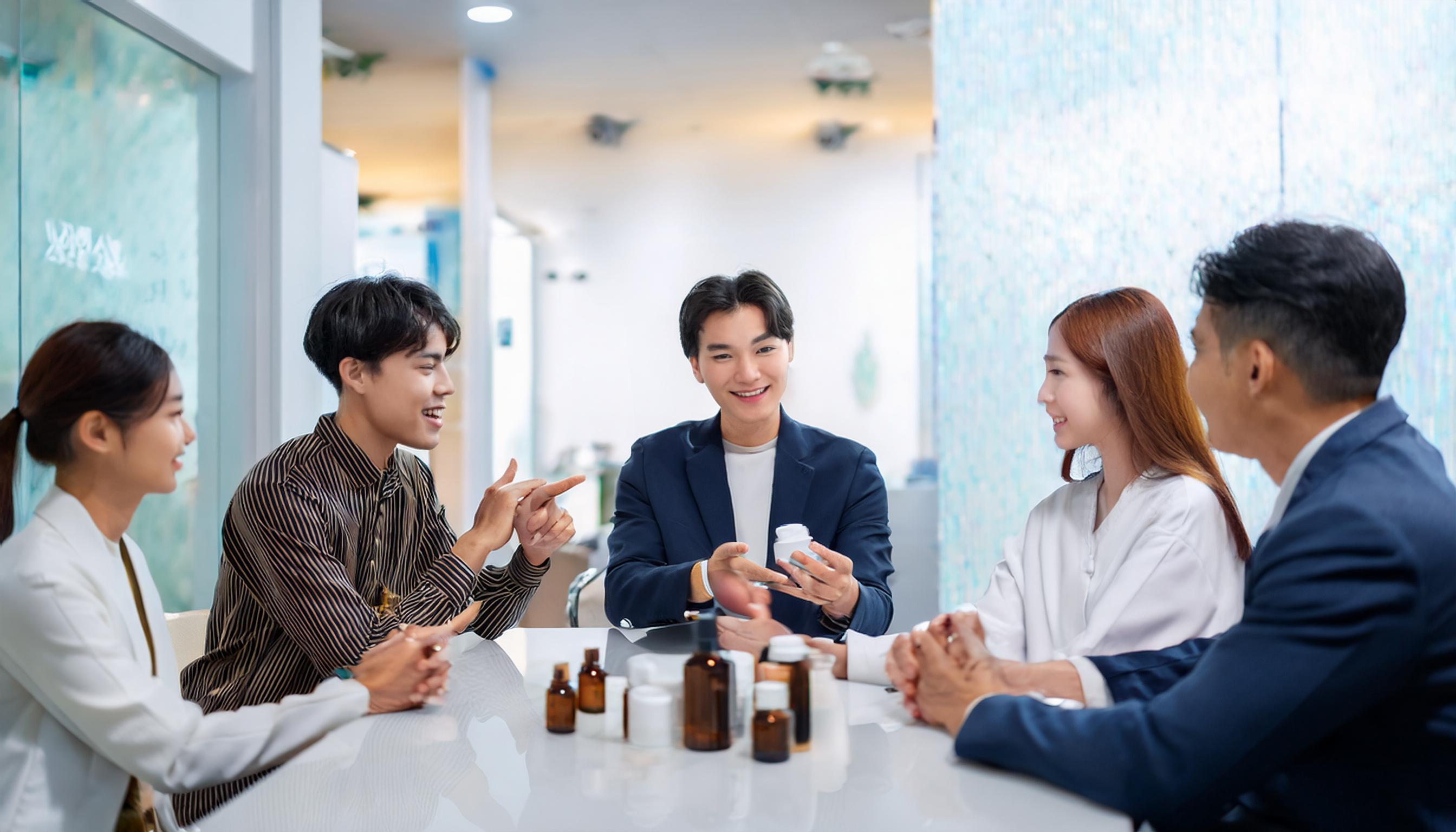
Learner and Entrepreneur Stories
Learner stories can illustrate possible pathways after training, but specific claims about named individuals, store counts, revenue, or business success should be published only with permission and independent verification. Course completion does not guarantee entrepreneurial success.

Conclusion
The Cosmetic Formulation Course at the Academy of Medical Sciences, Vietnam can help learners build foundations in cosmetic science, formulation, quality, and product development. Turning those foundations into a successful brand additionally requires product testing, compliant manufacturing, regulatory approval or notification as applicable, financing, market fit, branding, distribution, and sustained execution.
Prospective learners can review current course details and intake information through the Academy of Medical Sciences, Vietnam.

 Tham gia ngay
