
Differences Between Drug, Cosmetic, and Functional-Food Clinical Research
Drugs, cosmetics, and functional foods differ in legal classification, intended use, evidence requirements, permissible claims, study design, safety oversight, and regulatory pathways. Research plans should match the applicable product category.
Drugs, cosmetics, and functional foods have different intended uses and regulatory frameworks. Study design, endpoints, safety monitoring, and permissible claims must therefore be tailored to the correct product category.


Clinical-study budgets vary substantially. Major cost drivers include protocol complexity, participant numbers, duration, visits, laboratory testing, investigational-product logistics, site operations, monitoring, data management, statistics, ethics, and reporting.

Overview
Drug Research
- Investigational product: Document identity, composition, manufacturing, quality, labeling, storage, dosage, and relevant safety information.
- Research planning: Align scientific objectives, participant protection, quality controls, budget, and regulatory requirements with the specific product and protocol.
- Research planning: Align scientific objectives, participant protection, quality controls, budget, and regulatory requirements with the specific product and protocol.
Functional-Food Research
- Research planning: Align scientific objectives, participant protection, quality controls, budget, and regulatory requirements with the specific product and protocol.
- Research planning: Align scientific objectives, participant protection, quality controls, budget, and regulatory requirements with the specific product and protocol.
- Research planning: Align scientific objectives, participant protection, quality controls, budget, and regulatory requirements with the specific product and protocol.


Cosmetic Formulation
- Investigational product: Document identity, composition, manufacturing, quality, labeling, storage, dosage, and relevant safety information.
- Research planning: Align scientific objectives, participant protection, quality controls, budget, and regulatory requirements with the specific product and protocol.
- Research planning: Align scientific objectives, participant protection, quality controls, budget, and regulatory requirements with the specific product and protocol.
Objectives
| Tiêu chí | Thuốc | TPCN | Mỹ phẩm |
| Mục tiêu nghiên cứu | Điều trị bệnh | Hỗ trợ chức năng sinh lý, phòng bệnh | Làm đẹp, chăm sóc da, tóc, vệ sinh cơ thể |
| Đối tượng áp dụng | Người bệnh cụ thể | Người khỏe mạnh hoặc có nguy cơ | Người khỏe mạnh, dùng ngoài da |
| Chỉ số đánh giá | Chỉ số bệnh học: đường huyết, huyết áp, triệu chứng lâm sàng… | Chỉ số sinh lý nhẹ: miễn dịch, giấc ngủ, tiêu hóa… | Độ ẩm da, sắc tố, nếp nhăn, cảm nhận người dùng |

Study Design
Drug Research
- Drug studies: Requirements are generally more stringent and depend on development phase, indication, safety profile, and applicable pharmaceutical regulations.
- Research planning: Align scientific objectives, participant protection, quality controls, budget, and regulatory requirements with the specific product and protocol.
- Research planning: Align scientific objectives, participant protection, quality controls, budget, and regulatory requirements with the specific product and protocol.
Clinical Research
- Research planning: Align scientific objectives, participant protection, quality controls, budget, and regulatory requirements with the specific product and protocol.
- Research planning: Align scientific objectives, participant protection, quality controls, budget, and regulatory requirements with the specific product and protocol.
- Research planning: Align scientific objectives, participant protection, quality controls, budget, and regulatory requirements with the specific product and protocol.


Cosmetic Formulation
- Research planning: Align scientific objectives, participant protection, quality controls, budget, and regulatory requirements with the specific product and protocol.
- Research planning: Align scientific objectives, participant protection, quality controls, budget, and regulatory requirements with the specific product and protocol.
- Research planning: Align scientific objectives, participant protection, quality controls, budget, and regulatory requirements with the specific product and protocol.
Process
| Yếu tố | Thuốc | TPCN | Mỹ phẩm |
| Thiết bị đo lường | Máy xét nghiệm huyết học, sinh hóa, hình ảnh học | Máy đo miễn dịch, cortisol, chỉ số tiêu hóa... | Corneometer, Chromameter, máy đo nếp nhăn 3D |
| Tình nguyện viên | Người bệnh có chẩn đoán y khoa rõ ràng | Người khỏe mạnh hoặc người có rối loạn nhẹ | Người dùng mỹ phẩm bình thường |
| Tiêu chuẩn loại trừ | Bệnh lý nền, dùng thuốc khác | Dị ứng, bệnh cấp tính | Dị ứng da, da tổn thương |
| Theo dõi tác dụng phụ | Rất chặt chẽ, có hệ thống báo cáo biến cố | Theo dõi tự nguyện, ghi nhận cảm giác bất thường | Theo dõi phản ứng kích ứng da, đỏ, ngứa… |

Regulatory Considerations
| Tiêu chí | Thuốc | TPCN | Mỹ phẩm |
| Bắt buộc nộp hồ sơ đạo đức | ✔ | ✔ (nếu có nghiên cứu can thiệp) | ✔ (nếu có thử nghiệm người thật) |
| Yêu cầu báo cáo GCP | ✔ | ✘ (khuyến khích) | ✘ |
| Công bố trên tạp chí khoa học | ✔ (bắt buộc để cấp phép) | ✔ (nếu có) | ✔ (tùy chọn) |
| Được phép ghi trên nhãn | ✔ (theo phê duyệt của Bộ Y tế) | ✘ (chỉ được nói “có nghiên cứu khoa học”) | ✘ (chỉ dùng cảm nhận người dùng nếu có dẫn chứng) |
Cost Components
| Loại sản phẩm | Quy mô thử nghiệm | Thời gian | Chi phí ước tính |
| Thuốc (Giai đoạn II/III) | 100–300 người bệnh | 12–24 tháng | 3 – 10 tỷ VNĐ |
| Thực phẩm chức năng | 30–100 người khỏe mạnh | 2–4 tháng | 400 – 1.200 triệu VNĐ |
| Mỹ phẩm | 20–40 người | 1–2 tháng | 100 – 400 triệu VNĐ |


Clinical Research
Clinical Research
- Participants and sample size: Determine the population and sample size from the research question, expected effect, variability, statistical assumptions, feasibility, and ethics.
- Research planning: Align scientific objectives, participant protection, quality controls, budget, and regulatory requirements with the specific product and protocol.
- Research planning: Align scientific objectives, participant protection, quality controls, budget, and regulatory requirements with the specific product and protocol.
- Research planning: Align scientific objectives, participant protection, quality controls, budget, and regulatory requirements with the specific product and protocol.
- Investigational product: Document identity, composition, manufacturing, quality, labeling, storage, dosage, and relevant safety information.
Cosmetic Formulation
- Participants and sample size: Determine the population and sample size from the research question, expected effect, variability, statistical assumptions, feasibility, and ethics.
- Research planning: Align scientific objectives, participant protection, quality controls, budget, and regulatory requirements with the specific product and protocol.
- Research planning: Align scientific objectives, participant protection, quality controls, budget, and regulatory requirements with the specific product and protocol.
- Research planning: Align scientific objectives, participant protection, quality controls, budget, and regulatory requirements with the specific product and protocol.
- Research planning: Align scientific objectives, participant protection, quality controls, budget, and regulatory requirements with the specific product and protocol.

Drug Research
- Participants and sample size: Determine the population and sample size from the research question, expected effect, variability, statistical assumptions, feasibility, and ethics.
- Research planning: Align scientific objectives, participant protection, quality controls, budget, and regulatory requirements with the specific product and protocol.
- Research planning: Align scientific objectives, participant protection, quality controls, budget, and regulatory requirements with the specific product and protocol.
- Research planning: Align scientific objectives, participant protection, quality controls, budget, and regulatory requirements with the specific product and protocol.
- Drug studies: Requirements are generally more stringent and depend on development phase, indication, safety profile, and applicable pharmaceutical regulations.
Clinical Research
Drugs, cosmetics, and functional foods have different intended uses and regulatory frameworks. Study design, endpoints, safety monitoring, and permissible claims must therefore be tailored to the correct product category.
Clinical-study budgets vary substantially. Major cost drivers include protocol complexity, participant numbers, duration, visits, laboratory testing, investigational-product logistics, site operations, monitoring, data management, statistics, ethics, and reporting.

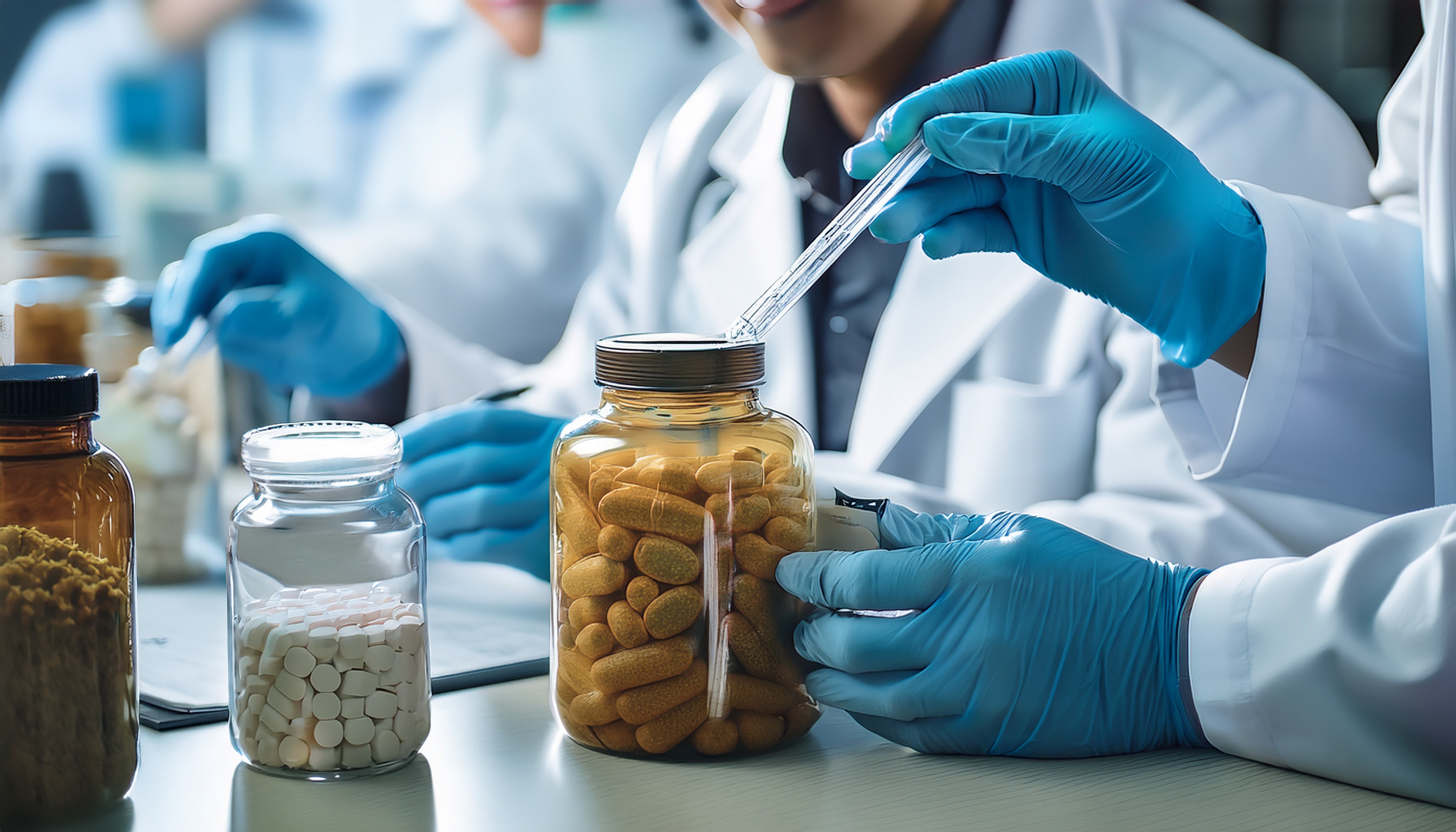
This section of Differences Between Drug, Cosmetic, and Functional-Food Clinical Research emphasizes scientifically justified study design, participant protection, data quality, transparent reporting, and compliance with applicable regulatory requirements.
| Dịch vụ | Nội dung |
| ✅ Tư vấn phân loại sản phẩm | Phân tích tính pháp lý & chiến lược R&D |
| ✅ Thiết kế đề cương & hồ sơ | Chuẩn hóa hồ sơ cho đạo đức, công bố, xuất khẩu |
| ✅ Triển khai thử nghiệm lâm sàng | Tuyển mẫu, đo lường chỉ số, xử lý thống kê |
| ✅ Báo cáo & công bố kết quả | Báo cáo khoa học, bài báo, hội thảo truyền thông |
This section of Differences Between Drug, Cosmetic, and Functional-Food Clinical Research emphasizes scientifically justified study design, participant protection, data quality, transparent reporting, and compliance with applicable regulatory requirements.

 Tham gia ngay
