
10 Essential Skills for Becoming a Professional Nutrition Coach
Professional Nutrition Coaches need nutrition literacy, communication, assessment within scope, behavior-change skills, critical thinking, ethics, time management, and the ability to recognize when referral to a healthcare professional is necessary.
Nutrition Coaches can help generally healthy clients clarify goals, understand eating patterns, identify barriers, and build sustainable habits while staying within a non-clinical scope of practice.

1. Knowledge
A sound foundation includes macronutrients, micronutrients, energy balance, food patterns, life-stage nutrition, research literacy, and an understanding of the limits of non-clinical coaching.
- Nutrition foundations: Understand macronutrients, micronutrients, food sources, energy balance, and their general roles in health.
- Professional practice: Apply evidence-informed nutrition education, ethical communication, and clear scope-of-practice boundaries.
- Professional practice: Apply evidence-informed nutrition education, ethical communication, and clear scope-of-practice boundaries.
Nutrition Coaches can support general nutrition education and healthy behavior change, but disease management and medical nutrition therapy require appropriately qualified healthcare or dietetics professionals.

2. Skills
Nutrition Coaches can help generally healthy clients clarify goals, understand eating patterns, identify barriers, and build sustainable habits while staying within a non-clinical scope of practice.
- Professional practice: Apply evidence-informed nutrition education, ethical communication, and clear scope-of-practice boundaries.
- Professional practice: Apply evidence-informed nutrition education, ethical communication, and clear scope-of-practice boundaries.
- Professional practice: Apply evidence-informed nutrition education, ethical communication, and clear scope-of-practice boundaries.
Nutrition Coaches can help generally healthy clients clarify goals, understand eating patterns, identify barriers, and build sustainable habits while staying within a non-clinical scope of practice.

3. Skills
Nutrition Coaches can support general nutrition education and healthy behavior change, but disease management and medical nutrition therapy require appropriately qualified healthcare or dietetics professionals.
The Academy of Medical Sciences, Vietnam provides education and professional-development activities in health and nutrition. Prospective learners should evaluate the current curriculum, faculty, practical components, certification, and course requirements.
4. Skills
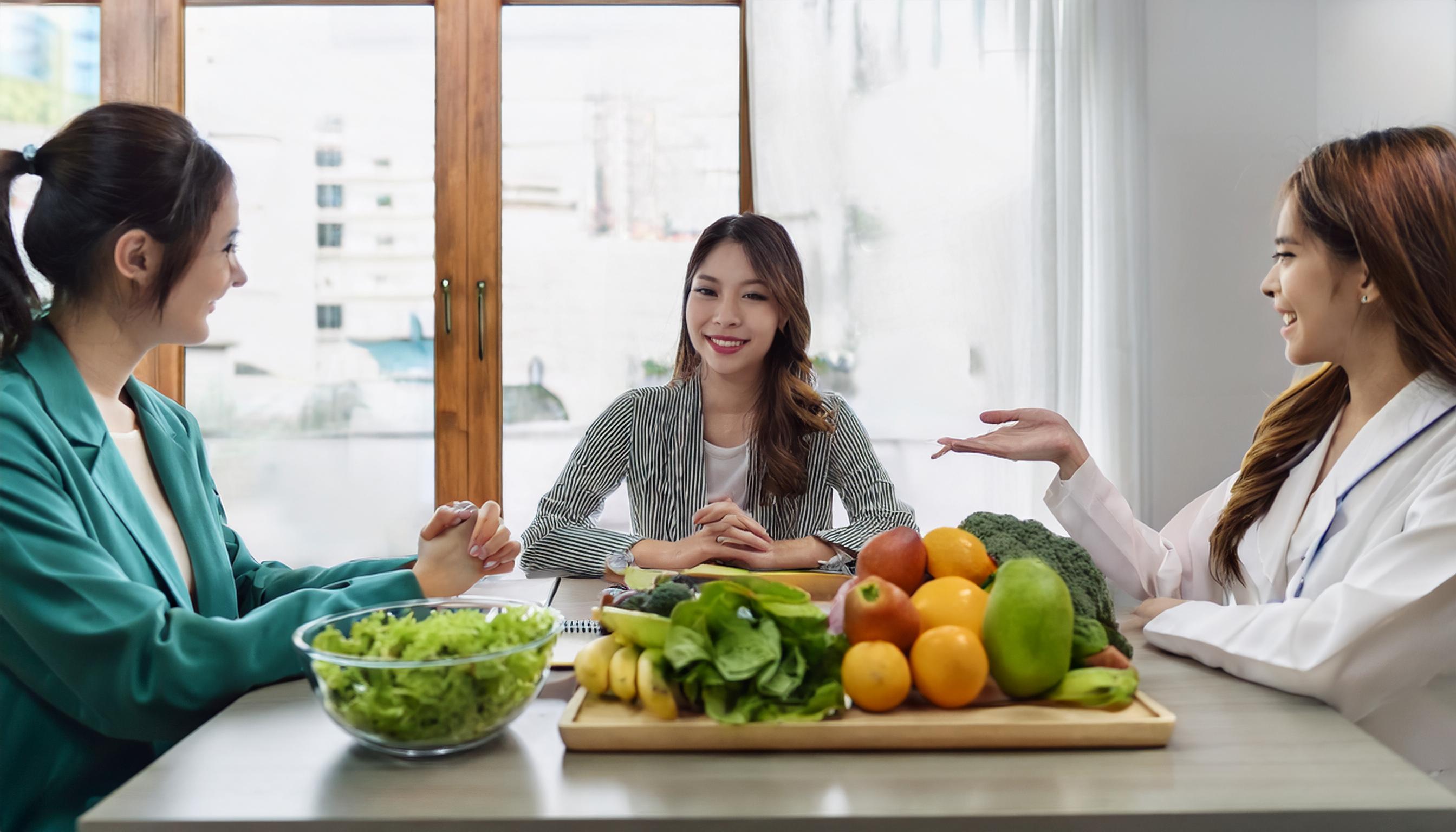
Effective coaching depends on active listening, clear communication, respect for client preferences, collaborative goal setting, privacy, and realistic expectations.
Effective coaching depends on active listening, clear communication, respect for client preferences, collaborative goal setting, privacy, and realistic expectations.

5. Skills
Nutrition Coaches can help generally healthy clients clarify goals, understand eating patterns, identify barriers, and build sustainable habits while staying within a non-clinical scope of practice.
- Professional practice: Apply evidence-informed nutrition education, ethical communication, and clear scope-of-practice boundaries.
- Professional practice: Apply evidence-informed nutrition education, ethical communication, and clear scope-of-practice boundaries.
- Professional practice: Apply evidence-informed nutrition education, ethical communication, and clear scope-of-practice boundaries.
Nutrition Coaches can help generally healthy clients clarify goals, understand eating patterns, identify barriers, and build sustainable habits while staying within a non-clinical scope of practice.

6. Skills
Nutrition Coaches can support general nutrition education and healthy behavior change, but disease management and medical nutrition therapy require appropriately qualified healthcare or dietetics professionals.
Nutrition Coaches can support general nutrition education and healthy behavior change, but disease management and medical nutrition therapy require appropriately qualified healthcare or dietetics professionals.

7. Skills
This section of 10 Essential Skills for Becoming a Professional Nutrition Coach explains practical considerations for Nutrition Coaching, emphasizing evidence-informed education, ethical communication, sustainable behavior change, and appropriate professional boundaries.
- Research literacy: Evaluate nutrition information critically and prioritize credible, current evidence.
- Professional practice: Apply evidence-informed nutrition education, ethical communication, and clear scope-of-practice boundaries.
- Credentials: Represent course certificates accurately and do not imply regulated clinical authorization that they do not confer.
Research literacy helps Nutrition Coaches distinguish stronger evidence from trends, misinformation, and unsupported claims, and encourages appropriate referral when questions exceed their scope.

8. Skills
Nutrition Coaches can help generally healthy clients clarify goals, understand eating patterns, identify barriers, and build sustainable habits while staying within a non-clinical scope of practice.
The Academy of Medical Sciences, Vietnam provides education and professional-development activities in health and nutrition. Prospective learners should evaluate the current curriculum, faculty, practical components, certification, and course requirements.

9. Skills
Nutrition Coaches can help generally healthy clients clarify goals, understand eating patterns, identify barriers, and build sustainable habits while staying within a non-clinical scope of practice.
The course at the Academy of Medical Sciences, Vietnam can combine theoretical learning with supervised practical exercises in communication, case discussion, nutrition education, and behavior-change coaching.

10. Skills
Nutrition Coaches can help generally healthy clients clarify goals, understand eating patterns, identify barriers, and build sustainable habits while staying within a non-clinical scope of practice.

Nutrition Coaches can help generally healthy clients clarify goals, understand eating patterns, identify barriers, and build sustainable habits while staying within a non-clinical scope of practice.
Conclusion
Effective coaching depends on active listening, clear communication, respect for client preferences, collaborative goal setting, privacy, and realistic expectations.


 Tham gia ngay
