
From Herbal Preparation Training to a Herbal Tea Business
Herbal Preparation training can provide foundations in plant identification, processing, quality, safety, and product development for people interested in herbal tea. Building a commercial brand additionally requires evidence, food-safety controls, compliant manufacturing, labeling, marketing, and regulatory approval where applicable.
Herbal materials have a longstanding place in Vietnamese traditional medicine and food culture. Modern herbal-product development increasingly combines traditional knowledge with botanical identification, processing science, quality control, safety, evidence, and regulation. The Academy of Medical Sciences, Vietnam offers education relevant to herbal preparation and product development.
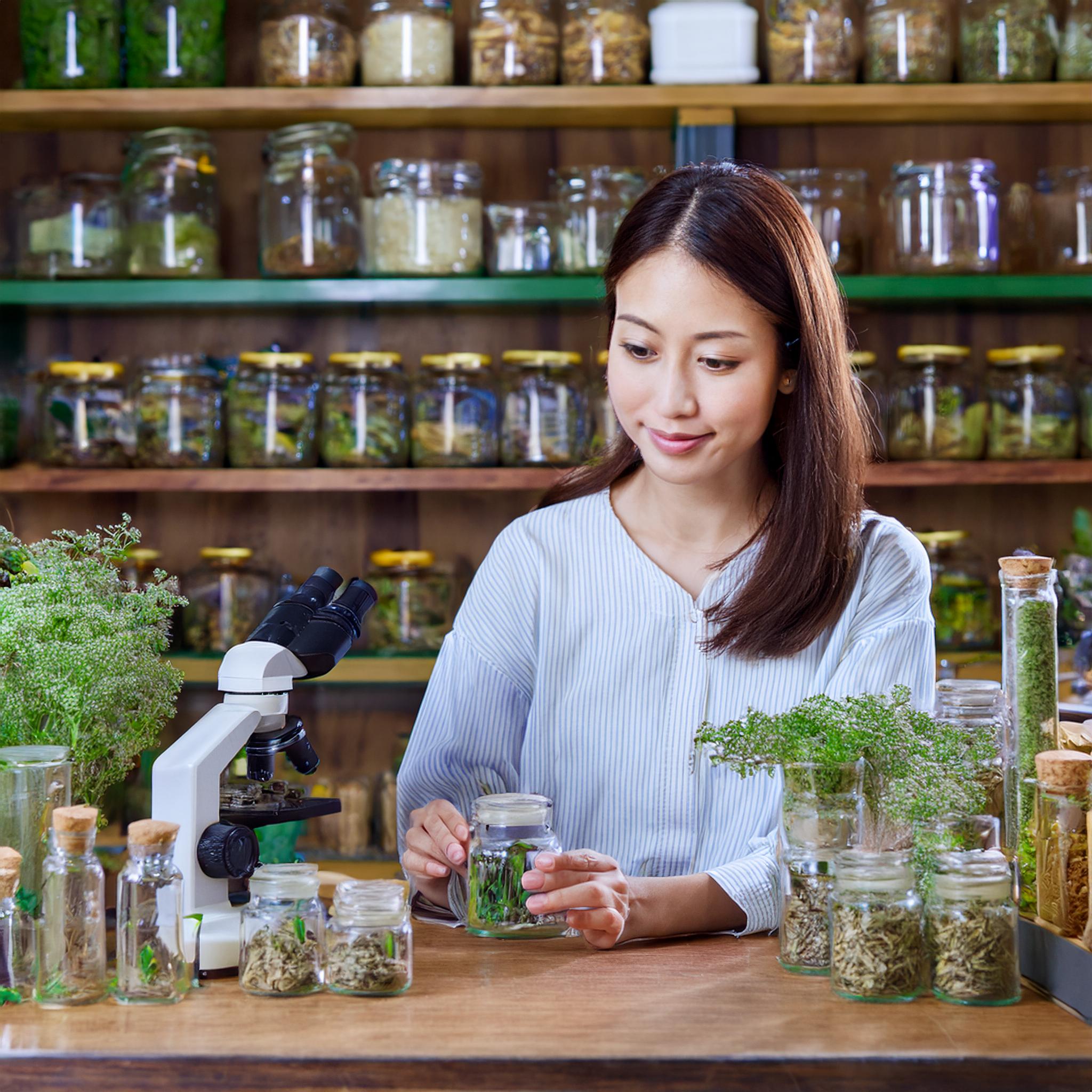
Herbal Preparation training can help learners understand processing methods and may provide foundations for developing products such as herbal teas. Entrepreneurship, however, requires substantial additional work in sourcing, food safety, manufacturing, testing, compliance, branding, and distribution.
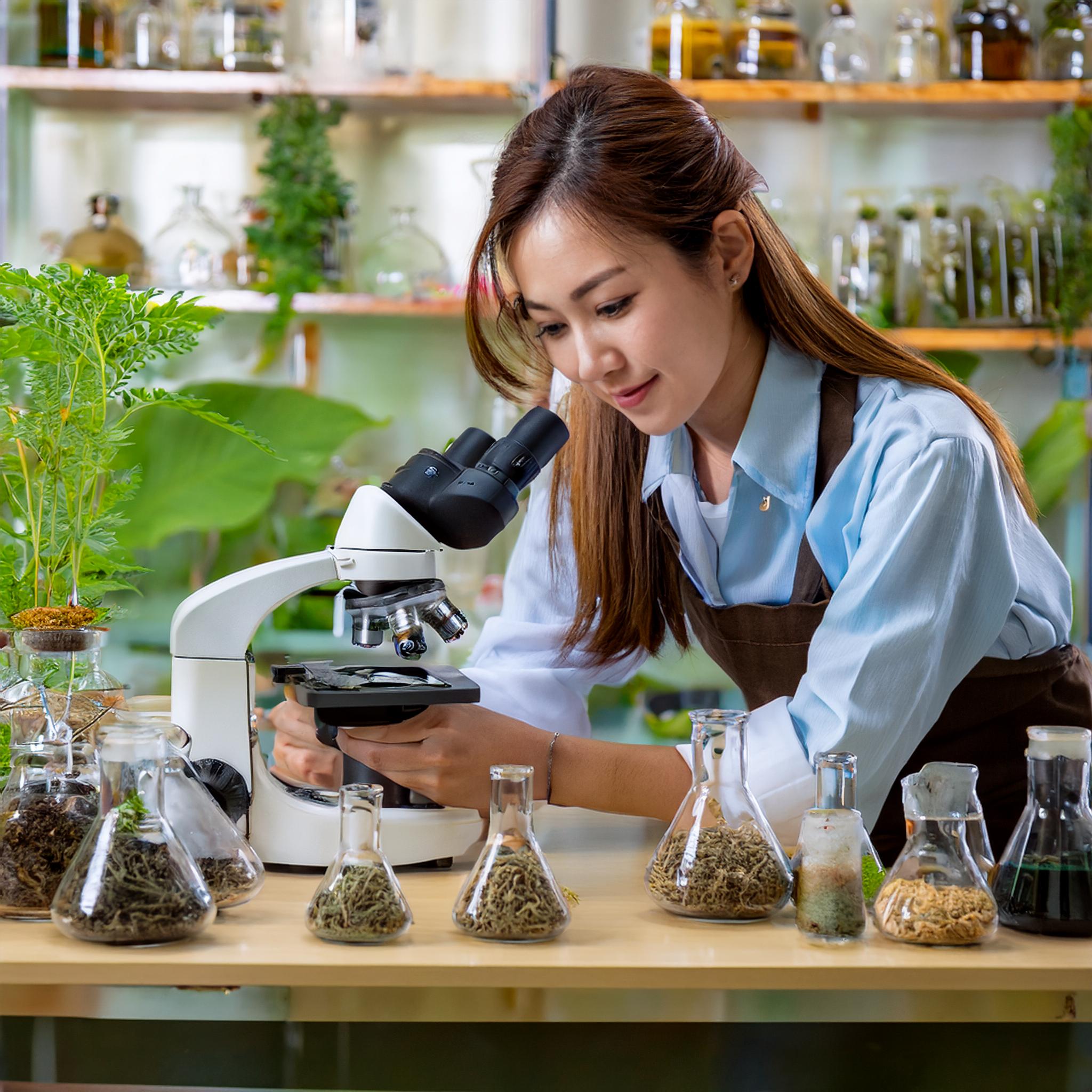
Herbal Preparation Course at the Academy of Medical Sciences, Vietnam
The Academy of Medical Sciences, Vietnam provides educational activities related to herbal preparation and applied health sciences. Learners should evaluate current faculty, curriculum, practical components, facilities, and certification according to their goals.
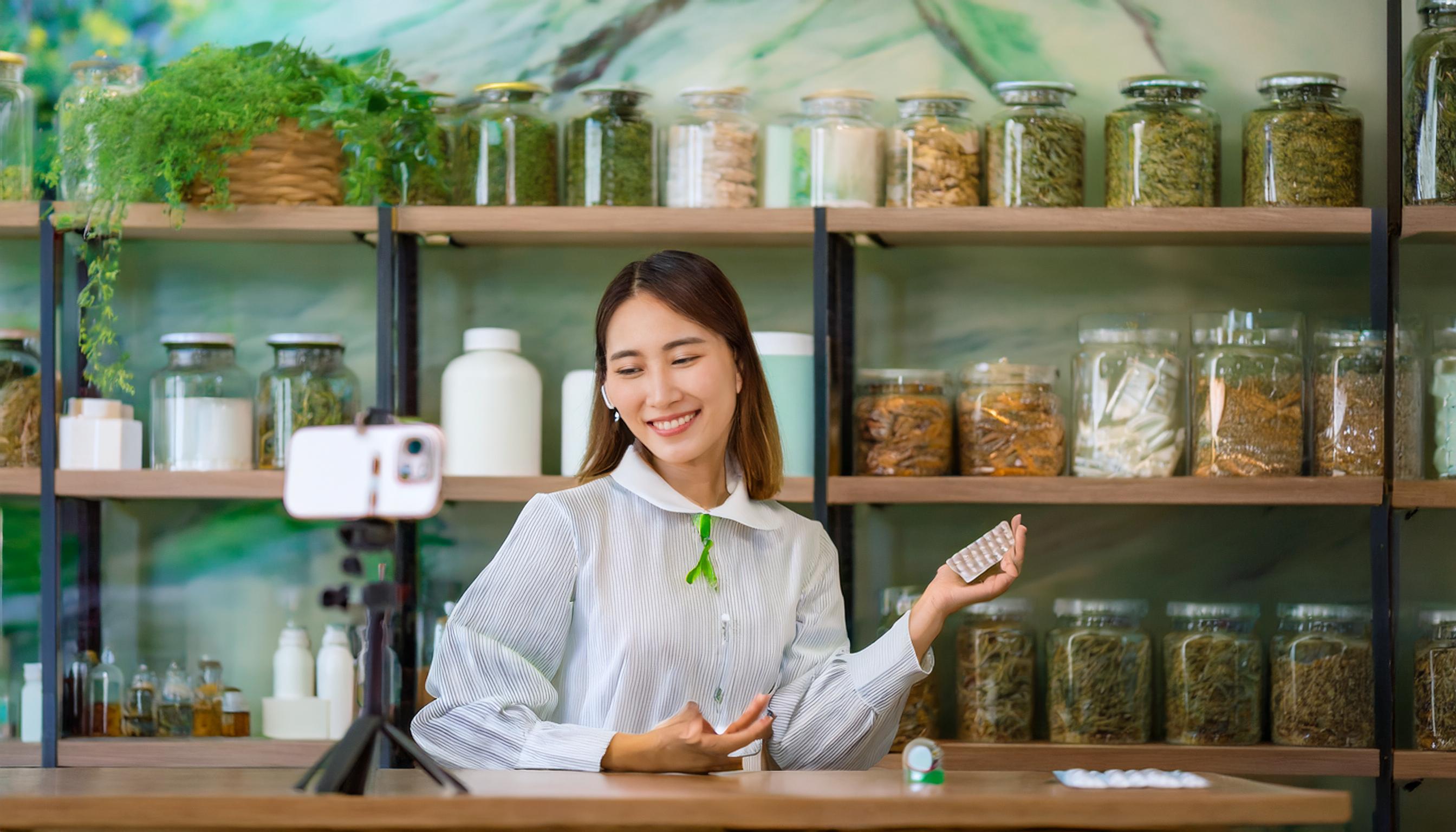
The Herbal Preparation course is intended for people interested in medicinal plants, processing methods, quality, and product development. Clinical prescribing or disease treatment requires separate regulated healthcare qualifications.
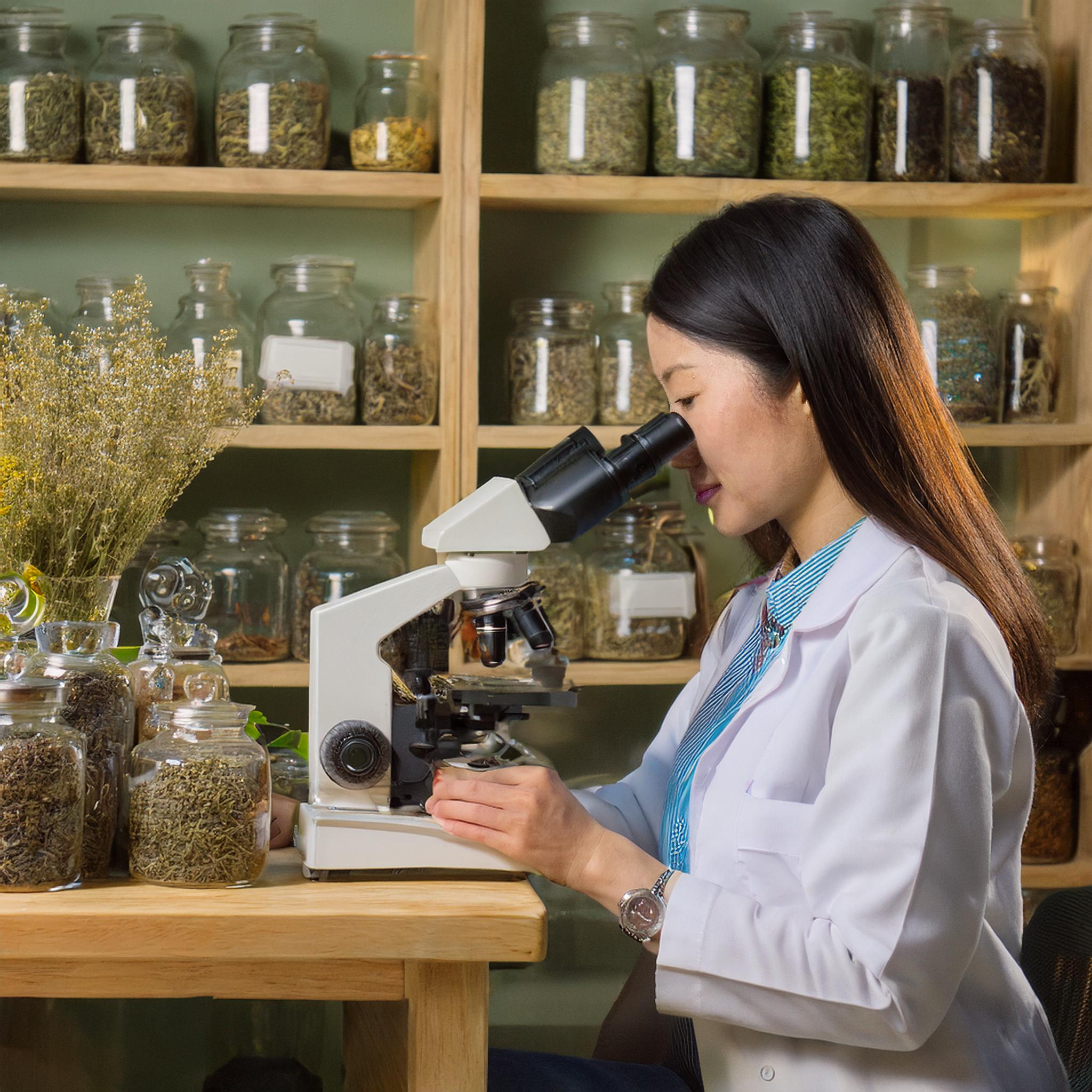
The curriculum may include topics such as:
- Medicinal and culinary plants: Identification, traditional uses, evidence, safety, and appropriate terminology.
- Herbal processing: Harvesting, preliminary processing, drying, storage, extraction concepts, and preparation of selected product formats.
- Safety and evidence: Contraindications, interactions, contaminants, quality specifications, and distinguishing traditional use from clinical evidence.
- Practical applications: Supervised exercises relevant to herbal teas or other non-clinical products.
- Herbal tea business development: Product concept, sourcing, branding, marketing, distribution, and regulatory considerations.
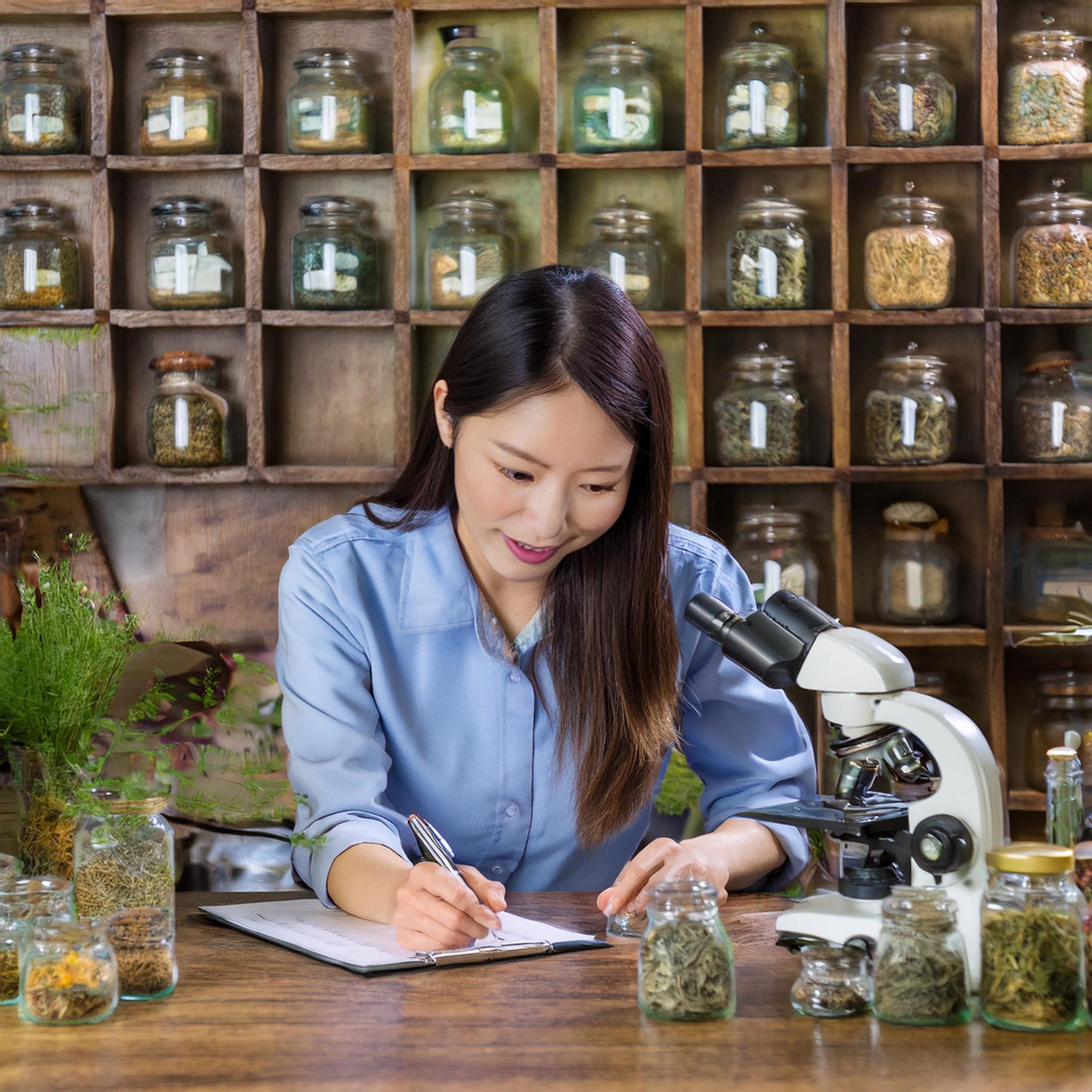
Development of the Herbal Tea Sector
Herbal teas are beverages made from various plant materials and have attracted consumer interest alongside broader wellness and natural-product trends. Their properties depend on the specific ingredients and preparation. They should not be marketed as treating digestive, cardiovascular, diabetic, or other diseases unless such claims are legally permitted and supported by appropriate evidence.
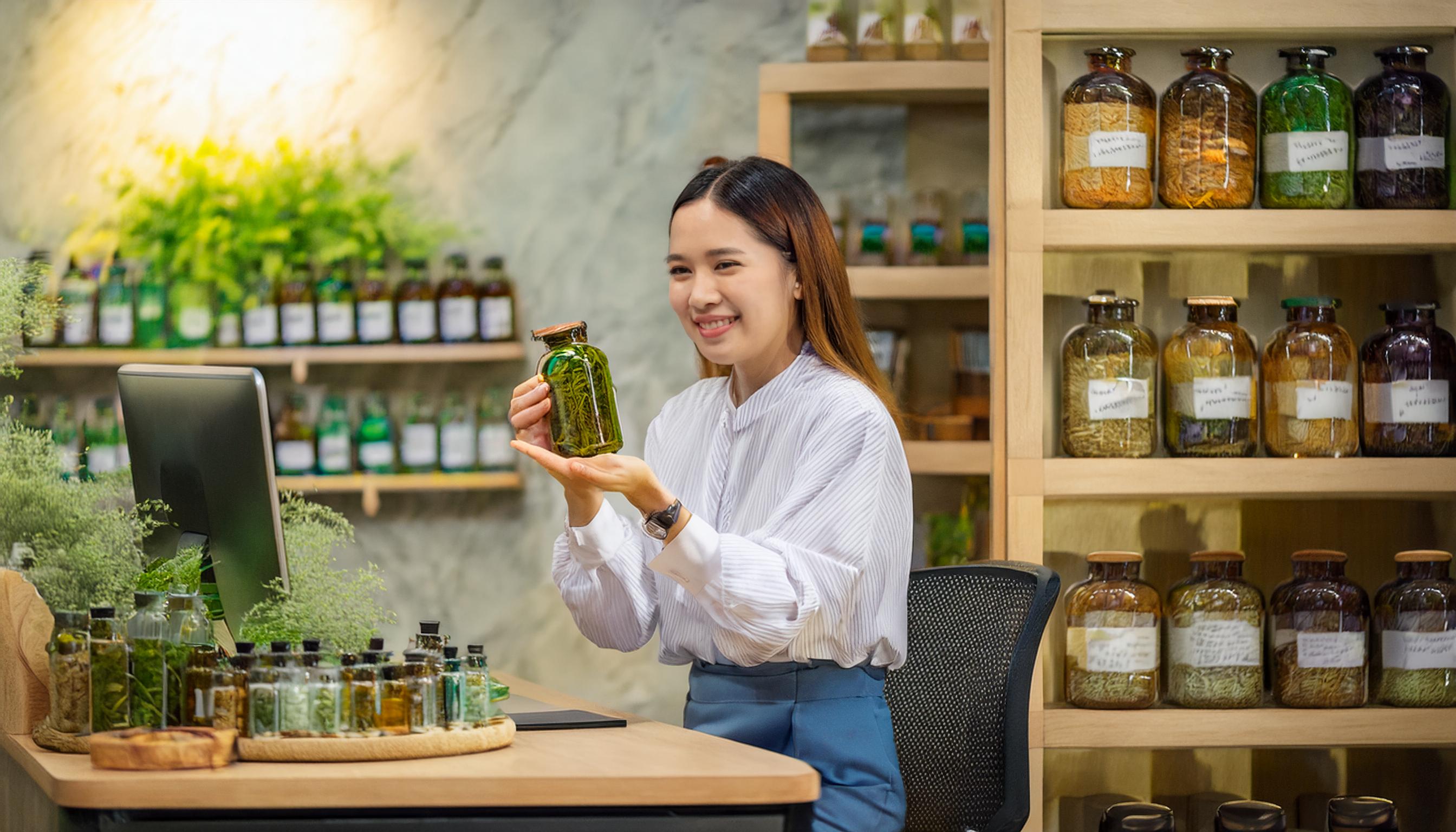
Consumer interest in natural-origin products can create commercial opportunities, but market demand does not establish therapeutic efficacy. Businesses need consistent raw-material quality, contamination controls, appropriate testing, compliant labeling, and responsible claims.

Illustrative Herbal Tea Business Concepts
Learners may develop different herbal-tea concepts after training, but specific claims that former students created nationally successful 'empires' should be independently verified before publication. The following examples are best understood as illustrative business concepts rather than verified endorsements.
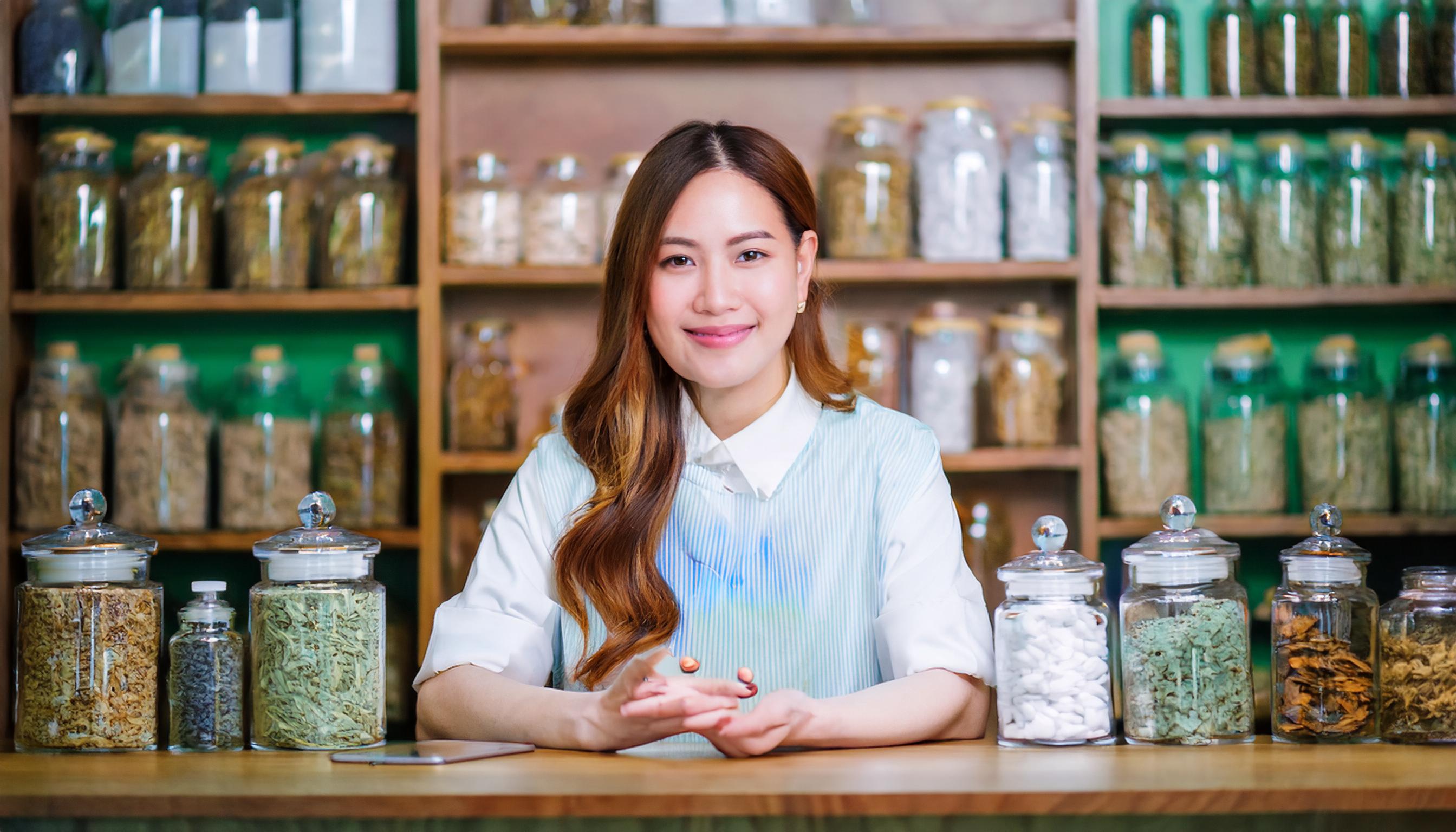
- Natural Herbal Tea concept: A premium tea line emphasizing traceable botanical ingredients, sensory quality, and transparent labeling.
- Vietnamese Botanical Tea concept: A range built around Vietnamese plant traditions while avoiding unapproved disease-treatment or weight-loss claims.
- Healthy-Aging Tea concept: Products designed for older consumers with careful ingredient safety, interaction warnings, and responsible wellness positioning rather than medical promises.
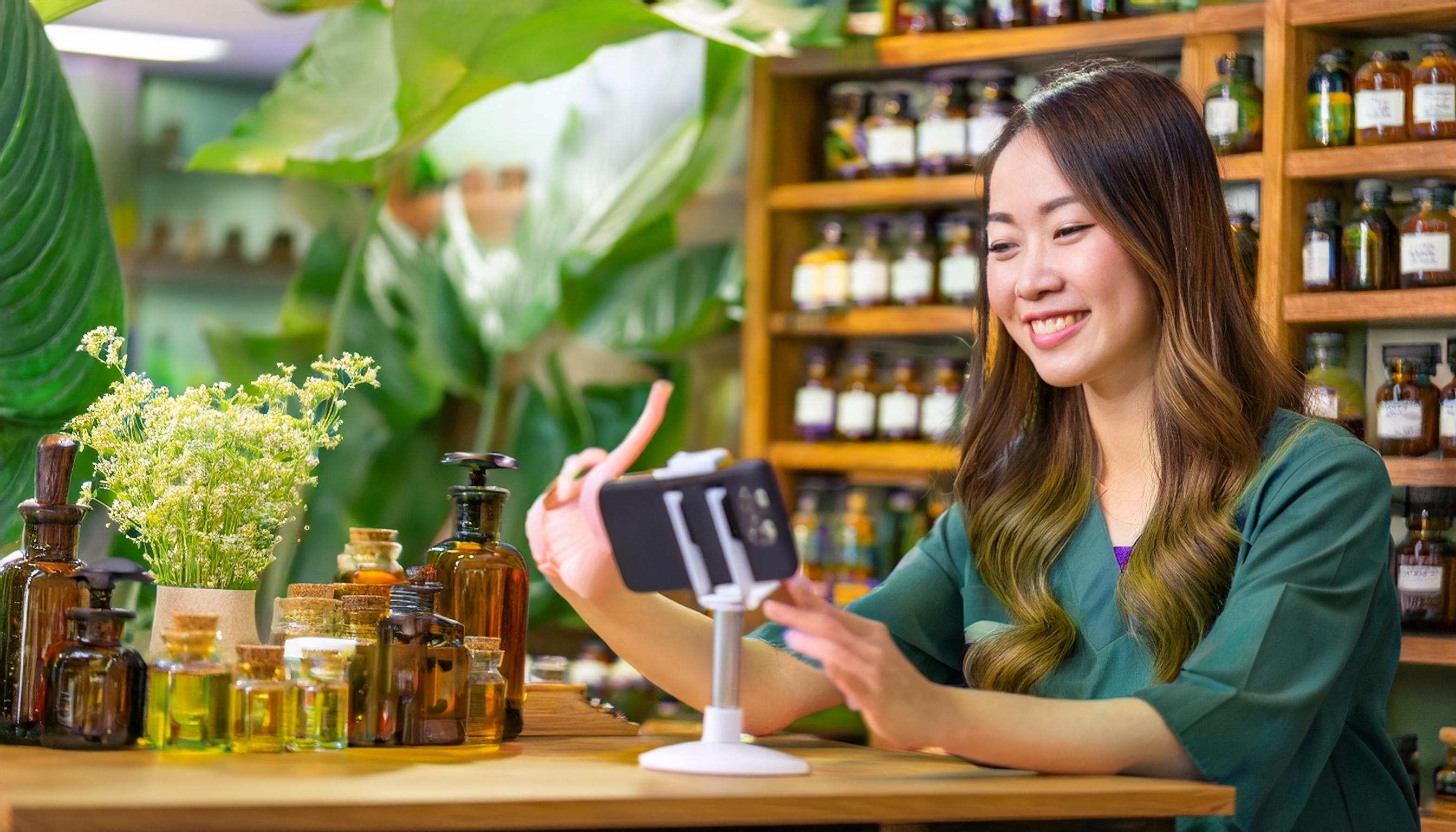
Factors That Can Support a Herbal Tea Business
Commercial success depends on multiple factors, including:
- Technical formulation and processing: Standardized procedures can improve consistency and quality.
- Responsible ingredient sourcing: 'Natural' does not automatically mean safe; specifications, contaminants, interactions, and storage must be controlled.
- Brand and marketing strategy: Clear positioning and responsible evidence-based claims help build long-term trust.
- Customer relationships: Provide accurate preparation and product-use information without offering unqualified medical advice.
Conclusion
Herbal Preparation training at the Academy of Medical Sciences, Vietnam can provide useful foundations for people interested in herbal tea and natural-product development. Building a sustainable business additionally requires reliable sourcing, food safety, product testing, compliant manufacturing and labeling, responsible claims, marketing, distribution, and continuous quality management.

 Tham gia ngay
