
Health Coaches: Supporting Positive Change
As busy and stressful lifestyles make sustainable health habits more difficult, Health Coaches are receiving greater attention for their role in supporting behavior change, goal setting, accountability, and general wellness.
As busy and stressful lifestyles make sustainable health habits more difficult, Health Coaches are receiving greater attention for their role in supporting behavior change, goal setting, accountability, and general wellness. They can help clients work on everyday habits related to nutrition, physical activity, sleep, stress, and well-being, while referring medical or mental-health needs to appropriately qualified professionals.

Who Is a Health Coach?
Definition and Role
A Health Coach is a professional who uses coaching methods to support clients in setting goals and developing sustainable health-related behaviors. Depending on training and scope, this may include general nutrition education, physical activity, sleep, stress management, and lifestyle routines. Health Coaches do not diagnose or treat chronic diseases unless they separately hold the professional qualifications and legal authority required to do so.
Areas of Practice
Health Coaches may work across several general wellness areas, depending on their training and professional scope:
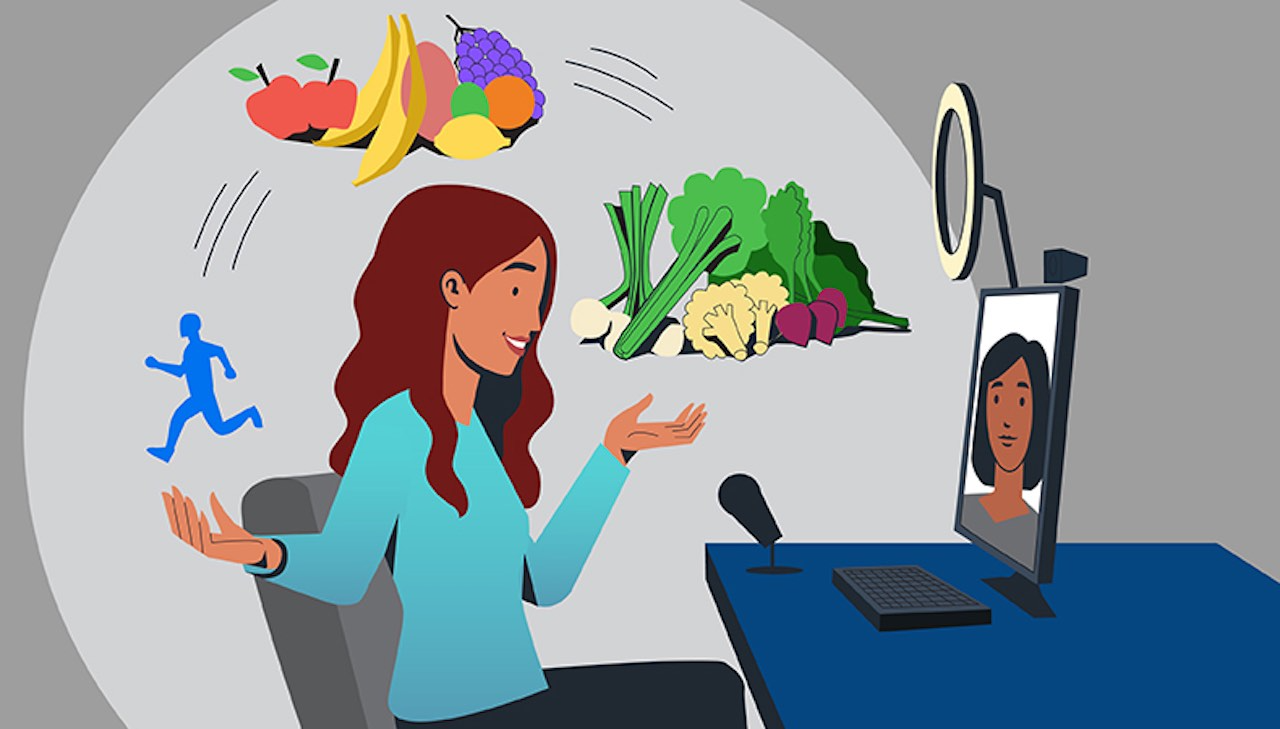
- Nutrition and eating behaviors: Provide general education about balanced eating and help clients develop practical food-related habits within the coach's scope.
- Physical activity: Support clients in setting appropriate activity goals and building consistent movement habits. Exercise prescription for medical conditions or specialized performance needs may require appropriately qualified professionals.
- General well-being: Support non-clinical stress-management, sleep, and work-life routines, while referring mental-health concerns to qualified professionals when needed.
Benefits of Working with a Health Coach
Supporting Physical Health
Health Coaches can help clients set realistic physical-activity and lifestyle goals, identify barriers, and maintain accountability. For goals such as weight management or improved fitness, coaches can support sustainable habits, while clients with medical risks or complex conditions should receive appropriate clinical assessment and care.
Supporting Mental Well-Being
Health Coaches can support general stress-management and well-being practices such as relaxation routines, mindfulness, sleep habits, and work-life balance. They should not diagnose or treat mental-health disorders unless separately qualified to do so, and should refer clients when clinical mental-health care is needed.

Personalized Support
Each client has different goals, circumstances, preferences, and health considerations. Health Coaches can personalize coaching conversations and behavior-change strategies around these factors, while medical recommendations should remain with appropriately qualified healthcare professionals.
How Health Coaches Support Change
Building a Clear Plan
One important part of Health Coaching is helping clients translate broad intentions into clear, realistic actions. Plans may include short- and long-term goals, healthy lifestyle behaviors, accountability strategies, and ways to review progress.
Guidance and Motivation
Health Coaches provide more than information: they use coaching conversations, encouragement, accountability, and problem-solving to help clients navigate barriers and remain focused on personally meaningful goals.
Review and Adjustment
Monitoring progress is an important part of coaching. Coaches can review agreed behaviors and goals with clients and adjust coaching strategies as circumstances change. Medical treatment plans should only be changed by appropriately qualified clinicians.
Building Knowledge and Skills
Health Coaches can help clients develop practical skills for maintaining healthy routines, such as understanding general healthy-eating principles, planning physical activity, improving sleep routines, and managing everyday stress. The aim is to help clients become increasingly confident in maintaining sustainable behaviors after formal coaching ends.

Challenges in Health Coaching
Diverse Client Needs
Clients vary widely in their circumstances, goals, motivation, culture, preferences, and health status. Effective coaches need adaptable communication skills and must recognize when a client's needs fall outside their scope.
The Difficulty of Changing Habits
Changing long-established habits can be difficult and often requires patience. Coaches can help clients identify barriers, experiment with realistic strategies, and recover constructively from setbacks.
Maintaining Client Motivation
Motivation naturally changes over time. Coaches can support consistency by helping clients set achievable milestones, recognize progress, reconnect with personal values, and adjust goals when needed.
Working Alongside Chronic-Disease Care
Clients with diabetes, hypertension, cardiovascular disease, or other chronic conditions require appropriate medical care. Health Coaches may complement that care by supporting agreed lifestyle behaviors, but they should coordinate with qualified healthcare professionals and must not independently diagnose, prescribe treatment, or alter medical plans.
The Future of Health Coaching
Growth of the Profession
Interest in Health Coaching is growing alongside greater attention to lifestyle-related risk factors, preventive health, and behavior change. The exact role of a Health Coach varies by setting and jurisdiction, and responsible practice requires clear boundaries with regulated healthcare professions.
Technology in Coaching
Technology can support Health Coaching through activity trackers, wearable devices, video sessions, digital journals, and online coaching platforms. These tools can improve convenience and remote access, but coaches should also consider privacy, data quality, informed consent, and the limitations of consumer health devices.
Training and Certification
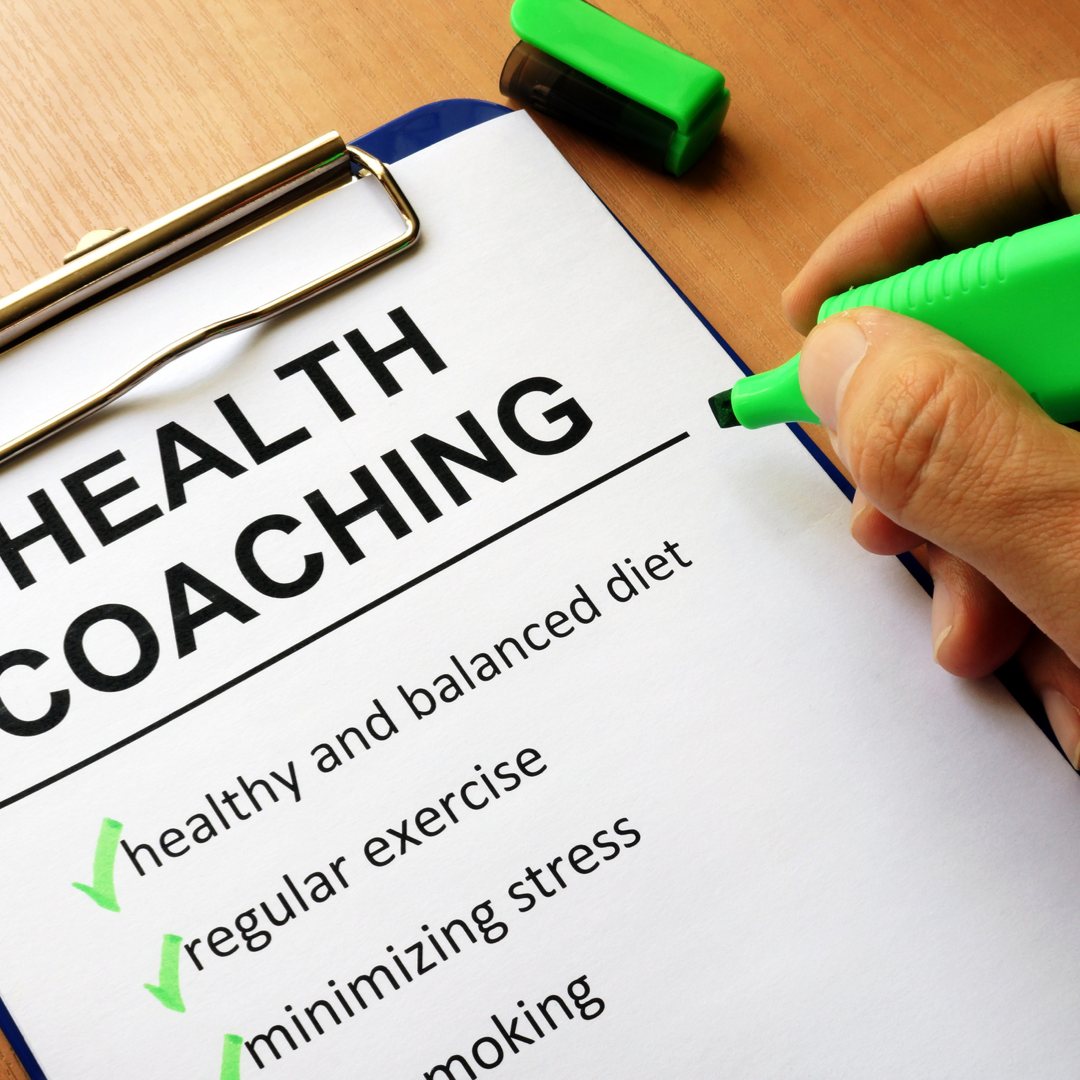
Education and certification are receiving increasing attention as the profession develops. Quality training can strengthen knowledge, coaching skills, ethics, referral practices, and professional boundaries. The meaning and recognition of any certificate depends on the issuing organization, employer expectations, and local regulations.
Challenges and Opportunities
Health Coaching offers professional opportunities but also faces challenges, including growing competition, evolving evidence, varied regulatory environments, and the need for ongoing professional development. Coaches must continually improve their knowledge and communication skills.
With commitment, ethical practice, and continued learning, Health Coaches can provide meaningful support for clients working toward healthier and more sustainable daily behaviors.

Conclusion
Health Coaches can support meaningful change by helping clients set goals, build healthier routines, strengthen motivation, and develop sustainable behaviors. Their value is greatest when they practice within clear professional boundaries and collaborate appropriately with healthcare professionals.
Looking ahead, Health Coaching is likely to continue evolving alongside digital tools, preventive-health initiatives, and greater interest in behavior change. Strong education, ethical standards, evidence-informed practice, and appropriate referral will be central to the profession's continued development.

 Tham gia ngay
