
Herbal Preparation Course
Growing interest in herbal products has increased the need for sound knowledge of herbal materials, preparation methods, quality control, safety, and regulation. The Herbal Preparation Course at the Academy of Medical Sciences, Vietnam introduces these areas through theoretical and practical learning.
Growing interest in herbal products has increased the need for sound knowledge of herbal materials, preparation methods, quality control, safety, and regulation. The Herbal Preparation Course at the Academy of Medical Sciences, Vietnam introduces these areas through theoretical and practical learning. Herbal products can carry real risks, so preparation, dosing, therapeutic use, and manufacturing should follow applicable professional, scientific, and regulatory standards.
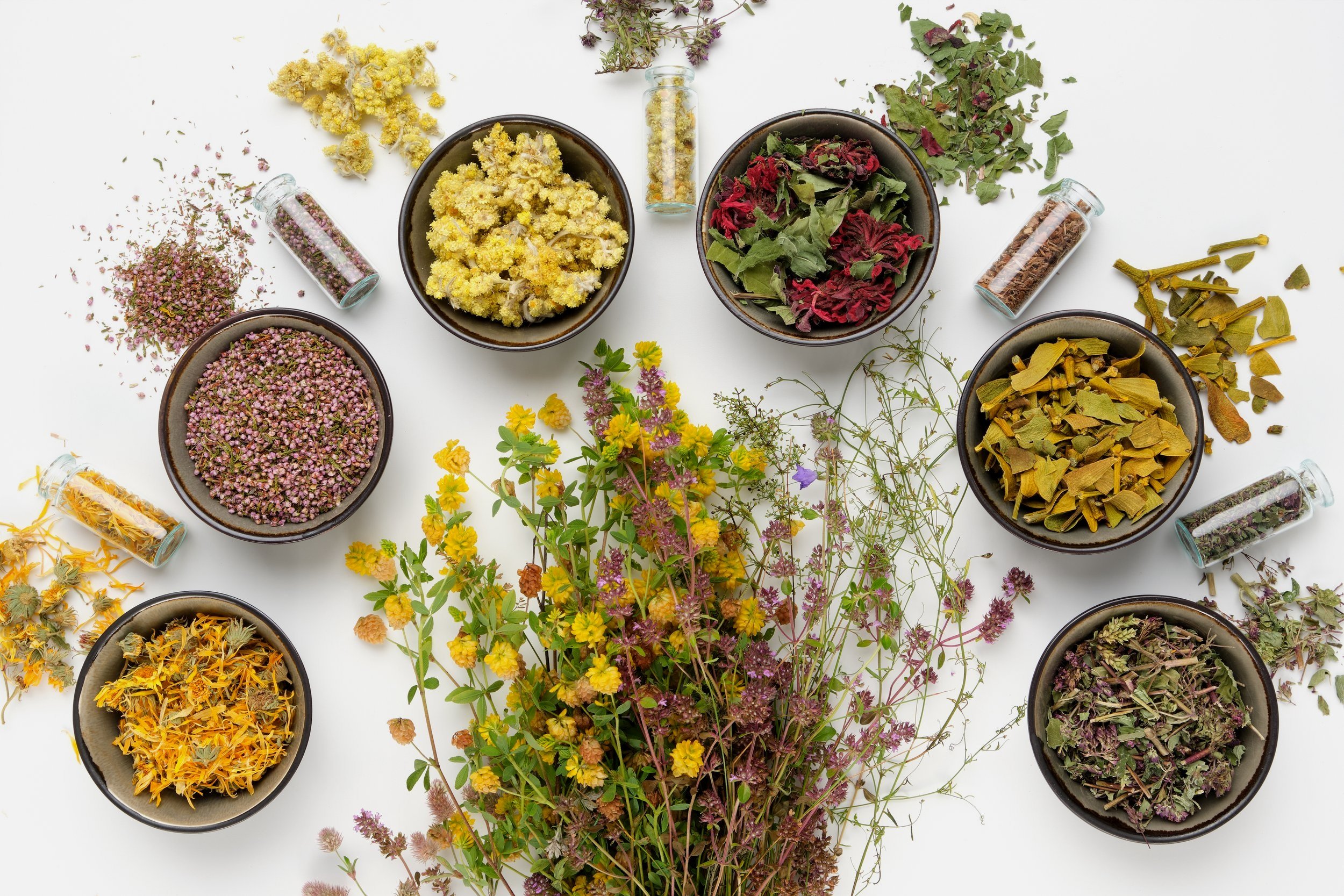
1. About the Academy of Medical Sciences, Vietnam
The Academy of Medical Sciences, Vietnam provides education and research activities related to traditional medicine, health sciences, and evidence-informed practice. Its teaching activities may include the study of herbal materials, preparation methods, and quality considerations.
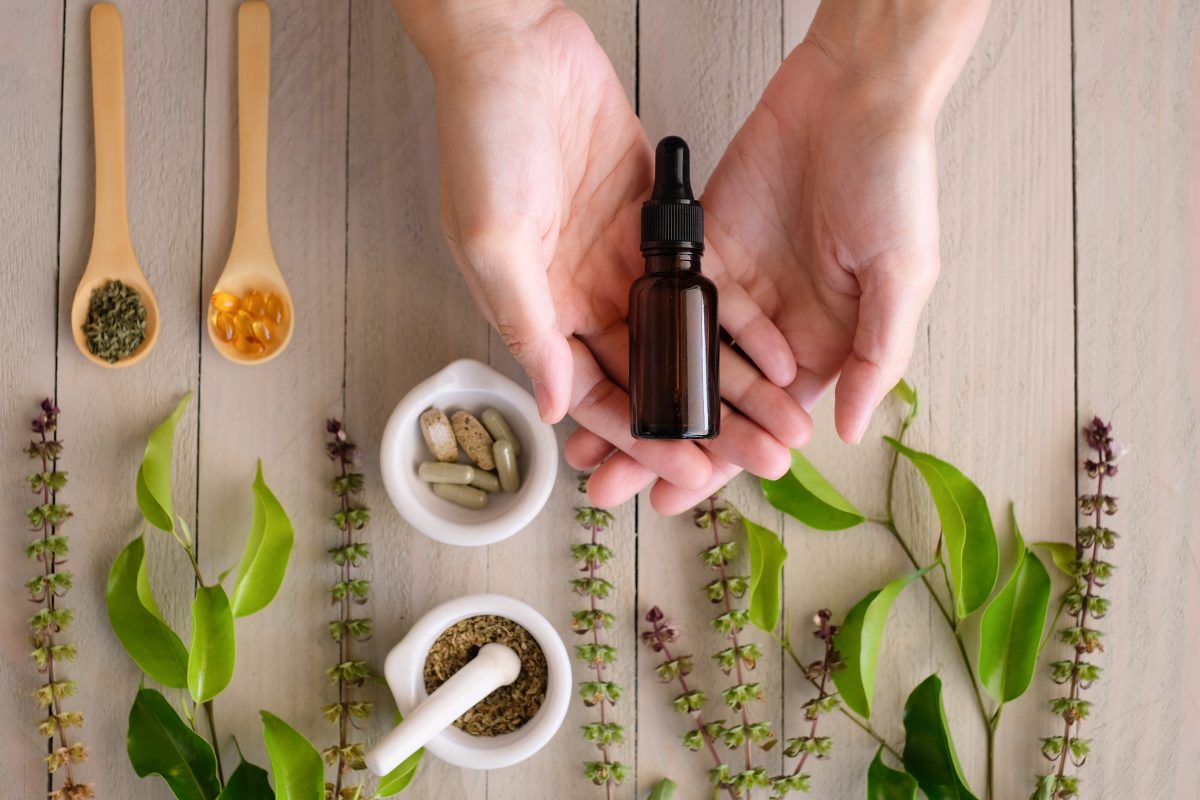
The Herbal Preparation Course is designed to provide a structured foundation in herbal materials, preparation methods, quality control, safety, and practical processing. It should not be interpreted as independently authorizing learners to manufacture or prescribe medicinal products where professional or regulatory approval is required.
2. Course Objectives
The Herbal Preparation Course aims to develop practical and theoretical understanding of herbal materials and preparation. Learners may develop the ability to:
- Understand common herbal materials, their characteristics, traditional uses, and relevant scientific considerations.
- Learn basic and intermediate herbal preparation methods.
- Understand how scientific and quality-control principles apply to herbal processing.
- Learn from lecturers and practitioners with relevant backgrounds in herbal materials and traditional medicine.
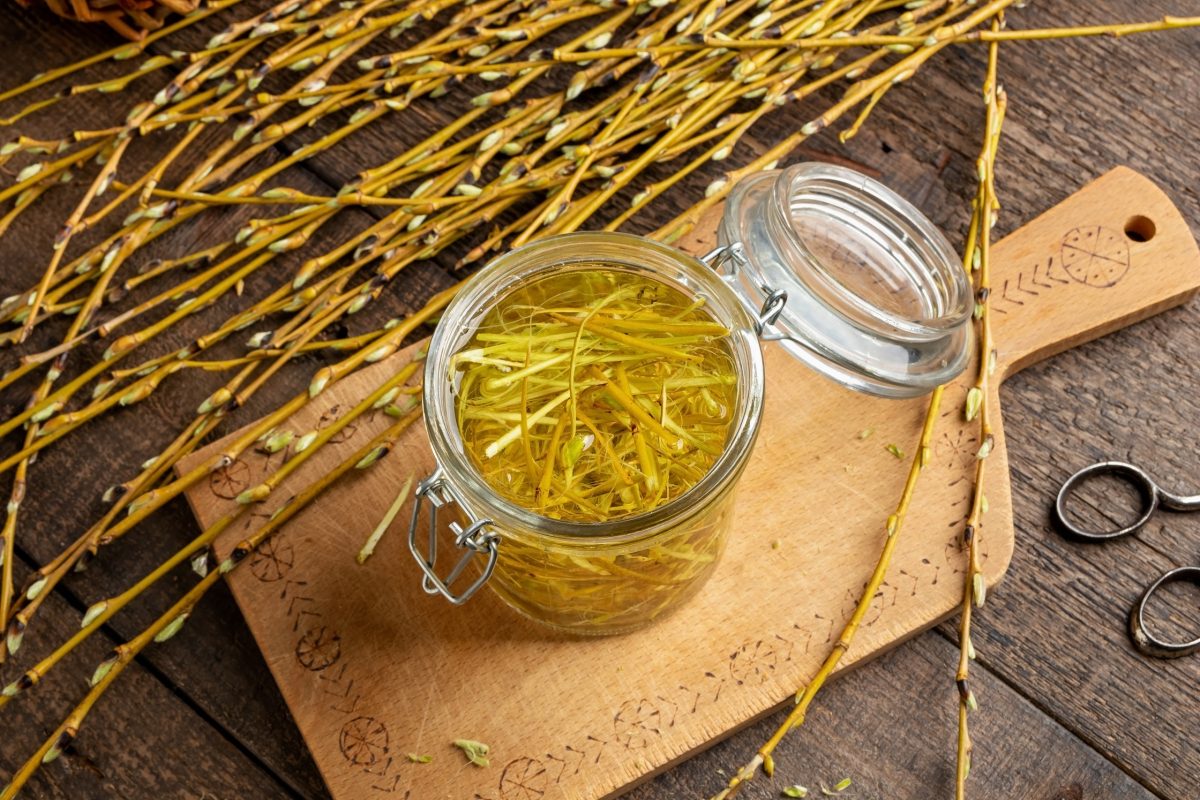
3. Course Content
The course includes theoretical and practical topics related to herbal materials, processing, quality, and safety. Content may include:
3.1. Introduction to Herbal Materials
The course introduces commonly used herbal materials, their identifying characteristics, traditional uses, and relevant scientific considerations. Therapeutic claims should be evaluated according to evidence and applicable regulation.
Specific topics may include:
- Botanical and chemical characteristics of herbal materials.
- Traditional uses and available scientific evidence relating to selected herbs.
- Common herbal materials used in traditional formulations and preparation methods.
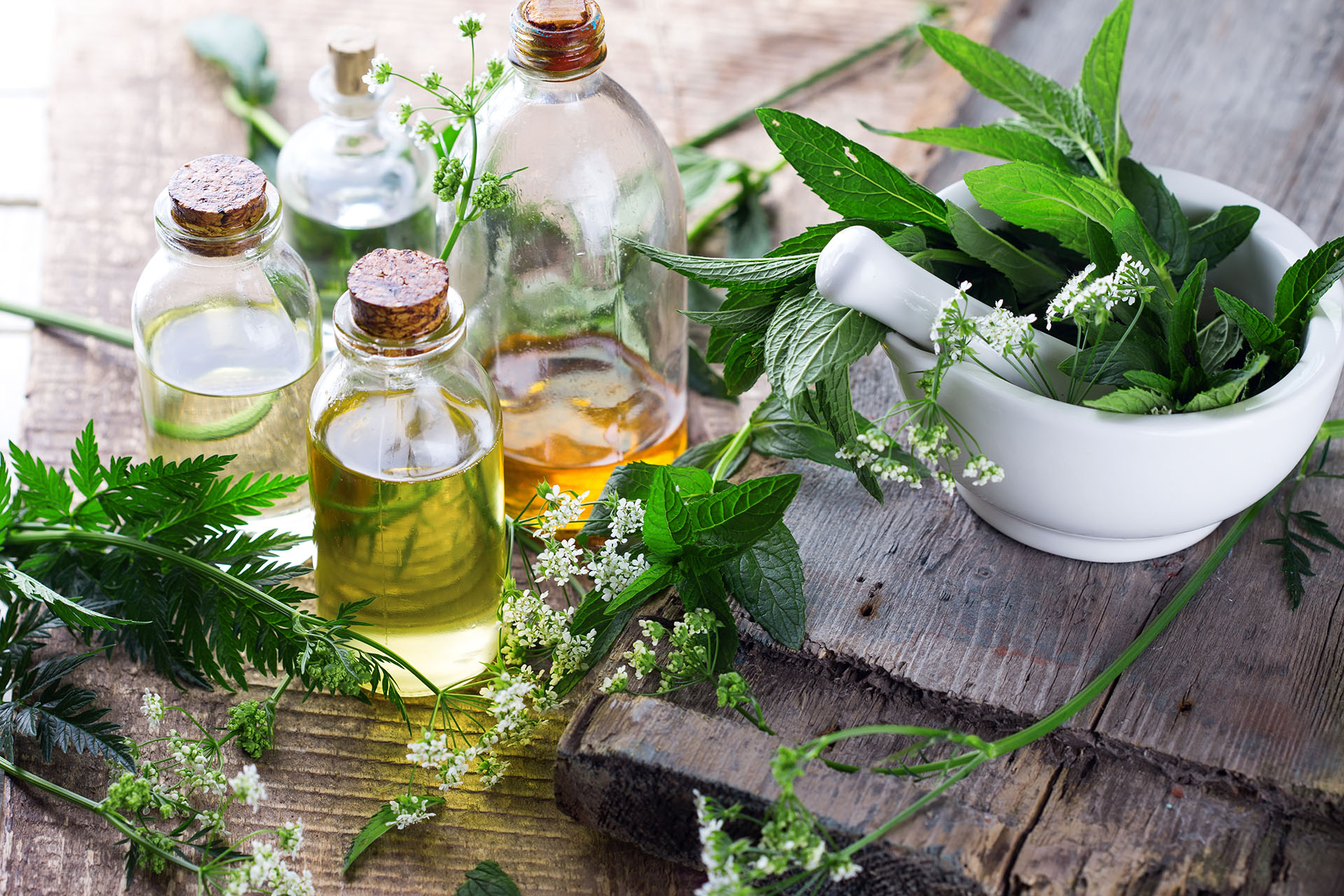
3.2. Herbal Preparation Methods
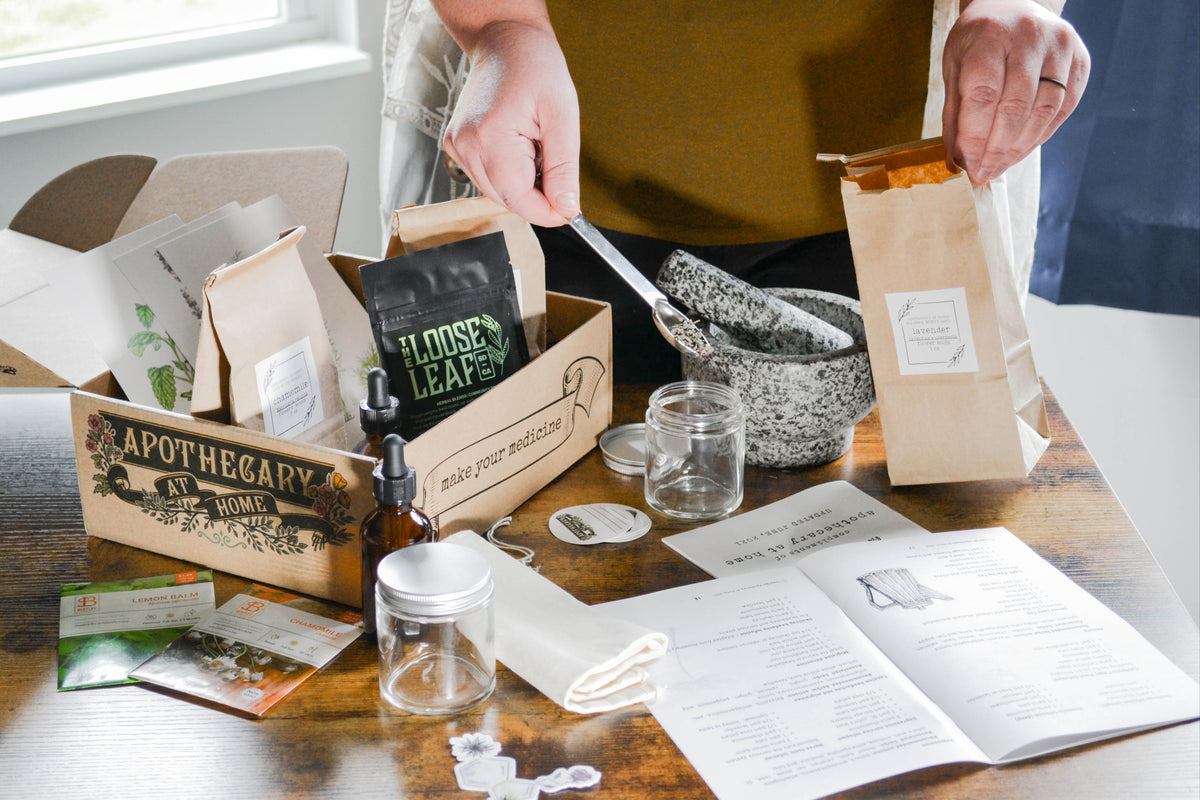
Herbal preparation involves transforming raw materials into forms suitable for further use. The course introduces traditional and modern methods such as decoction, maceration, extraction, powdering, and pill or granule preparation, with attention to safety, quality, and regulatory context.
- Decoction: Principles of preparing water-based herbal decoctions and factors that affect extraction.
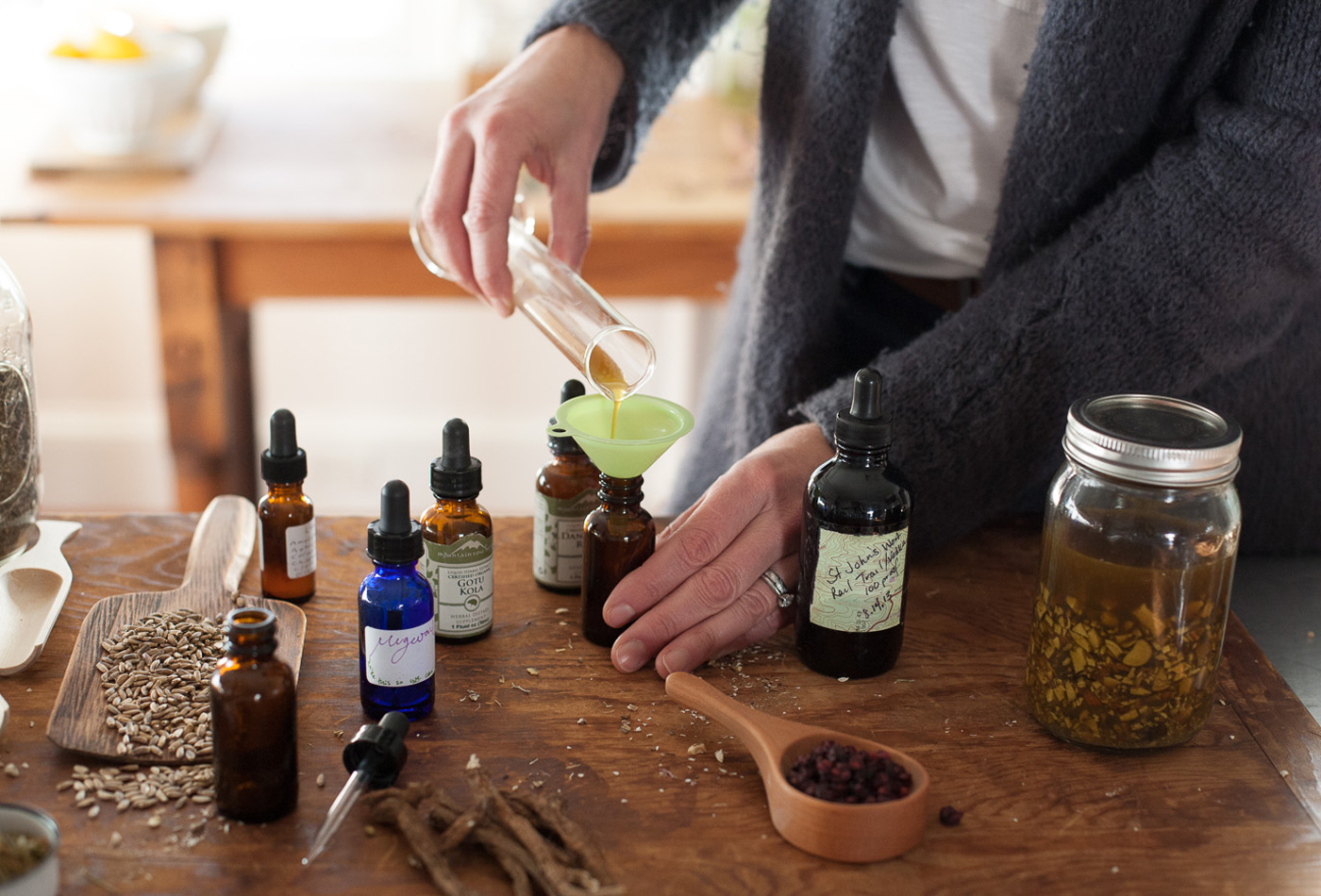
- Maceration and tincture-type preparations: Introduction to soaking or extracting herbal materials in appropriate solvents, with attention to safety and legal requirements.
- Herbal extraction: Basic principles of solvent extraction, steam-related techniques, and other extraction approaches.
- Powdering and solid preparation: Methods for producing powders and selected solid herbal dosage forms in an educational context.
3.3. Quality Control of Herbal Materials
An important part of the course is learning how herbal materials and products are assessed for identity, quality, contamination, deterioration, and consistency.
Quality-control approaches may include:
- Organoleptic examination, including appearance, color, odor, and other basic characteristics.
- Physicochemical and, where appropriate, biological quality indicators.
- Analytical methods for identifying selected constituents or markers in herbal materials.

3.4. Safety and Dosing Considerations
Safe herbal use requires knowledge of potential adverse effects, contraindications, interactions, variability in active constituents, and appropriate professional oversight. Dosing recommendations for treating disease should only be made by appropriately qualified and authorized professionals.
Learners are introduced to:
- General principles for safer herbal handling and use.
- Factors that influence dosing and why therapeutic dosing should be determined by qualified professionals.
- Potential risks of combining herbs, including adverse effects, interactions, and contraindications.
4. Teaching Methods
The Herbal Preparation Course at the Academy of Medical Sciences, Vietnam combines theoretical instruction with practical activities so learners can understand both foundational concepts and preparation methods.
Teaching emphasizes independent thinking, careful observation, practical technique, and appropriate use of scientific evidence. Instructors provide guidance within the scope of the course.
5. Benefits of the Course
Participation in the Herbal Preparation Course may offer several educational and professional-development benefits:
- Deeper knowledge: Develop a stronger understanding of herbal materials, preparation techniques, quality, and safety.
- Career development: The course may support further study or work in appropriately defined roles related to herbal materials, traditional medicine, education, or product development. Regulated healthcare or pharmaceutical roles require additional qualifications.
- Practical skills: Learners gain hands-on familiarity with selected preparation and quality-control techniques.
- Professional connections: Learners may connect with lecturers, peers, and professionals working in related areas.
6. Conclusion
The Herbal Preparation Course at the Academy of Medical Sciences, Vietnam provides structured education in herbal materials, processing methods, quality control, safety, and practical application. Learners interested in pharmaceutical production, clinical herbal medicine, or regulated manufacturing should also obtain the additional qualifications and authorizations required for those professional activities.

 Tham gia ngay
