
How to Become a Massage and Acupressure Technician
Massage and acupressure are widely used in traditional and wellness settings. Professional practice requires sound anatomical knowledge, practical technique, safety screening, infection control, clear scope of practice, and appropriate referral when clients have medical conditions.
Massage and acupressure are widely used in traditional and wellness settings. They may be used for relaxation, muscle comfort, and general well-being, but strong claims about treating chronic disease or replacing medical rehabilitation should be avoided unless supported by appropriate qualifications and evidence. Professional practice requires sound anatomical knowledge, practical technique, safety screening, infection control, clear scope of practice, and appropriate referral.
-20241120111137.jpeg)
The Academy of Medical Sciences, Vietnam offers training in massage and acupressure techniques. This article introduces the course structure, learning content, and professional-development considerations for learners interested in this field.
1. Academy of Medical Sciences, Vietnam: Structured Training in Massage and Acupressure
The Academy of Medical Sciences, Vietnam provides structured education related to massage, acupressure, traditional-health practices, and wellness. The program emphasizes theory, practical technique, safety, and professional boundaries.
2. Course Objectives
The Massage and Acupressure Techniques course is designed to help learners develop foundational knowledge and practical skills for safe, non-invasive massage and acupressure practice. Clinical treatment, rehabilitation, and management of medical conditions require appropriately qualified healthcare professionals.
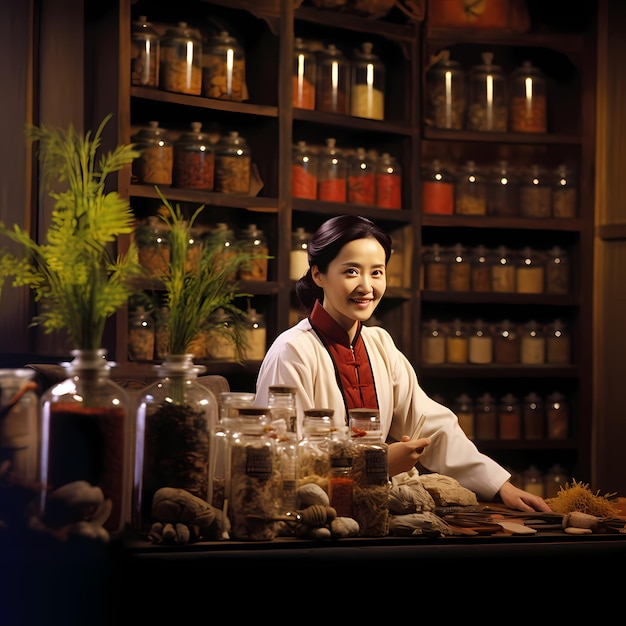
3. Who May Attend?
The course may be suitable for people interested in traditional wellness practices, massage and acupressure careers, or healthcare professionals seeking additional non-invasive technique knowledge within the boundaries of their existing qualifications.
4. Course Content
The program combines theory and practical training. Learners develop foundational knowledge, technique, safety awareness, and referral judgment. Course content may include:
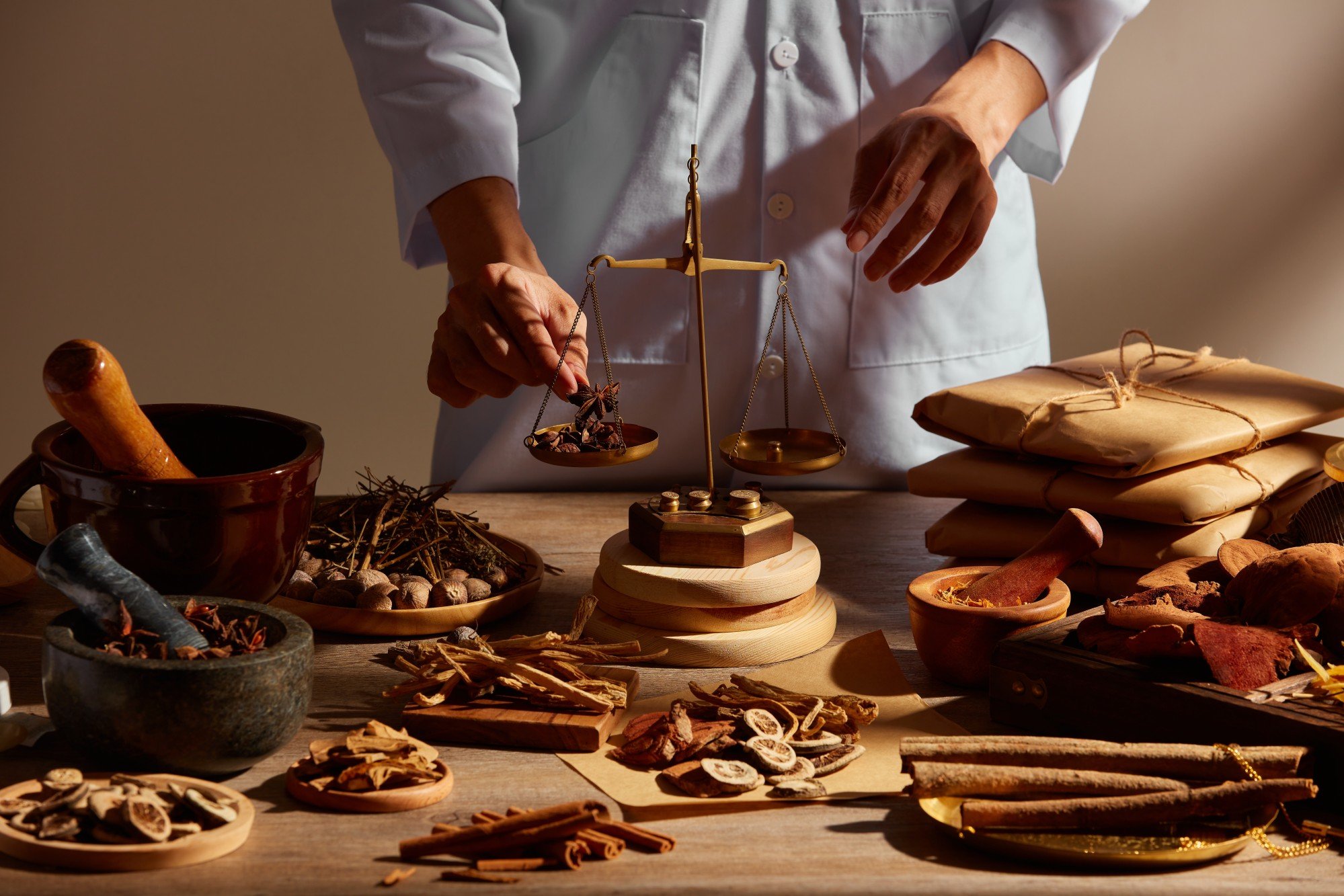
4.1. Foundations of Massage and Acupressure
- Introduction to massage and acupressure: Historical background and traditional concepts associated with these practices.
- Foundational principles: Basic anatomical, physiological, and traditional concepts relevant to safe massage and acupressure.
- Common acupressure points: Introduction to selected points and their traditional context, with emphasis on safe application rather than disease-treatment claims.
- Potential uses and limitations: Relaxation, muscle comfort, and general well-being, together with contraindications and situations requiring referral.
4.2. Basic Massage Techniques
- Body massage techniques: Introductory light, moderate, and selected deeper-pressure techniques appropriate to learner level.
- Core movements: Rubbing, kneading, rolling, pressing, tapping, and related movements.
- Safe technique: Body mechanics, pressure control, communication, contraindications, and stopping criteria to reduce risk.

4.3. Acupressure Techniques
- Basic acupressure: Using fingers or thumbs to apply controlled pressure to selected points.
- Pressure control: Learning appropriate force, duration, positioning, and client feedback rather than assuming stronger pressure produces better outcomes.
- Combining massage and acupressure: Integrating techniques for non-clinical relaxation and wellness sessions within scope.
4.4. Supportive Applications and Professional Boundaries
- Musculoskeletal discomfort: Massage and acupressure may be used for general comfort and relaxation, but persistent pain, injury, neurological symptoms, or suspected disease require clinical assessment.
- Headache, sleep difficulties, and stress: Non-clinical relaxation techniques may support comfort for some people; recurring or severe symptoms should be evaluated by qualified professionals.
- Digestive or respiratory complaints: These symptoms should not be treated independently through acupressure. Learners are taught to recognize when referral to healthcare professionals is appropriate.

4.5. Practical Training
- Supervised practice: Learners practice selected massage and acupressure techniques under instructor guidance.
- Case-based learning: Learners discuss safety, contraindications, client communication, and referral decisions in practical scenarios.
5. Benefits of the Course
The Massage and Acupressure Techniques course at the Academy of Medical Sciences, Vietnam may provide several practical benefits:
- Professional development: Completion of the course documents training undertaken, but eligibility to work in clinics, medical facilities, rehabilitation centers, or independent practice depends on local regulations and additional qualifications.
- Career options: Learners may explore roles in wellness centers, spas, traditional-health settings, or other appropriate environments.
- Community wellness: Graduates may provide non-clinical relaxation and wellness services within scope and applicable rules.
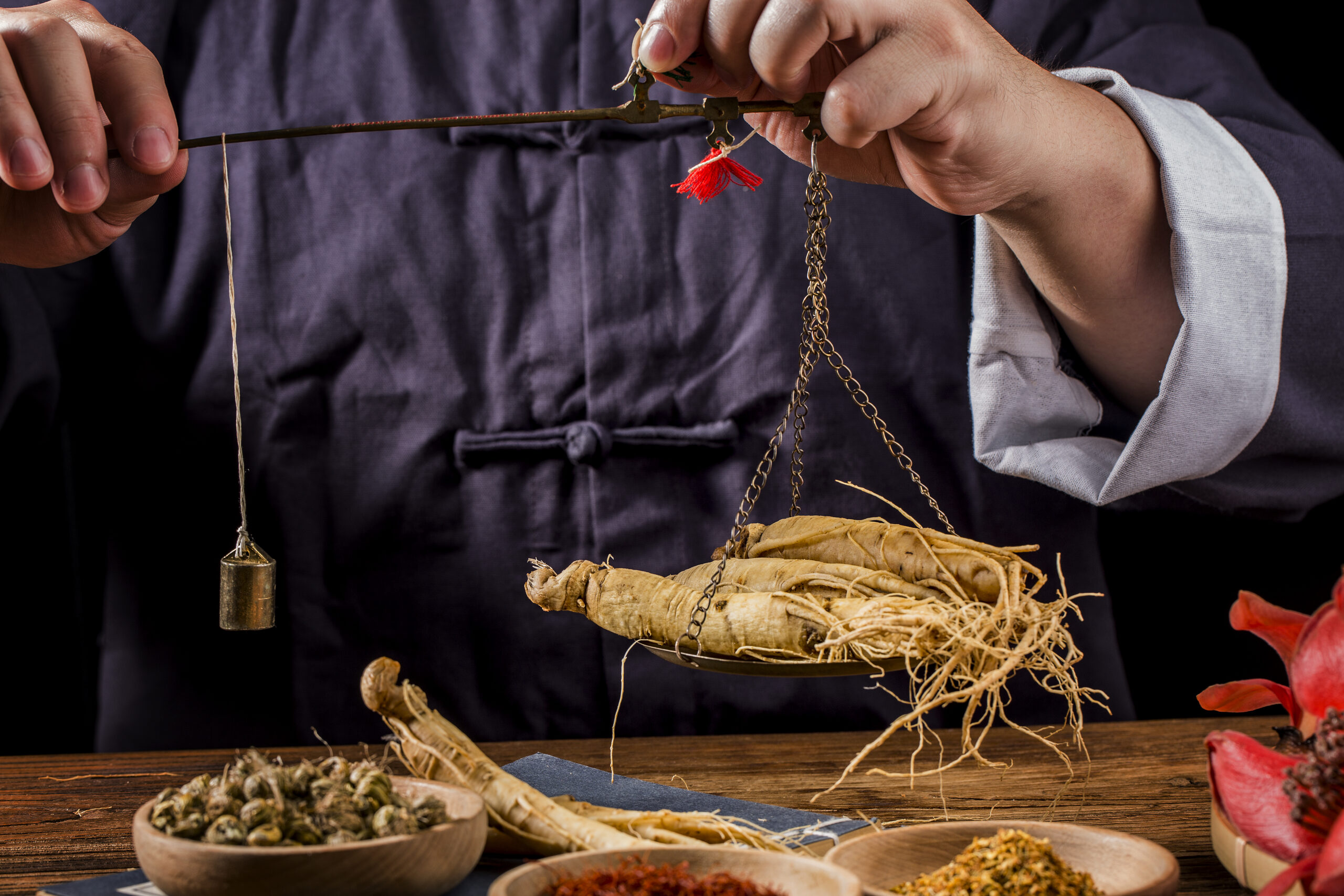
6. Entry Requirements and Duration
The course typically lasts around three months depending on the specific schedule and learning format. Entry requirements may include a minimum educational level and an interest in traditional wellness or massage practice. Learners should review the current program requirements before enrollment.
7. Conclusion
The Massage and Acupressure Techniques course at the Academy of Medical Sciences, Vietnam can provide a structured foundation for learners interested in massage and acupressure. Responsible practice depends on safe technique, clear professional scope, appropriate referral, and compliance with applicable rules governing health and wellness services.

 Tham gia ngay
