
How to Choose a Meditation Course and Why Study Meditation?
Meditation can support attention, relaxation, self-awareness, and general well-being. When choosing a course, consider curriculum, instructor experience, practice opportunities, learning environment, teaching methods, learner feedback, safety, and professional boundaries.
Meditation is a contemplative practice found in many cultures and traditions. Contemporary meditation may involve breath awareness, mindfulness, concentration, or other methods intended to cultivate attention, reflection, and calm. Research suggests potential benefits for stress and well-being for some people, but meditation is not a substitute for medical or psychological treatment.
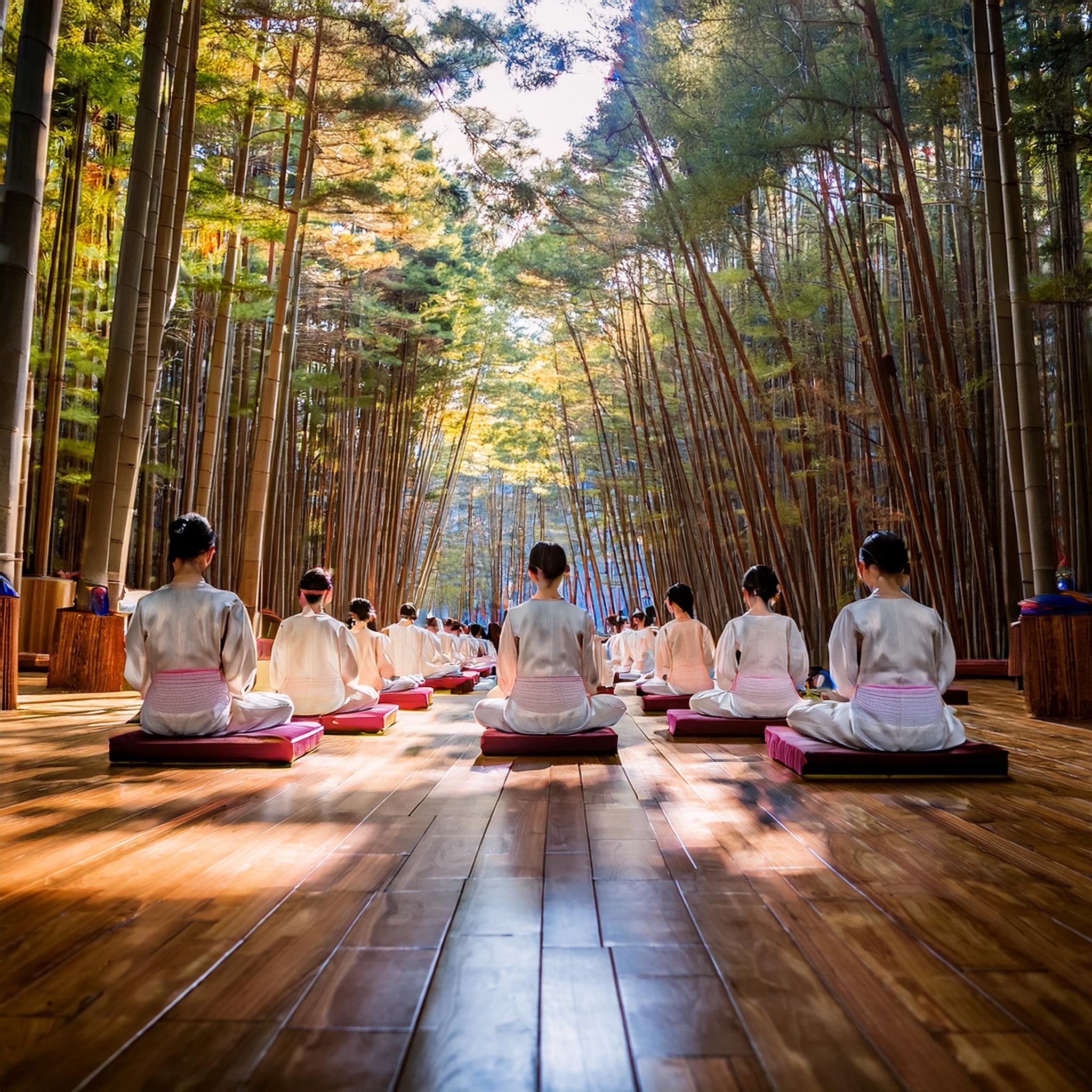
Why Study Meditation?
1. Support Mental Well-Being
Many people study meditation to develop relaxation and awareness skills. Mindfulness-based practices may help some people manage everyday stress, although persistent anxiety, depression, insomnia, or other mental-health concerns should be addressed with qualified professionals.
2. Develop Awareness and Attention
Meditation practice trains attention by repeatedly returning awareness to a chosen focus such as the breath, bodily sensations, or present-moment experience. This may help learners become more aware of distraction and habitual reactions.

3. Relate Differently to Difficult Emotions
Meditation can teach people to notice emotions such as anger, fear, or jealousy without immediately reacting to them. This is a reflective skill rather than a treatment for psychiatric conditions.
4. Complement General Health and Wellness
Meditation is primarily a mind-body or contemplative practice. Some research has explored effects on blood pressure, sleep, pain, and other outcomes, but results vary and should not be generalized into claims that meditation treats chronic disease or strengthens immunity.

Criteria for Choosing a Meditation Course
When deciding to study meditation, it is useful to evaluate the program carefully. Consider the following criteria.
1. Clear and Substantive Curriculum
A good course should clearly describe the meditation methods taught, theoretical context, practical exercises, learning objectives, ethics, and appropriate boundaries. Content should match the learner's level and goals.
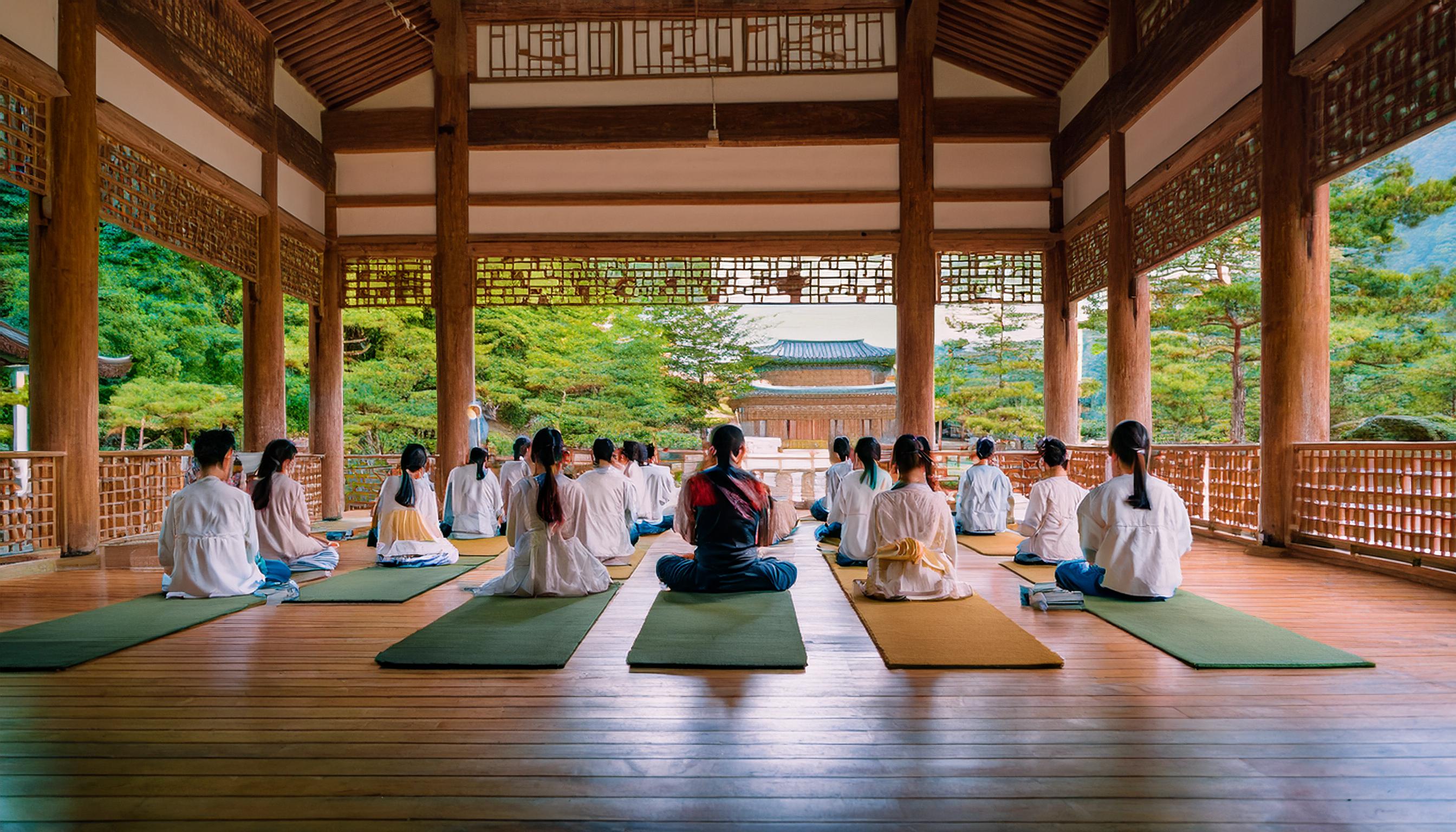
2. Experienced and Responsible Instructors
Instructors should have relevant meditation practice and teaching experience, communicate limitations honestly, and know when participants should be referred to qualified healthcare or mental-health professionals.
3. A Supportive Learning Environment
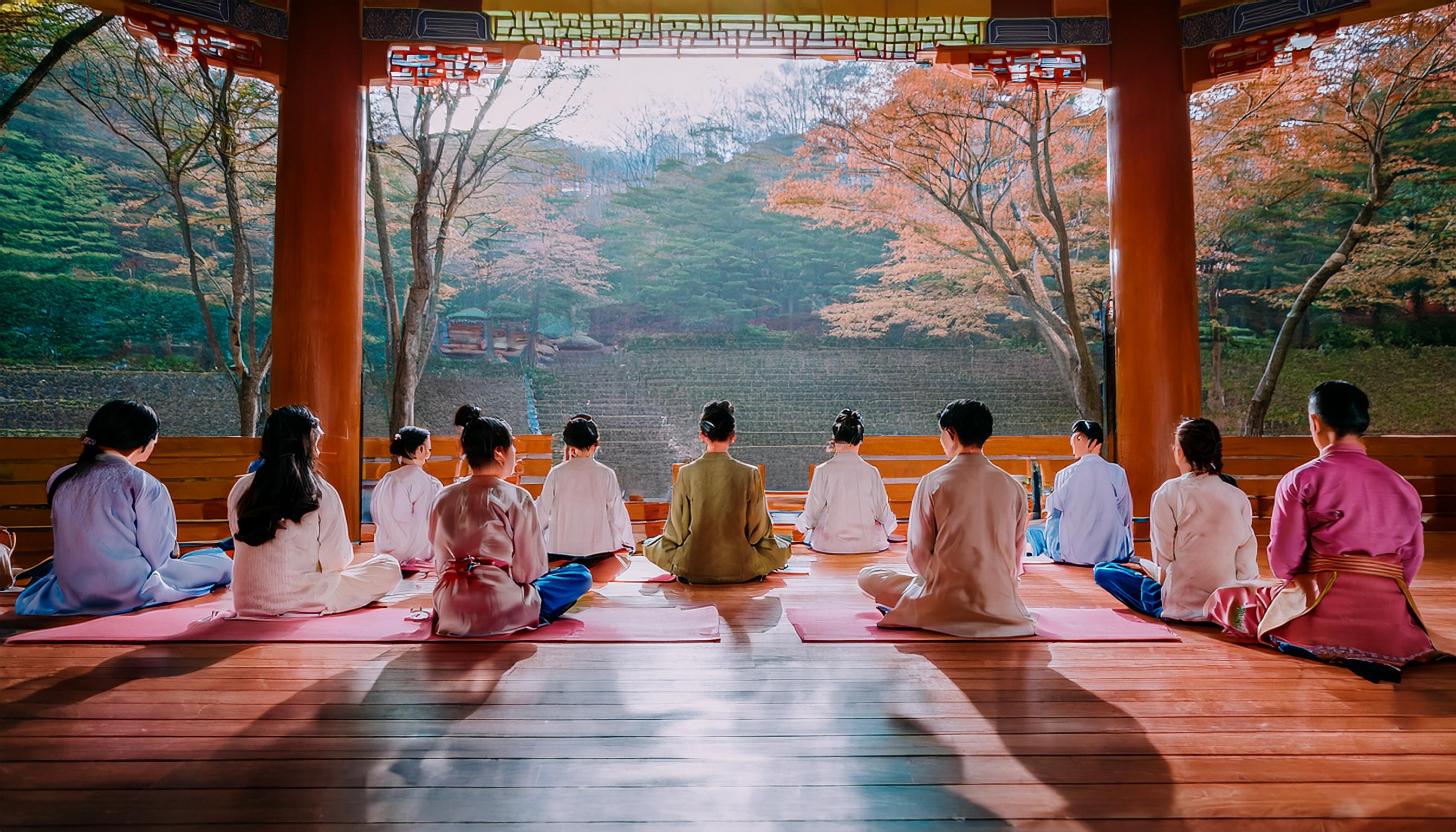
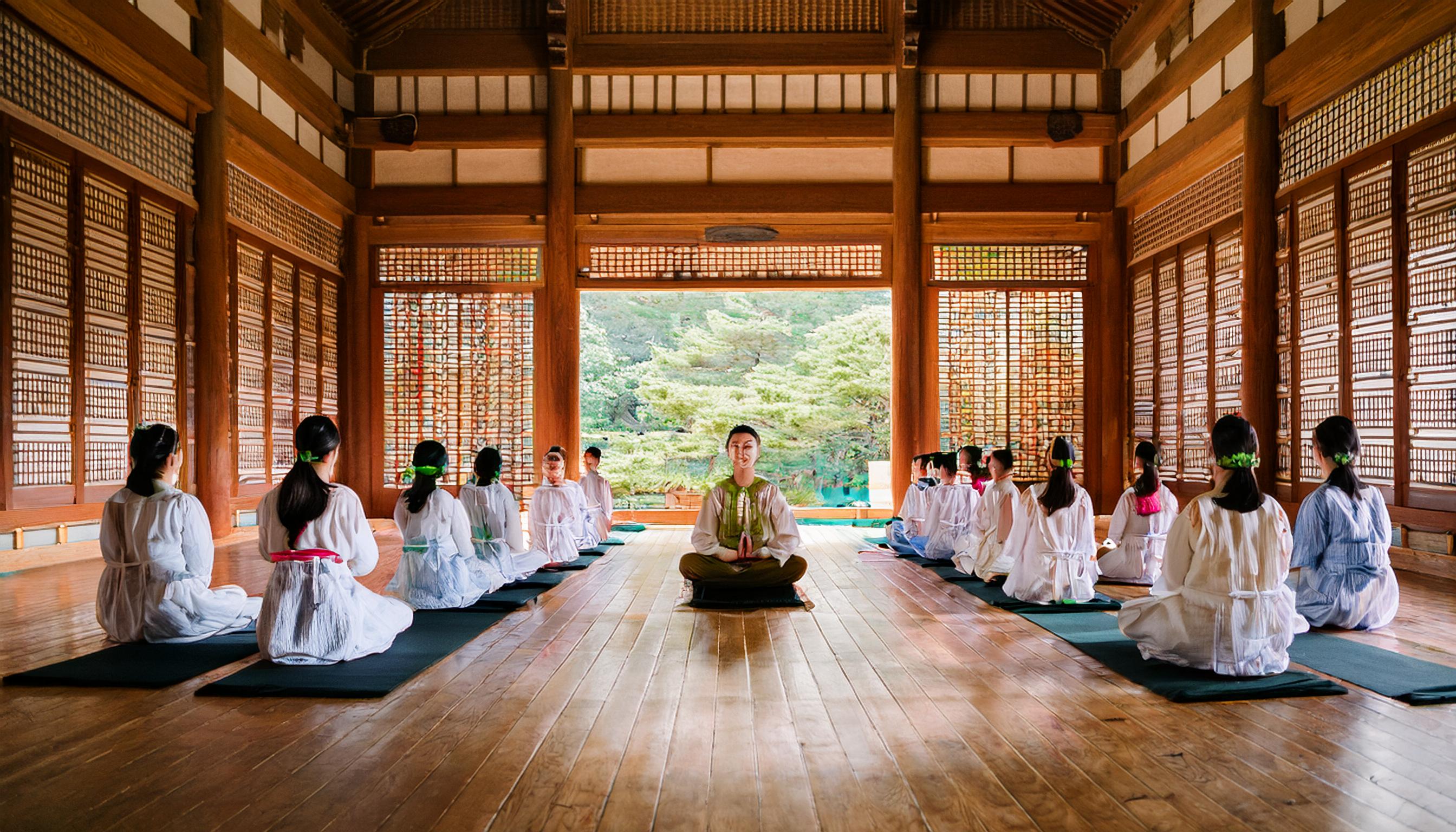
A quiet and comfortable environment can support focused practice. Accessibility, psychological safety, respect for different beliefs, and participant choice are equally important.
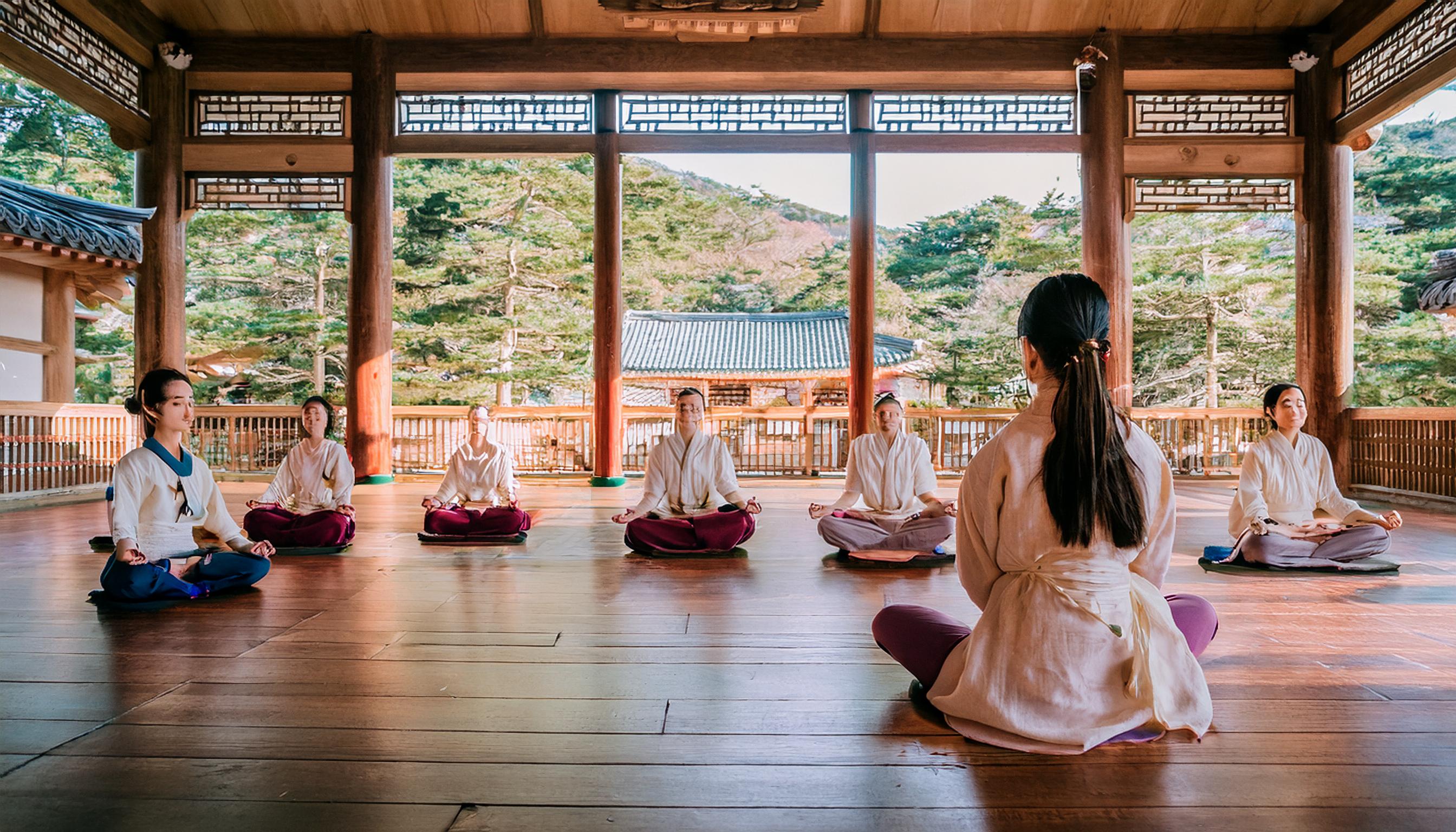
4. Practical and Flexible Teaching Methods
A useful course combines explanation with repeated guided practice, reflection, and feedback. Teaching methods should accommodate differences in experience and should not pressure participants to continue practices that cause significant discomfort.
5. Learner Feedback and Transparent Outcomes
Previous learner feedback can be useful, but testimonials should be considered alongside objective information such as curriculum, instructor background, practical hours, policies, fees, and clearly stated course outcomes.

Why Consider Meditation at the Academy of Medical Sciences, Vietnam?
The Academy of Medical Sciences, Vietnam offers structured meditation education. Prospective learners should compare the current program with their goals using the criteria above.
1. Structured Curriculum
The Academy's meditation program can introduce foundational methods, practice principles, and everyday non-clinical applications such as attention, relaxation, and self-awareness.
2. Instruction and Guidance
Instruction may involve professionals with relevant backgrounds in meditation, health, education, or related fields. Learners should review current faculty information for the applicable intake.
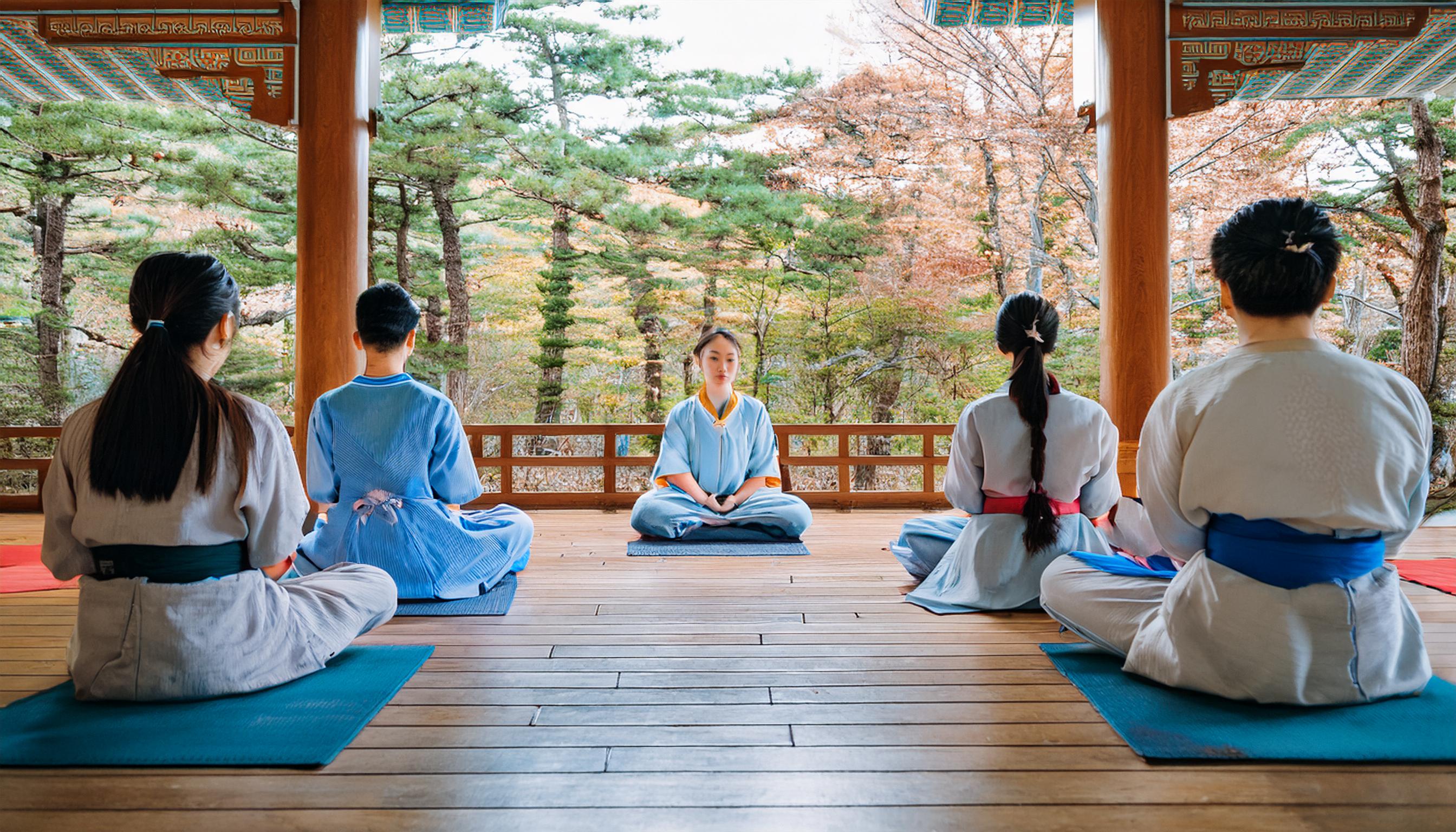
3. Learning Environment
Depending on the course format, learners may practice in an environment designed to support concentration and guided learning. Current facilities and delivery modes should be confirmed before enrollment.
4. Continued Learning Support
Learners may receive supporting materials or opportunities for continued practice and educational activities where available.
5. Evaluate Reputation with Evidence
When assessing any training provider, including the Academy of Medical Sciences, Vietnam, prospective learners should consider verifiable information such as curriculum, faculty, learner policies, facilities, transparent outcomes, and independent feedback rather than relying on prestige claims alone.
Conclusion
Meditation can be a useful contemplative practice for attention, relaxation, and self-awareness. Choosing an appropriate course requires consideration of curriculum, instructors, practice opportunities, environment, safety, and professional boundaries. The Academy of Medical Sciences, Vietnam offers one structured learning option for people interested in developing a meditation practice.


 Tham gia ngay
