
Massage and Acupressure Technician Training Course
Massage and Acupressure Technician training can introduce traditional techniques, anatomy and safety foundations, practical skills, hygiene, contraindication awareness, and professional boundaries. Clinical treatment or rehabilitation requires appropriate regulated qualifications.
This section of Massage and Acupressure Technician Training Course presents massage and acupressure as wellness-oriented techniques while distinguishing traditional concepts from biomedical evidence and regulated clinical care.
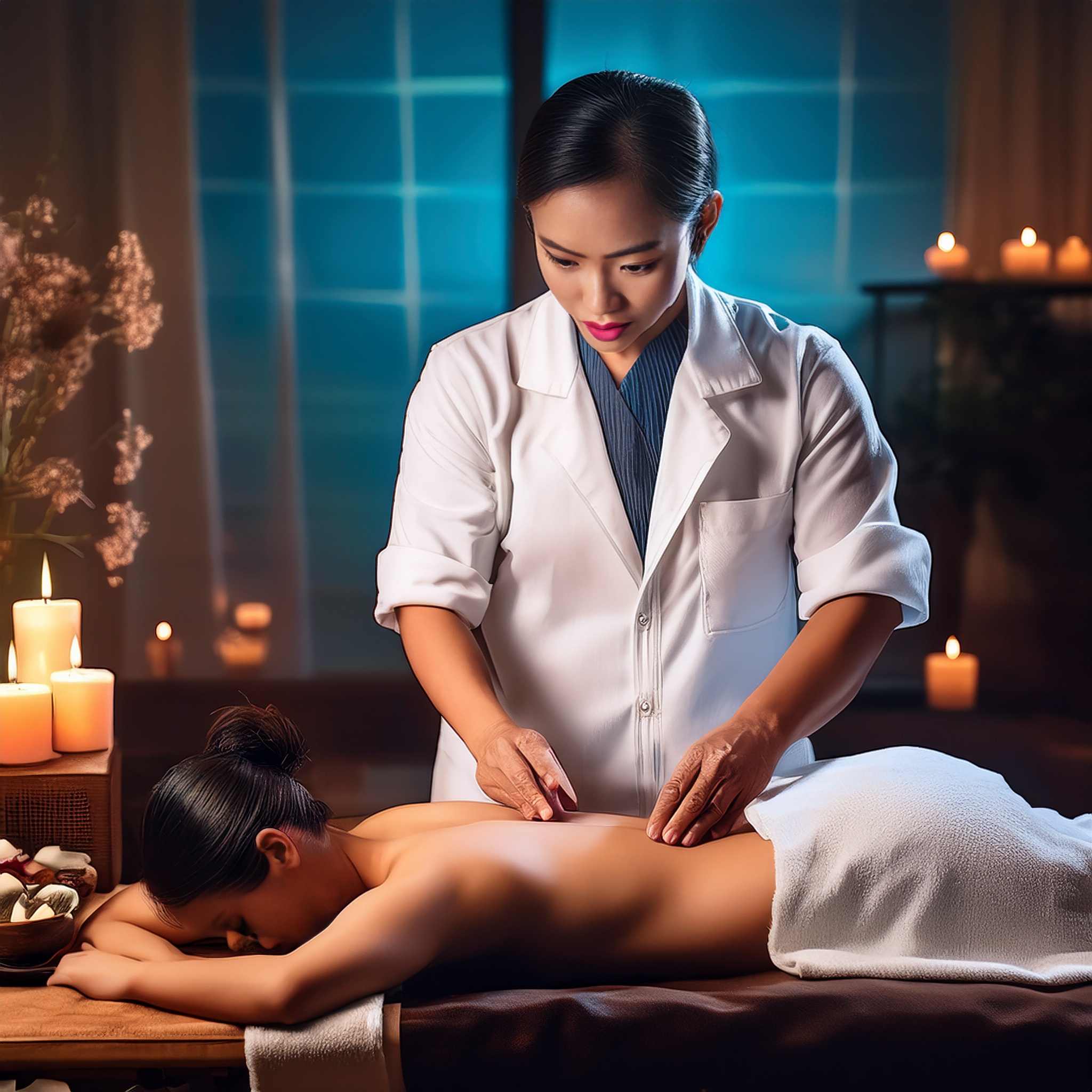
This section of Massage and Acupressure Technician Training Course presents massage and acupressure as wellness-oriented techniques while distinguishing traditional concepts from biomedical evidence and regulated clinical care.
This section of Massage and Acupressure Technician Training Course presents massage and acupressure as wellness-oriented techniques while distinguishing traditional concepts from biomedical evidence and regulated clinical care.
Professional Development
The Academy of Medical Sciences, Vietnam offers education in massage and acupressure techniques with emphasis on practical skills, safety, hygiene, contraindications, traditional theory, and appropriate professional boundaries.
- Practical skills: Learn safe massage and acupressure techniques, hygiene, positioning, contraindication awareness, communication, and client comfort.
- Traditional concepts: Acupoints and meridians may be taught as concepts from traditional East Asian medicine and should be distinguished from established biomedical anatomy and physiology.
- Practical skills: Learn safe massage and acupressure techniques, hygiene, positioning, contraindication awareness, communication, and client comfort.
- Practical skills: Learn safe massage and acupressure techniques, hygiene, positioning, contraindication awareness, communication, and client comfort.
This section of Massage and Acupressure Technician Training Course presents massage and acupressure as wellness-oriented techniques while distinguishing traditional concepts from biomedical evidence and regulated clinical care.
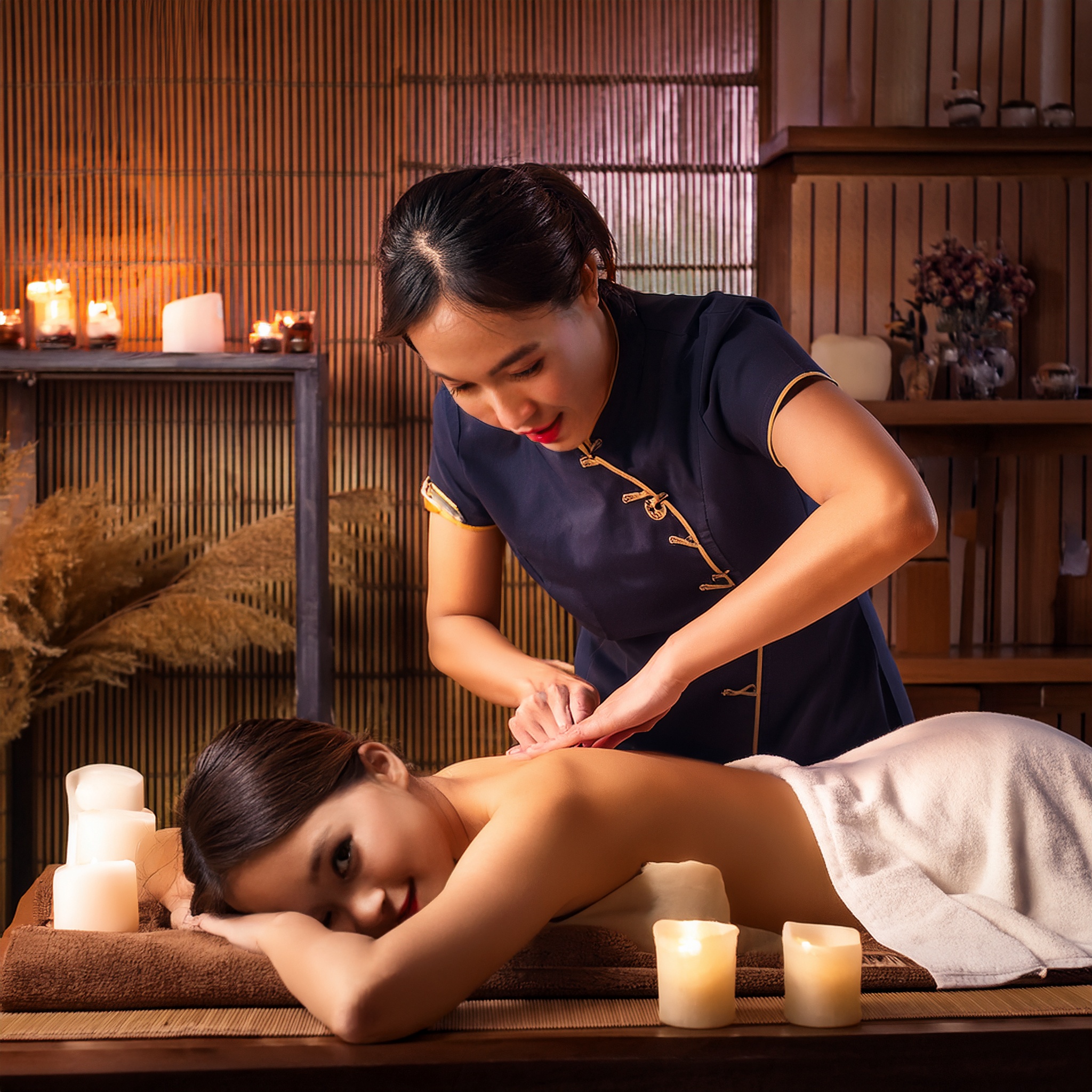
Who Should Attend?
This section of Massage and Acupressure Technician Training Course presents massage and acupressure as wellness-oriented techniques while distinguishing traditional concepts from biomedical evidence and regulated clinical care.
- Practical skills: Learn safe massage and acupressure techniques, hygiene, positioning, contraindication awareness, communication, and client comfort.
- Practical skills: Learn safe massage and acupressure techniques, hygiene, positioning, contraindication awareness, communication, and client comfort.
- Practical skills: Learn safe massage and acupressure techniques, hygiene, positioning, contraindication awareness, communication, and client comfort.
- Practical skills: Learn safe massage and acupressure techniques, hygiene, positioning, contraindication awareness, communication, and client comfort.
- Practical skills: Learn safe massage and acupressure techniques, hygiene, positioning, contraindication awareness, communication, and client comfort.
- Clinical boundaries: Persistent pain, injury, neurological symptoms, or medical conditions require appropriate clinical assessment and should not be independently treated by an unqualified wellness practitioner.
Massage and Acupressure
1. Drug Research
- Practical skills: Learn safe massage and acupressure techniques, hygiene, positioning, contraindication awareness, communication, and client comfort.
- Practical skills: Learn safe massage and acupressure techniques, hygiene, positioning, contraindication awareness, communication, and client comfort.
- Clinical boundaries: Persistent pain, injury, neurological symptoms, or medical conditions require appropriate clinical assessment and should not be independently treated by an unqualified wellness practitioner.
2. Career Opportunities
- Practical skills: Learn safe massage and acupressure techniques, hygiene, positioning, contraindication awareness, communication, and client comfort.
- Practical skills: Learn safe massage and acupressure techniques, hygiene, positioning, contraindication awareness, communication, and client comfort.
- Practical skills: Learn safe massage and acupressure techniques, hygiene, positioning, contraindication awareness, communication, and client comfort.
- Practical skills: Learn safe massage and acupressure techniques, hygiene, positioning, contraindication awareness, communication, and client comfort.
Professional Development
- Practical skills: Learn safe massage and acupressure techniques, hygiene, positioning, contraindication awareness, communication, and client comfort.
- Practical skills: Learn safe massage and acupressure techniques, hygiene, positioning, contraindication awareness, communication, and client comfort.
- Practical skills: Learn safe massage and acupressure techniques, hygiene, positioning, contraindication awareness, communication, and client comfort.
- Practical skills: Learn safe massage and acupressure techniques, hygiene, positioning, contraindication awareness, communication, and client comfort.
- Practical skills: Learn safe massage and acupressure techniques, hygiene, positioning, contraindication awareness, communication, and client comfort.
- Practical skills: Learn safe massage and acupressure techniques, hygiene, positioning, contraindication awareness, communication, and client comfort.
Objectives
This section of Massage and Acupressure Technician Training Course presents massage and acupressure as wellness-oriented techniques while distinguishing traditional concepts from biomedical evidence and regulated clinical care.
- Traditional concepts: Acupoints and meridians may be taught as concepts from traditional East Asian medicine and should be distinguished from established biomedical anatomy and physiology.
- Practical skills: Learn safe massage and acupressure techniques, hygiene, positioning, contraindication awareness, communication, and client comfort.
- Traditional concepts: Acupoints and meridians may be taught as concepts from traditional East Asian medicine and should be distinguished from established biomedical anatomy and physiology.
- Practical skills: Learn safe massage and acupressure techniques, hygiene, positioning, contraindication awareness, communication, and client comfort.
- Practical skills: Learn safe massage and acupressure techniques, hygiene, positioning, contraindication awareness, communication, and client comfort.
- Clinical boundaries: Persistent pain, injury, neurological symptoms, or medical conditions require appropriate clinical assessment and should not be independently treated by an unqualified wellness practitioner.
- Practical skills: Learn safe massage and acupressure techniques, hygiene, positioning, contraindication awareness, communication, and client comfort.
Professional Development
- Practical skills: Learn safe massage and acupressure techniques, hygiene, positioning, contraindication awareness, communication, and client comfort.
- Practical skills: Learn safe massage and acupressure techniques, hygiene, positioning, contraindication awareness, communication, and client comfort.
1. Professional Development
- Practical skills: Learn safe massage and acupressure techniques, hygiene, positioning, contraindication awareness, communication, and client comfort.
- Practical skills: Learn safe massage and acupressure techniques, hygiene, positioning, contraindication awareness, communication, and client comfort.
- Traditional concepts: Acupoints and meridians may be taught as concepts from traditional East Asian medicine and should be distinguished from established biomedical anatomy and physiology.
- Practical skills: Learn safe massage and acupressure techniques, hygiene, positioning, contraindication awareness, communication, and client comfort.
2. Massage and Acupressure
- Practical skills: Learn safe massage and acupressure techniques, hygiene, positioning, contraindication awareness, communication, and client comfort.
- Practical skills: Learn safe massage and acupressure techniques, hygiene, positioning, contraindication awareness, communication, and client comfort.
- Practical skills: Learn safe massage and acupressure techniques, hygiene, positioning, contraindication awareness, communication, and client comfort.
3. Professional Development
- Traditional concepts: Acupoints and meridians may be taught as concepts from traditional East Asian medicine and should be distinguished from established biomedical anatomy and physiology.
- Traditional concepts: Acupoints and meridians may be taught as concepts from traditional East Asian medicine and should be distinguished from established biomedical anatomy and physiology.
- Traditional concepts: Acupoints and meridians may be taught as concepts from traditional East Asian medicine and should be distinguished from established biomedical anatomy and physiology.
- Practical skills: Learn safe massage and acupressure techniques, hygiene, positioning, contraindication awareness, communication, and client comfort.
4. Practical Training
- Practical skills: Learn safe massage and acupressure techniques, hygiene, positioning, contraindication awareness, communication, and client comfort.
- Practical skills: Learn safe massage and acupressure techniques, hygiene, positioning, contraindication awareness, communication, and client comfort.
- Practical skills: Learn safe massage and acupressure techniques, hygiene, positioning, contraindication awareness, communication, and client comfort.
- Clinical boundaries: Persistent pain, injury, neurological symptoms, or medical conditions require appropriate clinical assessment and should not be independently treated by an unqualified wellness practitioner.
5. Professional Development
- Practical skills: Learn safe massage and acupressure techniques, hygiene, positioning, contraindication awareness, communication, and client comfort.
- Practical skills: Learn safe massage and acupressure techniques, hygiene, positioning, contraindication awareness, communication, and client comfort.
- Practical skills: Learn safe massage and acupressure techniques, hygiene, positioning, contraindication awareness, communication, and client comfort.
- Traditional concepts: Acupoints and meridians may be taught as concepts from traditional East Asian medicine and should be distinguished from established biomedical anatomy and physiology.
Course Completion and Credentials
This section of Massage and Acupressure Technician Training Course presents massage and acupressure as wellness-oriented techniques while distinguishing traditional concepts from biomedical evidence and regulated clinical care.
- Traditional concepts: Acupoints and meridians may be taught as concepts from traditional East Asian medicine and should be distinguished from established biomedical anatomy and physiology.
- Practical skills: Learn safe massage and acupressure techniques, hygiene, positioning, contraindication awareness, communication, and client comfort.
- Practical skills: Learn safe massage and acupressure techniques, hygiene, positioning, contraindication awareness, communication, and client comfort.
- Practical skills: Learn safe massage and acupressure techniques, hygiene, positioning, contraindication awareness, communication, and client comfort.
- Practical skills: Learn safe massage and acupressure techniques, hygiene, positioning, contraindication awareness, communication, and client comfort.
Professional Development
This section of Massage and Acupressure Technician Training Course presents massage and acupressure as wellness-oriented techniques while distinguishing traditional concepts from biomedical evidence and regulated clinical care.
The Academy of Medical Sciences, Vietnam offers education in massage and acupressure techniques with emphasis on practical skills, safety, hygiene, contraindications, traditional theory, and appropriate professional boundaries.

 Tham gia ngay
