
Meditation Facilitation Techniques Course
The Meditation Facilitation Techniques course at the Academy of Medical Sciences, Vietnam provides structured education in meditation foundations, guided-session skills, practice design, ethics, safety, and non-clinical applications for individuals and groups.
As interest in mindfulness and meditation grows, some learners want structured training in how to guide sessions for individuals or groups. The Academy of Medical Sciences, Vietnam developed the Meditation Facilitation Techniques course to provide foundations in meditation practice, communication, session design, ethics, and responsible facilitation.
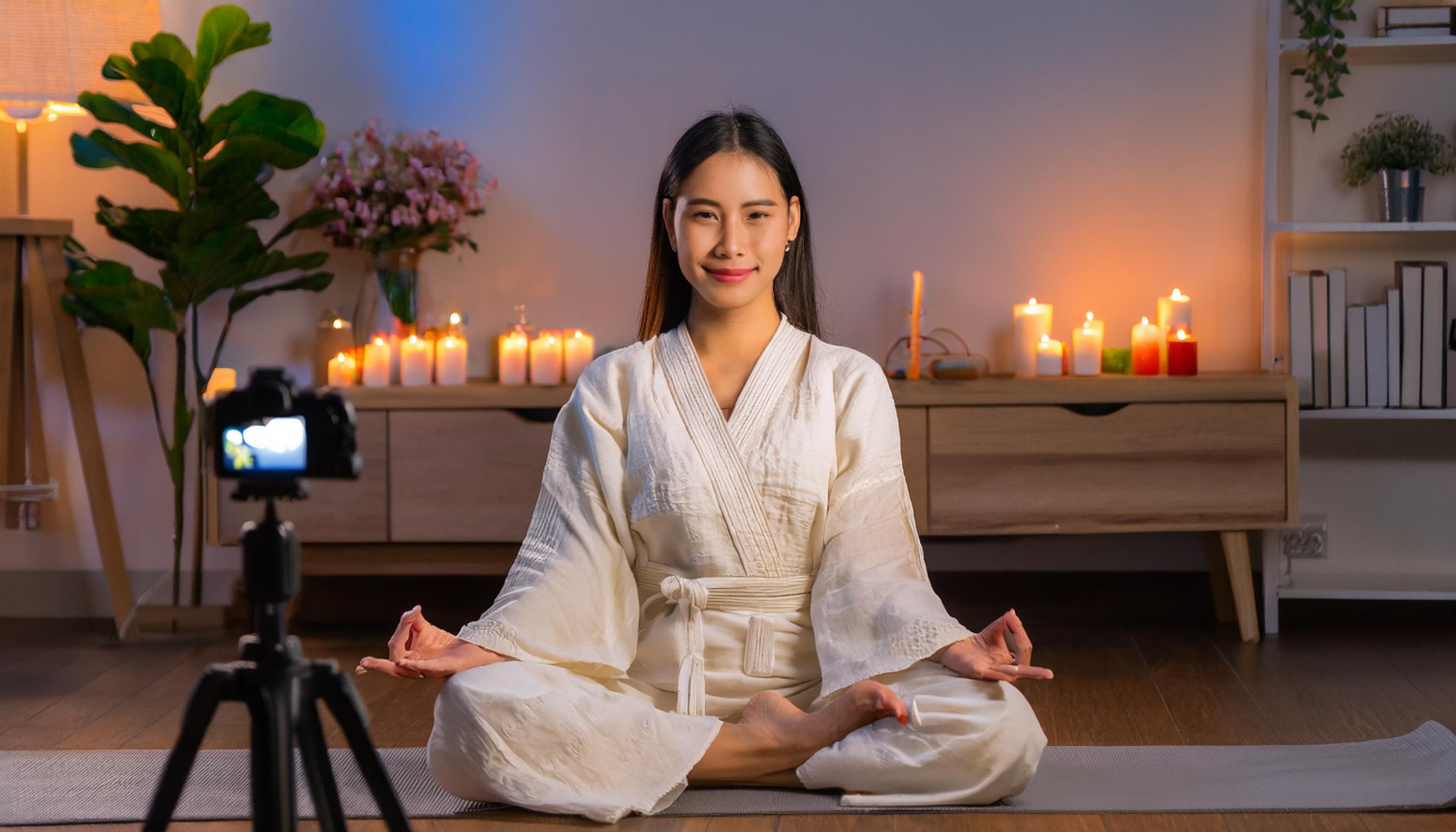
The course may be relevant to beginners as well as yoga instructors, educators, wellness professionals, and others who want to facilitate non-clinical meditation. Healthcare and psychological applications require separate professional qualifications and appropriate clinical oversight.
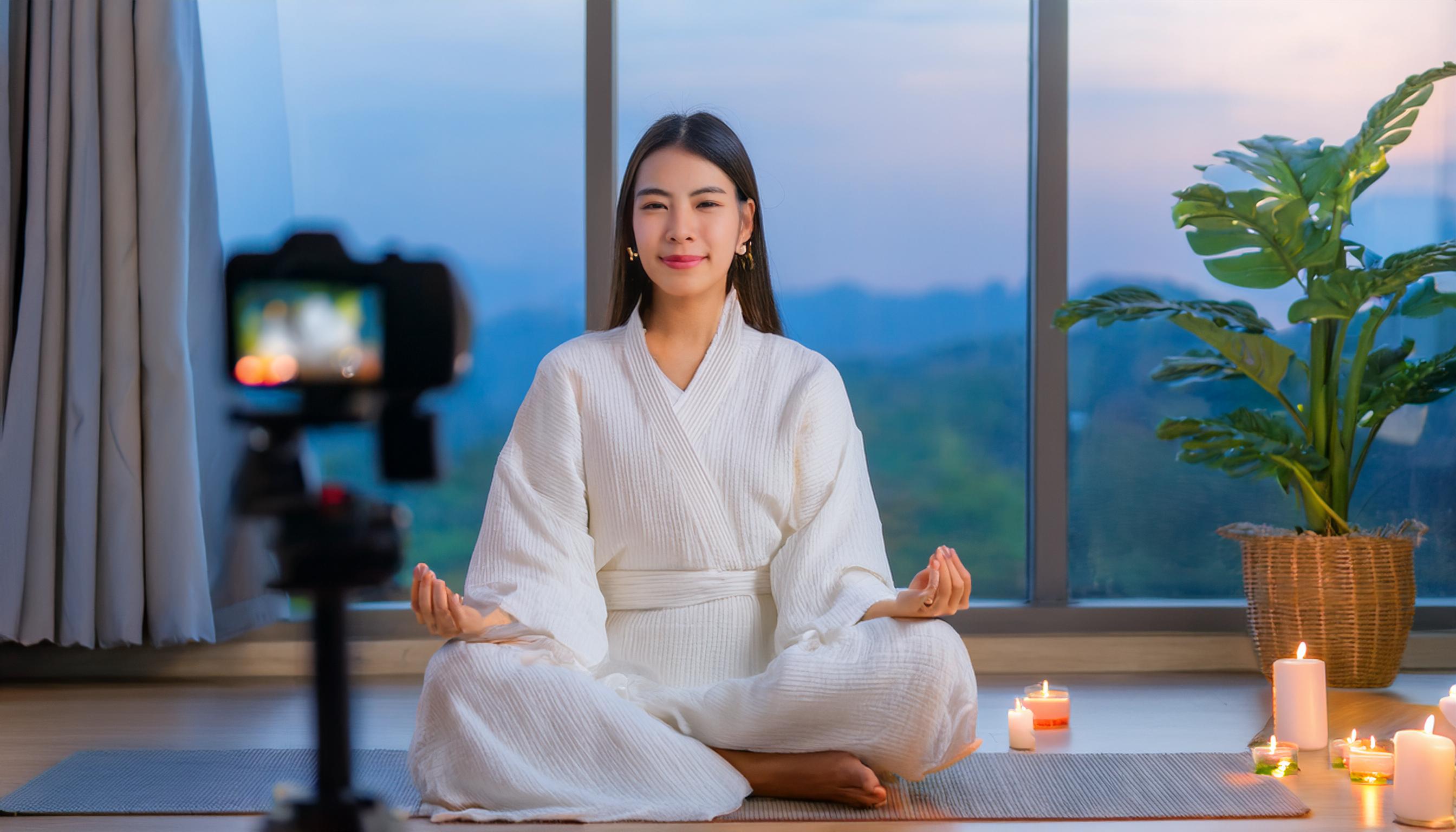
Course Objectives
The Meditation Facilitation Techniques course at the Academy of Medical Sciences, Vietnam has objectives such as:
- Build foundational knowledge of meditation: Explore historical context, selected traditions, practice principles, and contemporary research.
- Develop facilitation skills: Practice voice, language, pacing, session structure, and creating a respectful environment.
- Explore non-clinical applications: Learn how meditation may be used for relaxation, attention, and general well-being without claiming to treat anxiety, depression, or physical disease.
- Develop a responsible facilitator community: Emphasize ethics, inclusion, safety, professional boundaries, and appropriate referral.
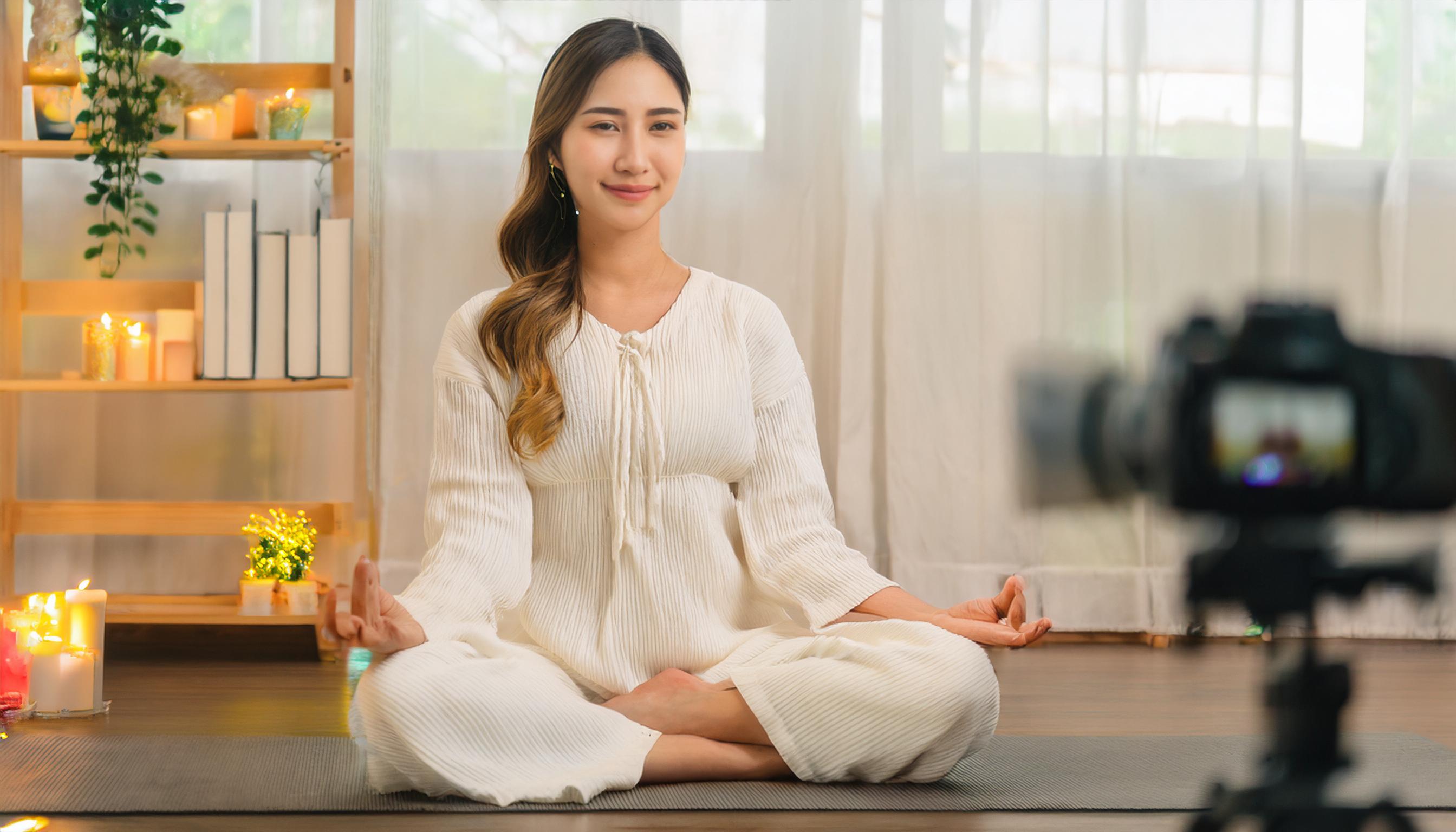
Course Content
The course is structured over 12 weeks with topics such as:
1. Introduction to Meditation (Weeks 1–2):
- History and origins of meditation across selected traditions.
- Meditation approaches such as mindfulness, walking meditation, loving-kindness, and other methods.
- Research literacy: Understanding what scientific studies can and cannot establish about meditation.
- Basic posture, breathing, and attention practices.
2. Meditation Facilitation Skills (Weeks 3–5):
- Voice and language: Communicating calmly and clearly without manipulative or therapeutic claims.
- Use of music or natural sounds where appropriate.
- Developing guided-meditation scripts for different audiences.
- Responding to discomfort, distress, distraction, or other situations during sessions.
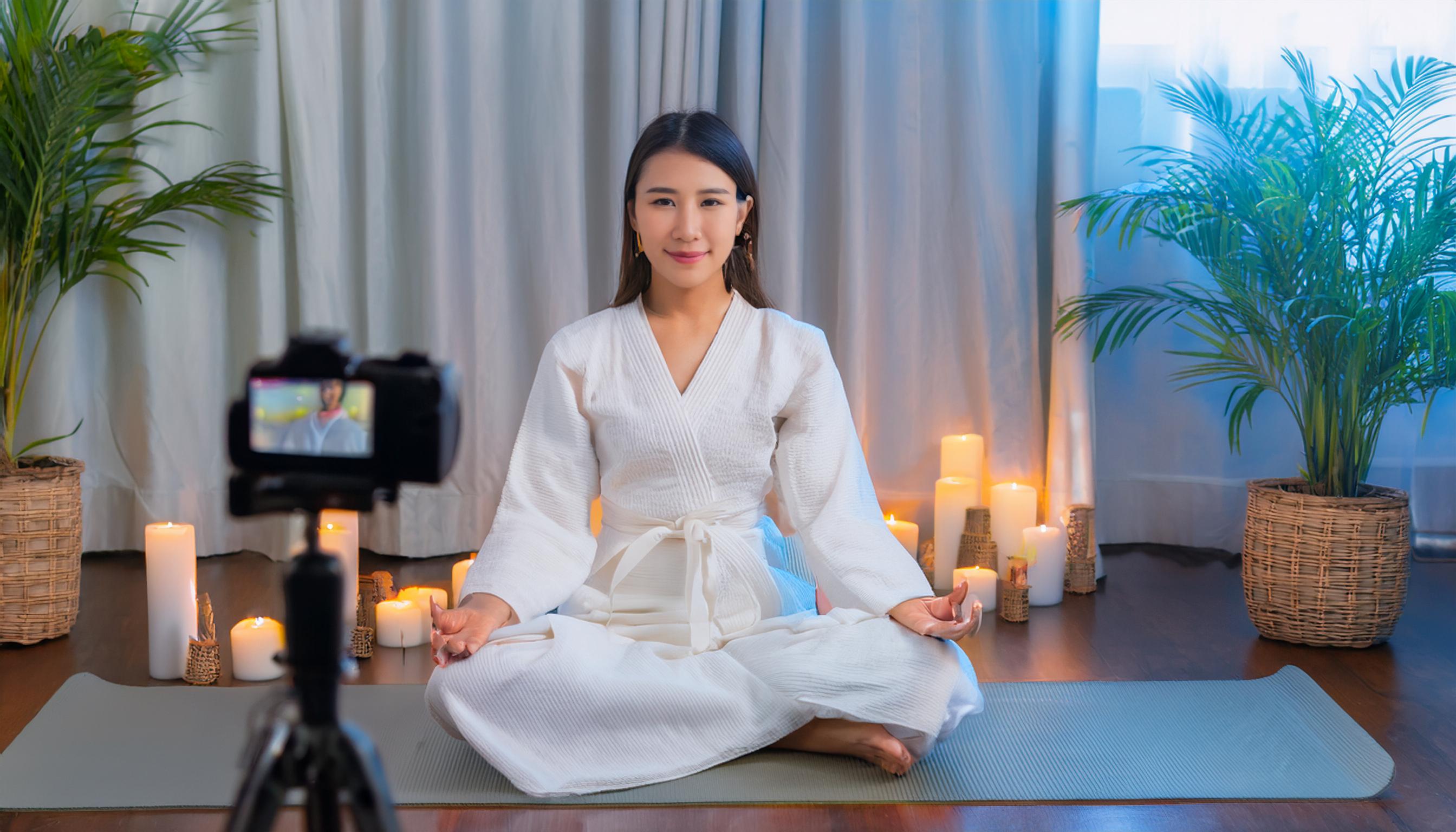
3. Meditation Practice and Applications (Weeks 6–9):
- Guiding meditation for groups and individuals.
- Non-clinical applications in workplaces, schools, and community settings; healthcare settings require appropriate institutional and professional oversight.
- Understanding the distinction between wellness meditation and clinical therapy.
- Creating an accessible and appropriate meditation environment.
4. Special Topics (Weeks 10–11):
- Meditation for children: Age-appropriate attention and relaxation exercises with suitable safeguarding and consent.
- Meditation for older adults: Accessible practices adapted to comfort, mobility, and individual needs.
- Mindfulness and emotional self-awareness for leaders.
5. Assessment and Certificate (Week 12):
- Theory assessment and practical facilitation exercise.
- Instructor feedback and evaluation.
- Academy of Medical Sciences, Vietnam course-completion certificate in Meditation Facilitation Techniques.
Teaching Methods
The course may use blended teaching methods including:
- In-person learning: Theory and supervised practice where available.
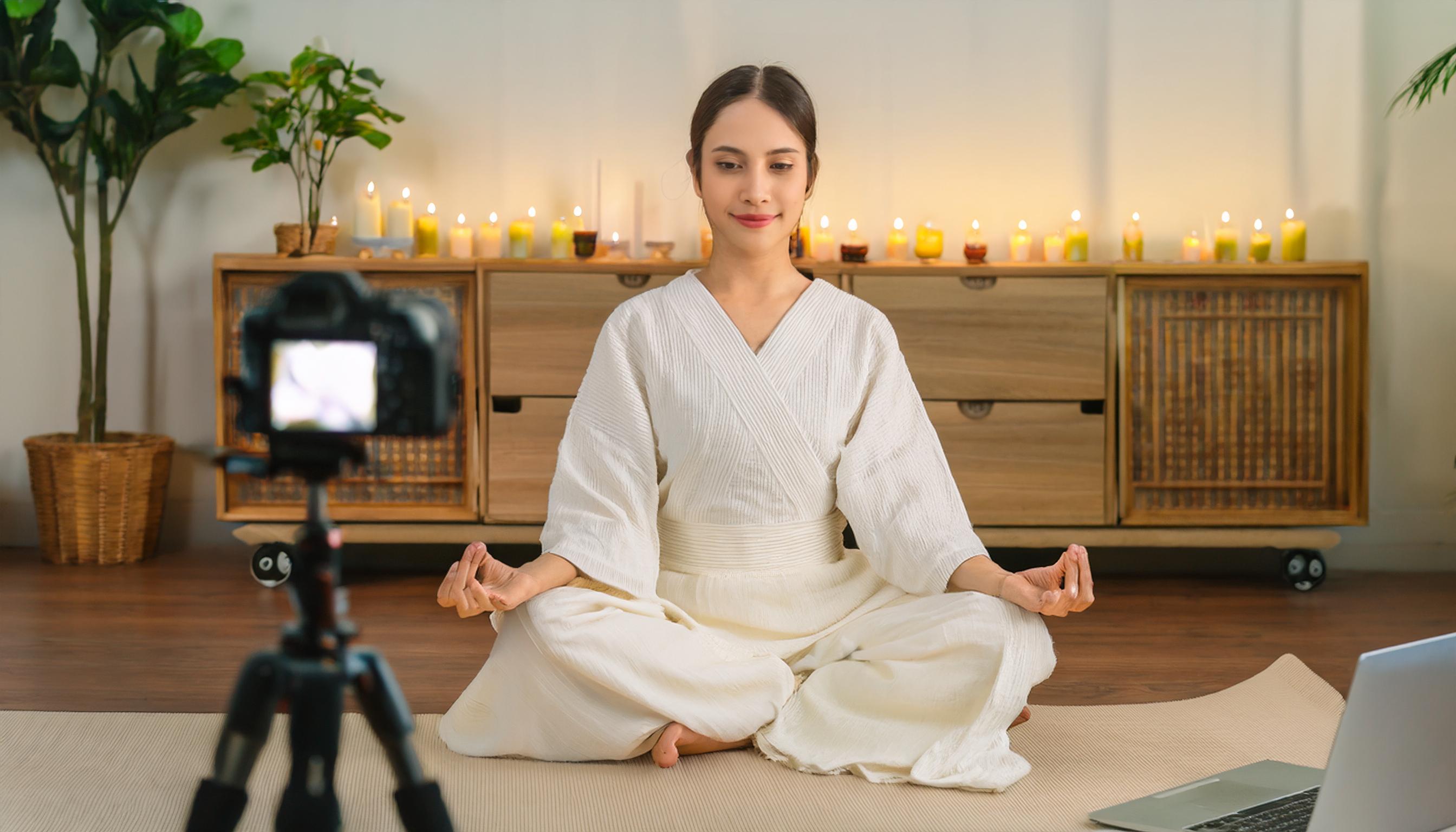
- Online learning: Selected course content and guided instruction may be available remotely.
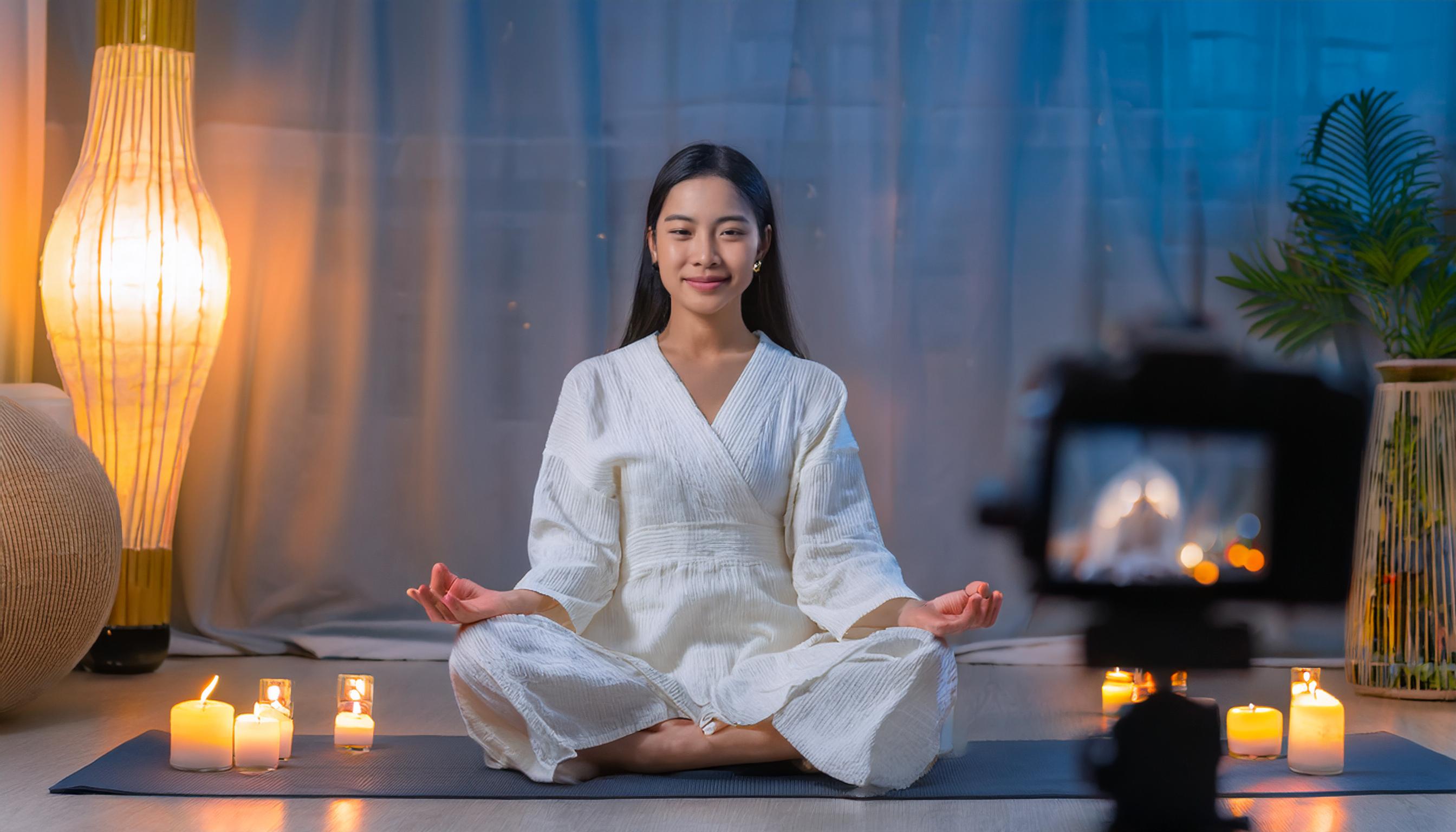
- Experiential practice: Small-group facilitation and reflective practice.
- Individualized feedback: Instructors may provide feedback on learner progress and facilitation skills.
Who Should Take the Course?
The Meditation Facilitation Techniques course may suit:
- Beginners seeking structured meditation study and practice.
- Psychologists, physicians, or other healthcare professionals who want complementary meditation knowledge while remaining within their regulated scope.
- Yoga instructors, fitness professionals, and educators interested in non-clinical meditation facilitation.
- Business leaders interested in mindfulness and personal stress-management practices.
- People interested in responsibly sharing meditation practices with their communities.
Benefits of the Course
- Personal development: Build a more consistent meditation practice and facilitation awareness.
- Career development: Training may support non-clinical meditation or wellness facilitation, depending on experience, employer requirements, and local regulations.
- Continued learning: Learners may participate in relevant educational communities or activities where available.
- Community contribution: Facilitate appropriate voluntary meditation sessions in community settings.
How to Register
Interested learners can follow the current registration process:
- Review current course information through the Academy of Medical Sciences, Vietnam' official channels.
- Complete the current registration form and required documentation.
- Pay applicable tuition according to current instructions.
- Receive confirmation and orientation information for the applicable intake.
Conclusion
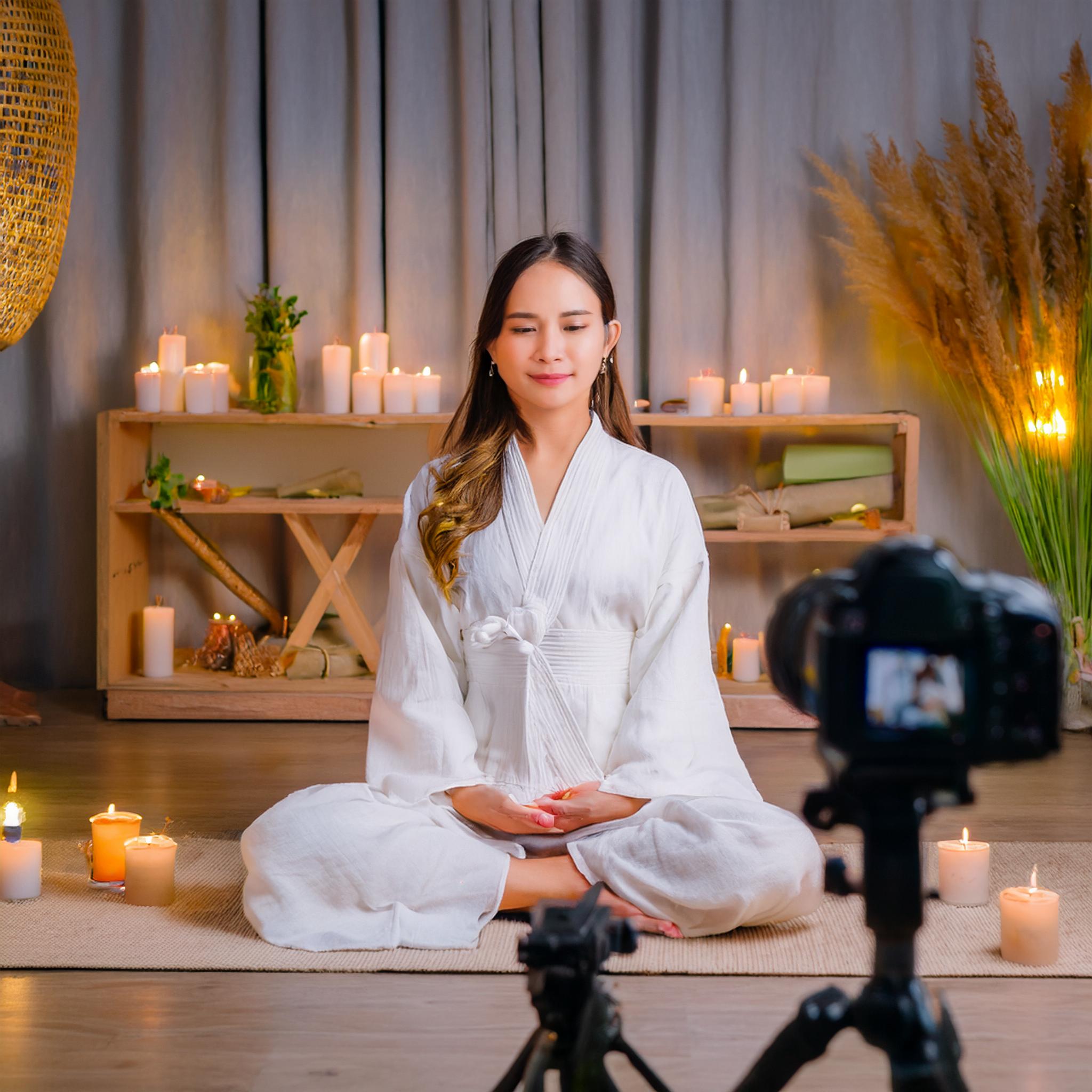
The Meditation Facilitation Techniques course at the Academy of Medical Sciences, Vietnam can provide a structured foundation for personal practice and responsible non-clinical facilitation. Course completion documents training undertaken but does not automatically qualify a learner to provide psychotherapy, medical treatment, or other regulated healthcare services.


 Tham gia ngay
