
Nutrition Coaching: A Growing Career Amid Rising Overweight and Obesity
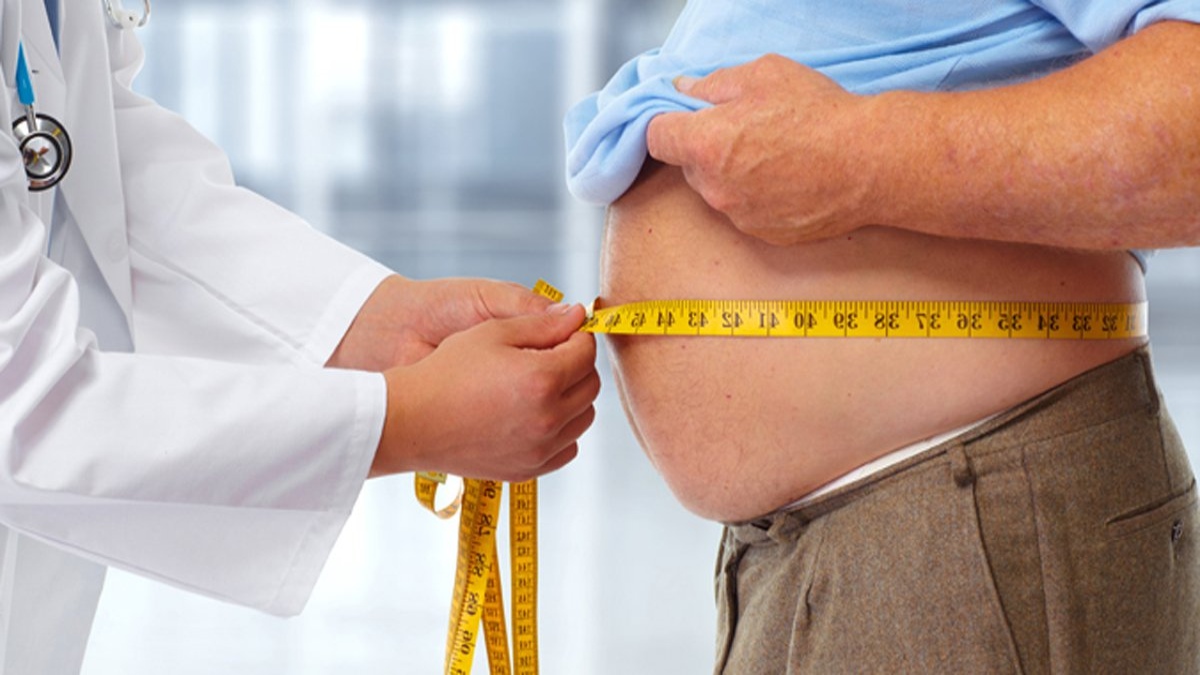
As overweight and obesity become increasingly common, interest in responsible weight-management support, nutrition education, and healthy lifestyle coaching is also growing. Nutrition Coaching is emerging as a promising wellness profession that can support sustainable behavior change while complementing qualified healthcare professionals when clinical care is needed.
As overweight and obesity become increasingly common, interest in responsible weight-management support, nutrition education, and healthy lifestyle coaching is also growing. Nutrition Coaching is emerging as a promising wellness profession that can support sustainable behavior change while complementing qualified healthcare professionals when clinical care is needed.

A Nutrition Coach can provide general nutrition education, goal-setting, accountability, and behavior-change support. For generally healthy clients, coaches may help translate nutrition principles into practical habits. Clients with obesity-related disease, eating disorders, pregnancy-related complications, or other clinical needs should be managed in collaboration with appropriately qualified healthcare professionals.
Overweight and Obesity in Vietnam
Overweight and obesity are associated with a range of health risks, including cardiovascular disease, type 2 diabetes, hypertension, and other chronic conditions. Nutrition Coaches may contribute to general education and sustainable behavior change, while diagnosis and treatment remain the responsibility of qualified healthcare professionals. The table below reproduces the illustrative prevalence figures provided in the original article and should not be treated as current verified national statistics.
| Age Group | Obesity Rate (%) |
| Children (0–5) | 5.0 |
| Children (6–11) | 9.7 |
| Adolescents (12–19) | 19.1 |
| Adults (20–39) | 21.7 |
| Adults (40–59) | 24.3 |
| Older Adults (60+) | 18.9 |

Beyond effects on body image and self-confidence, overweight and obesity are associated with important health risks that deserve evidence-based prevention and clinical management.
| Health Concern | Description |
| Cardiovascular Disease | Overweight and obesity are associated with increased risk of cardiovascular disease, including coronary heart disease and stroke. |
| Type 2 Diabetes | Obesity is an important risk factor for type 2 diabetes. |
| High Blood Pressure | Excess body weight is associated with hypertension, which increases cardiovascular and stroke risk. |
| Cancer | Overweight and obesity are associated with increased risk of several cancers, including breast, colorectal, and endometrial cancers. |
| Respiratory Problems | Obesity is associated with conditions such as obstructive sleep apnea and other respiratory difficulties. |
| Gout | Excess body weight can increase the risk of gout, partly through metabolic factors associated with elevated uric acid. |
| Liver and Kidney Disease | Obesity is associated with fatty liver disease and can contribute to kidney disease and kidney-stone risk. |
| Mental Health Concerns | Weight-related stigma and obesity can be associated with depression, anxiety, reduced self-esteem, and other psychological concerns. |
| Musculoskeletal Problems | Excess body weight can increase mechanical stress on joints and is associated with osteoarthritis and other musculoskeletal problems. |
| Reproductive and Pregnancy-Related Concerns | Overweight and obesity can affect fertility and are associated with higher risks during pregnancy and the postpartum period. |

The Role of a Nutrition Coach
Nutrition Coaches can provide motivation, accountability, nutrition education, and practical behavior-change support. In non-clinical settings, it is generally more appropriate to refer to the people they support as clients rather than patients. When a person is receiving medical care, the coach should work consistently with the healthcare team's recommendations and remain within professional scope.
- Create a supportive environment: Nutrition Coaches can provide a non-judgmental setting in which clients feel comfortable discussing goals, challenges, and barriers to change.
- Practice empathy and active listening: Understanding a client's circumstances can help the coach support realistic, client-centered behavior change without overstepping into clinical diagnosis or treatment.
- Set specific and measurable goals: Coaches can help clients define realistic goals, track progress, and recognize incremental improvements over time.
- Provide encouragement and feedback: Constructive feedback and regular encouragement can help clients maintain motivation and consistency while working toward healthier habits.
- Educate and guide: Coaches can explain general nutrition principles and help clients apply appropriate information in everyday life, while referring clinical or specialized needs to qualified professionals.

Collaboration Between Physicians and Nutrition Coaches
Clear collaboration between physicians and Nutrition Coaches can support more coordinated care. Physicians remain responsible for diagnosis and medical treatment, while Nutrition Coaches can reinforce appropriate nutrition education, lifestyle goals, and behavior-change strategies within their scope.
- Comprehensive information gathering: Physicians assess medical conditions, risk factors, medications, and clinical status. Nutrition Coaches can gather non-clinical information about eating patterns, routines, goals, and barriers. Specialized nutrition assessment should be performed by appropriately qualified professionals.
- Coordinated care planning: Physicians determine medical treatment. Nutrition Coaches can support behavior and lifestyle goals that are consistent with the clinical plan, but should not prescribe medical nutrition therapy unless separately qualified and legally authorized.
- Monitoring progress: Physicians can monitor clinical indicators and medical outcomes, while Nutrition Coaches can help track agreed eating and lifestyle behaviors and communicate relevant concerns to the healthcare team when appropriate.
- Education and guidance: Physicians can address disease-specific medical questions, while Nutrition Coaches can reinforce general nutrition education, practical habits, and behavior-change strategies within their professional scope.
Conclusion
As awareness of nutrition and healthy lifestyle behaviors increases, Nutrition Coaching is becoming a growing professional field. Coaches can contribute by providing education, motivation, accountability, and practical support for sustainable habits, while referring clinical nutrition and medical needs to appropriately qualified healthcare professionals.


 Tham gia ngay
