
Nutrition for Gym Training: Guidance from Nutrition Coaches
Gym nutrition should provide sufficient energy, protein, carbohydrates, fats, micronutrients, and fluids according to training demands and individual needs. Advanced performance nutrition may require a qualified sports dietitian.
Nutrition supports training energy, recovery, and adaptation. Needs vary with body size, training volume, goals, dietary pattern, and health status, so one plan does not suit every gym participant.

The Academy of Medical Sciences, Vietnam offers structured Nutrition Coach education combining nutrition foundations, practical communication, behavior-change support, research literacy, and clear non-clinical professional boundaries.

1. The Role of Nutrition in Gym Training
Nutrition supports training energy, recovery, and adaptation. Needs vary with body size, training volume, goals, dietary pattern, and health status, so one plan does not suit every gym participant.

- Carbohydrates: Choose suitable carbohydrate sources and amounts to support daily activity and training needs.
- Protein: Include appropriate protein sources to support normal tissue maintenance and exercise recovery; individual requirements vary with body size, diet, and training.
- Dietary fats: Include predominantly unsaturated fat sources while moderating saturated and trans fats according to evidence-based dietary guidance.

2. The Importance of Carbohydrates
Nutrition supports training energy, recovery, and adaptation. Needs vary with body size, training volume, goals, dietary pattern, and health status, so one plan does not suit every gym participant.
- Energy balance: Use realistic awareness of energy intake and expenditure rather than extreme restriction or rigid targets.
- Physical activity: Combine regular movement with appropriate aerobic and resistance exercise based on fitness, ability, and professional guidance where needed.

3. Protein and Muscle Adaptation
Nutrition supports training energy, recovery, and adaptation. Needs vary with body size, training volume, goals, dietary pattern, and health status, so one plan does not suit every gym participant.
- Protein: Include appropriate protein sources to support normal tissue maintenance and exercise recovery; individual requirements vary with body size, diet, and training.
- Protein: Include appropriate protein sources to support normal tissue maintenance and exercise recovery; individual requirements vary with body size, diet, and training.

4. Dietary Fat Is an Important Nutrient
Nutrition supports training energy, recovery, and adaptation. Needs vary with body size, training volume, goals, dietary pattern, and health status, so one plan does not suit every gym participant.
- Dietary fats: Include predominantly unsaturated fat sources while moderating saturated and trans fats according to evidence-based dietary guidance.
- Clinical considerations: Learn how nutrition relates to health conditions while recognizing that diagnosis and medical nutrition therapy require qualified healthcare or dietetics professionals.

5. The Role of Vitamins and Minerals
Nutrition supports training energy, recovery, and adaptation. Needs vary with body size, training volume, goals, dietary pattern, and health status, so one plan does not suit every gym participant.
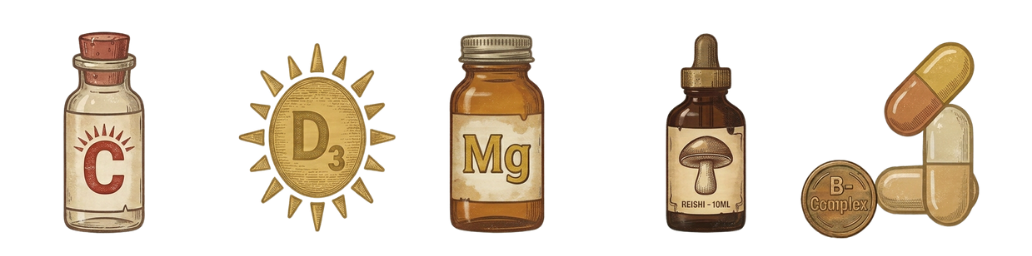
- Micronutrients: Obtain vitamins and minerals primarily through a varied diet; supplementation should be based on individual need and appropriate professional advice.
- Clinical considerations: Learn how nutrition relates to health conditions while recognizing that diagnosis and medical nutrition therapy require qualified healthcare or dietetics professionals.
- Micronutrients: Obtain vitamins and minerals primarily through a varied diet; supplementation should be based on individual need and appropriate professional advice.

6. Meal Timing Around Training
Nutrition supports training energy, recovery, and adaptation. Needs vary with body size, training volume, goals, dietary pattern, and health status, so one plan does not suit every gym participant.
- Protein: Include appropriate protein sources to support normal tissue maintenance and exercise recovery; individual requirements vary with body size, diet, and training.
- Protein: Include appropriate protein sources to support normal tissue maintenance and exercise recovery; individual requirements vary with body size, diet, and training.
- Energy balance: Use realistic awareness of energy intake and expenditure rather than extreme restriction or rigid targets.

7. Other Considerations
- Hydration: Drink according to thirst, climate, activity, and individual needs; athletes may require more structured hydration strategies.
- Hydration: Drink according to thirst, climate, activity, and individual needs; athletes may require more structured hydration strategies.

8. Conclusion
The Academy of Medical Sciences, Vietnam offers structured Nutrition Coach education combining nutrition foundations, practical communication, behavior-change support, research literacy, and clear non-clinical professional boundaries.


 Tham gia ngay
