
Professional Meditation Teacher Course
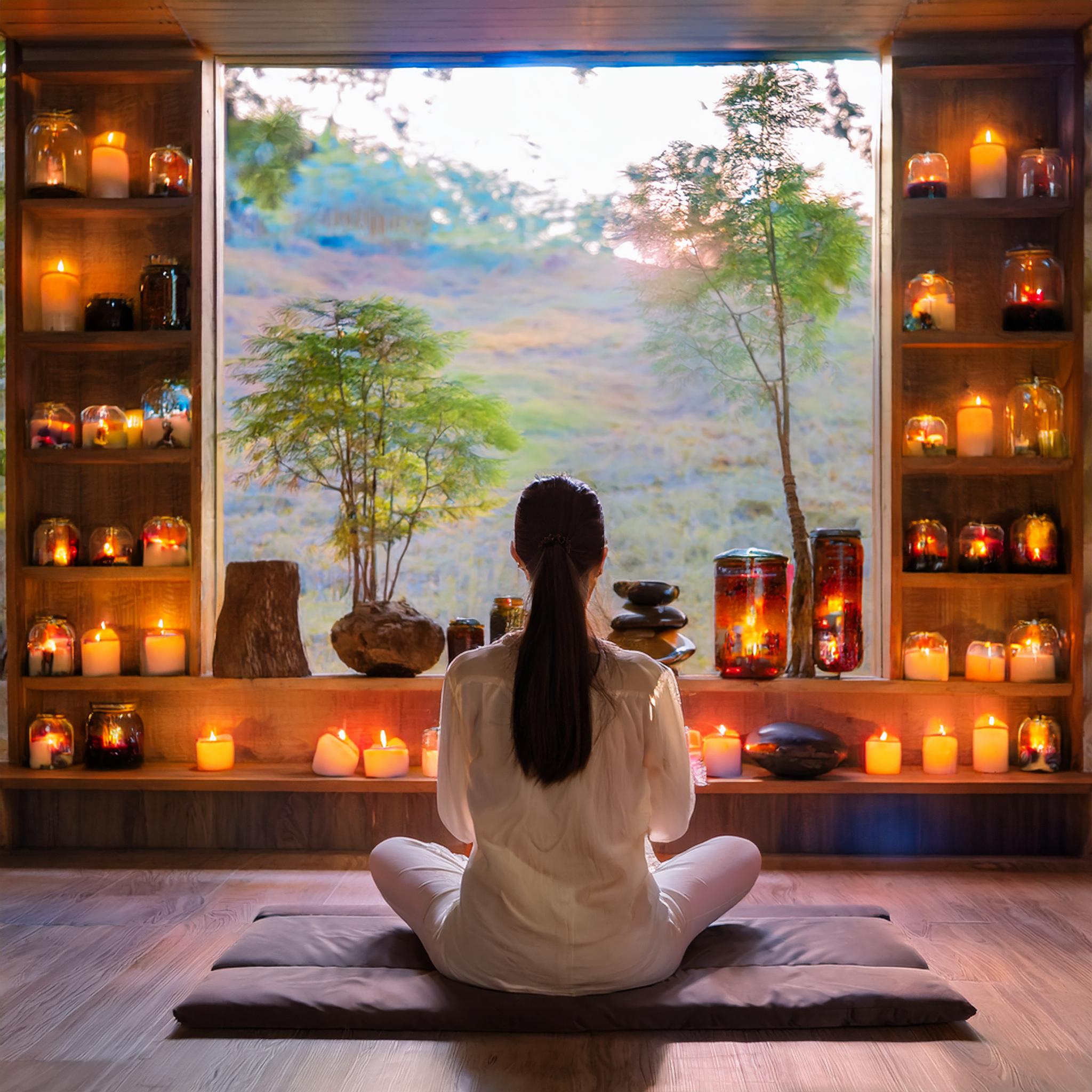
Meditation is a longstanding contemplative practice found in multiple spiritual and philosophical traditions. The Professional Meditation Teacher course at the Academy of Medical Sciences, Vietnam combines personal practice, foundational theory, facilitation skills, ethics, and non-clinical applications.
Meditation is a longstanding contemplative practice found in Buddhist, Hindu, and other philosophical traditions. In contemporary settings, meditation is also practiced for attention, relaxation, self-awareness, and general well-being. It should not be presented as a substitute for medical or psychological treatment.
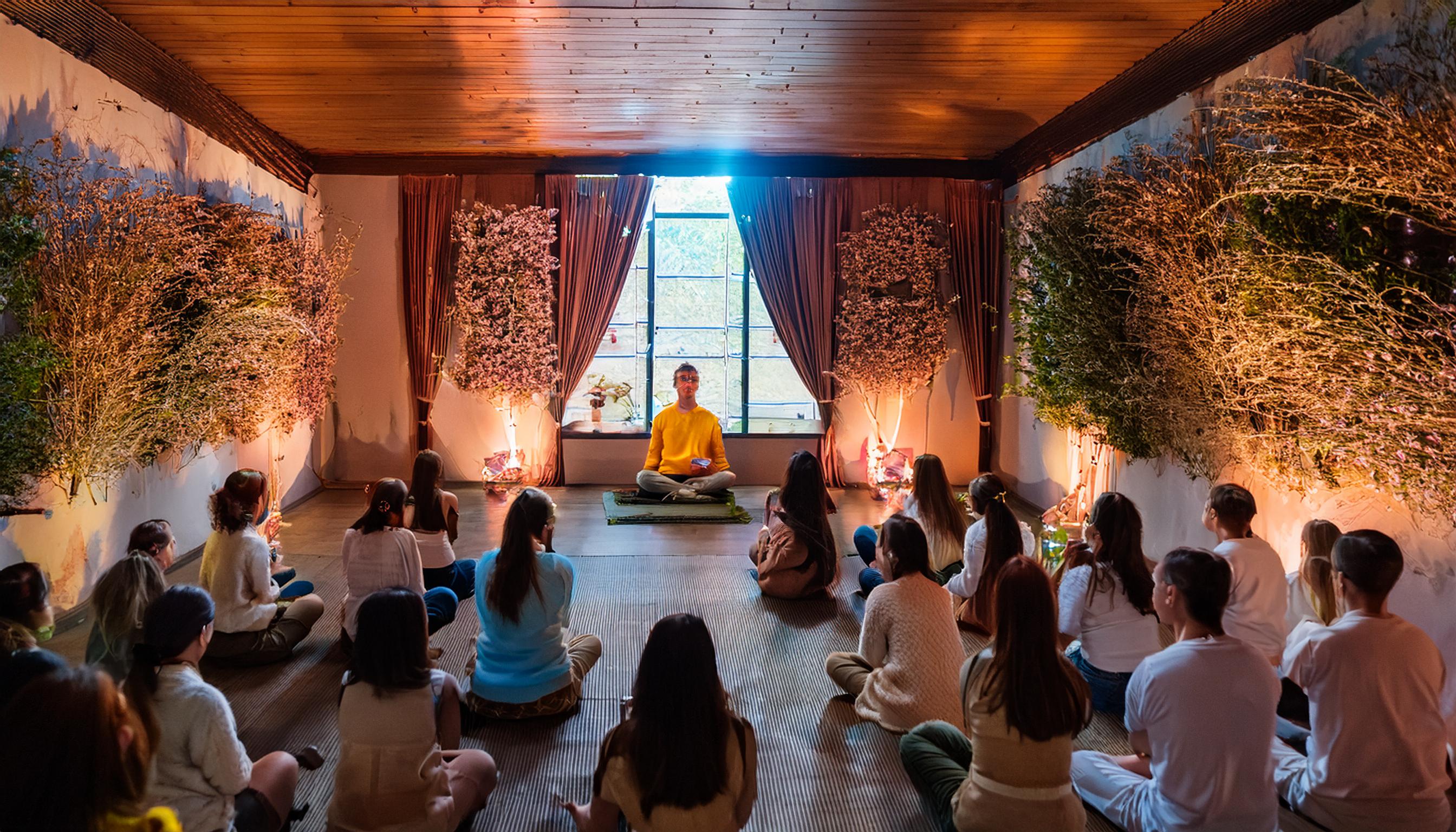
In Vietnam, growing interest in meditation has also created demand for structured facilitator and teacher education. The Academy of Medical Sciences, Vietnam offers meditation training designed to combine personal practice with foundational theory and facilitation skills.
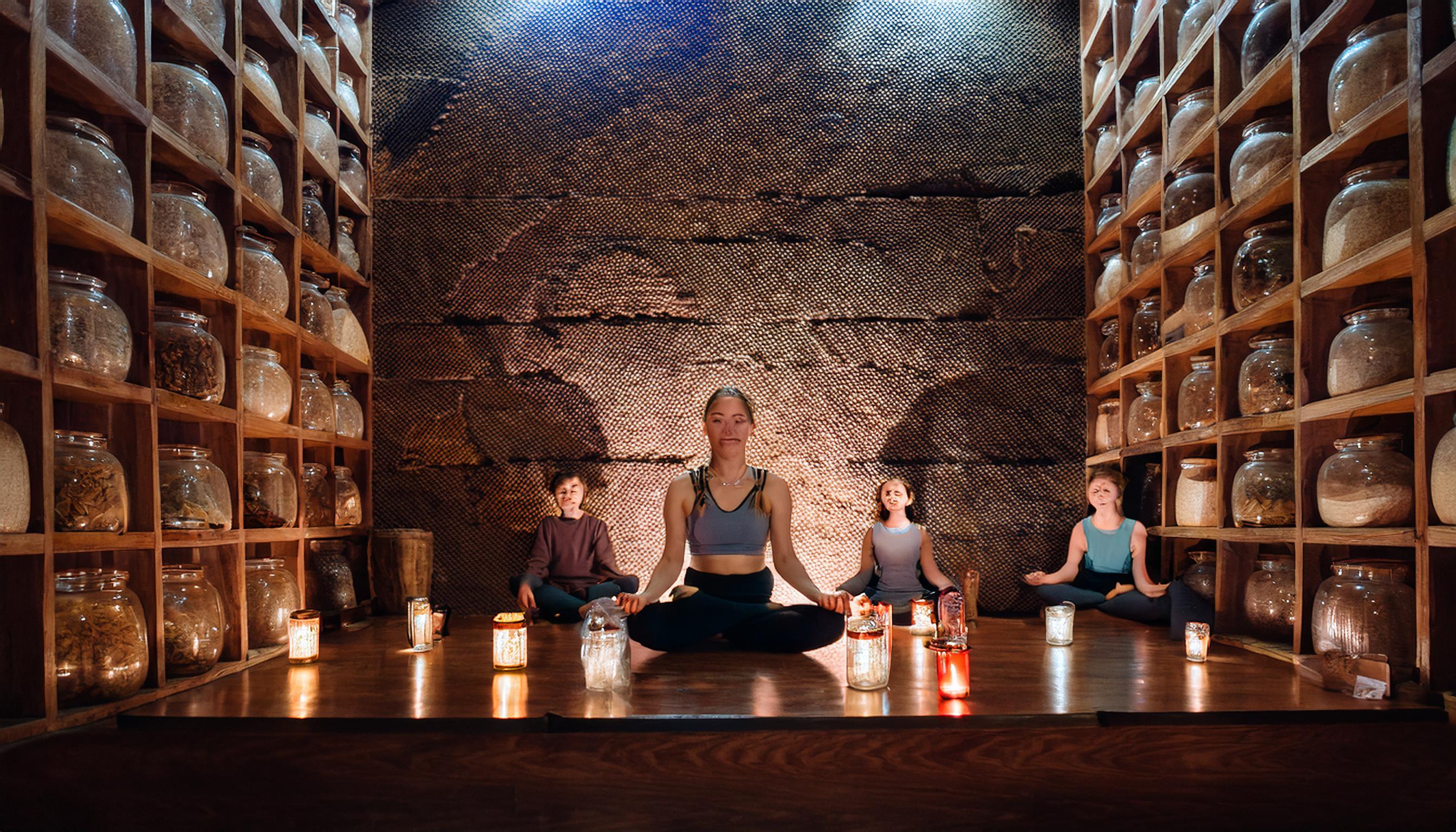
The Professional Meditation Teacher course at the Academy of Medical Sciences, Vietnam is intended for learners who want to deepen their practice and learn how to guide non-clinical meditation sessions responsibly.
Course Objectives
The Meditation Teacher course at the Academy of Medical Sciences, Vietnam may pursue the following objectives:
- Build a foundation in meditation: Study basic concepts, traditions, approaches, and contemporary applications.
- Develop facilitation skills: Learn how to guide individual and group meditation sessions clearly and safely.
- Understand well-being applications: Review evidence and limitations related to meditation, stress, attention, and general well-being without making clinical-treatment claims.
- Strengthen personal practice: Regular personal practice helps facilitators understand the methods they teach.
- Develop responsible meditation educators: Emphasize ethics, inclusion, professional boundaries, and appropriate referral.
Course Content
The Professional Meditation Teacher course combines theory and practice. Topics may include:
- Introduction to meditation: Historical context, selected traditions, foundational principles, and responsible contemporary practice.
- Basic meditation methods: Mindfulness, breath awareness, concentration practices, and relaxation-oriented techniques.
- Meditation in everyday life: Applying awareness practices to daily routines, stress management, patience, and self-reflection.
- Guiding meditation for others: Structuring and facilitating appropriate individual or group sessions.
- Meditation and health: Reviewing research on meditation and well-being while recognizing that evidence varies and meditation does not replace healthcare.
- Meditation-teacher skills: Session planning, communication, group facilitation, boundaries, and creating an inclusive learning environment.
Teaching Methods
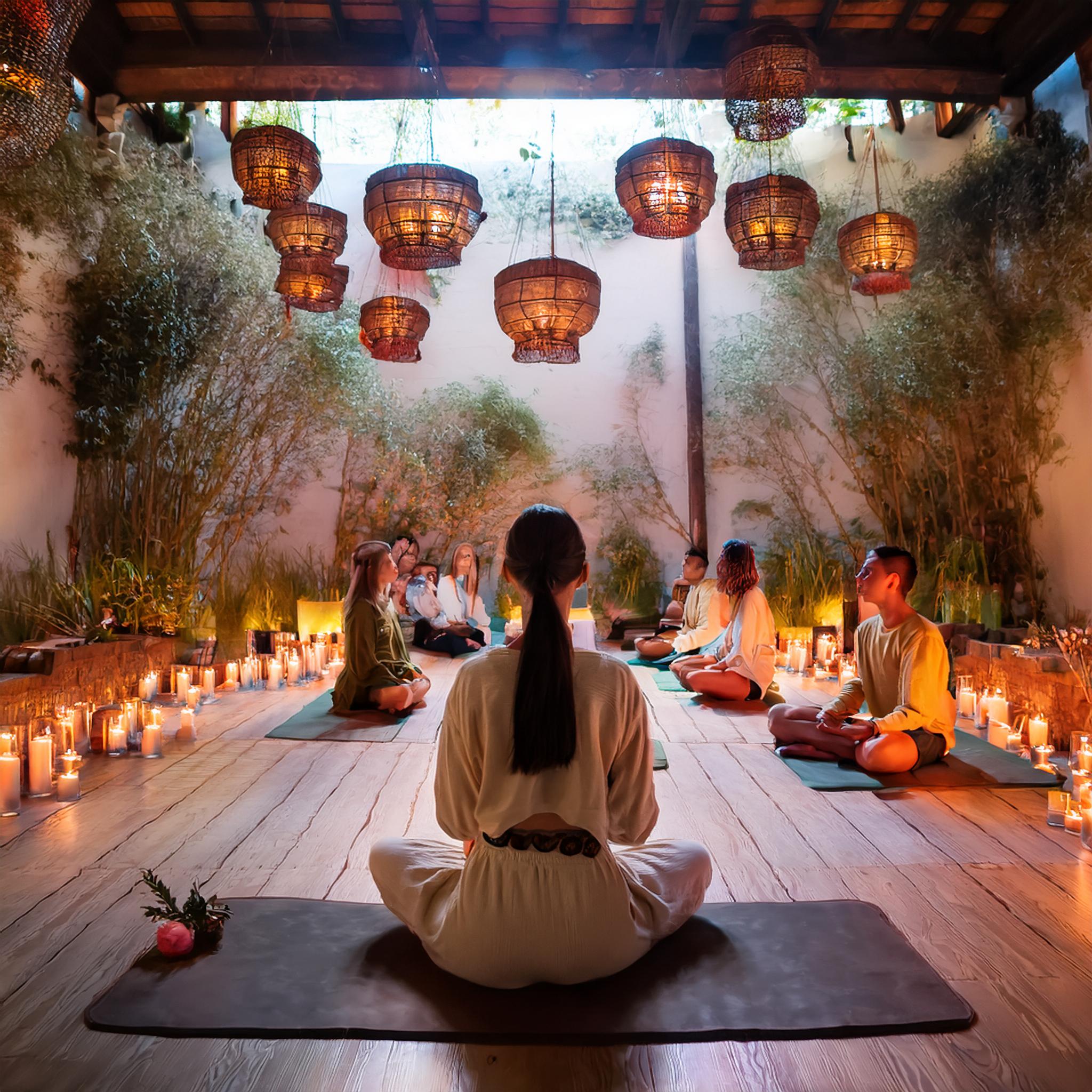
The course combines instructor-led learning, meditation practice, guided facilitation exercises, discussion, and supporting materials.
- Practice-based learning: Learners participate in meditation sessions and reflect on their experience.
- Facilitation practice: Learners may guide sessions for peers and receive feedback.
- Group discussion: Learners share observations and discuss practical facilitation situations.
- Videos and supporting materials: Additional educational resources may reinforce course content.
Who Is the Course For?
The course is intended for people interested in meditation and responsible facilitation. It may be relevant to:
- People who practice meditation and want structured deeper study.
- Healthcare or mental-health professionals who wish to understand meditation as a complementary non-clinical practice while remaining within their professional scope.
- People interested in becoming meditation teachers or facilitators.
- People interested in mindfulness, relaxation, self-awareness, and personal development.
Benefits of the Course
- Personal practice: Develop a more consistent and informed meditation practice.
- Facilitation skills: Learn how to organize and guide non-clinical meditation sessions.
- Self-awareness: Meditation practice may support reflection, attention, patience, and awareness of one's responses.
- Communication and teaching: Practice explaining meditation clearly and facilitating groups responsibly.
Conclusion
The Professional Meditation Teacher course at the Academy of Medical Sciences, Vietnam can help learners deepen their understanding of meditation and develop skills for guiding non-clinical sessions responsibly.

 Tham gia ngay
