
10 Reasons to Study Meditation at the Academy of Medical Sciences, Vietnam
The Academy of Medical Sciences, Vietnam offers structured meditation education combining traditional context, contemporary research literacy, personal practice, facilitation skills, flexible learning, and responsible non-clinical applications.
Meditation is a longstanding contemplative practice used in many traditions and contemporary wellness settings. People may practice it for attention, relaxation, self-awareness, and personal development. The Academy of Medical Sciences, Vietnam offers structured meditation education for learners who want to study and practice in an organized environment. Here are ten reasons to consider the program.
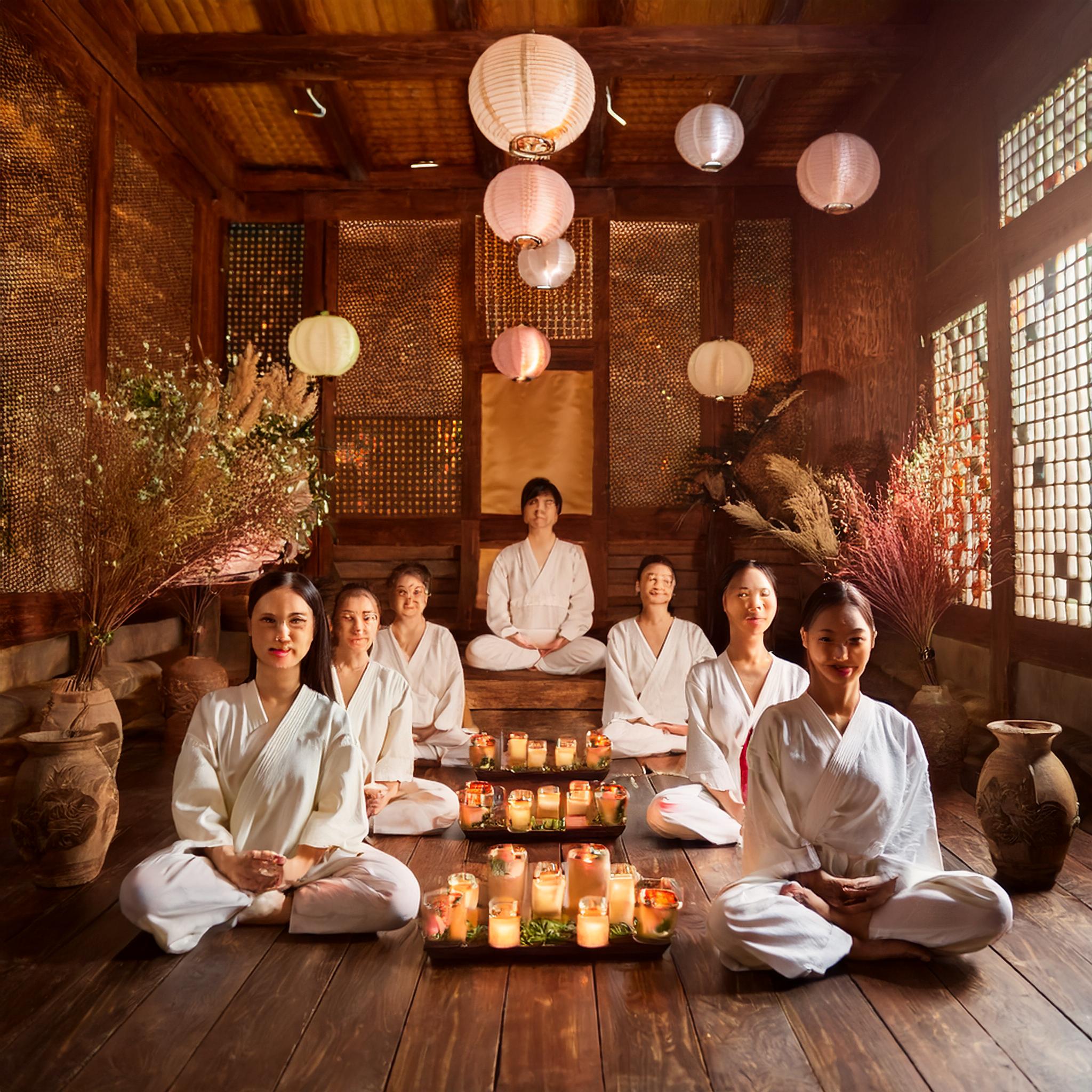
1. Learn with Experienced Instructors
Training may involve instructors with relevant meditation practice, teaching experience, and backgrounds related to health, education, or contemplative studies. Prospective learners should review the current faculty information for the applicable intake.
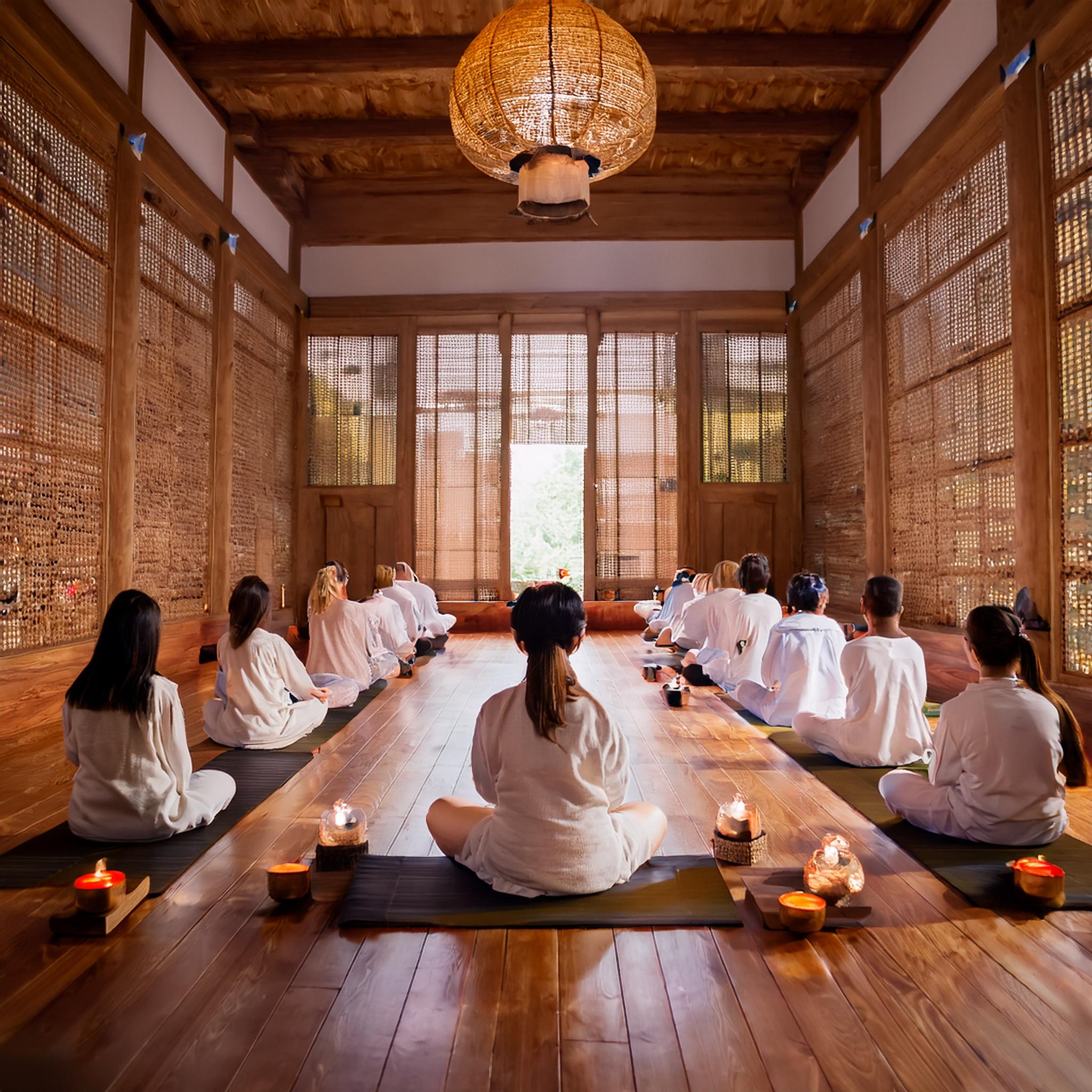
2. Structured and Selected Meditation Methods
The program may introduce mindfulness, breath awareness, concentration, relaxation, and other meditation approaches. Health-related evidence and limitations should be discussed responsibly; meditation should not be promoted as a treatment for chronic disease.
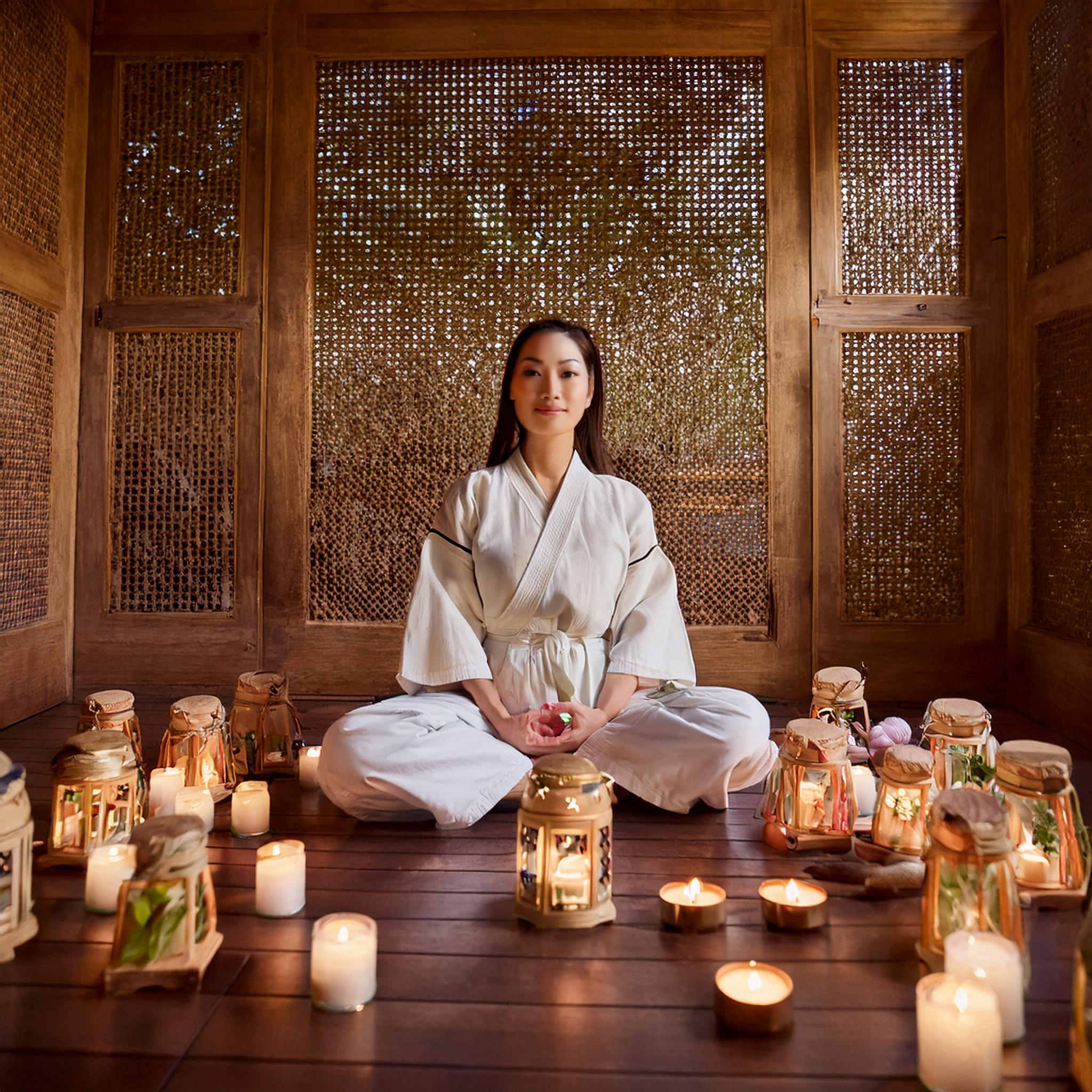
3. A Learning Environment Supportive of Practice
A quiet, comfortable learning environment can help learners focus on meditation practice. Available facilities and course formats should be confirmed from current program information.
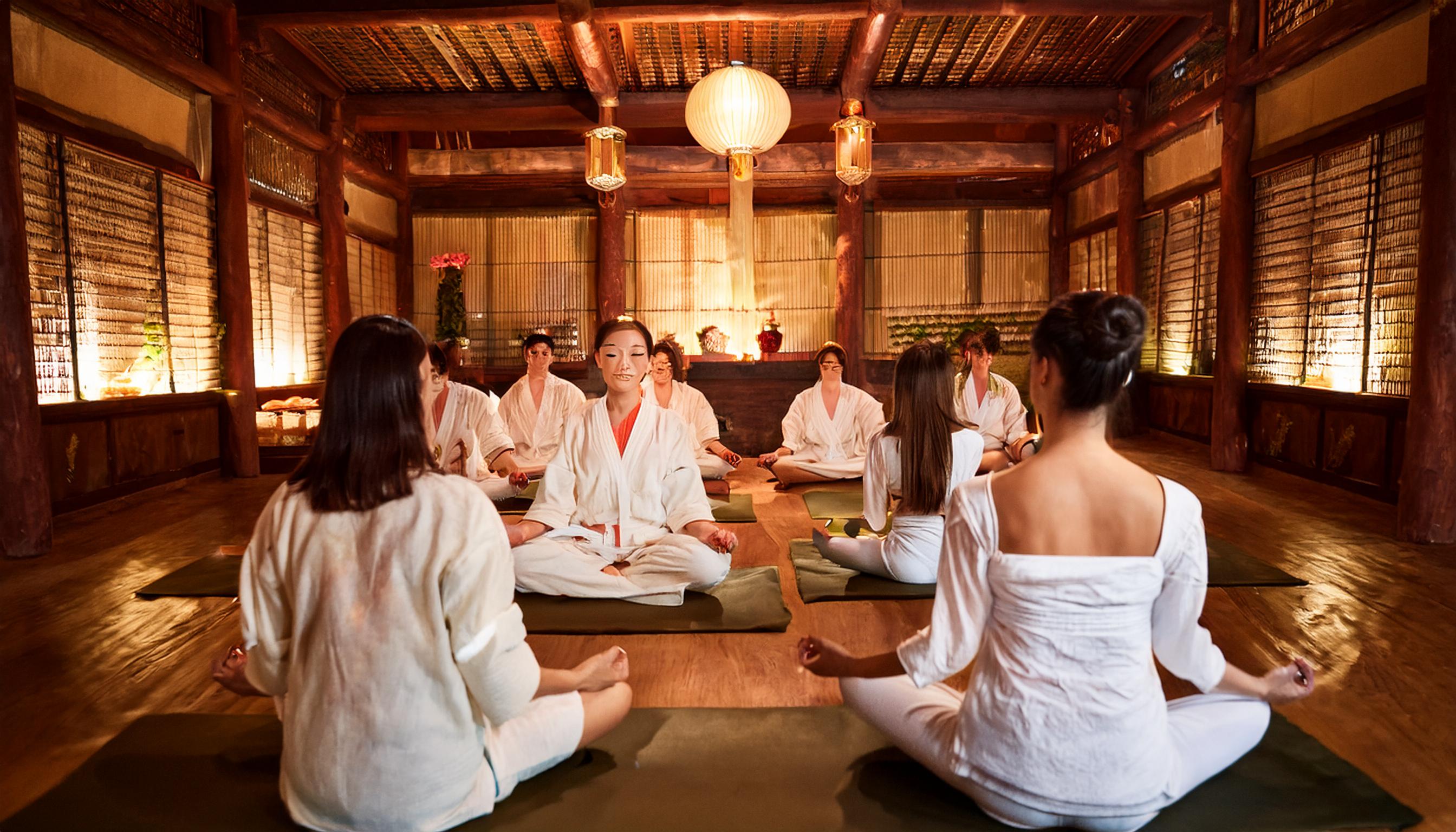
4. Learn Within a Community
Group learning allows participants to share experiences, discuss challenges, and support consistent practice while respecting differences in beliefs, backgrounds, and individual responses to meditation.
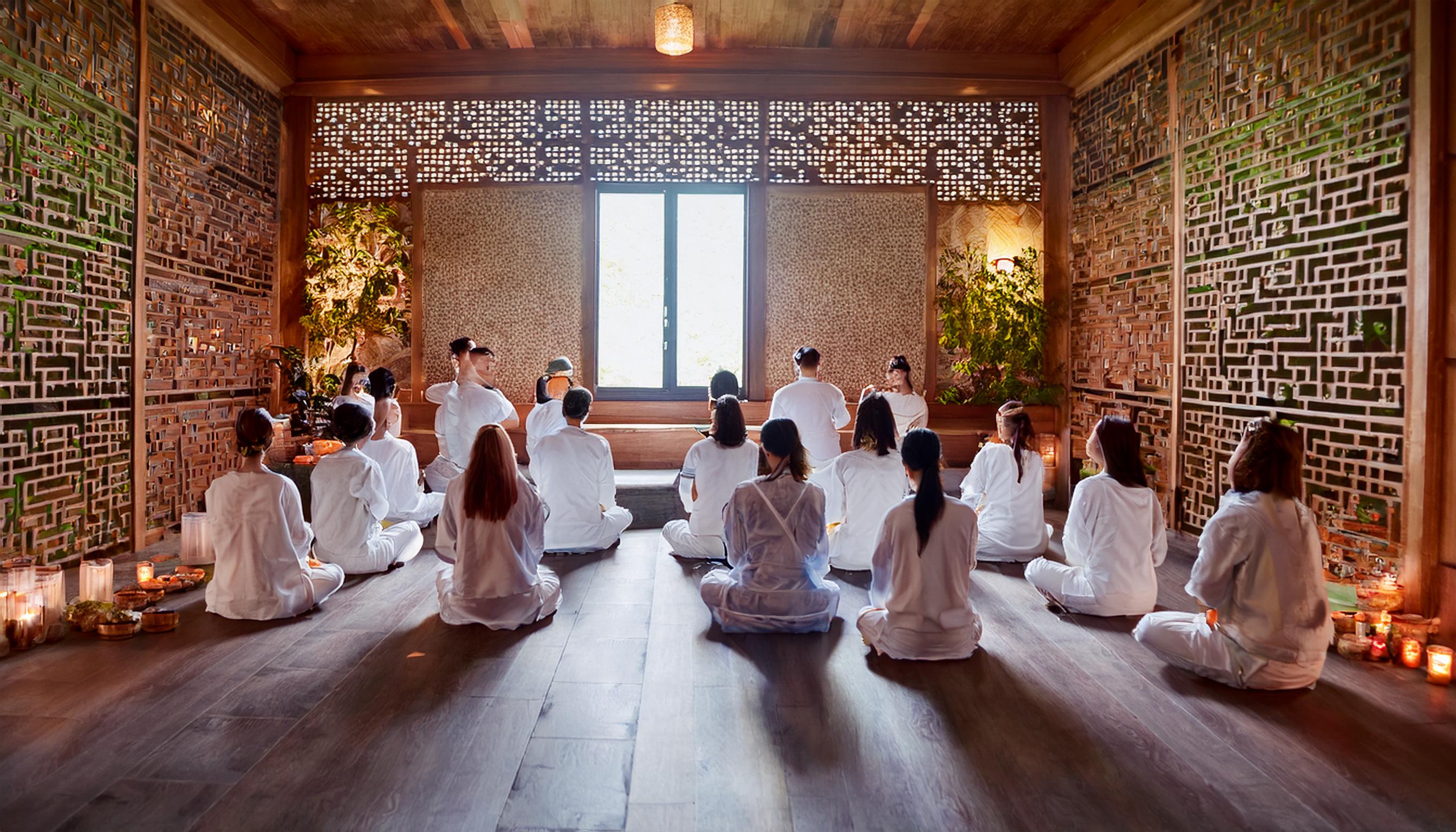
5. Content Informed by Contemporary Research
The Academy of Medical Sciences, Vietnam can incorporate research literacy into meditation education, helping learners distinguish traditional claims, emerging findings, and well-established evidence. Course content may be updated as relevant research develops.
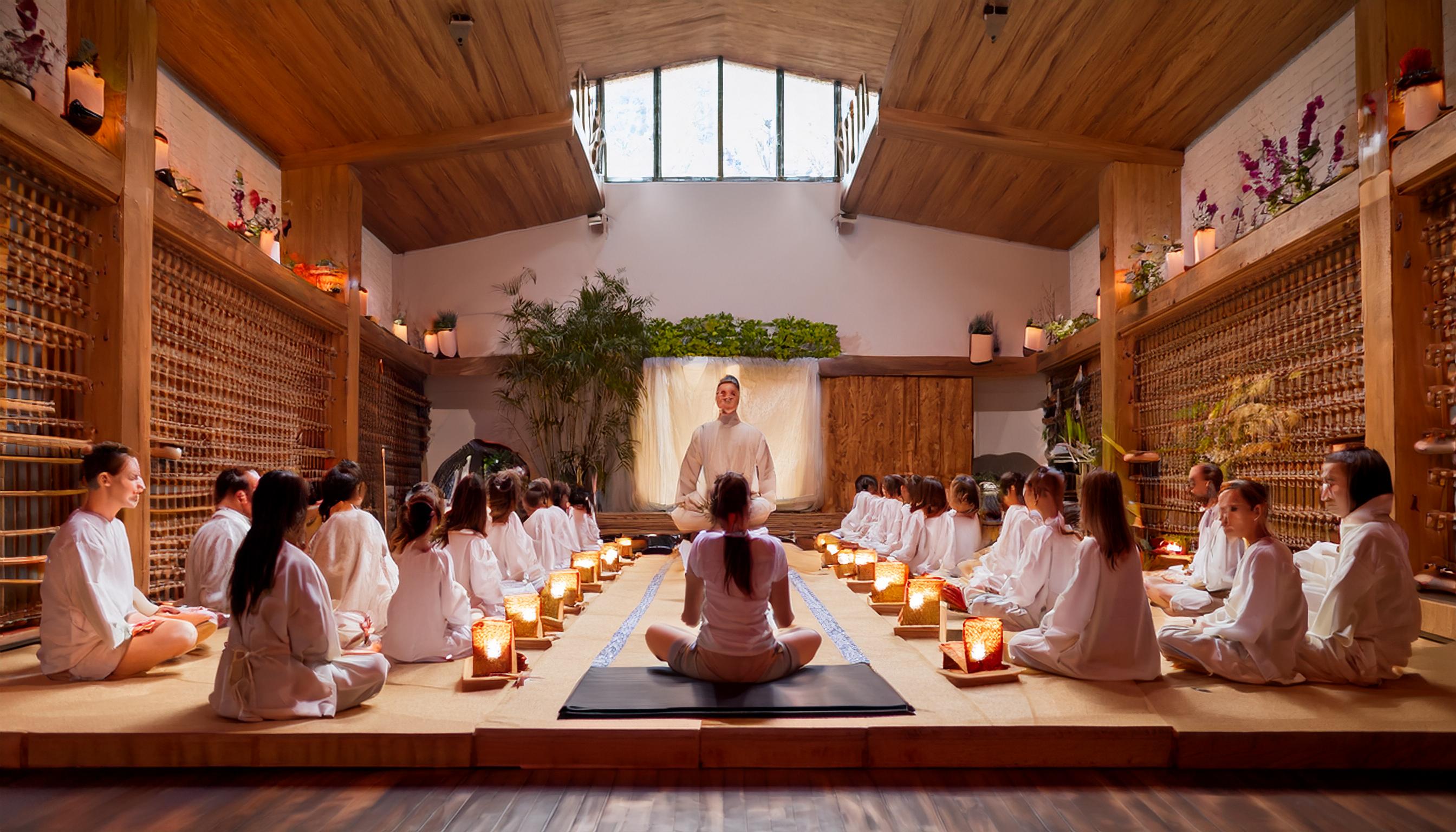
6. Appropriate Health and Psychological Boundaries
Meditation education should include recognition of situations requiring healthcare or mental-health support. Learners experiencing persistent anxiety, depression, trauma-related symptoms, or other significant concerns should seek qualified professional care rather than relying on meditation alone.
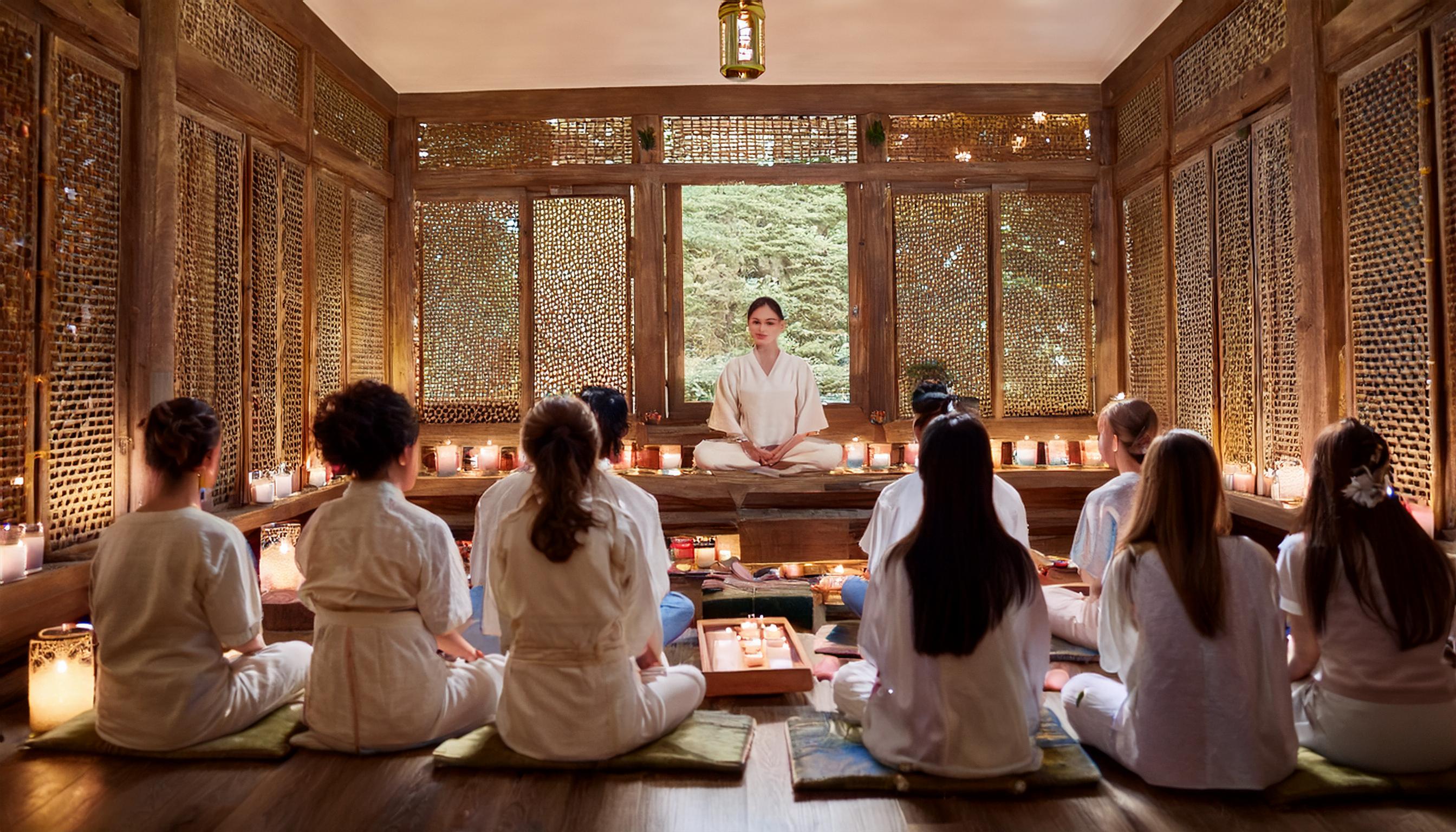
7. Support for General Well-Being
Meditation can be combined with healthy sleep, physical activity, balanced nutrition, and other general wellness habits. It should not be presented as preventing or treating chronic disease or strengthening immunity without appropriate evidence.
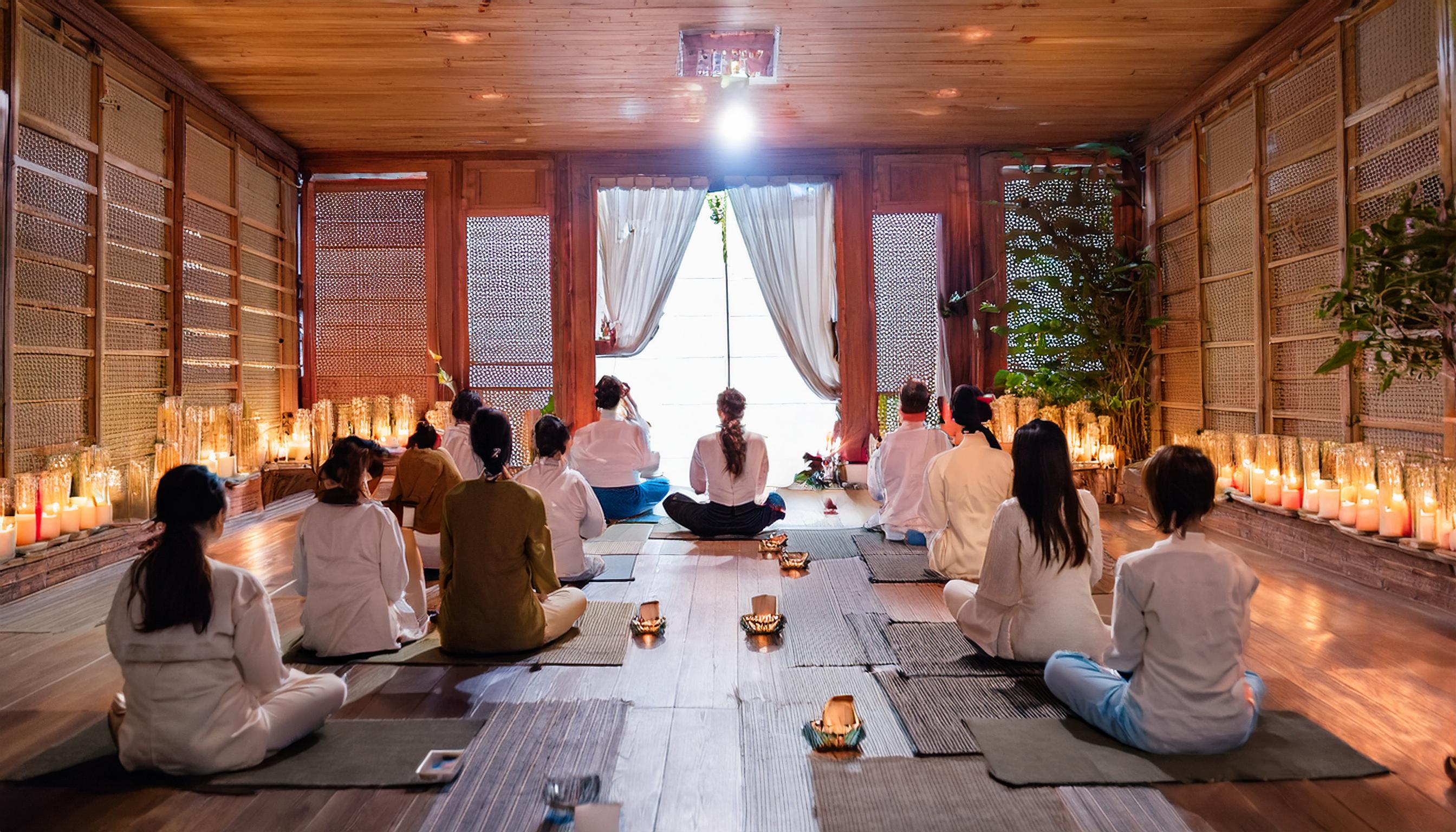
8. Develop Self-Awareness and Emotional Skills
Meditation practice may help some people become more aware of thoughts, emotions, and habitual reactions. These skills can support reflection and communication, though individual experiences vary.
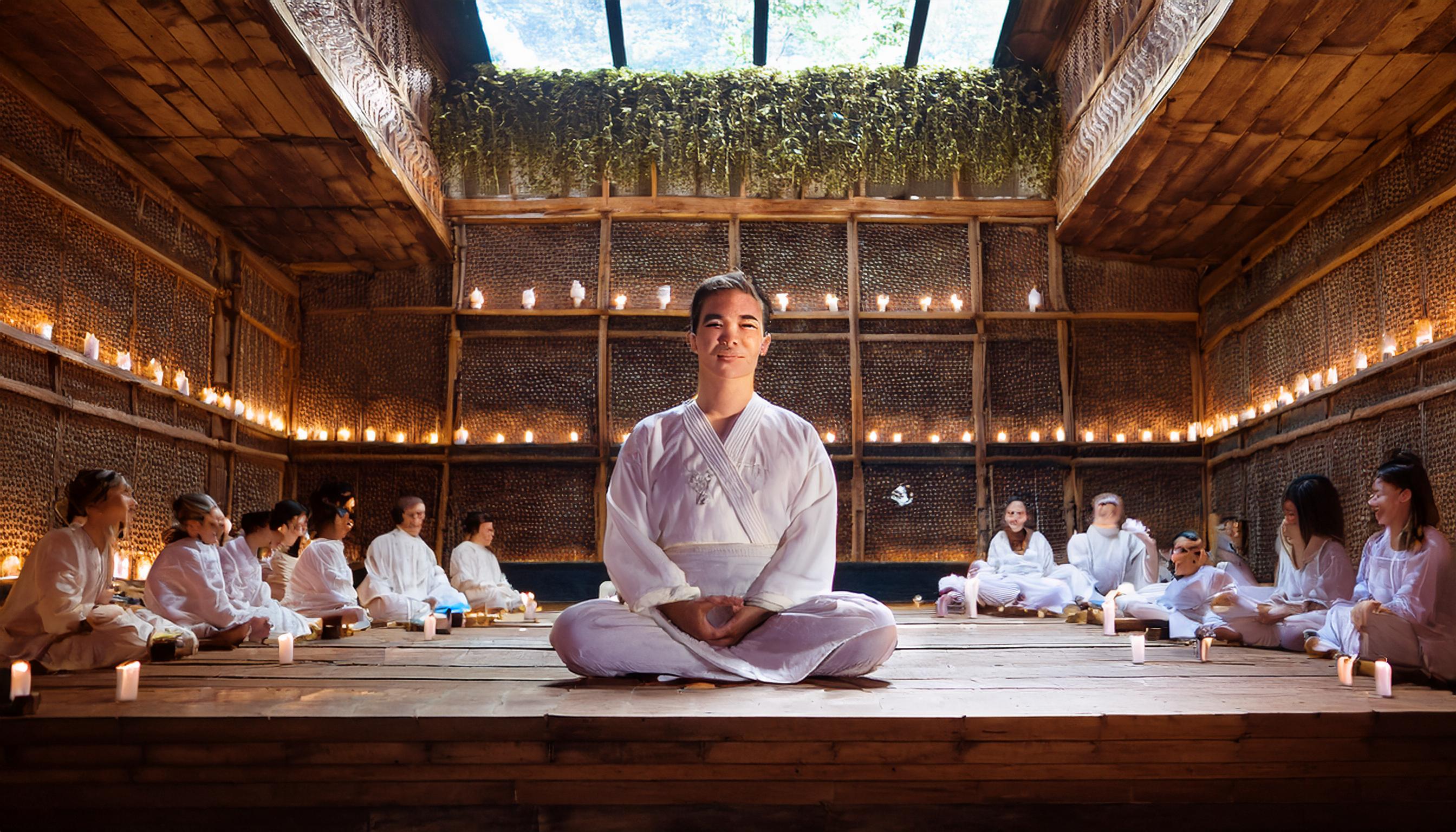
9. Flexible Learning Options
Depending on the current intake, the Academy of Medical Sciences, Vietnam may offer different schedules or learning formats. Prospective learners should confirm whether in-person, online, or blended options are currently available.
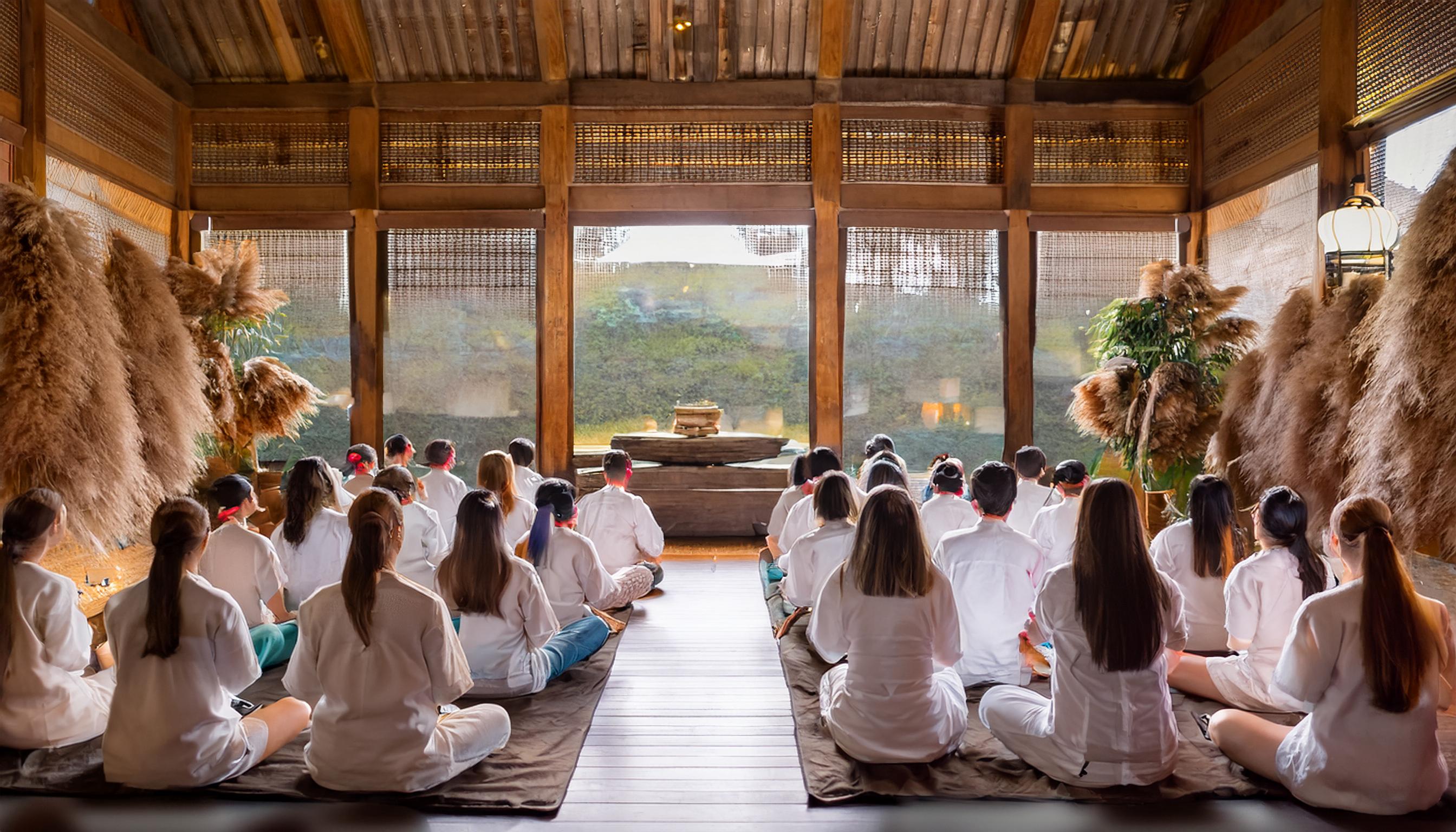
10. Track Your Practice and Learning
Learners may use practice logs, reflective exercises, self-assessment, or other tools to monitor consistency and learning. Such measures document personal progress but should not be interpreted as clinical health outcomes.
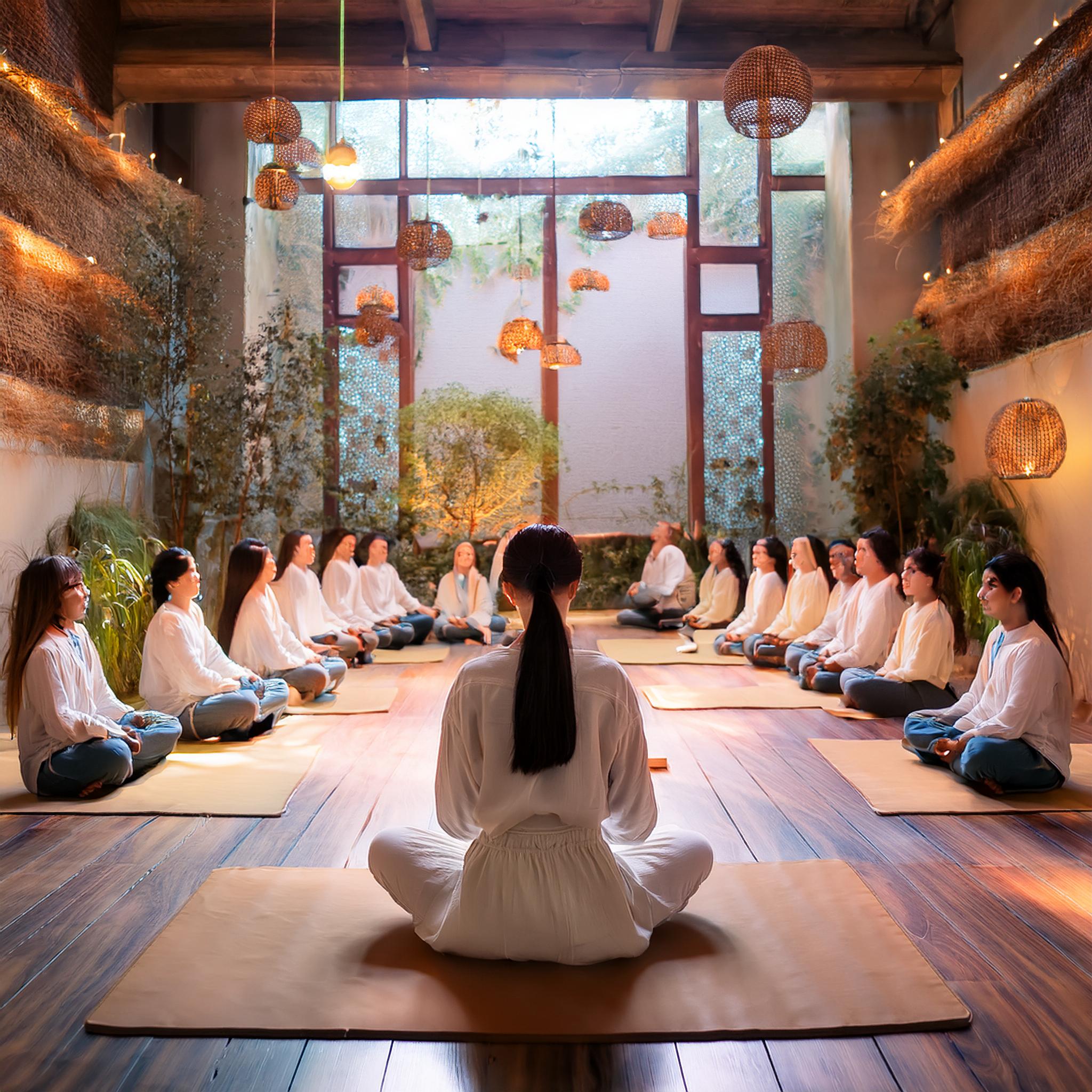
Conclusion
The Academy of Medical Sciences, Vietnam offers a structured setting for people interested in meditation practice, research literacy, and facilitation. The best program is one that matches your goals, respects professional and clinical boundaries, and supports consistent practice without exaggerated health promises.


 Tham gia ngay
