
Reiki Level 1 Course: Self-Practice at the Academy of Medical Sciences, Vietnam
Reiki may be taught as a complementary wellness tradition with emphasis on relaxation, consent, ethics, and boundaries; its proposed energy mechanisms are not established biomedical facts and it should not replace healthcare.
Reiki is commonly described by practitioners in terms of an energy-healing tradition, but such energy mechanisms have not been established by biomedical science. It should not be claimed to diagnose, cure, or treat disease.
- Reiki is commonly described by practitioners in terms of an energy-healing tradition, but such energy mechanisms have not been established by biomedical science. It should not be claimed to diagnose, cure, or treat disease.
- Reiki is commonly described by practitioners in terms of an energy-healing tradition, but such energy mechanisms have not been established by biomedical science. It should not be claimed to diagnose, cure, or treat disease.
Reiki is commonly described by practitioners in terms of an energy-healing tradition, but such energy mechanisms have not been established by biomedical science. It should not be claimed to diagnose, cure, or treat disease.
Reiki education may focus on its history, traditional concepts, relaxation-oriented practice, consent, ethics, boundaries, and respectful use as a complementary wellness activity.
- Reiki is commonly described by practitioners in terms of an energy-healing tradition, but such energy mechanisms have not been established by biomedical science. It should not be claimed to diagnose, cure, or treat disease.
- Reiki is commonly described by practitioners in terms of an energy-healing tradition, but such energy mechanisms have not been established by biomedical science. It should not be claimed to diagnose, cure, or treat disease.
- Reiki is commonly described by practitioners in terms of an energy-healing tradition, but such energy mechanisms have not been established by biomedical science. It should not be claimed to diagnose, cure, or treat disease.
Reiki is commonly described by practitioners in terms of an energy-healing tradition, but such energy mechanisms have not been established by biomedical science. It should not be claimed to diagnose, cure, or treat disease.

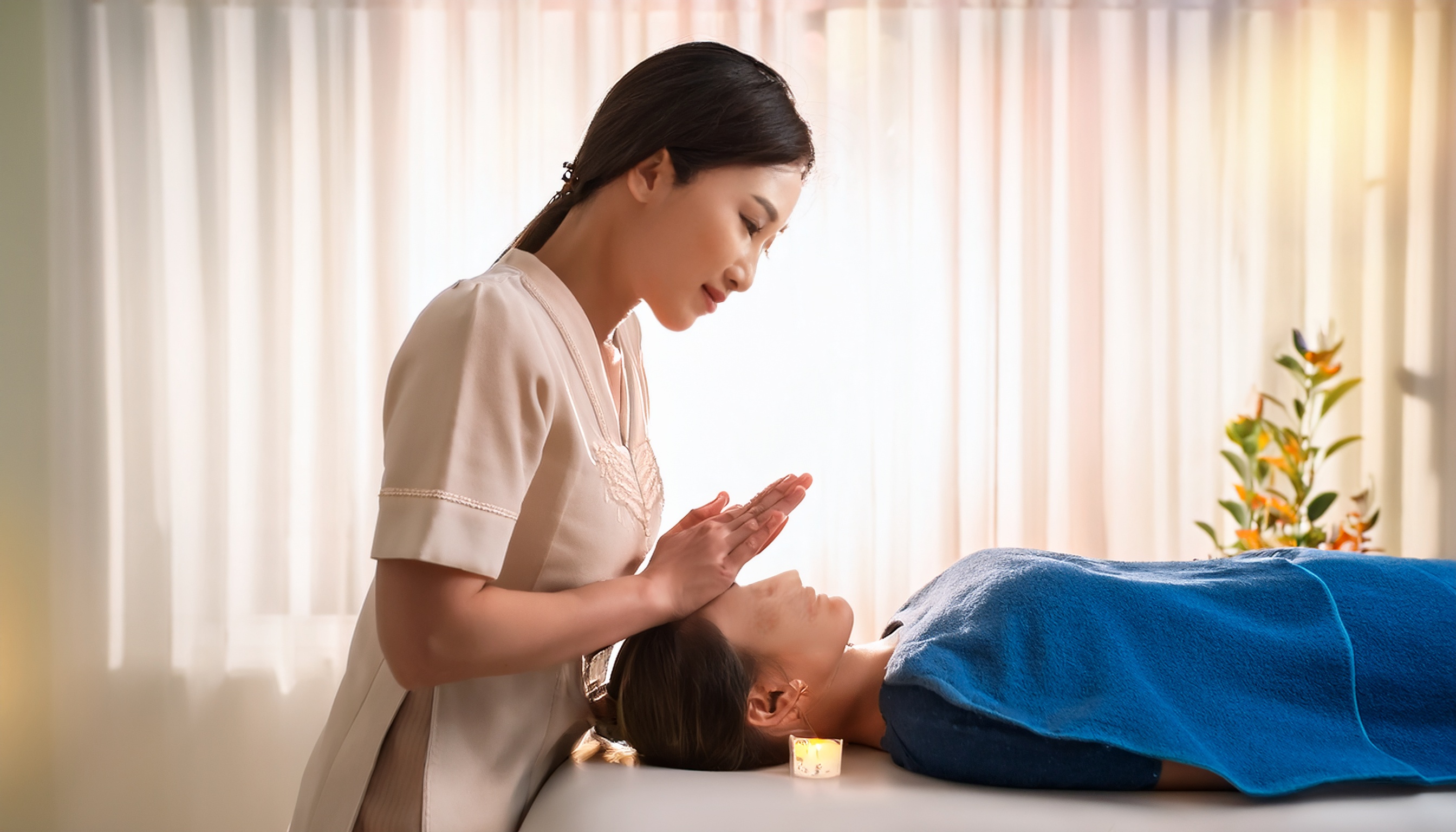
Reiki Practice
Reiki education may focus on its history, traditional concepts, relaxation-oriented practice, consent, ethics, boundaries, and respectful use as a complementary wellness activity.
- Reiki is commonly described by practitioners in terms of an energy-healing tradition, but such energy mechanisms have not been established by biomedical science. It should not be claimed to diagnose, cure, or treat disease.
- Reiki is commonly described by practitioners in terms of an energy-healing tradition, but such energy mechanisms have not been established by biomedical science. It should not be claimed to diagnose, cure, or treat disease.
- Reiki is commonly described by practitioners in terms of an energy-healing tradition, but such energy mechanisms have not been established by biomedical science. It should not be claimed to diagnose, cure, or treat disease.
- Reiki education may focus on its history, traditional concepts, relaxation-oriented practice, consent, ethics, boundaries, and respectful use as a complementary wellness activity.
- Reiki is commonly described by practitioners in terms of an energy-healing tradition, but such energy mechanisms have not been established by biomedical science. It should not be claimed to diagnose, cure, or treat disease.
- Reiki is commonly described by practitioners in terms of an energy-healing tradition, but such energy mechanisms have not been established by biomedical science. It should not be claimed to diagnose, cure, or treat disease.
Reiki Practice
Reiki is commonly described by practitioners in terms of an energy-healing tradition, but such energy mechanisms have not been established by biomedical science. It should not be claimed to diagnose, cure, or treat disease.
Reiki is commonly described by practitioners in terms of an energy-healing tradition, but such energy mechanisms have not been established by biomedical science. It should not be claimed to diagnose, cure, or treat disease.
Reiki is commonly described by practitioners in terms of an energy-healing tradition, but such energy mechanisms have not been established by biomedical science. It should not be claimed to diagnose, cure, or treat disease.


Course Content
Reiki is commonly described by practitioners in terms of an energy-healing tradition, but such energy mechanisms have not been established by biomedical science. It should not be claimed to diagnose, cure, or treat disease.
Reiki Education
| Reiki education may focus on its history, traditional concepts, relaxation-oriented practice, consent, ethics, boundaries, and respectful use as a complementary wellness activity. | Reiki education may focus on its history, traditional concepts, relaxation-oriented practice, consent, ethics, boundaries, and respectful use as a complementary wellness activity. | Reiki education may focus on its history, traditional concepts, relaxation-oriented practice, consent, ethics, boundaries, and respectful use as a complementary wellness activity. |
| Reiki education may focus on its history, traditional concepts, relaxation-oriented practice, consent, ethics, boundaries, and respectful use as a complementary wellness activity. | Reiki is commonly described by practitioners in terms of an energy-healing tradition, but such energy mechanisms have not been established by biomedical science. It should not be claimed to diagnose, cure, or treat disease. | Reiki is commonly described by practitioners in terms of an energy-healing tradition, but such energy mechanisms have not been established by biomedical science. It should not be claimed to diagnose, cure, or treat disease. |
| Reiki education may focus on its history, traditional concepts, relaxation-oriented practice, consent, ethics, boundaries, and respectful use as a complementary wellness activity. | Reiki is commonly described by practitioners in terms of an energy-healing tradition, but such energy mechanisms have not been established by biomedical science. It should not be claimed to diagnose, cure, or treat disease. | Reiki is commonly described by practitioners in terms of an energy-healing tradition, but such energy mechanisms have not been established by biomedical science. It should not be claimed to diagnose, cure, or treat disease. |
| Reiki education may focus on its history, traditional concepts, relaxation-oriented practice, consent, ethics, boundaries, and respectful use as a complementary wellness activity. | Reiki is commonly described by practitioners in terms of an energy-healing tradition, but such energy mechanisms have not been established by biomedical science. It should not be claimed to diagnose, cure, or treat disease. | Reiki is commonly described by practitioners in terms of an energy-healing tradition, but such energy mechanisms have not been established by biomedical science. It should not be claimed to diagnose, cure, or treat disease. |
Reiki Education
Reiki education may focus on its history, traditional concepts, relaxation-oriented practice, consent, ethics, boundaries, and respectful use as a complementary wellness activity.
- Reiki is commonly described by practitioners in terms of an energy-healing tradition, but such energy mechanisms have not been established by biomedical science. It should not be claimed to diagnose, cure, or treat disease.
- Reiki education may focus on its history, traditional concepts, relaxation-oriented practice, consent, ethics, boundaries, and respectful use as a complementary wellness activity.
- Reiki is commonly described by practitioners in terms of an energy-healing tradition, but such energy mechanisms have not been established by biomedical science. It should not be claimed to diagnose, cure, or treat disease.
- Reiki is commonly described by practitioners in terms of an energy-healing tradition, but such energy mechanisms have not been established by biomedical science. It should not be claimed to diagnose, cure, or treat disease.
- Reiki education may focus on its history, traditional concepts, relaxation-oriented practice, consent, ethics, boundaries, and respectful use as a complementary wellness activity.
- Reiki education may focus on its history, traditional concepts, relaxation-oriented practice, consent, ethics, boundaries, and respectful use as a complementary wellness activity.
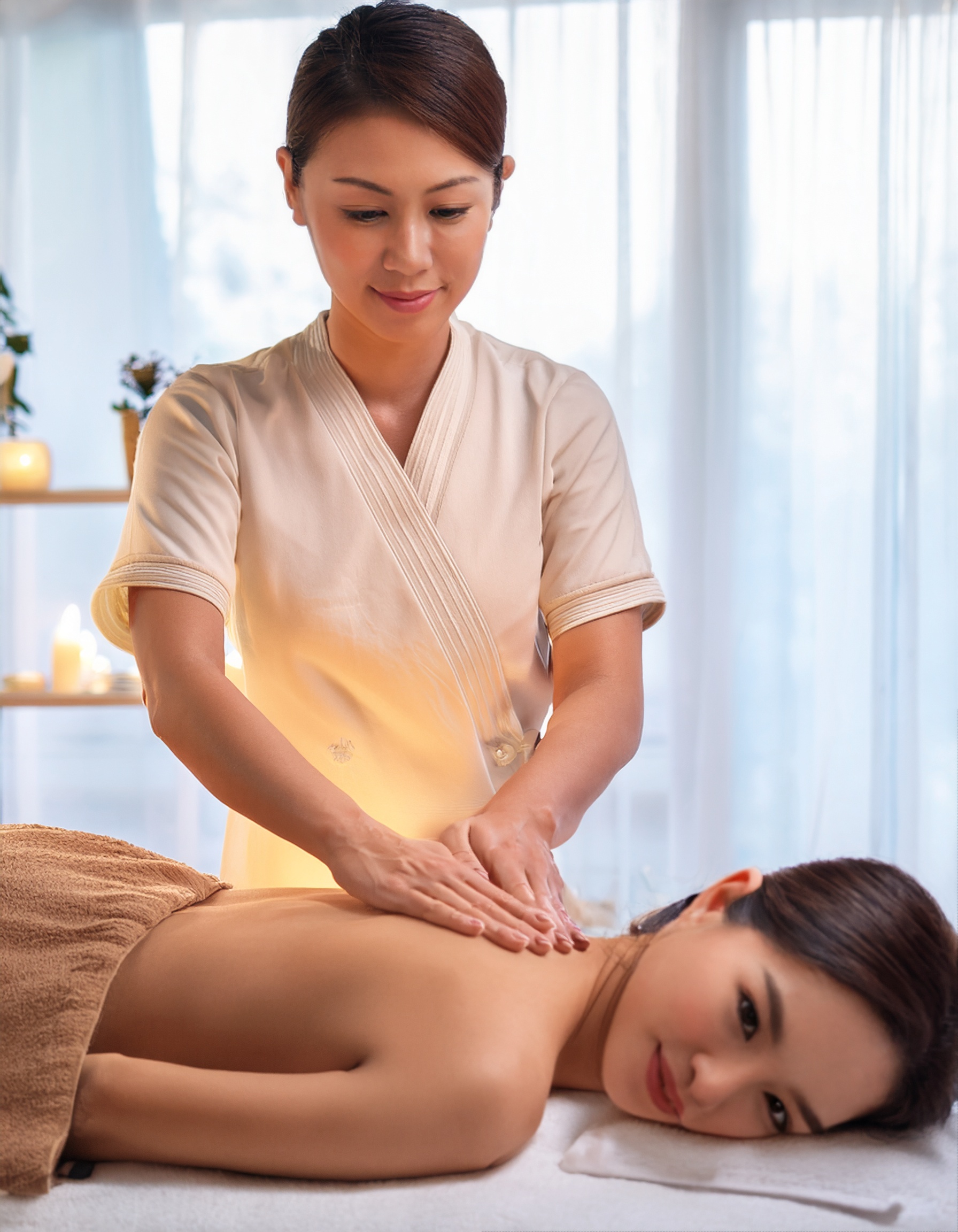

Reiki Education
Reiki education may focus on its history, traditional concepts, relaxation-oriented practice, consent, ethics, boundaries, and respectful use as a complementary wellness activity.
- Reiki is commonly described by practitioners in terms of an energy-healing tradition, but such energy mechanisms have not been established by biomedical science. It should not be claimed to diagnose, cure, or treat disease.
- Reiki education may focus on its history, traditional concepts, relaxation-oriented practice, consent, ethics, boundaries, and respectful use as a complementary wellness activity.
- Reiki education may focus on its history, traditional concepts, relaxation-oriented practice, consent, ethics, boundaries, and respectful use as a complementary wellness activity.
Reiki is commonly described by practitioners in terms of an energy-healing tradition, but such energy mechanisms have not been established by biomedical science. It should not be claimed to diagnose, cure, or treat disease.
Reiki Education
Reiki is commonly described by practitioners in terms of an energy-healing tradition, but such energy mechanisms have not been established by biomedical science. It should not be claimed to diagnose, cure, or treat disease.
Reiki is commonly described by practitioners in terms of an energy-healing tradition, but such energy mechanisms have not been established by biomedical science. It should not be claimed to diagnose, cure, or treat disease.


Practical Training
Reiki is commonly described by practitioners in terms of an energy-healing tradition, but such energy mechanisms have not been established by biomedical science. It should not be claimed to diagnose, cure, or treat disease.
- Reiki education may focus on its history, traditional concepts, relaxation-oriented practice, consent, ethics, boundaries, and respectful use as a complementary wellness activity.
- Reiki education may focus on its history, traditional concepts, relaxation-oriented practice, consent, ethics, boundaries, and respectful use as a complementary wellness activity.
- Reiki is commonly described by practitioners in terms of an energy-healing tradition, but such energy mechanisms have not been established by biomedical science. It should not be claimed to diagnose, cure, or treat disease.
Reiki education may focus on its history, traditional concepts, relaxation-oriented practice, consent, ethics, boundaries, and respectful use as a complementary wellness activity.
- Reiki is commonly described by practitioners in terms of an energy-healing tradition, but such energy mechanisms have not been established by biomedical science. It should not be claimed to diagnose, cure, or treat disease.
- Reiki education may focus on its history, traditional concepts, relaxation-oriented practice, consent, ethics, boundaries, and respectful use as a complementary wellness activity.
- Reiki is commonly described by practitioners in terms of an energy-healing tradition, but such energy mechanisms have not been established by biomedical science. It should not be claimed to diagnose, cure, or treat disease.


Conclusion
The Academy of Medical Sciences, Vietnam presents Reiki as a complementary wellness practice. Reiki concepts should not be described as established biomedical mechanisms or as substitutes for evidence-based healthcare.
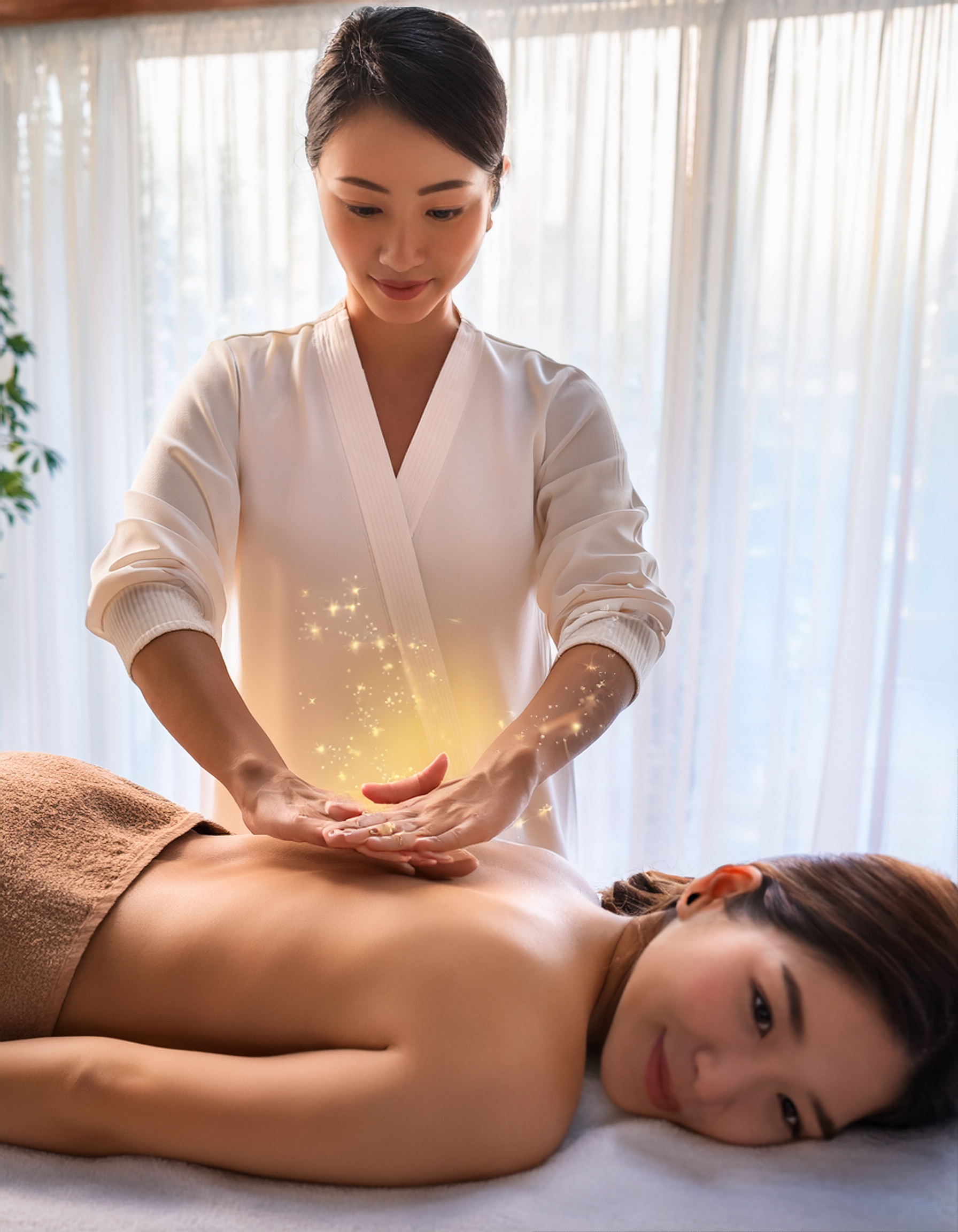

Reiki education may focus on its history, traditional concepts, relaxation-oriented practice, consent, ethics, boundaries, and respectful use as a complementary wellness activity.

 Tham gia ngay
