
Signs You May Want to Consider a Meditation Course
A meditation course may be useful for people seeking structured practice in mindfulness, relaxation, attention, and self-reflection. Persistent stress, sleep problems, grief, anxiety, depression, or other significant symptoms should also be discussed with qualified healthcare professionals.
Modern life can make it difficult to balance work, family responsibilities, rest, and personal well-being. Some people turn to meditation courses to learn structured mindfulness, relaxation, attention, and self-reflection practices. The Academy of Medical Sciences, Vietnam offers meditation education for people interested in developing these non-clinical skills.
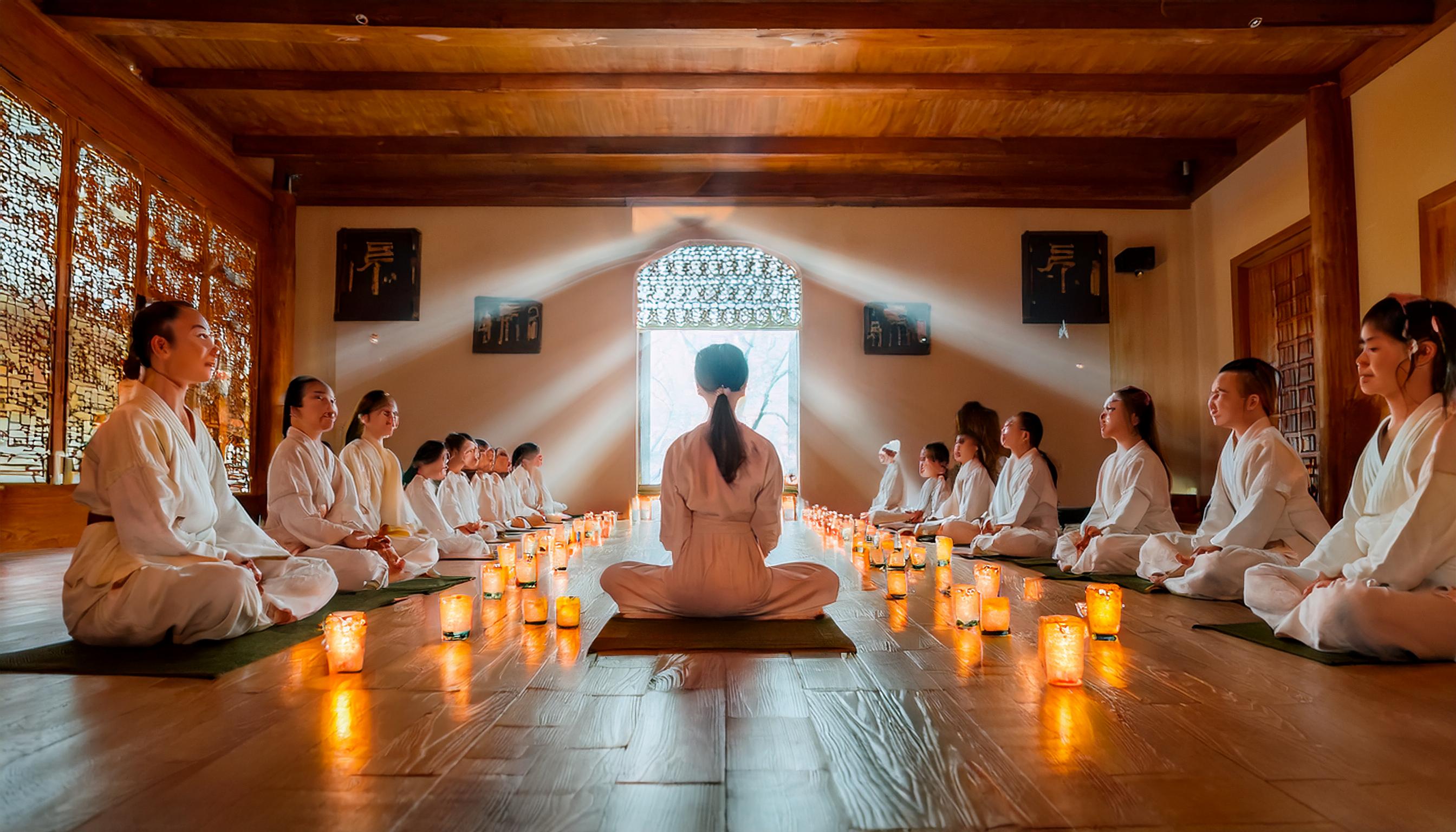
Below are several situations in which you might consider structured meditation training, while remembering that significant health or mental-health concerns require professional care.
1. You Frequently Feel Stressed or Fatigued
If everyday pressures leave you frequently tense or mentally overloaded, meditation may provide a structured way to practice relaxation and awareness. Persistent insomnia, irritability, anxiety, or exhaustion can also have medical or psychological causes and should not be self-treated with meditation alone.
A meditation course at the Academy of Medical Sciences, Vietnam can teach relaxation, breath-awareness, and mindfulness practices that some people find useful for everyday stress management.
2. You Find It Difficult to Manage Emotional Reactions
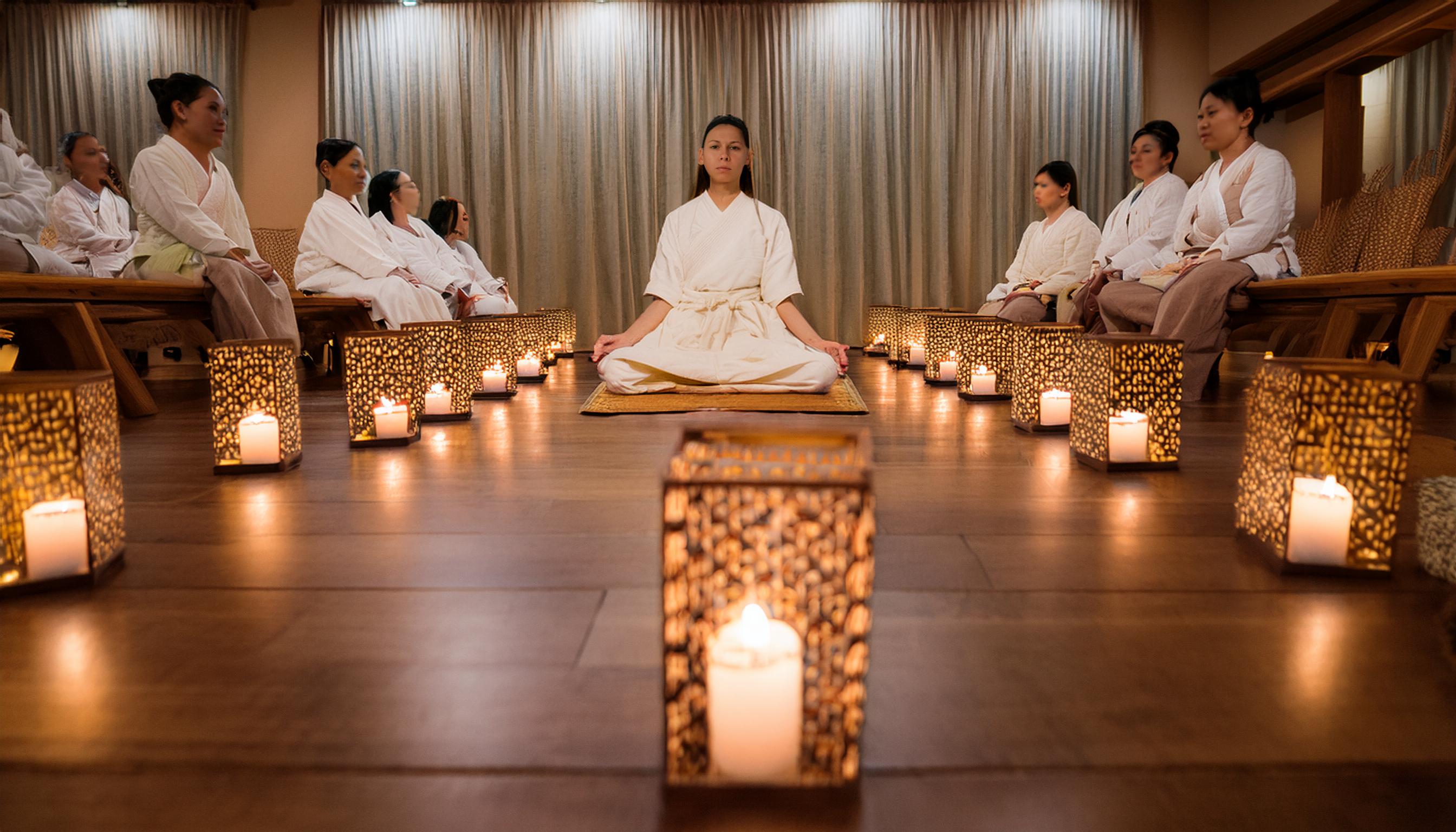
If anger, worry, or sadness frequently feels difficult to manage, mindfulness practice can help you notice emotions and reactions more clearly. Severe or persistent emotional difficulties should be discussed with a qualified mental-health professional.
Meditation can encourage observation of thoughts and emotions without immediately reacting to them.
3. You Have Difficulty Concentrating
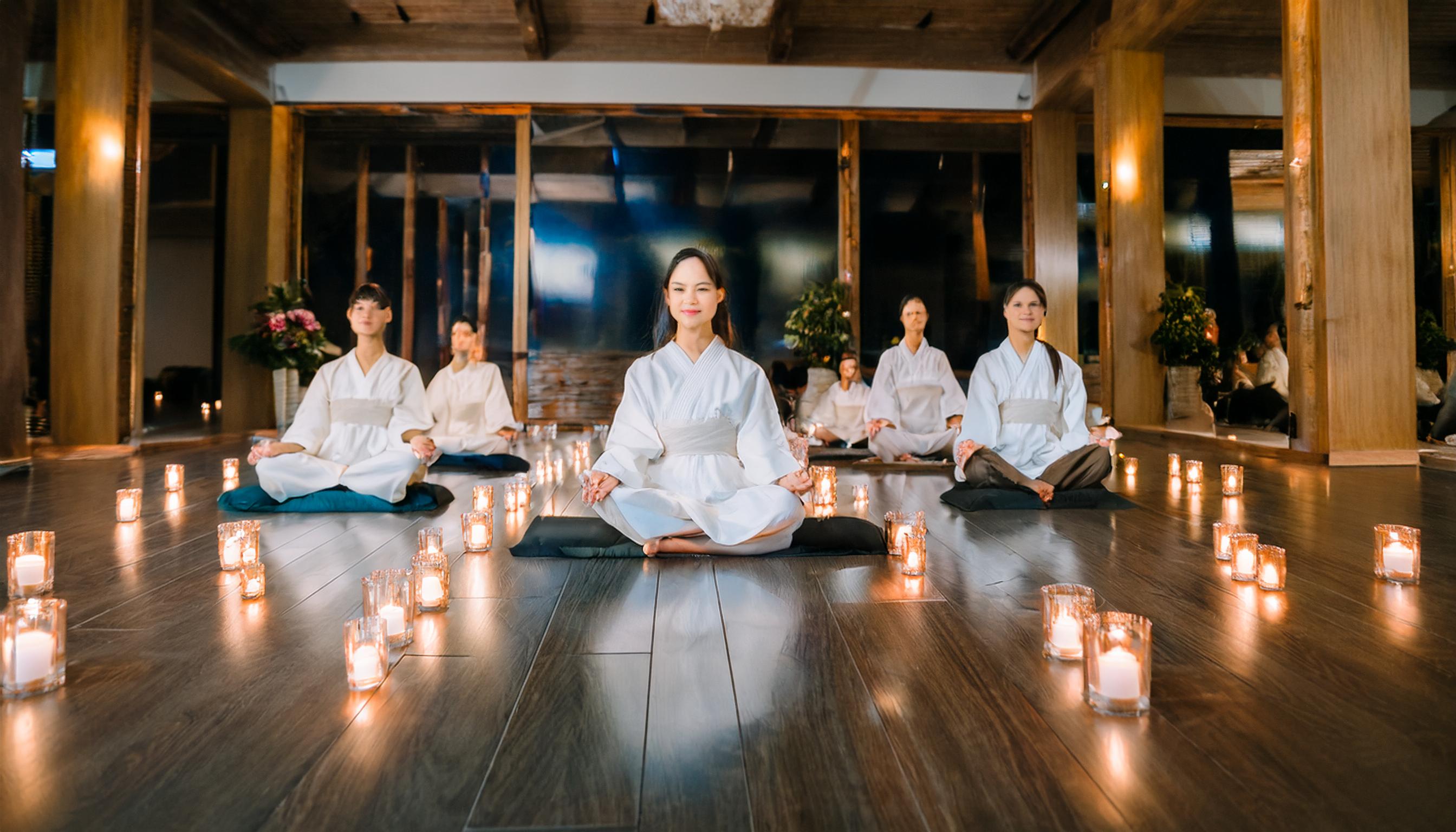
Meditation repeatedly trains attention by returning awareness to a chosen object such as the breath. This may help some people notice distraction more quickly, although persistent concentration problems can have many causes.
At the Academy of Medical Sciences, Vietnam, learners can practice attention and mindfulness techniques in a structured setting.
4. You Have Sleep Difficulties
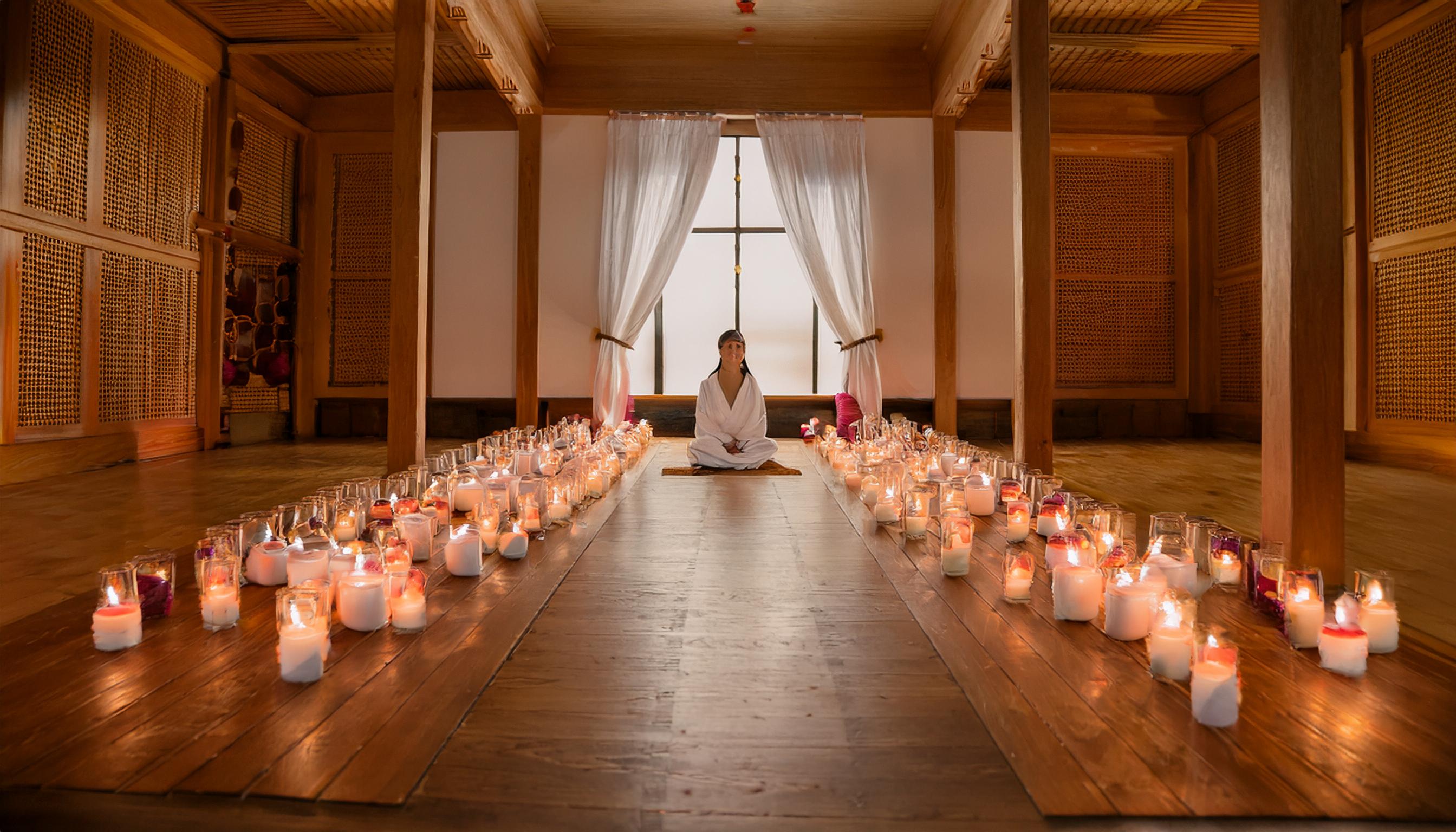
Relaxation-oriented meditation may help some people settle before bedtime, but insomnia can result from medical, psychological, behavioral, or environmental factors.
Meditation training may introduce calming practices suitable for evening routines. Persistent or severe sleep problems should be assessed by an appropriate healthcare professional.
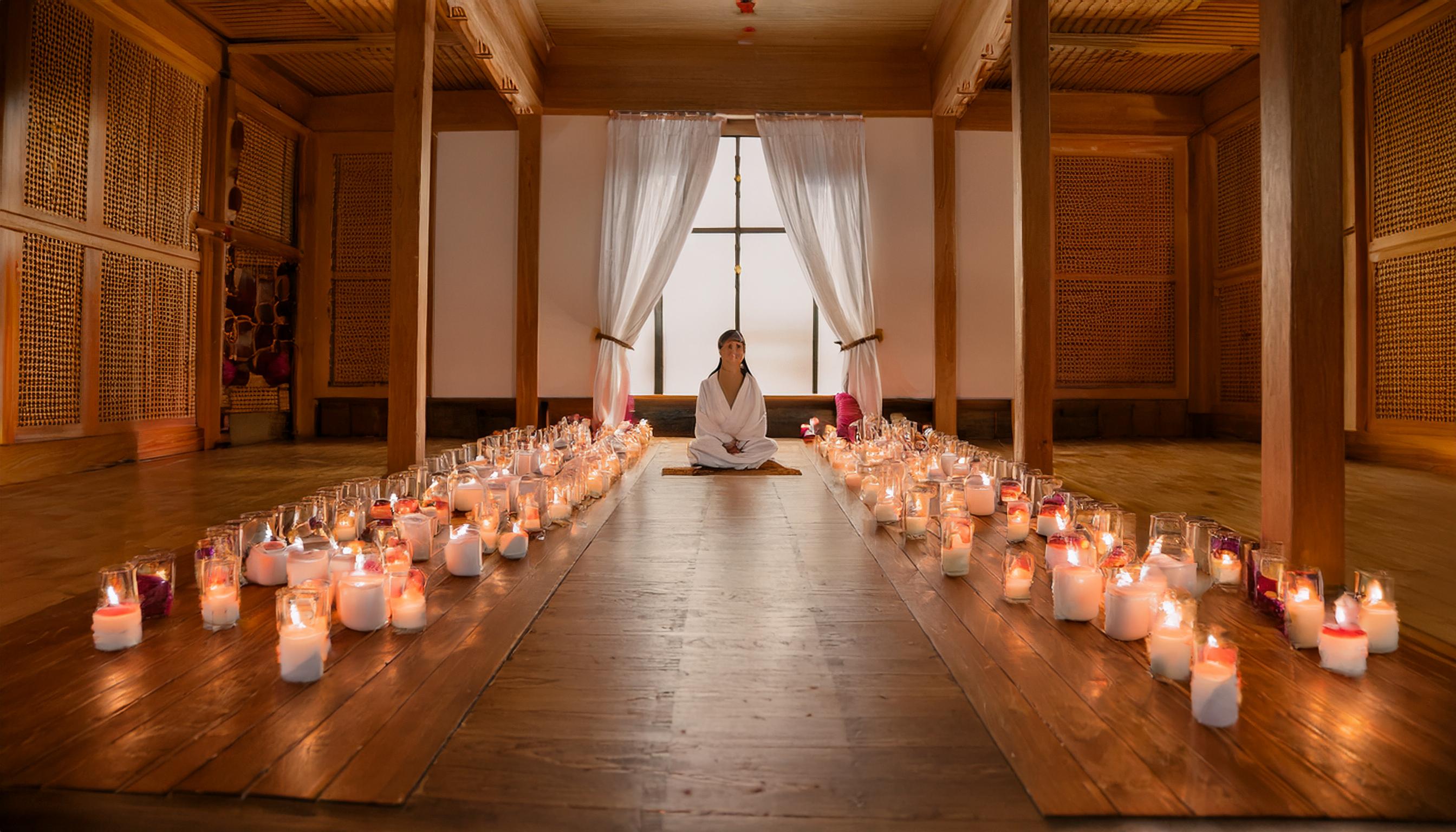
5. You Feel Disconnected from Yourself or Daily Life
Some people use meditation as a reflective practice when they feel overly absorbed in work, routines, or external demands. It can create time to notice values, priorities, and present-moment experience.
A structured course may help learners develop reflective habits, but meditation cannot guarantee a sense of purpose or resolve complex psychological difficulties.
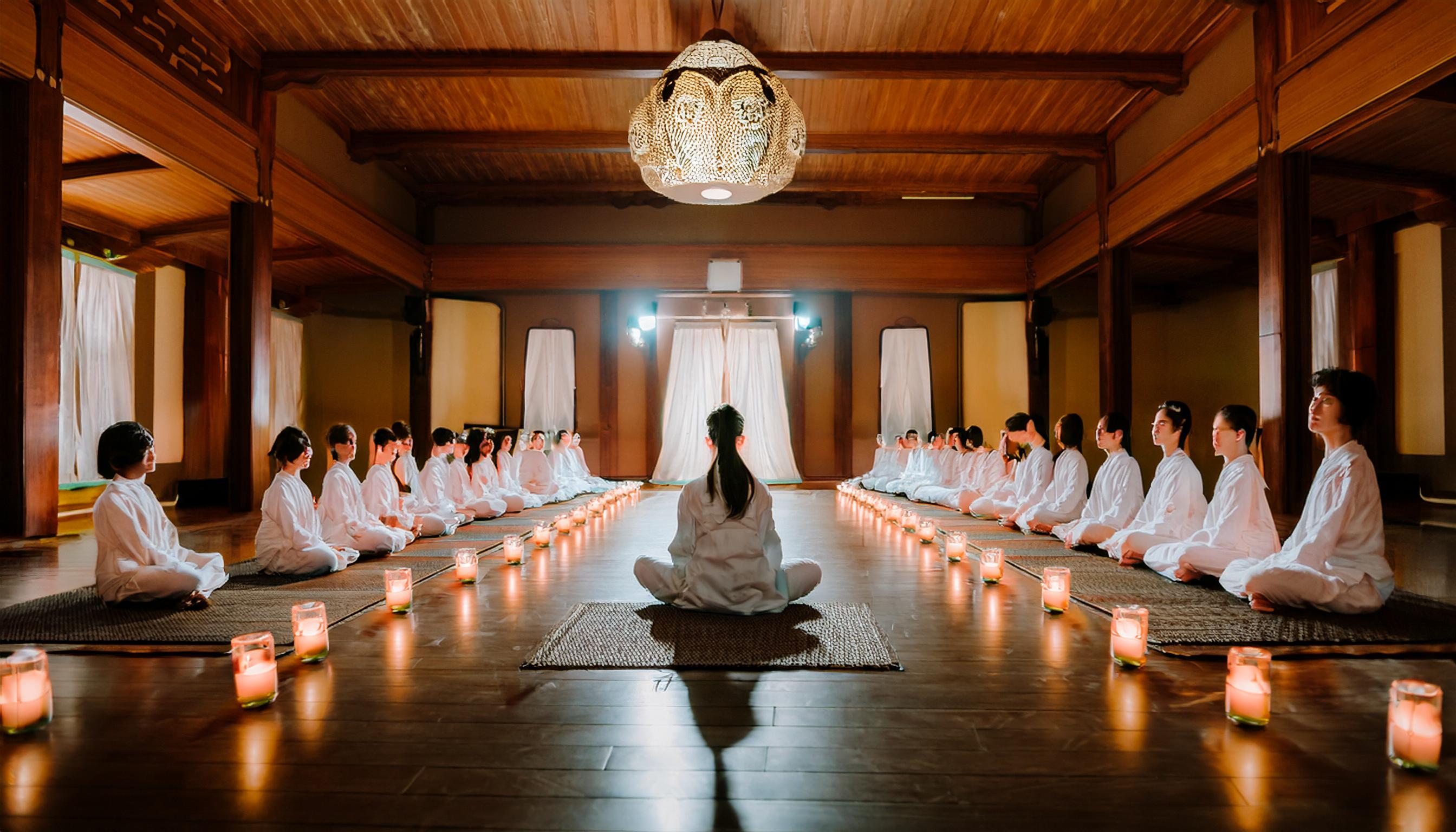
6. You Are Going Through a Major Life Change
Bereavement, relationship changes, job transitions, or relocation can bring strong emotions. Meditation may complement coping and self-care, but grief, trauma, or significant distress may require counseling or other professional support.
Mindfulness can support awareness and acceptance of difficult experiences without claiming to heal emotional trauma.
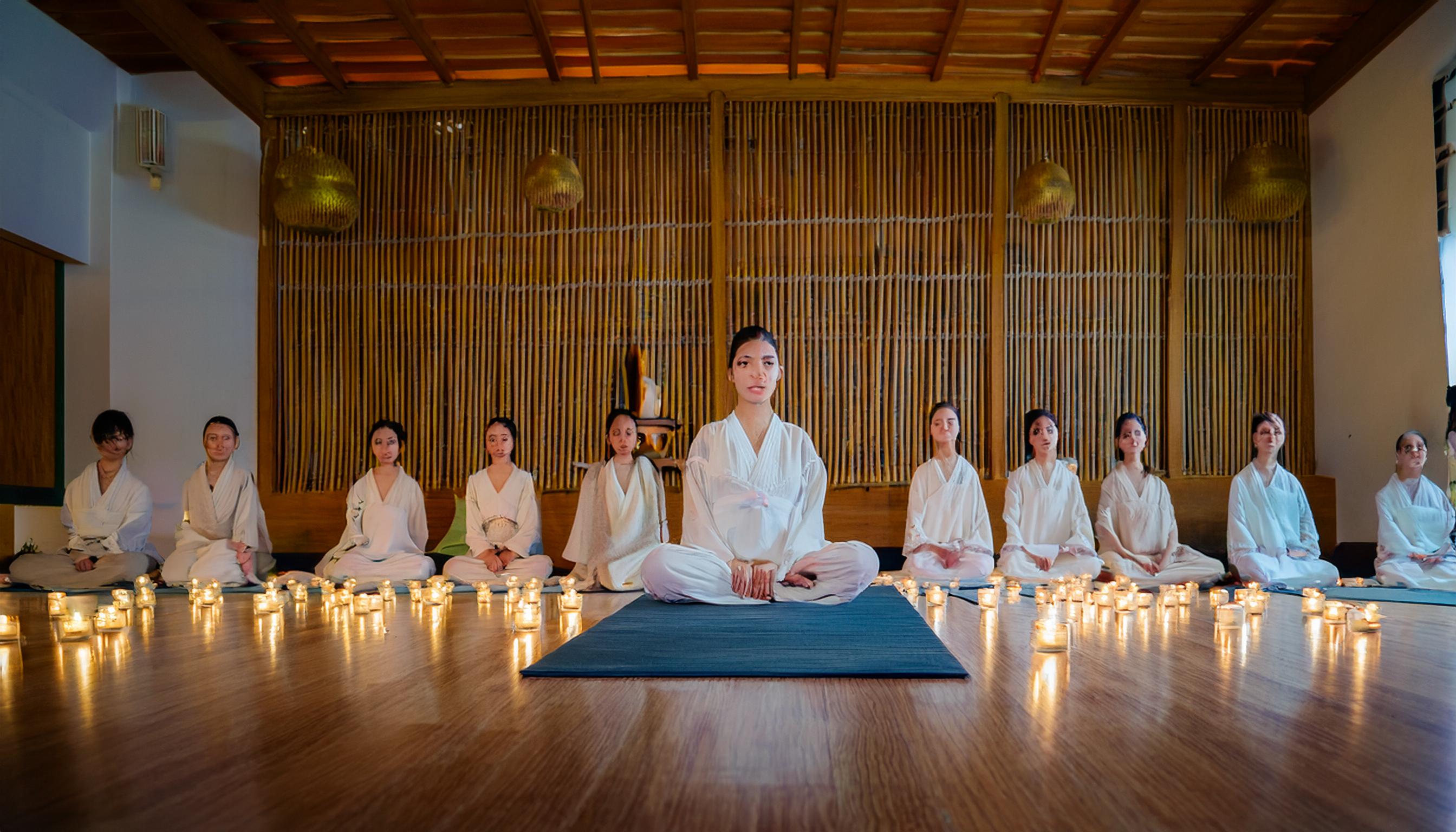
7. You Want to Support General Well-Being
Meditation can be one component of a broader wellness routine that includes sleep, physical activity, nutrition, social connection, and appropriate healthcare. Claims that meditation improves immunity, circulation, chronic pain, or cardiovascular health should be interpreted cautiously and in light of specific evidence.
Meditation should be viewed as a complementary wellness practice rather than a universal medical treatment.
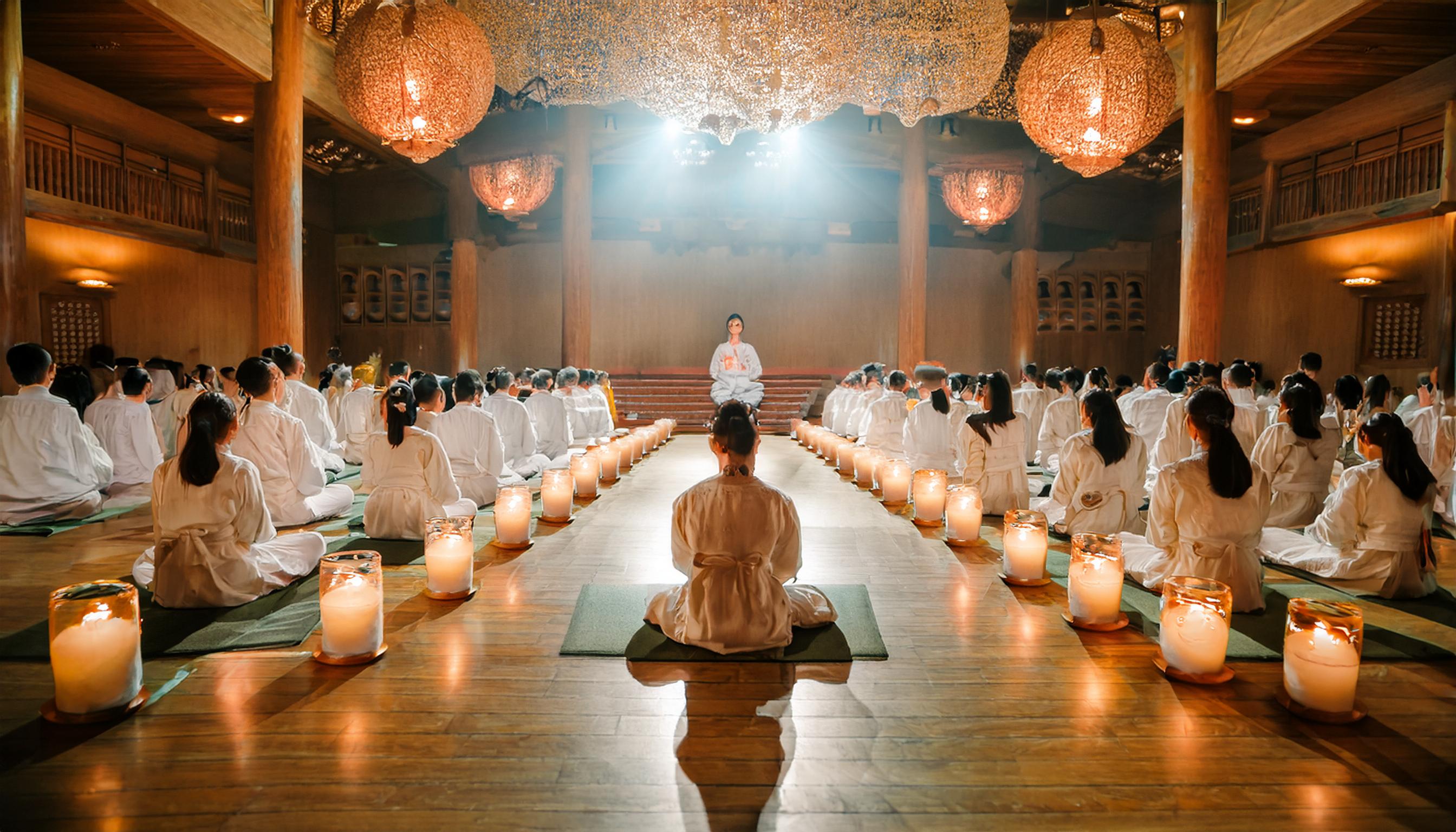
8. You Want to Slow Down and Pay More Attention to the Present
Mindfulness practices encourage attention to present-moment experience rather than constant preoccupation with the future or past. This can be a useful personal-development practice.
Meditation training at the Academy of Medical Sciences, Vietnam can introduce techniques for cultivating present-moment awareness and reflective attention.
Conclusion
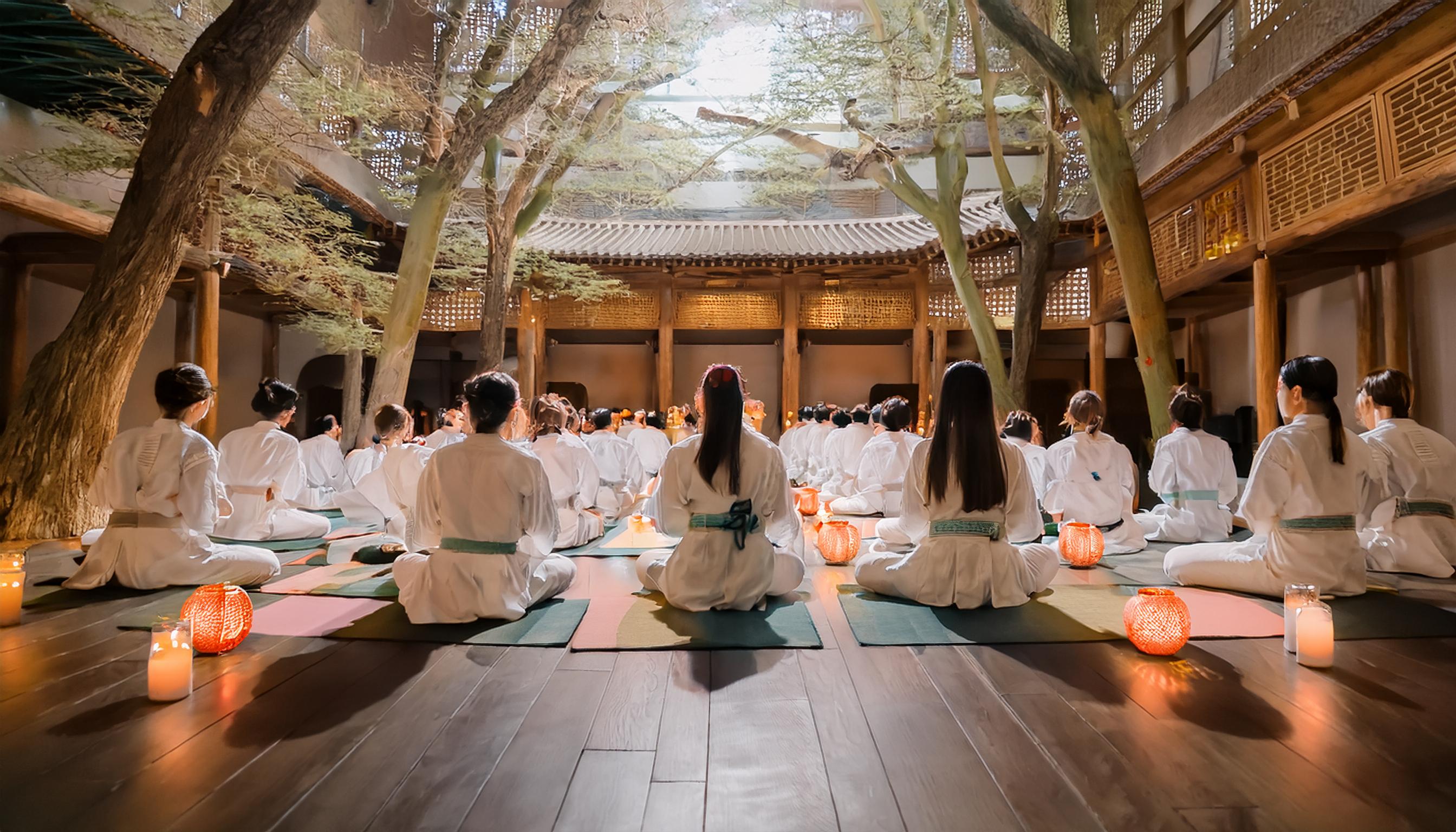
A meditation course can provide structure for learning mindfulness, relaxation, attention, and self-reflection. If these goals appeal to you, the Academy of Medical Sciences, Vietnam offers one possible learning pathway. Meditation should complement—not replace—appropriate medical or mental-health care when significant symptoms are present.


 Tham gia ngay
