
Studying Massage and Acupressure: A Sustainable Career Choice
Education in massage and acupressure can support wellness-oriented practical skills, but safe practice requires attention to anatomy, hygiene, contraindications, consent, professional scope, and appropriate clinical referral.
The Academy of Medical Sciences, Vietnam provides Massage and Acupressure education emphasizing supervised practical skills, hygiene, relevant anatomy, contraindication awareness, consent, safety, and appropriate professional boundaries.
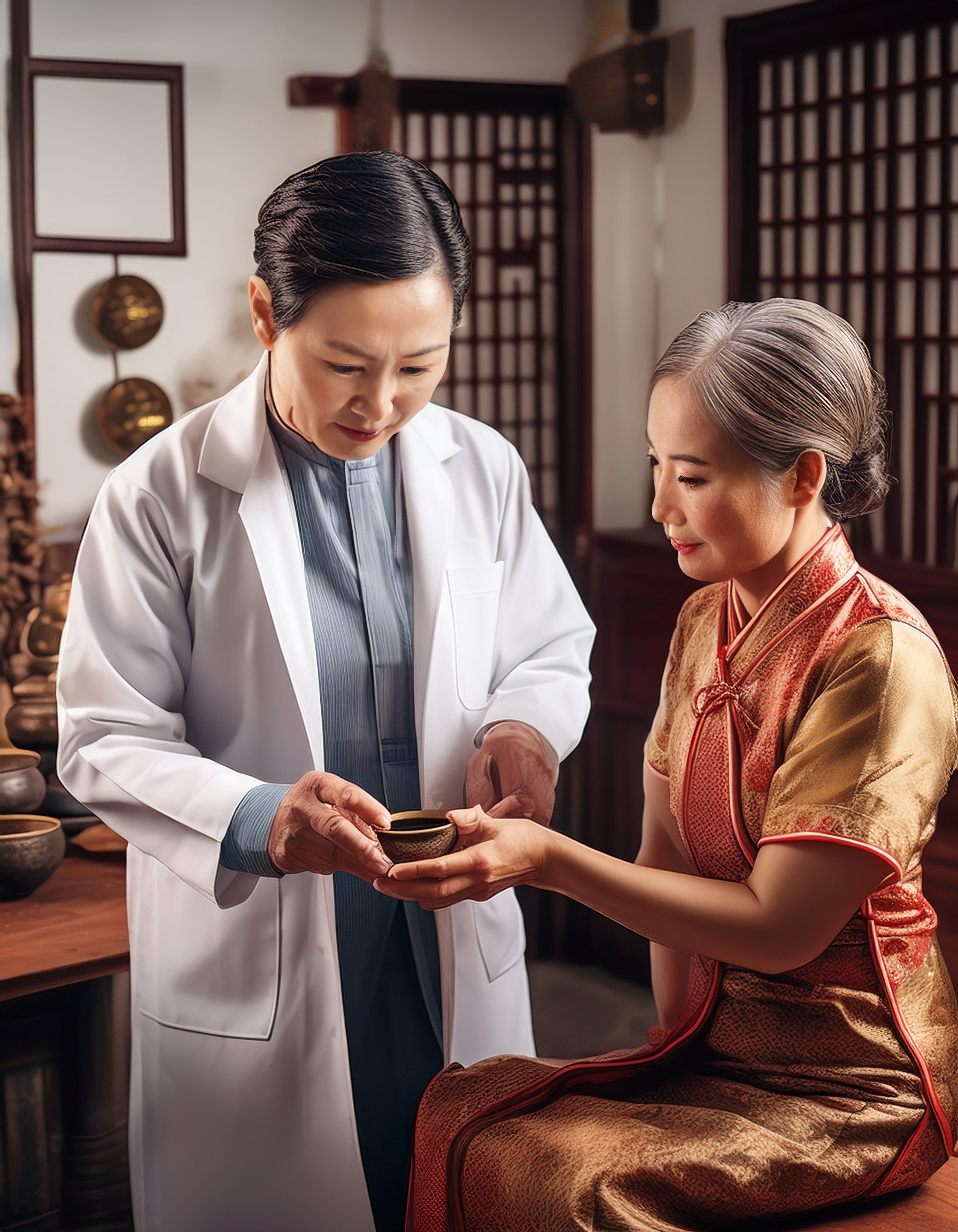
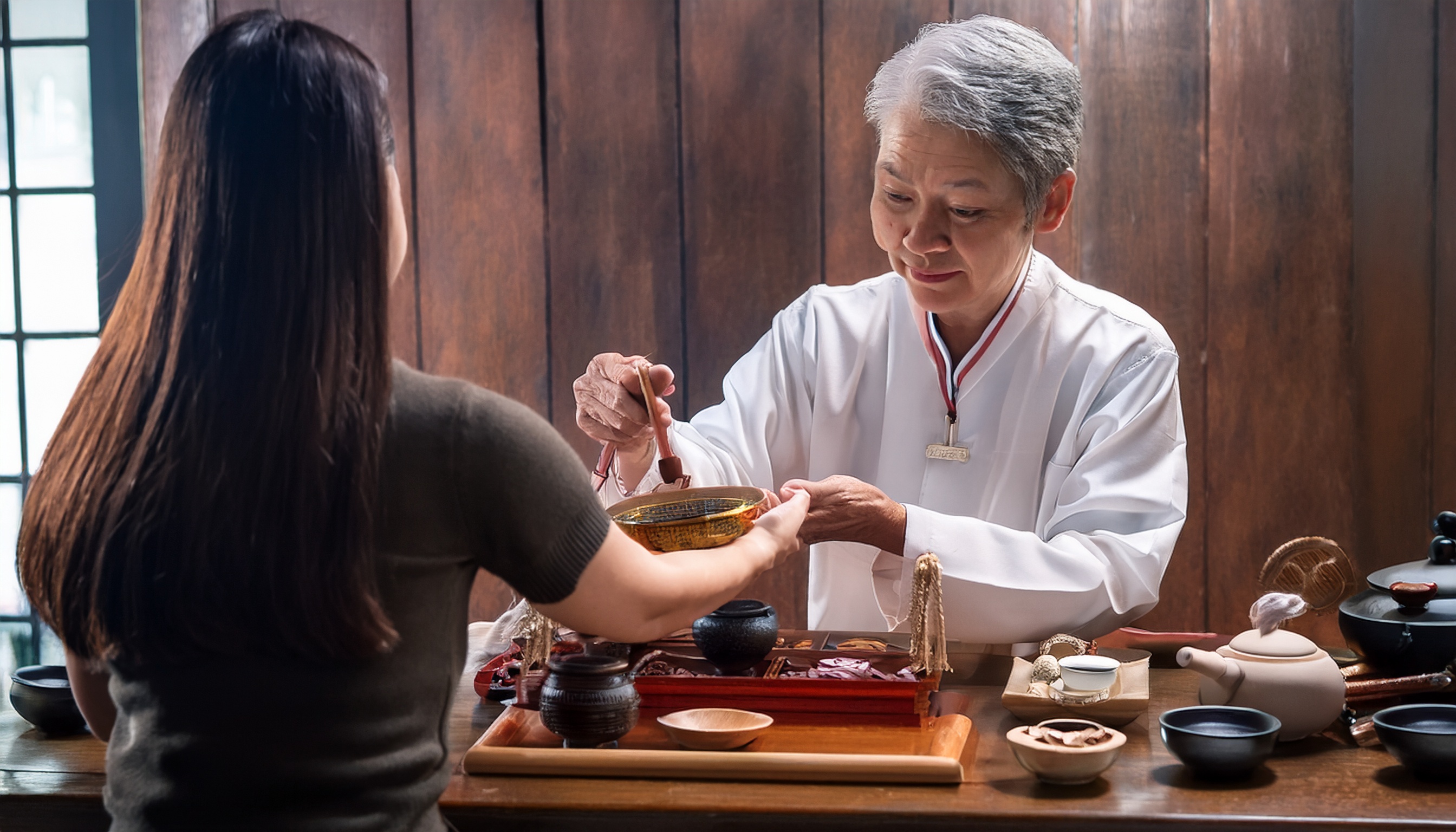
The Academy of Medical Sciences, Vietnam provides Massage and Acupressure education emphasizing supervised practical skills, hygiene, relevant anatomy, contraindication awareness, consent, safety, and appropriate professional boundaries.
Massage and Acupressure
- The Academy of Medical Sciences, Vietnam provides Massage and Acupressure education emphasizing supervised practical skills, hygiene, relevant anatomy, contraindication awareness, consent, safety, and appropriate professional boundaries.
- Massage and acupressure training can develop practical bodywork skills for wellness settings while emphasizing client comfort, safety, hygiene, contraindications, communication, and referral when symptoms require clinical assessment.
- Concepts such as qi, blood circulation through meridians, and acupoints belong to traditional East Asian medicine frameworks. They should be presented as traditional theory and distinguished from established biomedical anatomy and physiology.
- Concepts such as qi, blood circulation through meridians, and acupoints belong to traditional East Asian medicine frameworks. They should be presented as traditional theory and distinguished from established biomedical anatomy and physiology.
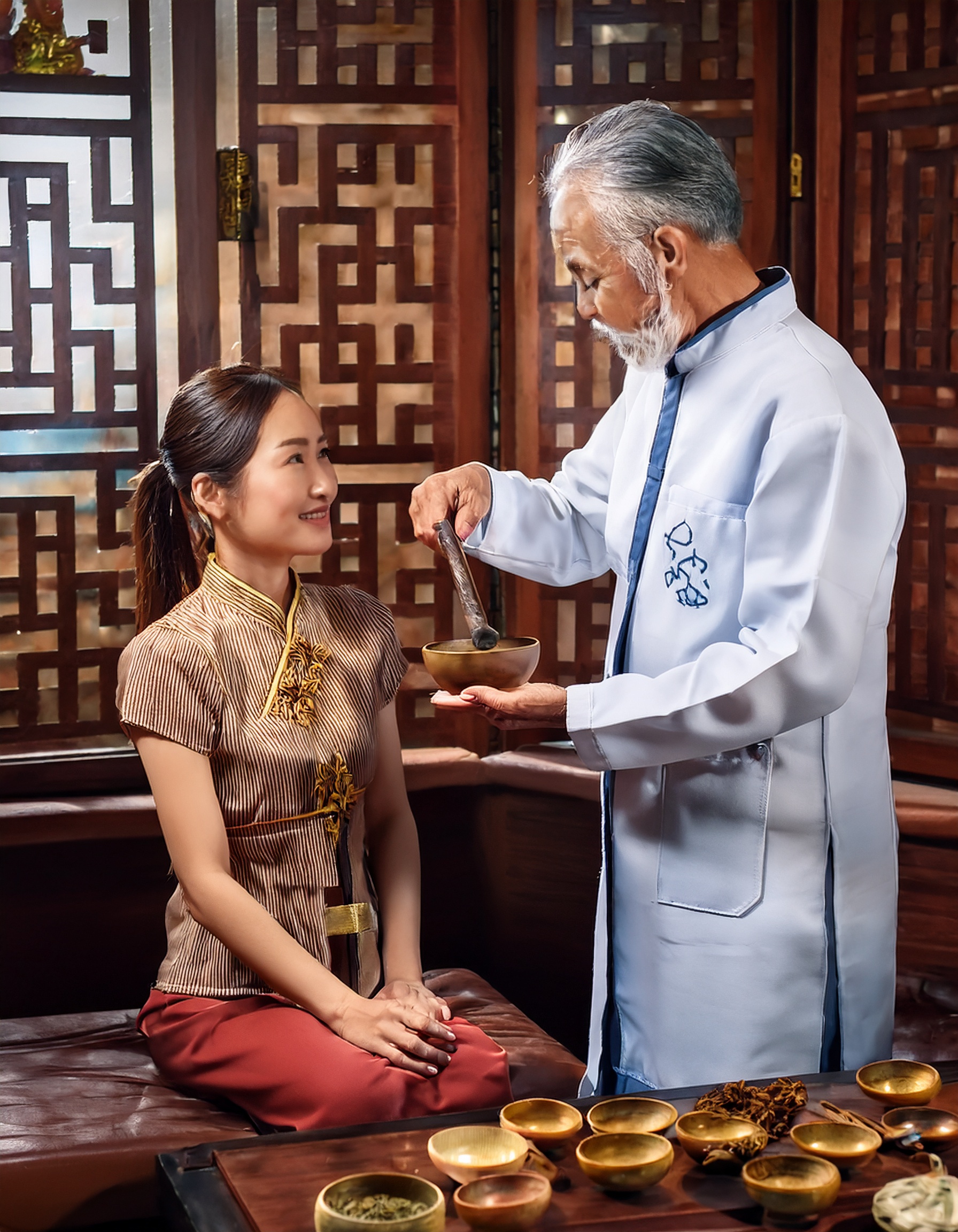
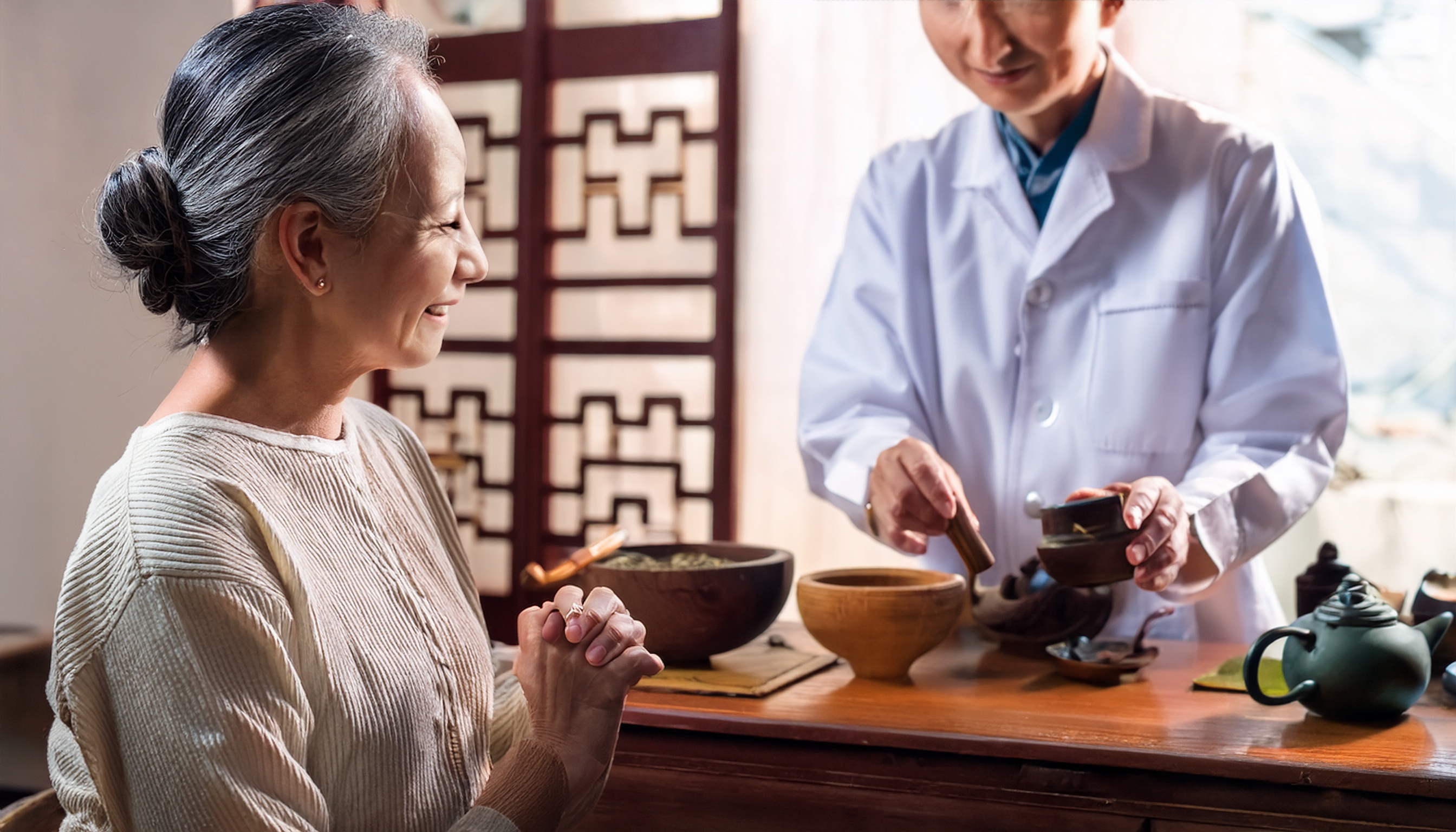
Benefits
Concepts such as qi, blood circulation through meridians, and acupoints belong to traditional East Asian medicine frameworks. They should be presented as traditional theory and distinguished from established biomedical anatomy and physiology.
- Concepts such as qi, blood circulation through meridians, and acupoints belong to traditional East Asian medicine frameworks. They should be presented as traditional theory and distinguished from established biomedical anatomy and physiology.
- Concepts such as qi, blood circulation through meridians, and acupoints belong to traditional East Asian medicine frameworks. They should be presented as traditional theory and distinguished from established biomedical anatomy and physiology.
- Massage and acupressure training can develop practical bodywork skills for wellness settings while emphasizing client comfort, safety, hygiene, contraindications, communication, and referral when symptoms require clinical assessment.
- Concepts such as qi, blood circulation through meridians, and acupoints belong to traditional East Asian medicine frameworks. They should be presented as traditional theory and distinguished from established biomedical anatomy and physiology.
Who Should Attend?
The Academy of Medical Sciences, Vietnam provides Massage and Acupressure education emphasizing supervised practical skills, hygiene, relevant anatomy, contraindication awareness, consent, safety, and appropriate professional boundaries.
- Concepts such as qi, blood circulation through meridians, and acupoints belong to traditional East Asian medicine frameworks. They should be presented as traditional theory and distinguished from established biomedical anatomy and physiology.
- Massage and acupressure training can develop practical bodywork skills for wellness settings while emphasizing client comfort, safety, hygiene, contraindications, communication, and referral when symptoms require clinical assessment.
- Concepts such as qi, blood circulation through meridians, and acupoints belong to traditional East Asian medicine frameworks. They should be presented as traditional theory and distinguished from established biomedical anatomy and physiology.
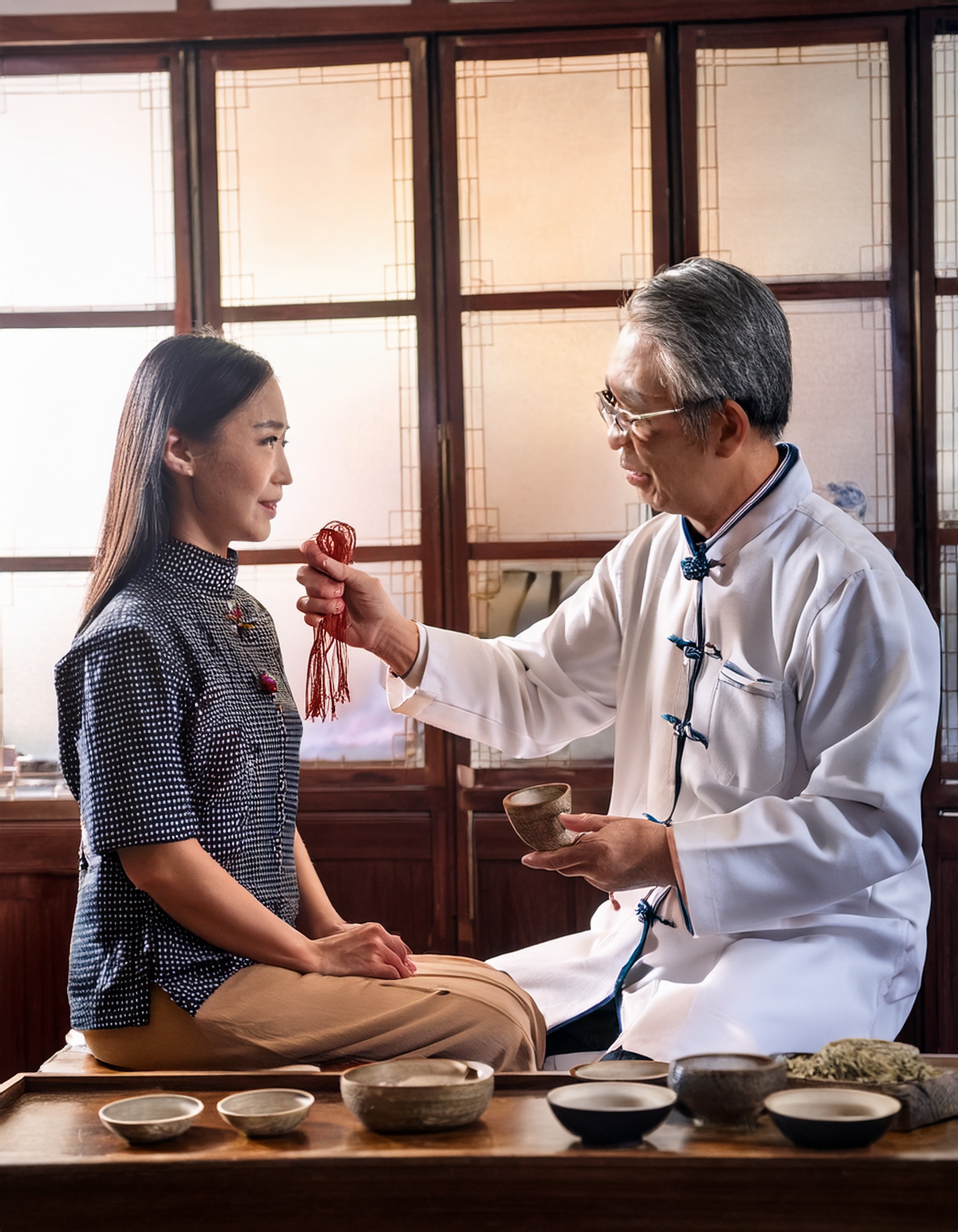
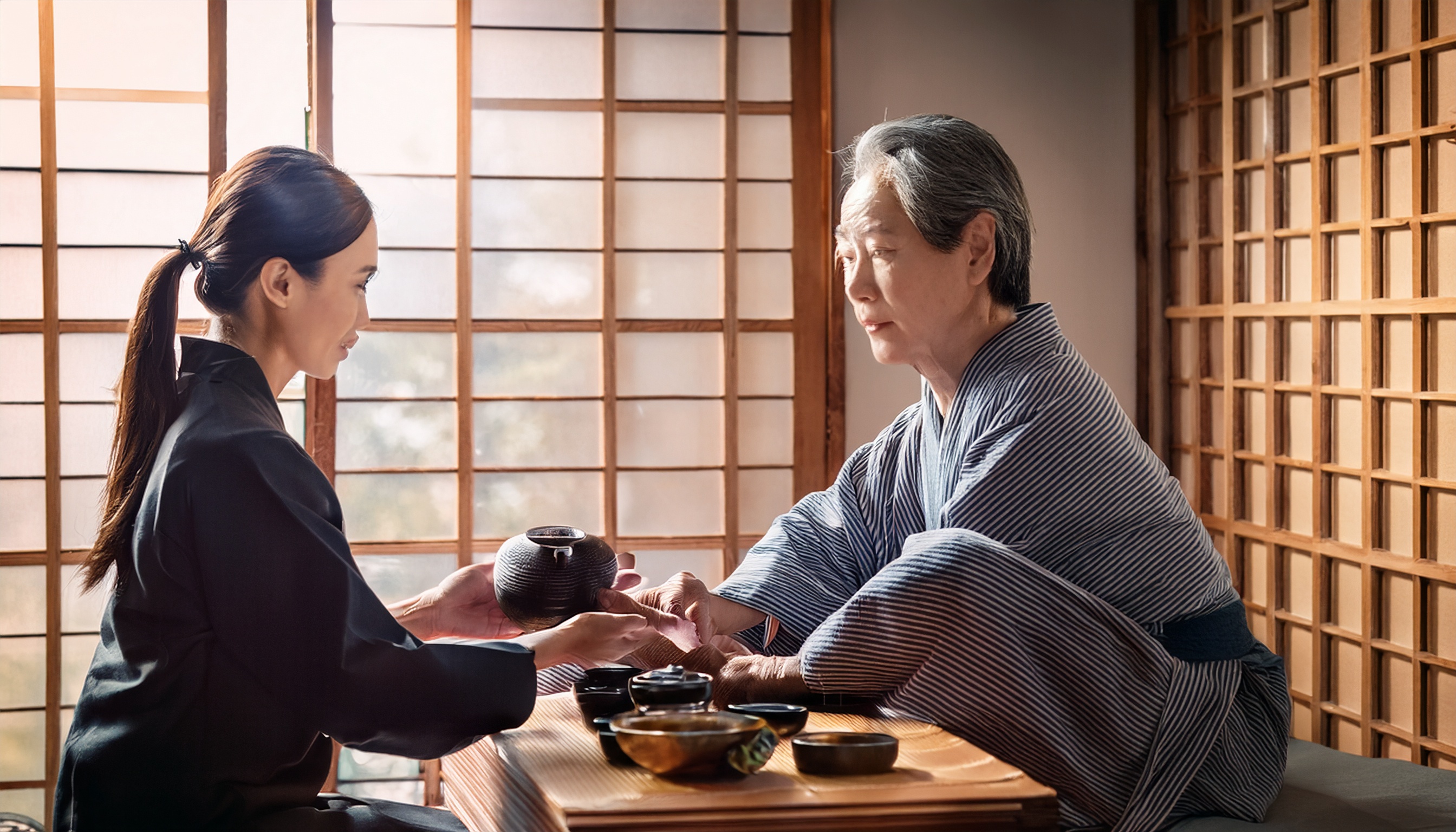
Course Content
The Academy of Medical Sciences, Vietnam provides Massage and Acupressure education emphasizing supervised practical skills, hygiene, relevant anatomy, contraindication awareness, consent, safety, and appropriate professional boundaries.
Massage and Acupressure
| Massage and acupressure training can develop practical bodywork skills for wellness settings while emphasizing client comfort, safety, hygiene, contraindications, communication, and referral when symptoms require clinical assessment. | Massage and acupressure training can develop practical bodywork skills for wellness settings while emphasizing client comfort, safety, hygiene, contraindications, communication, and referral when symptoms require clinical assessment. | Massage and acupressure training can develop practical bodywork skills for wellness settings while emphasizing client comfort, safety, hygiene, contraindications, communication, and referral when symptoms require clinical assessment. |
| Massage and acupressure training can develop practical bodywork skills for wellness settings while emphasizing client comfort, safety, hygiene, contraindications, communication, and referral when symptoms require clinical assessment. | Concepts such as qi, blood circulation through meridians, and acupoints belong to traditional East Asian medicine frameworks. They should be presented as traditional theory and distinguished from established biomedical anatomy and physiology. | Concepts such as qi, blood circulation through meridians, and acupoints belong to traditional East Asian medicine frameworks. They should be presented as traditional theory and distinguished from established biomedical anatomy and physiology. |
| Massage and acupressure training can develop practical bodywork skills for wellness settings while emphasizing client comfort, safety, hygiene, contraindications, communication, and referral when symptoms require clinical assessment. | Concepts such as qi, blood circulation through meridians, and acupoints belong to traditional East Asian medicine frameworks. They should be presented as traditional theory and distinguished from established biomedical anatomy and physiology. | Concepts such as qi, blood circulation through meridians, and acupoints belong to traditional East Asian medicine frameworks. They should be presented as traditional theory and distinguished from established biomedical anatomy and physiology. |
| Massage and acupressure training can develop practical bodywork skills for wellness settings while emphasizing client comfort, safety, hygiene, contraindications, communication, and referral when symptoms require clinical assessment. | Massage and acupressure training can develop practical bodywork skills for wellness settings while emphasizing client comfort, safety, hygiene, contraindications, communication, and referral when symptoms require clinical assessment. | Massage and acupressure training can develop practical bodywork skills for wellness settings while emphasizing client comfort, safety, hygiene, contraindications, communication, and referral when symptoms require clinical assessment. |
| Massage and acupressure training can develop practical bodywork skills for wellness settings while emphasizing client comfort, safety, hygiene, contraindications, communication, and referral when symptoms require clinical assessment. | Concepts such as qi, blood circulation through meridians, and acupoints belong to traditional East Asian medicine frameworks. They should be presented as traditional theory and distinguished from established biomedical anatomy and physiology. | Concepts such as qi, blood circulation through meridians, and acupoints belong to traditional East Asian medicine frameworks. They should be presented as traditional theory and distinguished from established biomedical anatomy and physiology. |
| Massage and acupressure training can develop practical bodywork skills for wellness settings while emphasizing client comfort, safety, hygiene, contraindications, communication, and referral when symptoms require clinical assessment. | Concepts such as qi, blood circulation through meridians, and acupoints belong to traditional East Asian medicine frameworks. They should be presented as traditional theory and distinguished from established biomedical anatomy and physiology. | Concepts such as qi, blood circulation through meridians, and acupoints belong to traditional East Asian medicine frameworks. They should be presented as traditional theory and distinguished from established biomedical anatomy and physiology. |
| Massage and acupressure training can develop practical bodywork skills for wellness settings while emphasizing client comfort, safety, hygiene, contraindications, communication, and referral when symptoms require clinical assessment. | Massage and acupressure training can develop practical bodywork skills for wellness settings while emphasizing client comfort, safety, hygiene, contraindications, communication, and referral when symptoms require clinical assessment. | Concepts such as qi, blood circulation through meridians, and acupoints belong to traditional East Asian medicine frameworks. They should be presented as traditional theory and distinguished from established biomedical anatomy and physiology. |
Massage and Acupressure
Massage and Acupressure
The Academy of Medical Sciences, Vietnam provides Massage and Acupressure education emphasizing supervised practical skills, hygiene, relevant anatomy, contraindication awareness, consent, safety, and appropriate professional boundaries.
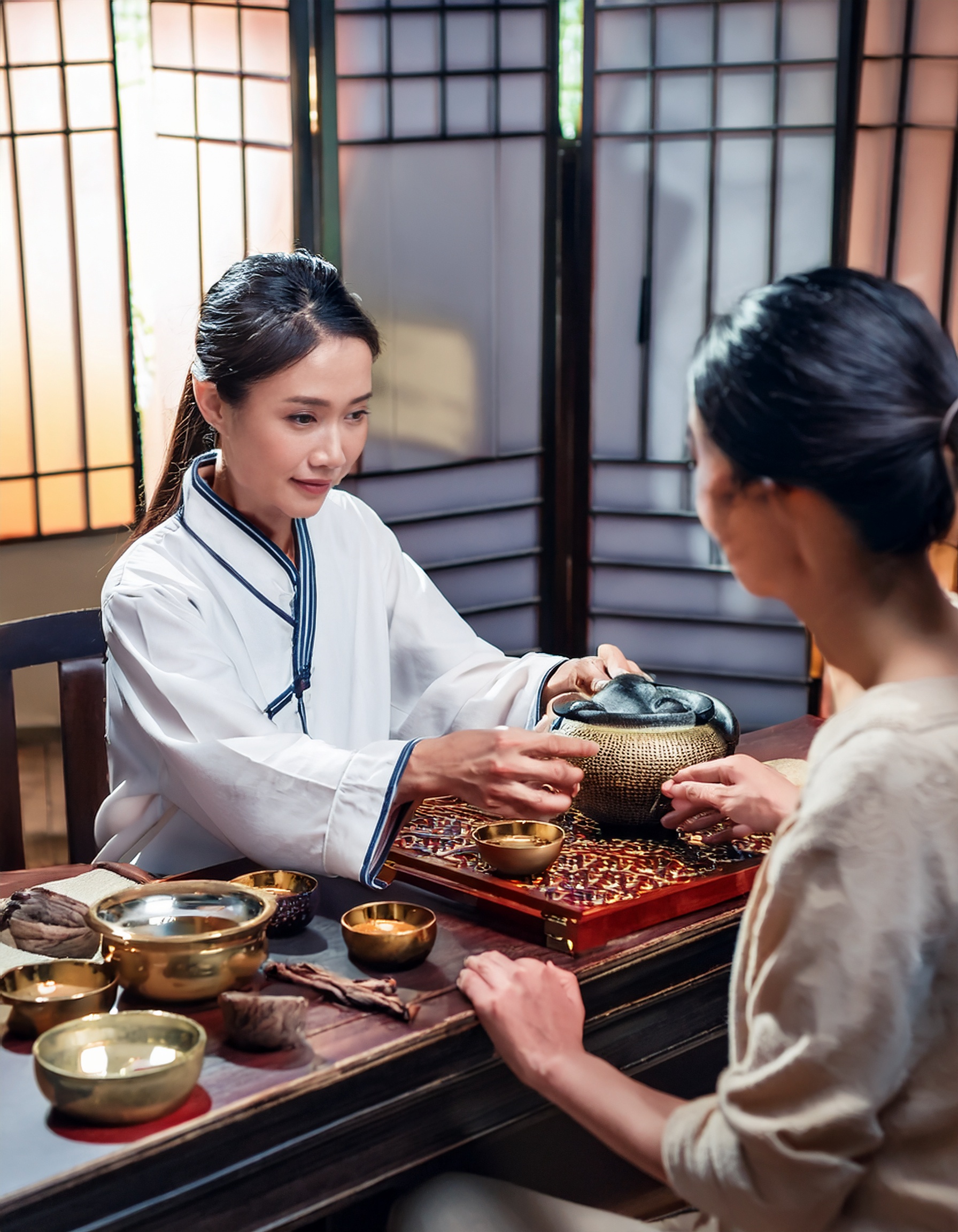
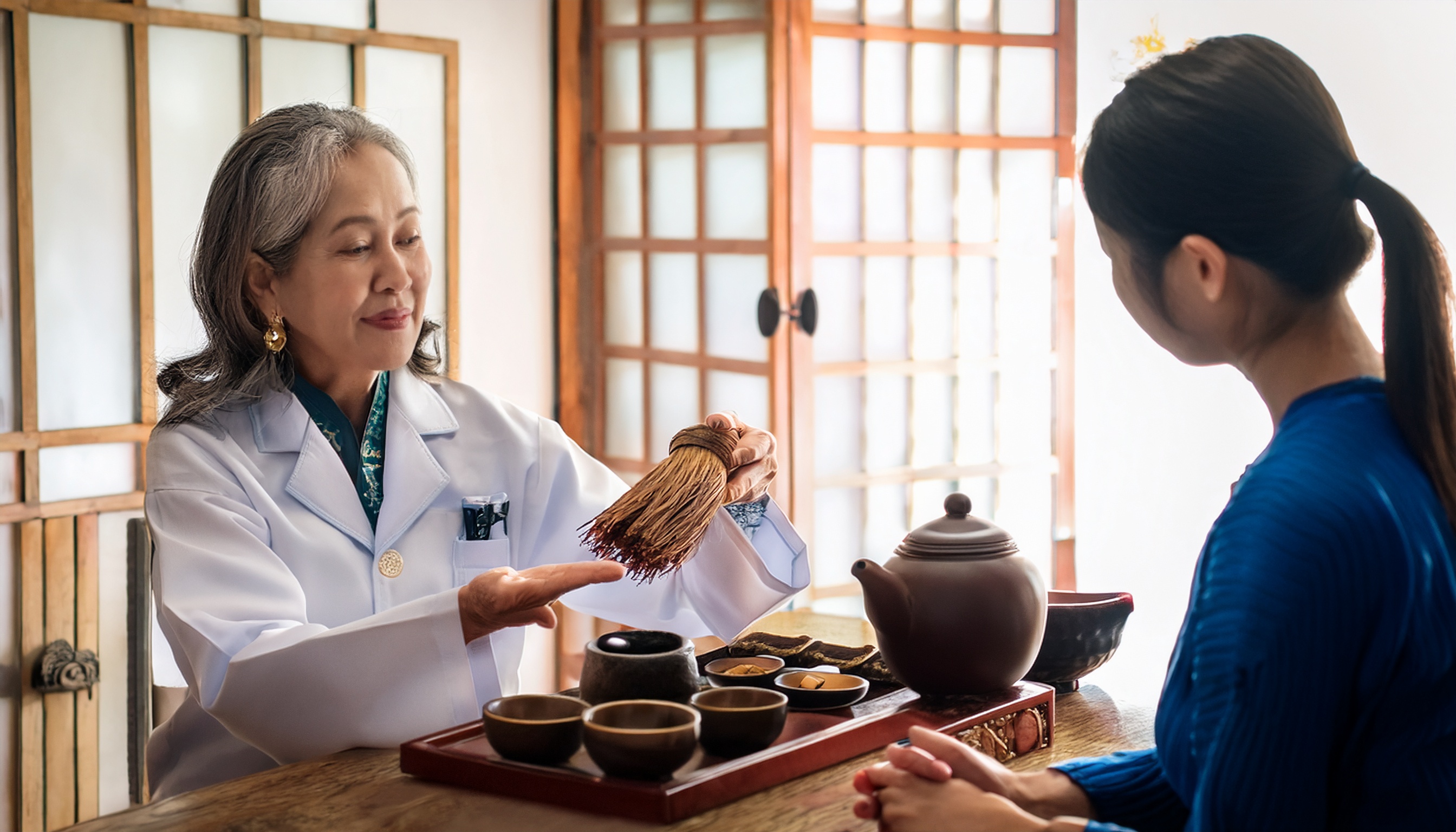
Massage and Acupressure
Massage and acupressure training can develop practical bodywork skills for wellness settings while emphasizing client comfort, safety, hygiene, contraindications, communication, and referral when symptoms require clinical assessment.
Career Opportunities
Concepts such as qi, blood circulation through meridians, and acupoints belong to traditional East Asian medicine frameworks. They should be presented as traditional theory and distinguished from established biomedical anatomy and physiology.
Massage and Acupressure
The Academy of Medical Sciences, Vietnam provides Massage and Acupressure education emphasizing supervised practical skills, hygiene, relevant anatomy, contraindication awareness, consent, safety, and appropriate professional boundaries.

 Tham gia ngay
