
The Complete Guide to Becoming a Nutrition Coach
Nutrition Coaching is attracting growing interest as a career. Like any profession, however, it has its own requirements and challenges, so careful preparation and a clear understanding of the field are important. This guide covers the key qualities, skills, training, clients, career paths, and other considerations involved in becoming a Nutrition Coach.
Nutrition Coaching is attracting growing interest as a career. Like any profession, however, it has its own requirements and challenges, so careful preparation and a clear understanding of the field are important. This guide covers the key qualities, skills, training, clients, career paths, and other considerations involved in becoming a Nutrition Coach.
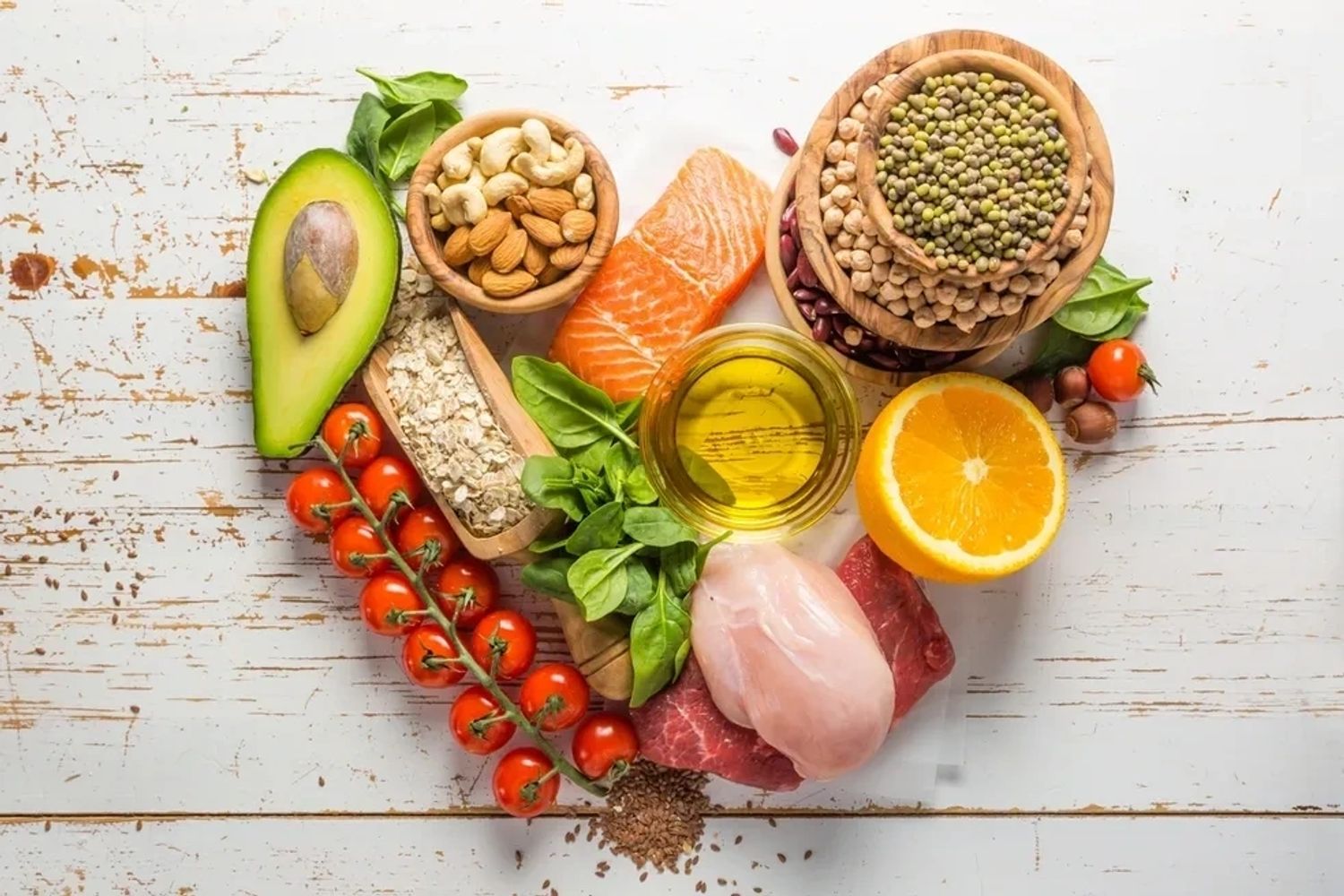
What Qualities Are Well Suited to Nutrition Coaching?
Success as a Nutrition Coach requires a combination of nutrition knowledge, communication and coaching skills, empathy, adaptability, and a commitment to professional development. Important qualities include:
- Passion for nutrition and health: Genuine interest in nutrition and healthy living can provide motivation for continuous learning and professional development.
- Sound nutrition knowledge: A coach should understand essential nutrition concepts, including major nutrients, their functions in the body, and their relationship to health, at a level appropriate to the coach's training and scope of practice.
- Communication skills: Effective communication helps create a supportive environment in which clients can discuss their goals, habits, and challenges.
- Coaching and education skills: Nutrition Coaches should be able to explain general nutrition principles clearly and help clients develop sustainable healthy eating behaviors.
- Assessment skills: Coaches should be able to gather and interpret appropriate non-diagnostic information about eating habits, goals, and lifestyle while recognizing when referral to a qualified healthcare professional is necessary.
- Flexibility and creativity: Adaptability helps coaches develop practical approaches suited to different clients, preferences, circumstances, and goals.
- Empathy and respect: Listening carefully, understanding client preferences, and respecting individual circumstances are essential to supportive coaching.
- Time and resource management: Effective organization helps coaches manage clients, administrative responsibilities, learning, and other professional priorities.
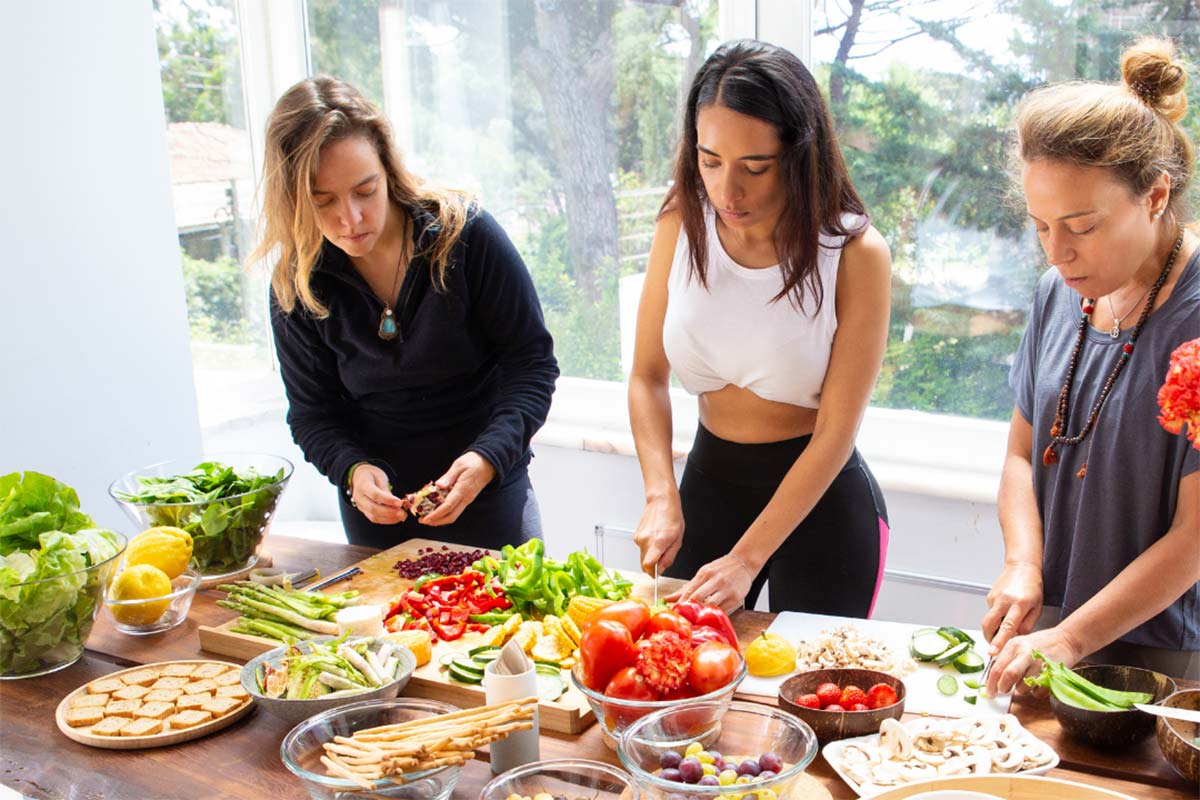
Essential Skills for a Nutrition Coach
Effective Nutrition Coaches need a combination of nutrition knowledge, problem-solving ability, communication skills, and coaching techniques. Important skills include:
- Sound nutrition knowledge: A Nutrition Coach should understand core nutrition principles, nutrients and their functions, general dietary guidance, and how nutritional needs can vary across life stages and populations, within the limits of the coach's training.
- Assessment and analytical skills: Coaches may gather information about eating habits, lifestyle, goals, and appropriate basic measurements. Clinical assessment, diagnosis, and interpretation of medical findings should be left to appropriately qualified healthcare professionals.
- Coaching and education skills: Coaches should be able to communicate nutrition information clearly and help clients understand practical approaches to healthier eating.
- Planning skills: Nutrition Coaches can help clients develop practical, individualized behavior and meal-planning strategies consistent with general nutrition guidance and any recommendations provided by the client's healthcare team.
- Time and resource management: Working with multiple clients requires effective organization so that each person receives appropriate attention and support.
- Communication skills: Coaches need to listen carefully and create an environment in which clients feel comfortable discussing eating habits, lifestyle, and health-related goals.
- Problem-solving skills: Coaching often involves barriers and changing circumstances. Coaches should be able to identify practical challenges, explore options with clients, and adapt strategies appropriately.

How Long Does It Take to Become a Nutrition Coach?
The time required to become a competent Nutrition Coach varies considerably according to the training pathway, intended scope of practice, prior education, certification requirements, and local regulations. Some coaching programs can be completed relatively quickly, while broader academic or professional pathways may take several years. Practical experience and continuing education remain important throughout a career.
- Foundational qualifications and certificates: Training pathways vary widely. Some certificate programs can be completed in months, while academic programs may take one or more years. Program duration alone does not determine professional scope or legal authority.
- Advanced certification and professional training: Those seeking deeper specialization may undertake additional education or advanced certification. Duration depends on the program, prerequisite education, and professional objectives.
- Practical experience: Supervised practice, internships, mentoring, or relevant work experience can help learners apply knowledge and develop coaching skills. Requirements vary between programs and jurisdictions.
- Continuing education: Nutrition science and professional standards continue to evolve, making ongoing learning important throughout a Nutrition Coach's career.

Who Works With Nutrition Coaches?
Nutrition Coaches may work with a wide range of clients, from generally healthy individuals seeking better eating habits to athletes, workplaces, and community organizations. When a person has a medical condition, is pregnant, is frail, or has specialized clinical nutrition needs, coaching should remain within the coach's scope of practice and complement care from appropriately qualified healthcare professionals.
- Generally healthy individuals seeking better nutrition and lifestyle habits: Clients may want to improve diet quality, manage body weight, develop healthier routines, or work toward general wellness goals.
- Athletes and physically active people: Nutrition Coaches with appropriate training may provide general nutrition and behavior support for active clients. Individualized sports nutrition therapy or management of medical issues may require a qualified sports dietitian or other healthcare professional.
- Older adults: Nutrition Coaches may provide general healthy-eating education and behavioral support for older adults. Frailty, malnutrition risk, swallowing difficulties, chronic disease, or other clinical concerns should be managed with appropriate healthcare professionals.
- Pregnant and breastfeeding women: These life stages have specialized nutritional requirements. A Nutrition Coach may reinforce general healthy-eating guidance, but individualized nutrition care should follow recommendations from qualified maternal-health and nutrition professionals.
- People with nutrition-related medical conditions: Conditions such as diabetes, cardiovascular disease, obesity, or gastrointestinal disorders may require individualized medical nutrition therapy. Nutrition Coaches should work within their scope and refer to or collaborate with physicians and qualified dietitians as appropriate.
- Businesses and organizations: Nutrition Coaches may provide general wellness education, workshops, and behavior-change support for employees or communities, depending on their qualifications and the services offered.
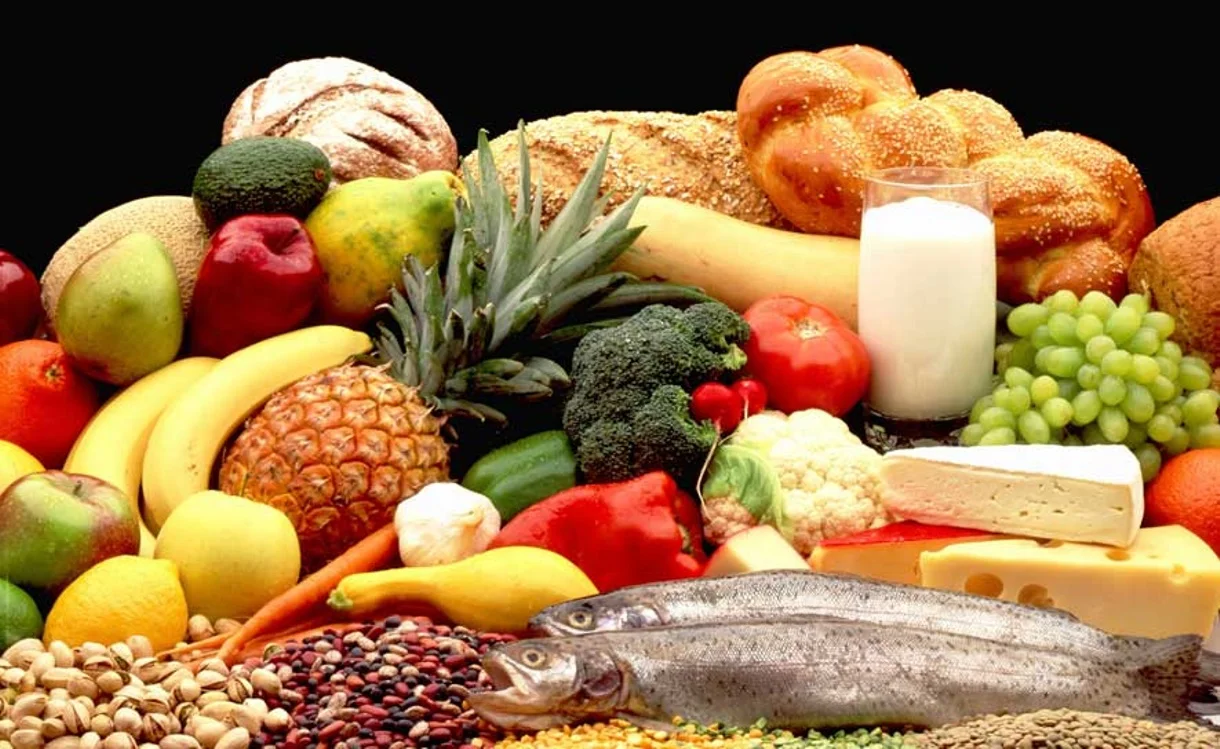
Income of a Nutrition Coach
A Nutrition Coach's income can vary widely according to qualifications, experience, location, employment model, client base, specialization, and the services offered. There is no universal salary range for the profession, and earnings should be evaluated in the context of the relevant local market.
- Employment income: Compensation varies substantially by country, location, qualifications, experience, employer, and responsibilities. Current local salary data is more reliable than a single universal income estimate.
- Independent practice: Some Nutrition Coaches work independently with individuals, families, or organizations. Earnings depend on factors such as pricing, client volume, operating costs, marketing, reputation, and local demand.
- Healthcare and wellness organizations: Some coaches work in wellness programs, clinics, fitness organizations, or related settings. Roles involving clinical nutrition or medical treatment may require additional regulated qualifications.
- Food, nutrition, and wellness industries: Nutrition Coaches may work in education, customer wellness, program delivery, communications, or other non-clinical roles within food and wellness companies. Compensation depends on role and responsibility.
- Education and training: Coaches with suitable qualifications may teach courses, facilitate workshops, or contribute to research and program development. Earnings vary by position, credentials, and institution.

Nutrition Coach Training Curriculum
Nutrition Coach training programs vary by provider, jurisdiction, qualification level, and intended scope of practice. A well-designed program generally combines theory with practical learning to develop knowledge and coaching skills. The following is an illustrative curriculum framework:
Core Program:
Introduction to Nutrition:
- Overview of nutrition and its relationship to health.
- Major nutrients and their functions in the body.
Foundations of Nutrition:
- Structure and functions of nutrients, including proteins, carbohydrates, fats, vitamins, and minerals.
- Nutritional balance and foundational healthy-eating principles.
Nutrition Assessment and Planning:
- Gathering appropriate nutrition and lifestyle information and reviewing eating habits within the coach's scope of practice.
- Developing practical nutrition and behavior strategies based on client goals, while referring clinical or therapeutic needs to appropriately qualified professionals.
Applied Nutrition:
- Applying nutrition knowledge to real-world contexts such as general wellness, physical activity, and healthy weight-management support, while distinguishing coaching from clinical nutrition therapy.
Coaching and Communication:
- Coaching and communication skills for working with clients.
- Developing practical nutrition-related goals and supporting clients in implementing sustainable behavior changes.
Nutrition Science:
- Reviewing current nutrition research and learning how scientific evidence can inform responsible practice.
Practical Experience:
- Practical activities, supervised experience, or placements in appropriate nutrition, wellness, or related settings to apply acquired knowledge and skills.

Advanced Program (Optional):
Nutrition and Exercise:
- General nutrition principles for physically active people and athletes.
- Understanding energy intake and expenditure in the context of exercise and sport.
Nutrition and Community Health:
- Nutrition considerations across diverse populations and communities.
- Community education on nutrition awareness and healthy lifestyles.
Nutrition and Health Conditions:
- Understanding how nutrition relates to conditions such as diabetes, cardiovascular disease, and obesity, including the boundaries between general coaching and clinical nutrition care.
- Understanding the role of nutrition within multidisciplinary prevention and treatment while recognizing that medical nutrition therapy should be delivered by appropriately qualified professionals.
Advanced Nutrition Science:
- Reviewing and applying advanced research methods in nutrition.
- Evaluating emerging technologies used for nutrition tracking, monitoring, and assessment.

 Tham gia ngay
