
The Journey to Becoming a Professional Meditation Facilitator
As interest in meditation grows, trained facilitators can support non-clinical practices for attention, relaxation, mindfulness, and general well-being. Developing professionally requires structured learning, personal practice, facilitation skills, ethical boundaries, and continued development.
As interest in meditation grows, trained facilitators can support non-clinical practices for attention, relaxation, mindfulness, and general well-being. The Meditation Teacher course at the Academy of Medical Sciences, Vietnam provides structured training for learners interested in developing these skills. This article outlines a pathway toward responsible meditation facilitation.
1. Meditation and Its Role in Modern Life
Meditation as a Practice for Balance
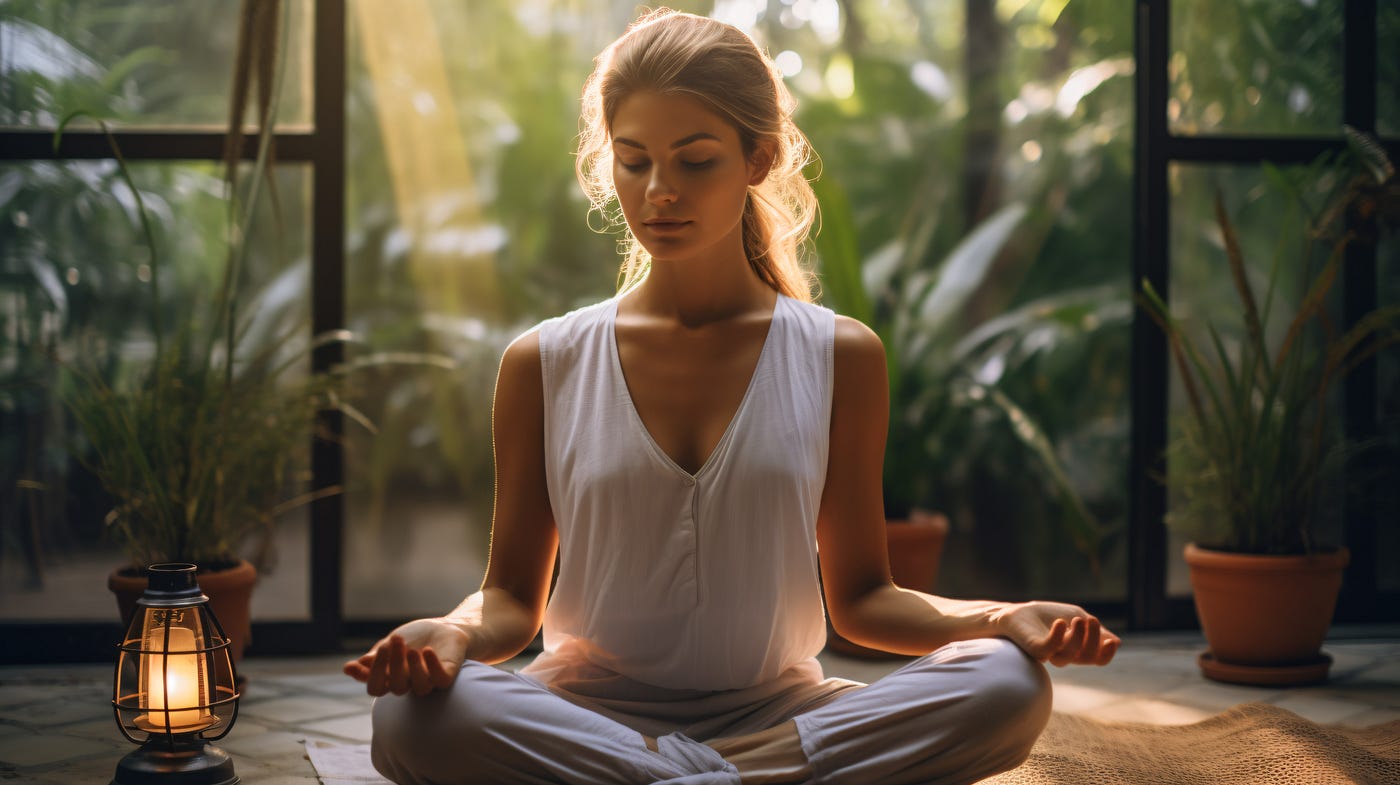
Meditation includes a range of contemplative and attentional practices. Research suggests that some meditation approaches may support stress reduction, attention, and well-being for some people, although effects vary and meditation is not a substitute for medical or psychological care.
In modern life, meditation may provide some people with a structured way to pause, develop awareness, and respond more intentionally to everyday stress.
Growing Interest in Trained Meditation Facilitators
As interest in mindfulness and well-being grows, meditation sessions are increasingly offered in yoga centers, wellness settings, schools, workplaces, and community programs. Requirements vary by setting, and clinical environments may require additional professional qualifications and institutional approval.

2. Meditation Training at the Academy of Medical Sciences, Vietnam
About the Academy of Medical Sciences, Vietnam
The Academy of Medical Sciences, Vietnam provides education and research activities related to health and wellness, including structured training in meditation facilitation.
Why Consider This Course?
- Accessible course structure: Designed to support learners with different levels of previous meditation experience.
- Teaching team: Instruction is provided by lecturers and practitioners with relevant backgrounds and experience.
- Course-completion certificate: Learners who meet the stated requirements receive the Academy's certificate. Recognition depends on the setting and should not be represented as clinical licensure.
- Evidence-informed learning: The course can introduce scientific research on meditation alongside its traditions, practical methods, limitations, and safety considerations.

3. Meditation Teacher Course Content
3.1. Theory
- History and origins: Explore the development of meditation across selected traditions and cultures.
- Research on meditation: Review evidence on how selected practices may relate to attention, stress, the nervous system, and psychological well-being, including limitations.
- Common meditation approaches: Mindfulness, focused attention, open monitoring, compassion-oriented practice, and other selected methods.
3.2. Practice
- Foundational techniques: Breathing awareness, body relaxation, attention training, and other introductory practices.
- Facilitating groups: Learn how to structure and guide individual or group meditation sessions appropriately.
- Communication skills: Develop clear, respectful instruction and listening skills.
-20241120093931.png)
3.3. Practical Applications
- Workplace meditation: Facilitate non-clinical practices intended to support attention and everyday stress management.
- Meditation for children: Age-appropriate practices require suitable safeguarding, consent, and adaptation.
- Meditation and mental health: Meditation may complement well-being practices but should not be presented as treatment for anxiety, depression, trauma, or other mental-health conditions. Clinical care requires qualified professionals.
4. Benefits of Participating
4.1. Personal Development
Learners develop their own meditation practice while learning facilitation skills. Meditation may support attention, relaxation, self-awareness, and emotional regulation for some people, but individual experiences vary.
4.2. Career Development
- Facilitate meditation in appropriate yoga, wellness, community, workplace, or educational settings.
- Offer independent meditation classes or workshops where permitted.
- Professionals who already hold relevant qualifications may integrate meditation into their existing work when appropriate to their scope.

4.3. Contribution to the Community
By sharing meditation responsibly, facilitators can help make non-clinical mindfulness and relaxation practices more accessible in their communities.
5. The Journey to Becoming a Professional Meditation Facilitator
5.1. Step One: Enroll in Training
The journey can begin with structured Meditation Teacher training at the Academy of Medical Sciences, Vietnam, providing a foundation in practice, theory, facilitation, and professional boundaries.
5.2. Learn and Practice
Participate in course activities, maintain regular personal practice, and develop confidence through appropriate facilitation exercises.
5.3. Complete the Course and Apply Your Skills
After meeting course requirements and receiving the Academy's course-completion certificate, learners can begin applying their skills in appropriate non-clinical settings and continue developing through practice and professional communities.
5.4. Continue Developing
Meditation is an ongoing learning process. Continued practice, reading, supervision or mentorship where available, and further education can strengthen facilitation skills.
6. Conclusion
The Meditation Teacher course at the Academy of Medical Sciences, Vietnam provides structured learning in meditation theory, personal practice, facilitation, and practical application. Professional development should be built on responsible teaching, continued learning, and clear boundaries between meditation instruction and clinical care.
Develop your skills through structured education, regular practice, ethical facilitation, and continued learning.


 Tham gia ngay
