
The Role of Massage and Acupressure in Traditional Medicine
Massage and acupressure have longstanding roles in traditional medicine and are also used in modern wellness and complementary-care settings. Their appropriate use requires distinguishing traditional theory from established biomedical evidence and maintaining clear boundaries around clinical treatment.
Massage and acupressure have longstanding roles in traditional medicine and are increasingly used in wellness and complementary-care settings. Traditional theory describes effects through concepts such as qi, blood, meridians, and acupoints, while modern evidence is more specific and variable. This article reviews their role and introduces Massage and Acupressure Techniques training at the Academy of Medical Sciences, Vietnam.
1. Massage and Acupressure in Traditional Medicine
1.1. Massage, Acupressure, and Traditional-Medicine Principles
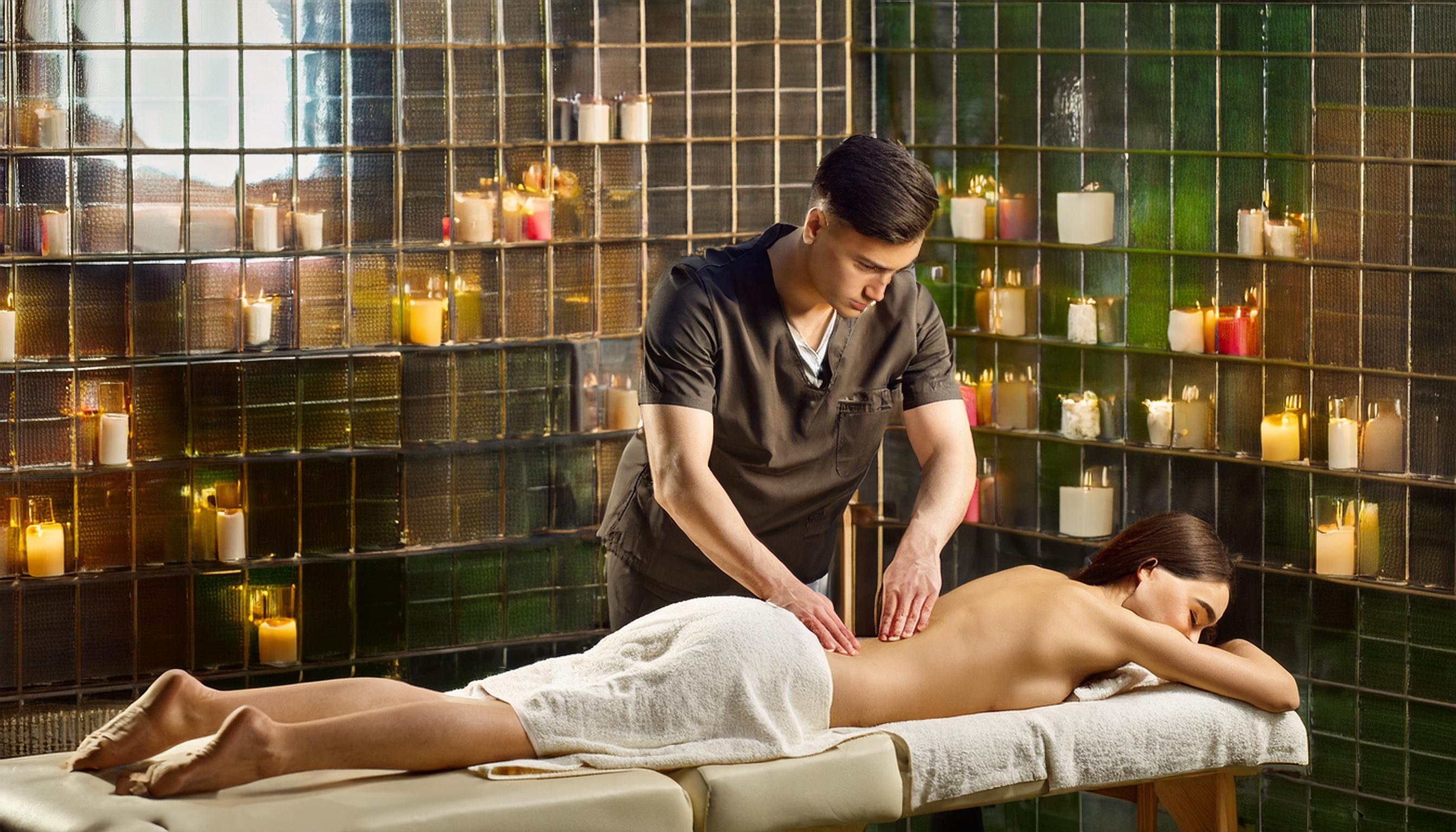
In traditional East Asian medicine, the body is described through concepts including qi, blood, meridians, and acupoints. Massage and acupressure are traditionally applied to these areas with the aim of supporting balance and circulation. These traditional explanatory models should be distinguished from established biomedical anatomy and physiology.
Massage is commonly used for relaxation and muscle comfort, while acupressure applies pressure to selected points according to traditional practice. Therapeutic effectiveness depends on the condition and evidence, so neither technique should be assumed to treat all illnesses.
1.2. Roles in Health and Wellness
1.2.1. Traditional Concepts of Circulation and Balance
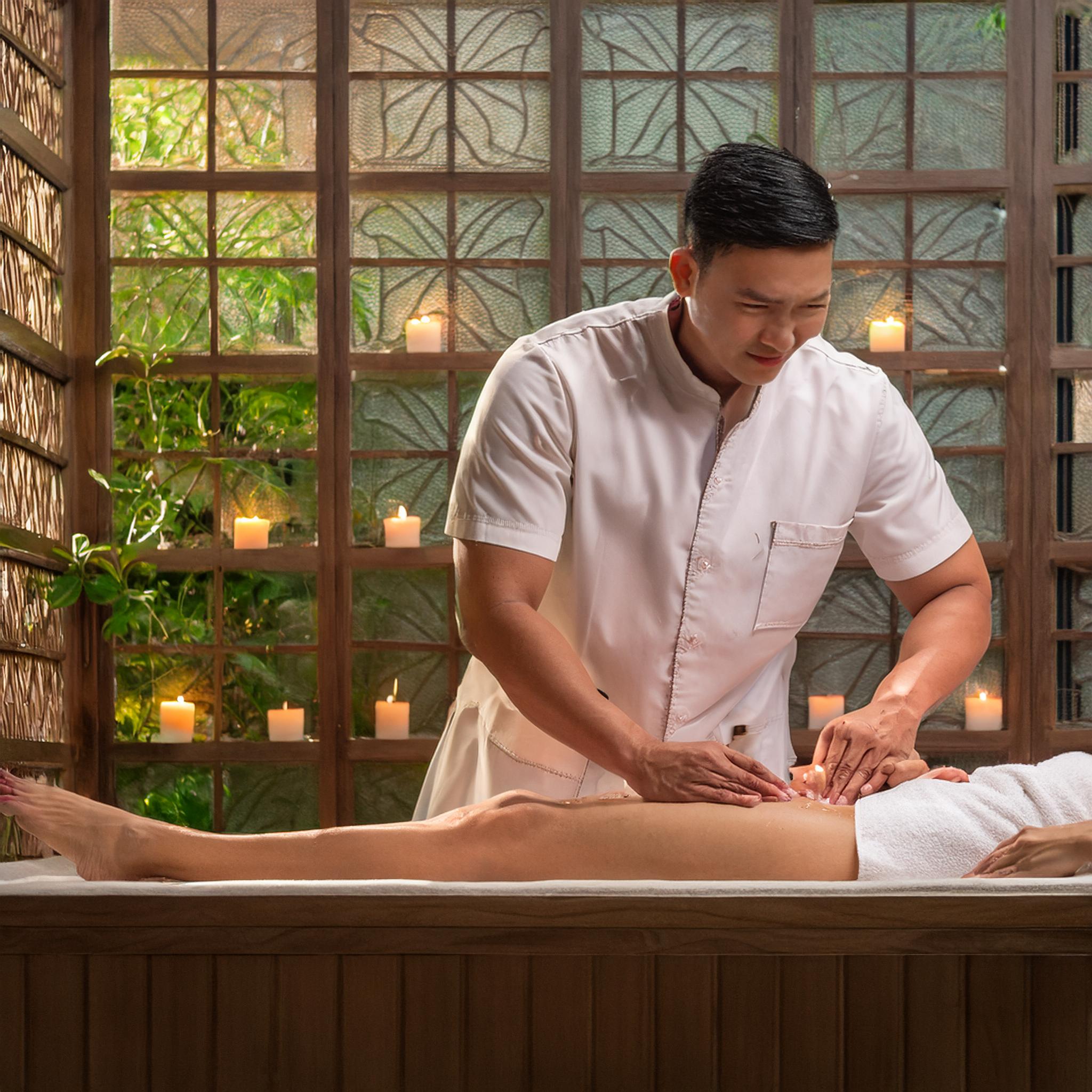
Traditional medicine describes massage and acupressure as supporting the flow of qi and blood. From a modern clinical perspective, these techniques should not be claimed to prevent or treat hypertension, diabetes, digestive disease, or other chronic illnesses without condition-specific evidence and qualified medical oversight.
1.2.2. Pain Relief and Movement
Massage may provide temporary relief for some types of muscle tension and musculoskeletal discomfort. Acupressure may also help certain symptoms in some people, but persistent pain, neurological symptoms, arthritis, injury, or postoperative rehabilitation should be managed with qualified healthcare professionals.
1.2.3. Mental Well-Being
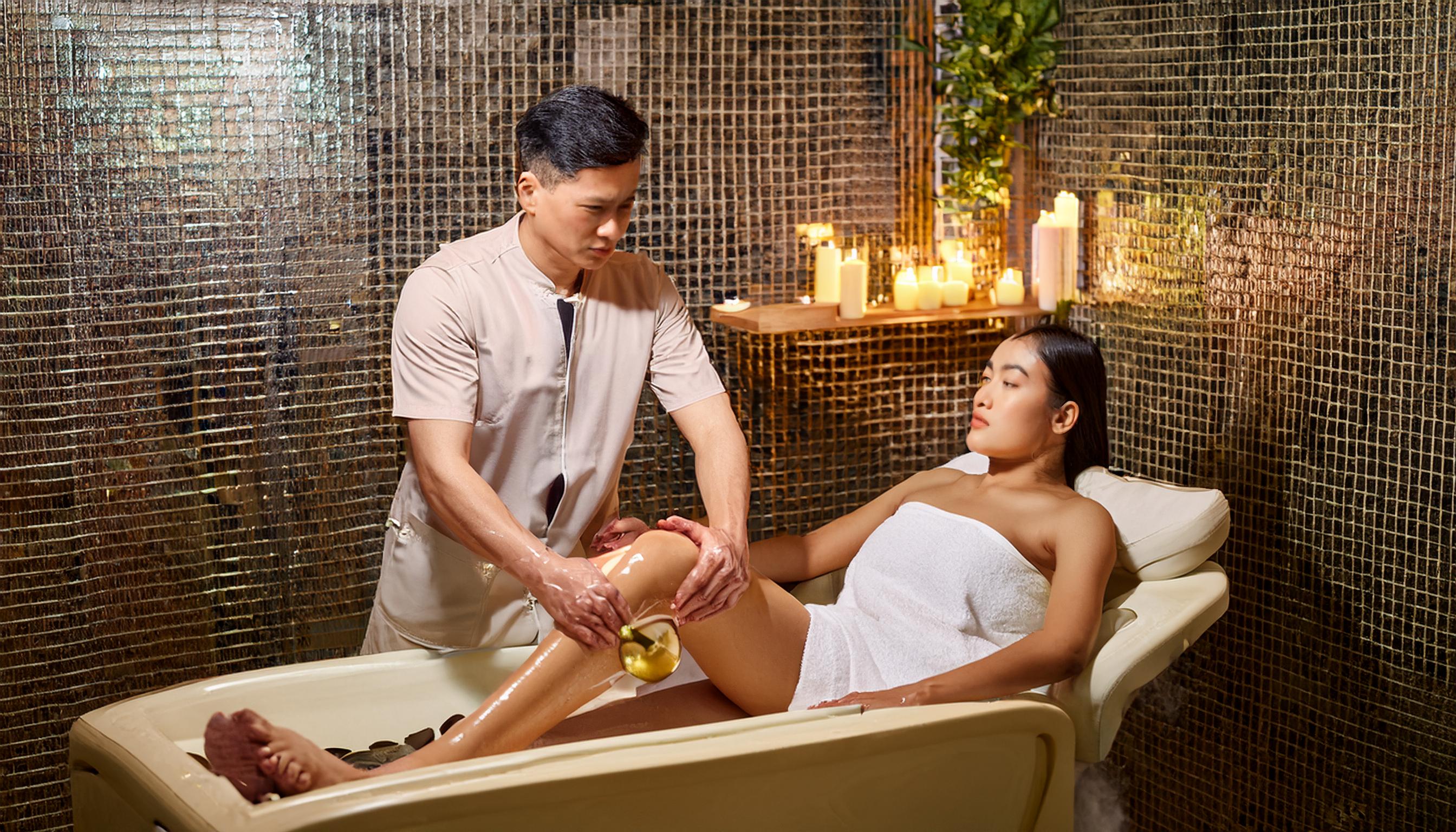
Massage and acupressure may promote relaxation and reduce subjective stress for some people. They should not be presented as treatments for anxiety disorders, depression, or persistent sleep disorders, which require appropriate professional assessment.
1.2.4. Women's and Children's Health
Pregnancy, postpartum care, menopause-related symptoms, and pediatric applications require additional training and safety precautions. Massage or acupressure should not be used to independently treat pediatric digestive problems, poor growth, pregnancy complications, or other medical conditions.
2. Importance of Massage and Acupressure Technicians in Traditional-Health Settings
2.1. Role in Community Wellness
Massage and acupressure technicians may provide appropriate non-invasive wellness services and general self-care education. They should understand contraindications and refer clients when symptoms suggest a medical condition or when needs exceed their qualifications.
2.2. Complementary Use Alongside Modern Healthcare
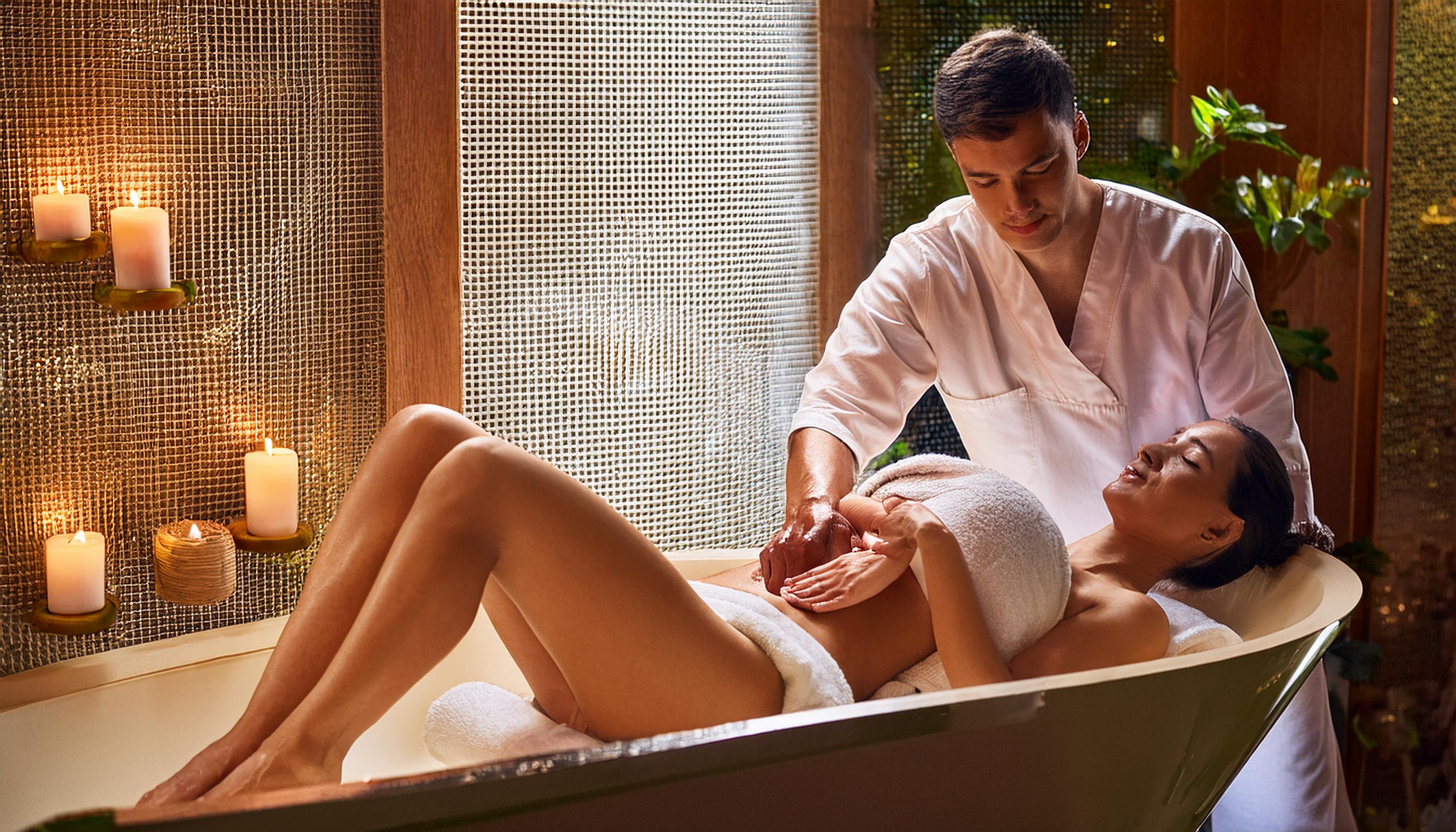
Massage and acupressure may sometimes be used alongside modern healthcare as complementary comfort measures. Work in hospitals, clinics, or rehabilitation settings requires the qualifications, supervision, and institutional authorization appropriate to the role.
2.3. Growing Social Demand
Sedentary lifestyles, work-related muscle tension, stress, and growing interest in wellness have contributed to demand for massage and bodywork services, creating career opportunities for appropriately trained practitioners.
3. Massage and Acupressure Techniques Course at the Academy of Medical Sciences, Vietnam
The Academy of Medical Sciences, Vietnam provides structured Massage and Acupressure Techniques training combining foundational theory, practical skills, safety, contraindications, and professional boundaries.
3.1. Course Content
Key topics may include:
- Traditional-medicine foundations: Yin-yang, the five phases, meridians, and acupoints in their traditional theoretical context.
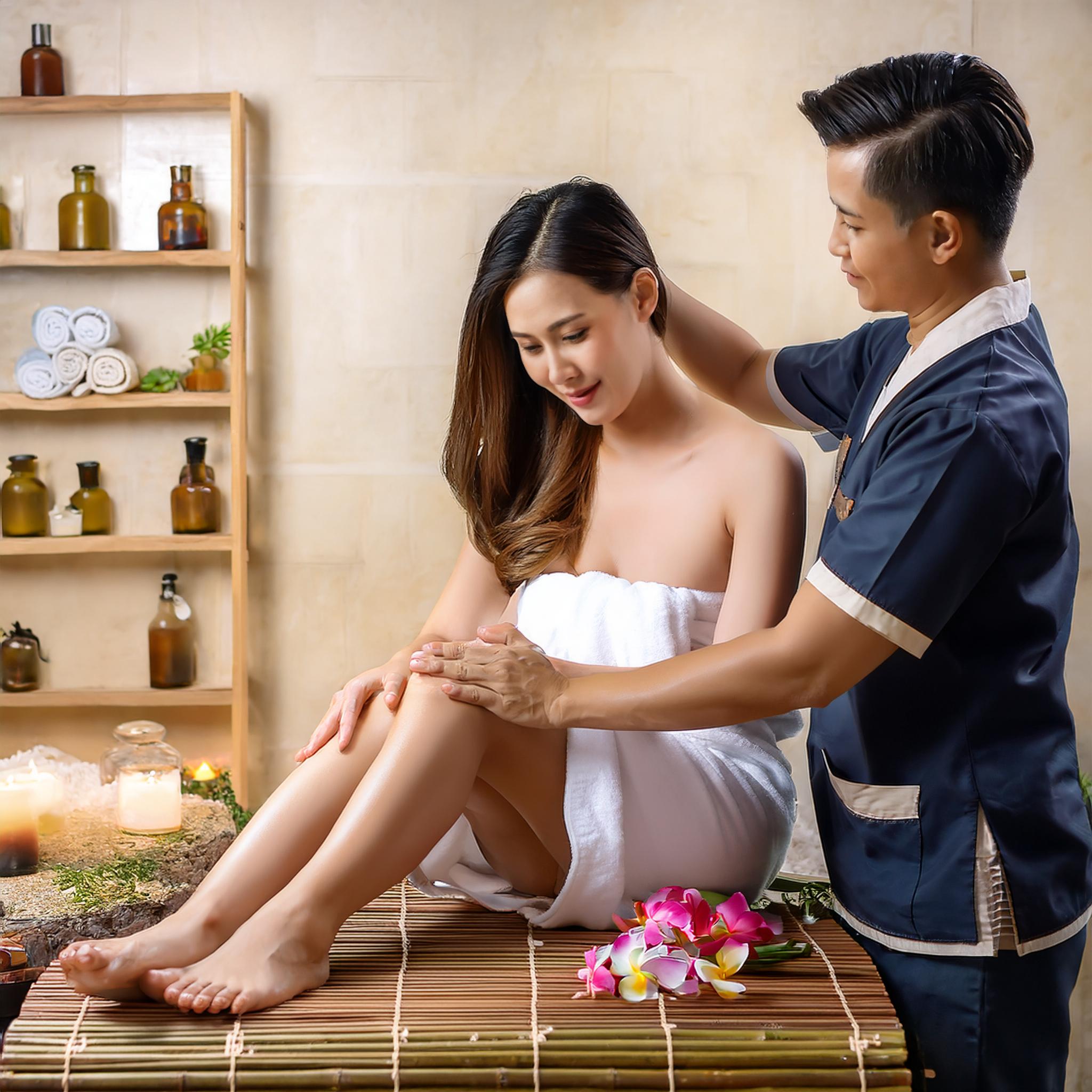
- Massage techniques: Foundational methods such as rubbing, pressing, kneading, stroking, and tapping.
- Acupressure techniques: Locating selected points and applying controlled pressure safely.
- Supervised practical learning: Practicing techniques under instructor guidance in appropriate educational settings.
- Complementary-practice awareness: Introduction to how massage and acupressure relate to other traditional practices. Acupuncture, cupping, herbal treatment, and other regulated clinical procedures require appropriate qualifications.
3.2. Teaching Team
Instruction is provided by lecturers and practitioners with backgrounds relevant to traditional medicine, massage, acupressure, anatomy, health, and education.
3.3. Learning Facilities
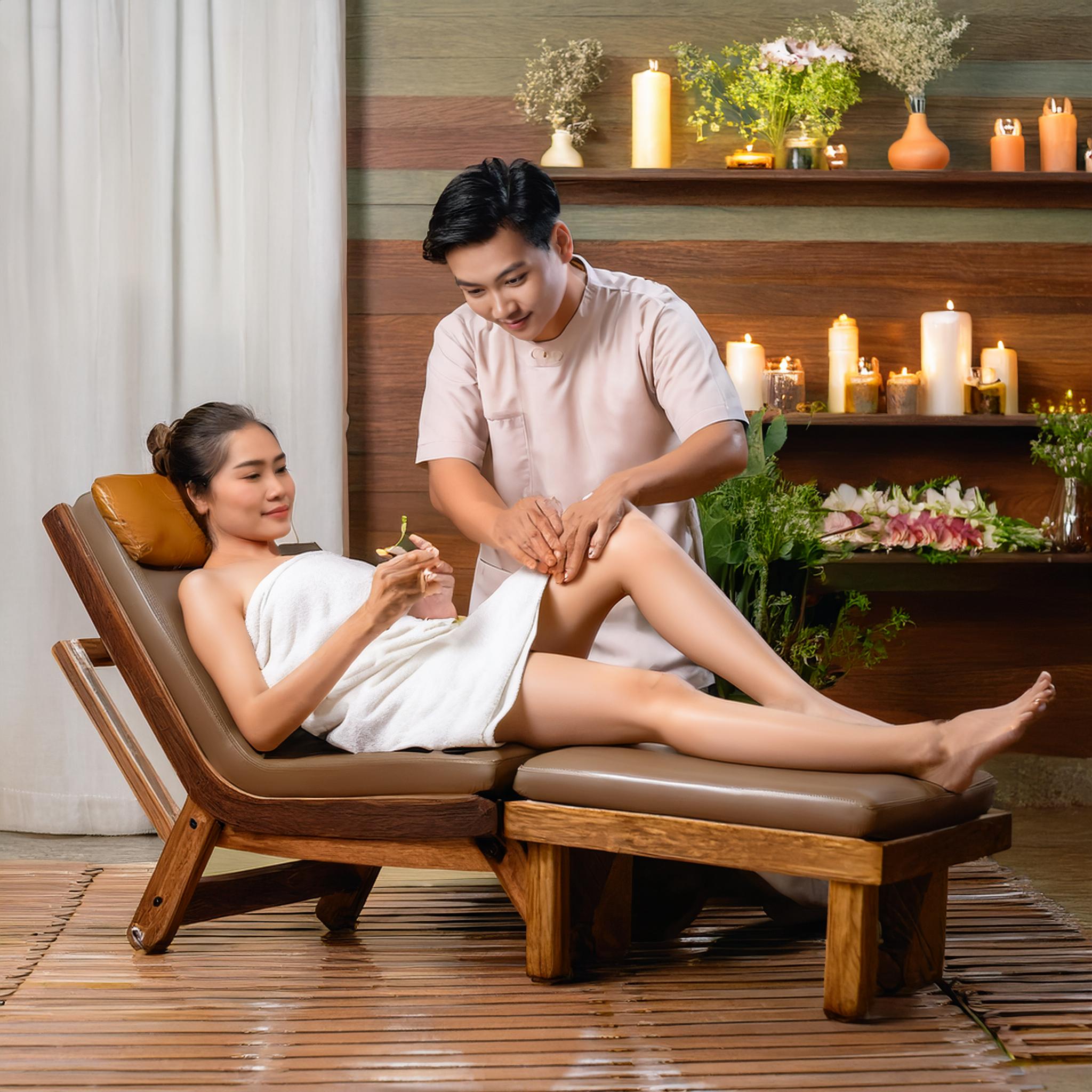
The program uses classrooms, practical-learning spaces, and relevant equipment according to the course structure and available facilities.
3.4. Career Opportunities
Learners who meet course requirements receive the Academy's course-completion certificate. It may support career development in appropriate wellness, spa, or traditional-health roles, while clinical or regulated practice may require additional qualifications and licenses.
4. Benefits of Training at the Academy of Medical Sciences, Vietnam
- Comprehensive foundation: Suitable for beginners and learners seeking to strengthen practical skills.
- Practical emphasis: Supervised practice helps learners become familiar with real-world technique and safety considerations.
- Career support: Training may help learners explore appropriate employment opportunities in wellness and related settings.
- Structured education: The Academy provides an organized learning pathway; professional recognition depends on applicable regulations and employer requirements.
5. Conclusion
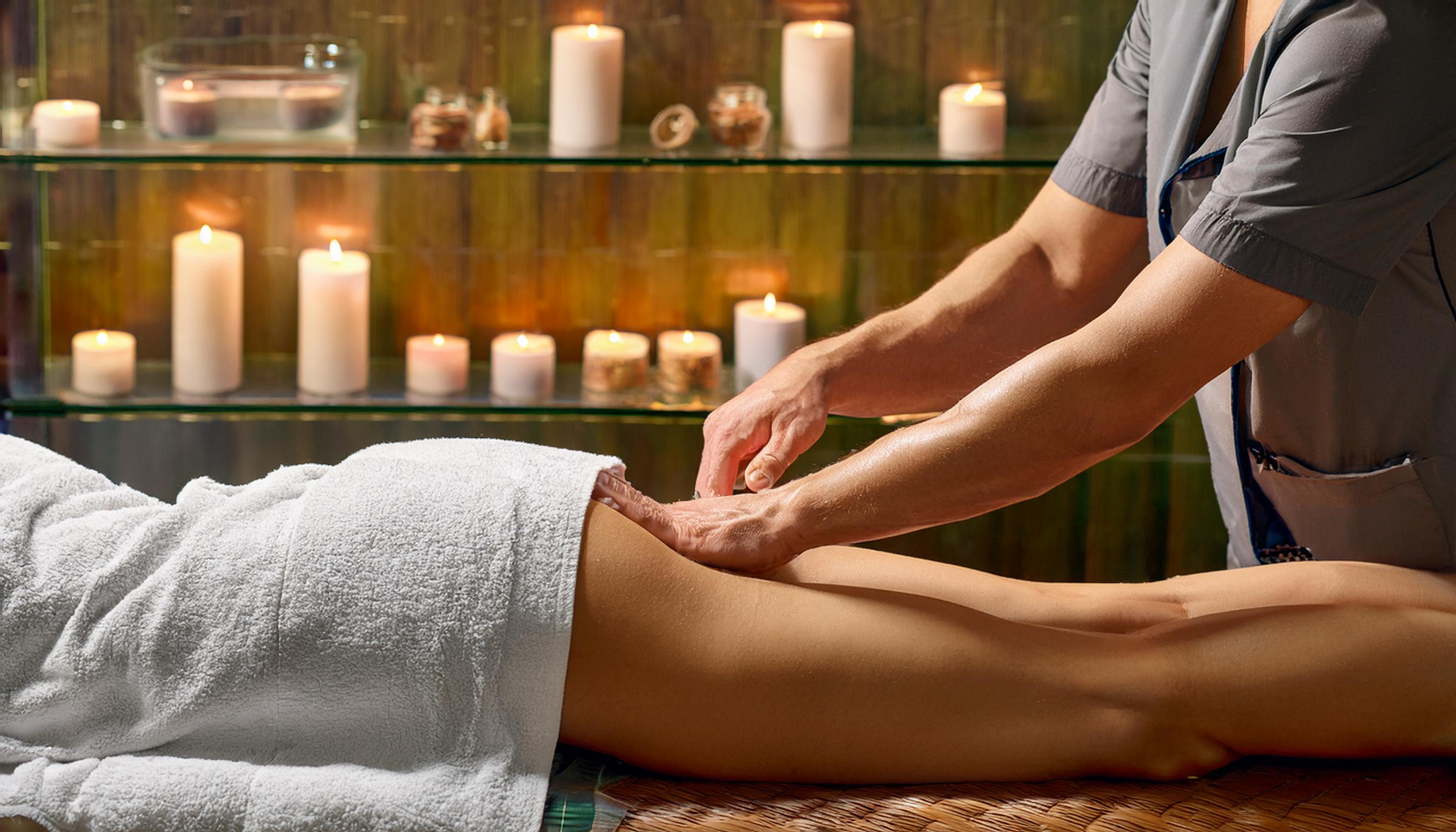
Massage and acupressure are longstanding traditional practices that can contribute to relaxation, comfort, and wellness when used safely and appropriately. Their role in treating specific medical conditions should be evaluated according to evidence and professional qualifications.
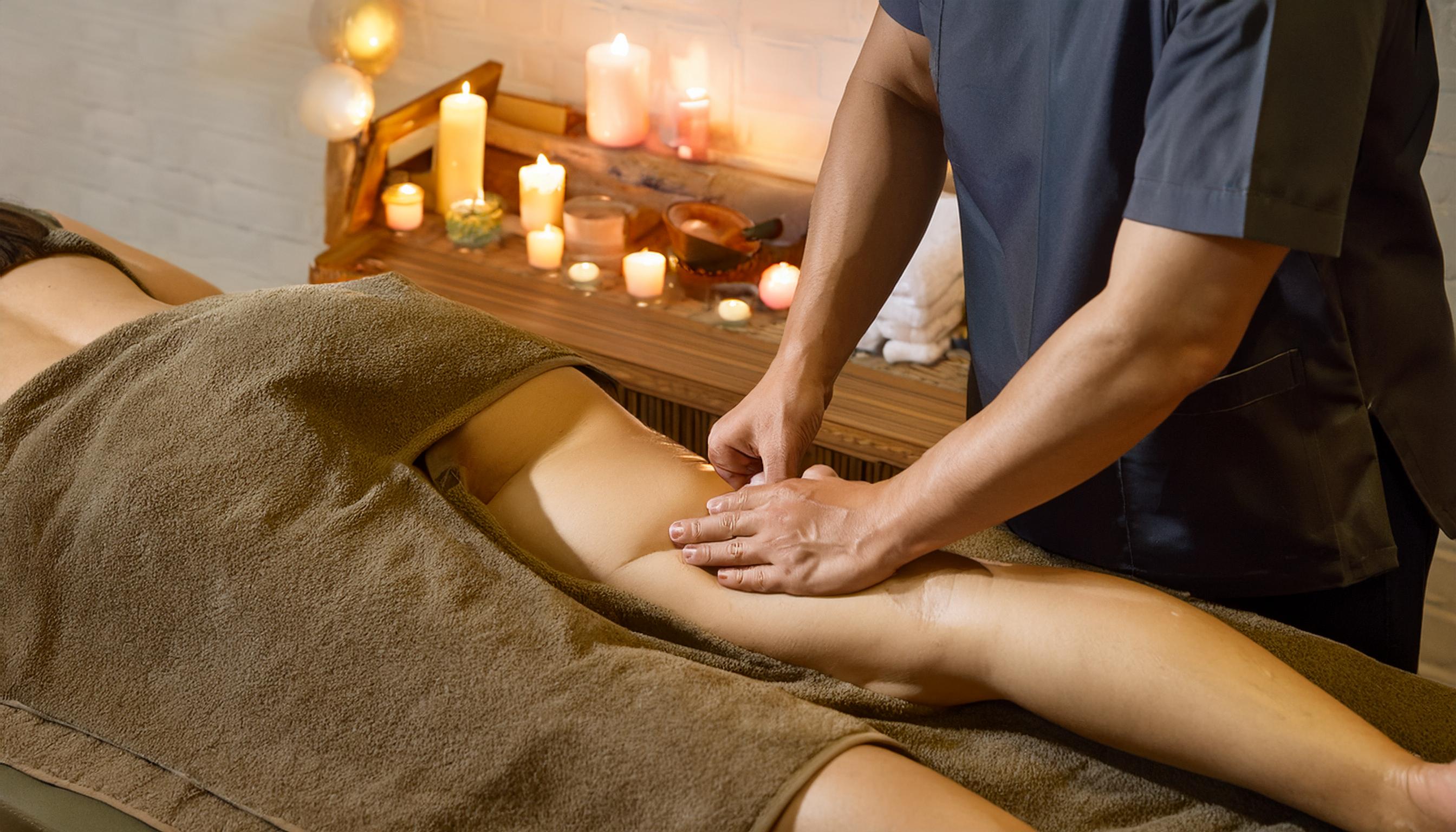
The Massage and Acupressure Techniques course at the Academy of Medical Sciences, Vietnam can provide learners with foundational knowledge, practical skills, safety awareness, and professional boundaries for responsible career development.

 Tham gia ngay
