
Understanding the Growing Interest in Cosmetic Formulation Courses
Interest in cosmetic formulation is growing among beauty enthusiasts and aspiring entrepreneurs. Structured training can help learners understand ingredients, formulation principles, manufacturing hygiene, quality, safety, stability, labeling, and regulatory requirements.
Understanding the Growing Interest in Cosmetic Formulation Courses at the Academy of Medical Sciences, Vietnam
Interest in cosmetic formulation has grown among beauty enthusiasts, product developers, and aspiring entrepreneurs. The Academy of Medical Sciences, Vietnam offers structured Cosmetic Formulation training designed to introduce the science, safety, quality, and regulatory considerations involved in developing cosmetic products.

1. Cosmetic Formulation: Growing Interest in Personalized Beauty Products
Interest in making and understanding cosmetics reflects consumers' growing attention to ingredients, sourcing, product performance, and individual preferences. However, homemade or small-batch cosmetics are not automatically safer than commercial products; formulation requires attention to preservation, contamination, stability, allergens, and appropriate use.
- Ingredient control: Formulators can select ingredients deliberately, but every ingredient must still be evaluated for safety, concentration, compatibility, and quality.
- Product personalization: Formulation can be adjusted for intended product characteristics and consumer preferences, provided safety and stability are maintained.
- Cost awareness: Small-batch formulation can help learners understand ingredient and production costs, but it is not necessarily cheaper than compliant commercial manufacturing.
The Academy of Medical Sciences, Vietnam offers Cosmetic Formulation training for learners interested in product development.

2. Features of Cosmetic Formulation Training at the Academy of Medical Sciences, Vietnam
The Cosmetic Formulation course combines scientific foundations with practical product-development concepts. Key areas may include:
a. Structured and Comprehensive Curriculum
Content progresses from foundational concepts to more applied formulation topics and can be suitable for beginners as well as learners with prior experience:
- Skin and cosmetic ingredients: Basic skin structure, skin types, ingredient functions, and appropriate ingredient selection.
- Formulation principles: Developing products such as creams, serums, cleansers, and hair-care formulations.
- Manufacturing techniques: Measurement, mixing, hygiene, preservation, stability, documentation, and quality considerations.
- Regulatory knowledge: Introduction to applicable cosmetic regulations, labeling, claims, product notification, and manufacturing requirements.
b. Teaching Team
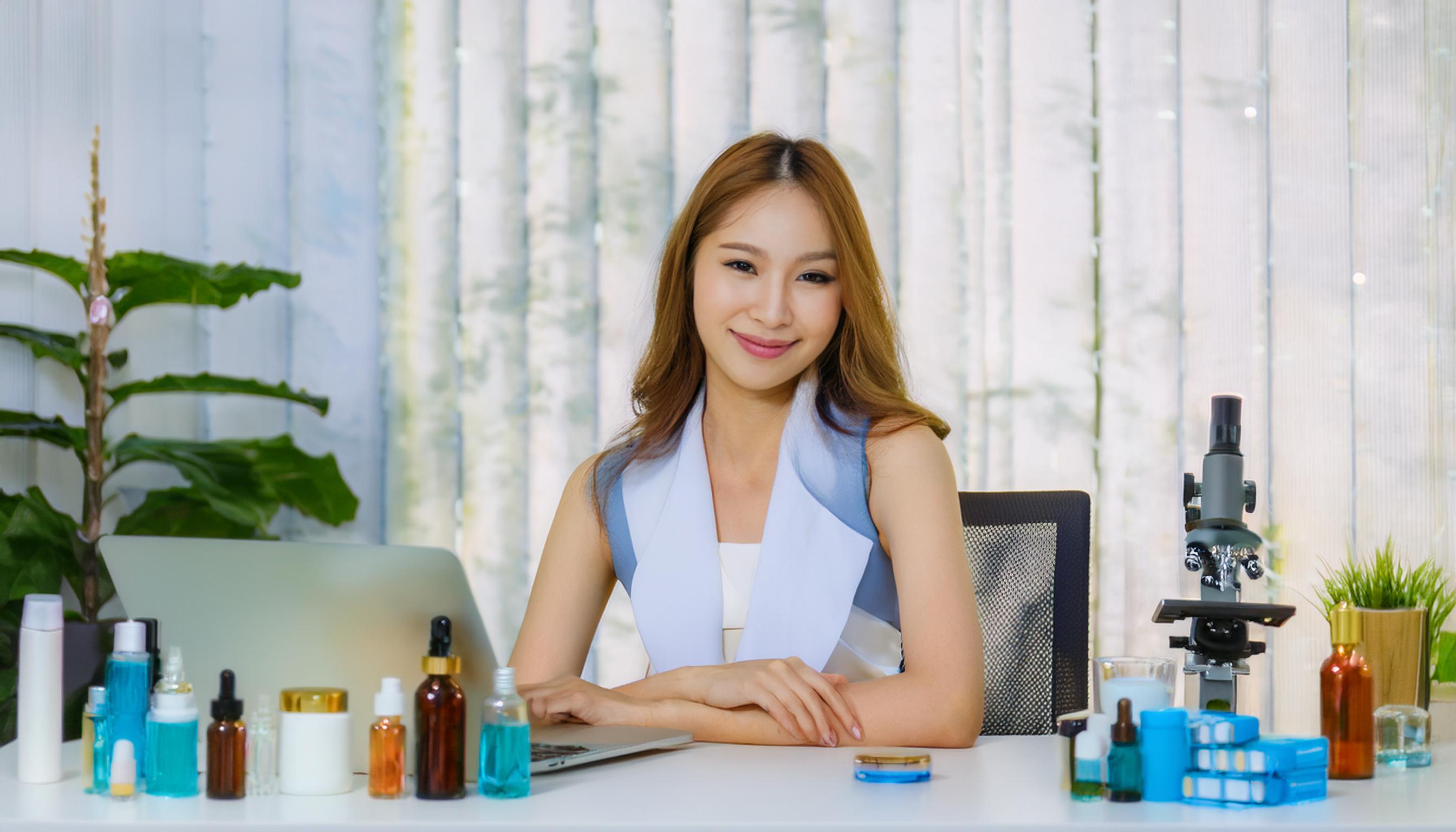
Instruction may involve lecturers and practitioners with relevant backgrounds in pharmacy, chemistry, cosmetics, skin science, quality, or related fields.
c. Practical Learning Facilities
Practical sessions may use laboratory or training equipment appropriate to the course. Learners should be taught safe handling, hygiene, measurement, documentation, and controlled formulation procedures.
d. Entrepreneurship and Product Development
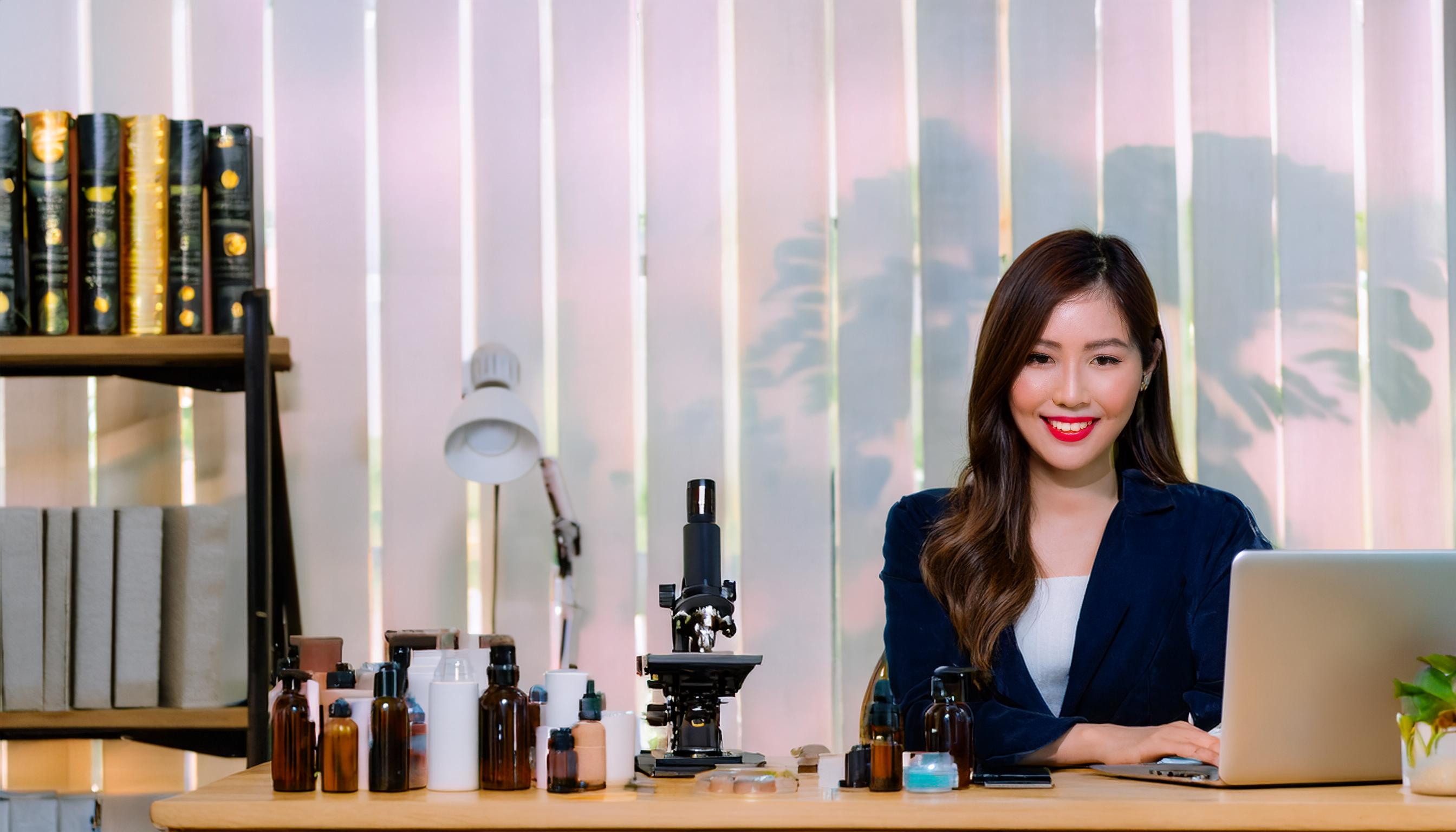
The course may introduce brand development, product planning, sourcing, regulatory pathways, and commercialization considerations. Actual licensing, notification, manufacturing, and market authorization requirements depend on applicable law and should be handled with appropriate professional advice.
3. Learner Projects and Career Pathways
Learners may use the knowledge and skills developed in the course for personal projects, further study, product-development roles, or entrepreneurship. Individual commercial outcomes vary and should not be presented as guaranteed success.
a. From Office Work to a Cosmetic-Brand Project
For example, a learner with a background outside cosmetics might use formulation training as a starting point for developing an environmentally conscious beauty concept, followed by additional testing, regulatory work, manufacturing, and business development.
b. Developing Hair-Care Products from Local Ingredients
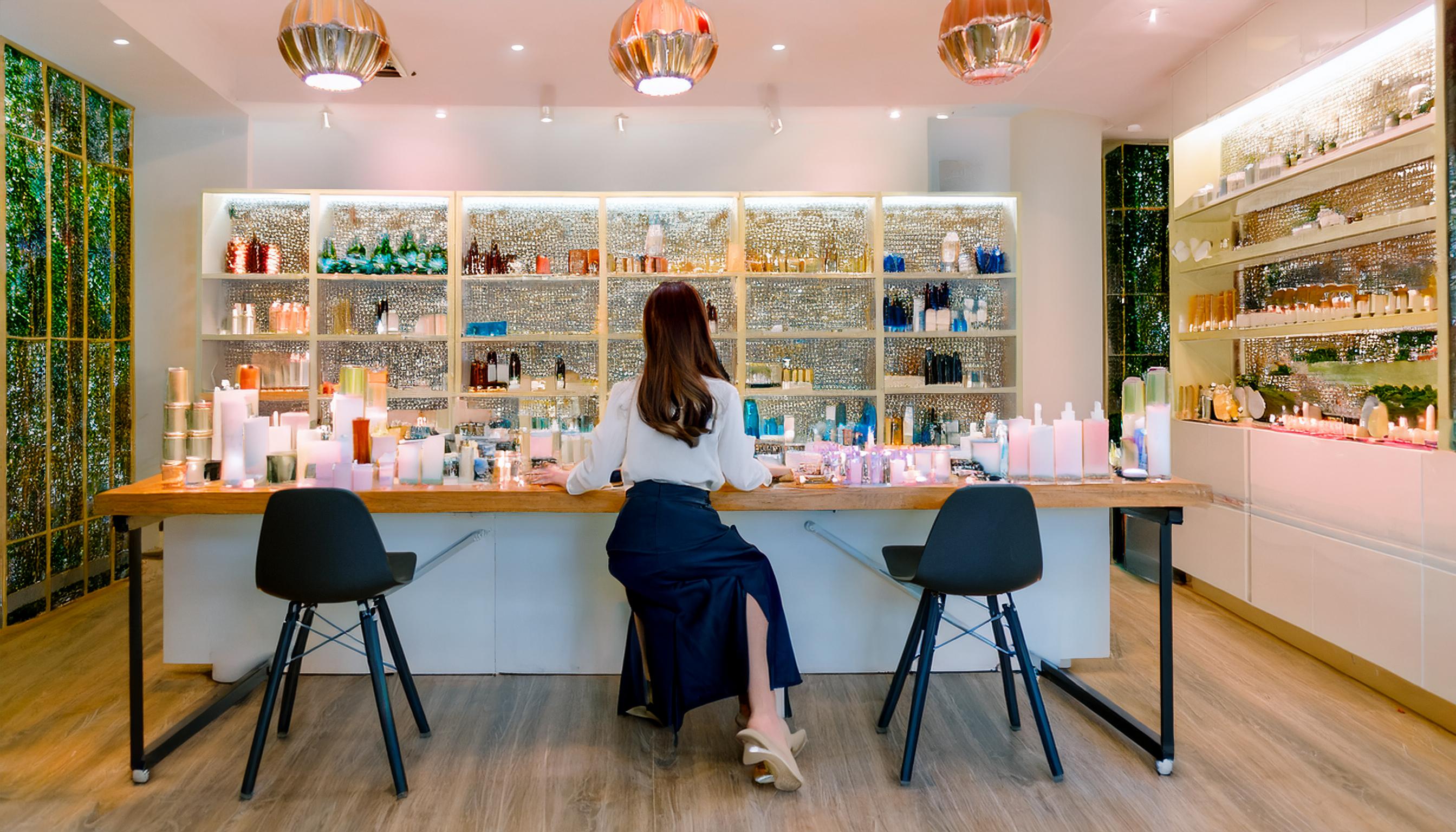
Another possible pathway is developing hair-care concepts using Vietnamese botanical ingredients. Commercialization or export would require appropriate safety assessment, product testing, manufacturing controls, documentation, and compliance with destination-market regulations.
4. Why Choose the Academy of Medical Sciences, Vietnam?
The Academy of Medical Sciences, Vietnam provides a structured learning environment for people who want to develop foundational and practical knowledge of cosmetic formulation:
- Structured curriculum: Progressive learning from foundational concepts to practical formulation.
- Practical focus: Training may include hands-on exercises and formulation documentation.
- Professional connections: Learning activities may support networking with peers and relevant professionals, without guaranteeing employment or commercial outcomes.
5. The Future of Cosmetic Formulation in Vietnam
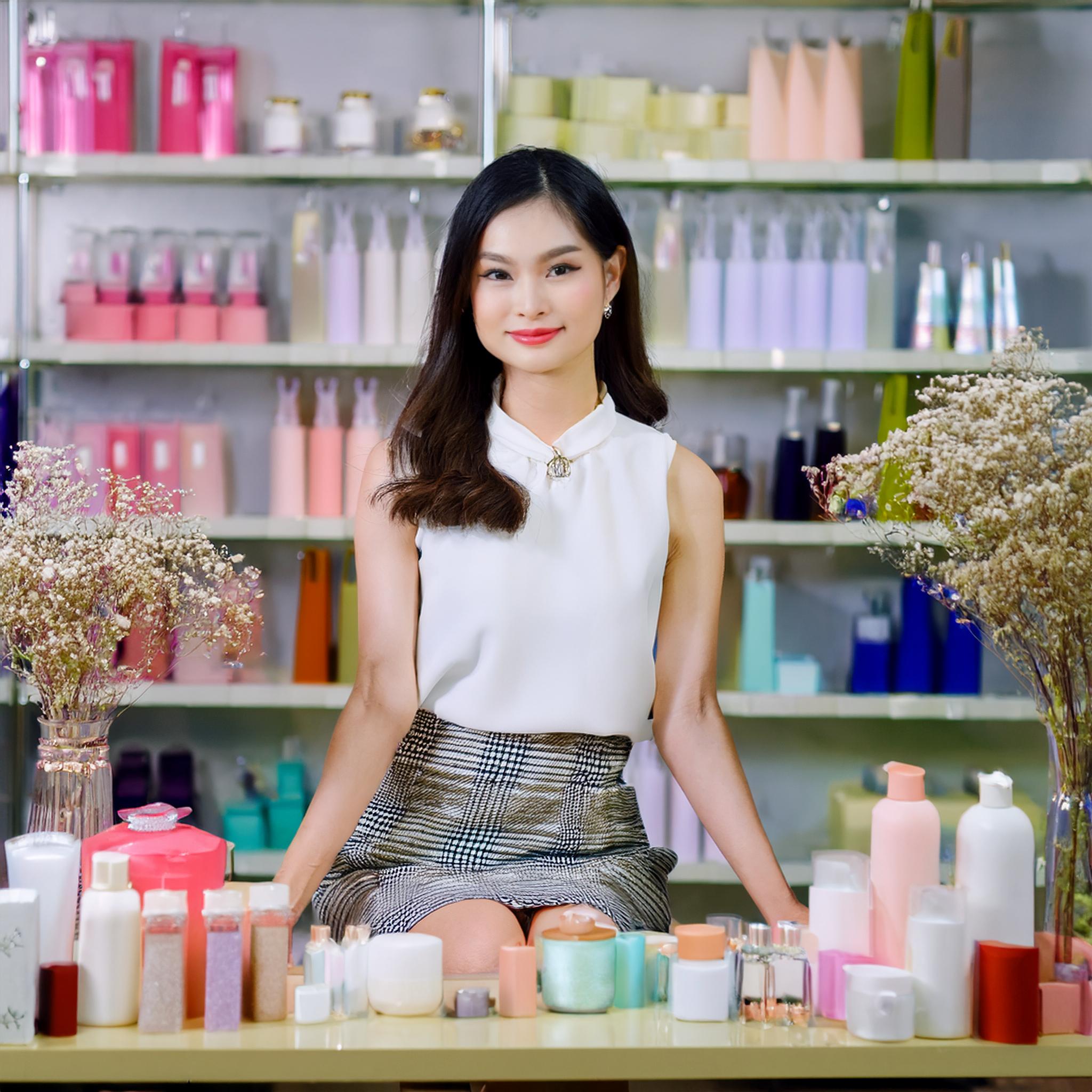
Vietnam's beauty market and interest in personalized products can create opportunities for local product development and innovation. Sustainable growth will depend on formulation science, product quality, safety, regulatory compliance, responsible claims, and consumer trust.
Local cosmetic products may also pursue international markets, but export requires compliance with the regulations, safety documentation, labeling, and quality requirements of each destination.
6. Conclusion
The Cosmetic Formulation course at the Academy of Medical Sciences, Vietnam can provide learners with a structured introduction to formulation science, practical techniques, quality, safety, and commercialization considerations. It can be a useful foundation for further study or entrepreneurship, but successful product development requires testing, regulatory compliance, appropriate manufacturing, and sound business execution.
For learners interested in beauty, science, product development, or entrepreneurship, Cosmetic Formulation training can be a practical starting point for building responsible skills in the cosmetics field.

 Tham gia ngay
