
What Will You Learn in a Cosmetic Formulation Course?
The Cosmetic Formulation course at the Academy of Medical Sciences, Vietnam introduces cosmetic science, ingredients, formulation techniques, product quality, regulatory considerations, innovation, and business fundamentals through a combination of theory and practical learning.
Consumers increasingly pay attention to cosmetic ingredients, product safety, performance, and manufacturing quality. The Cosmetic Formulation course at the Academy of Medical Sciences, Vietnam provides foundational knowledge together with practical formulation skills relevant to modern product development.
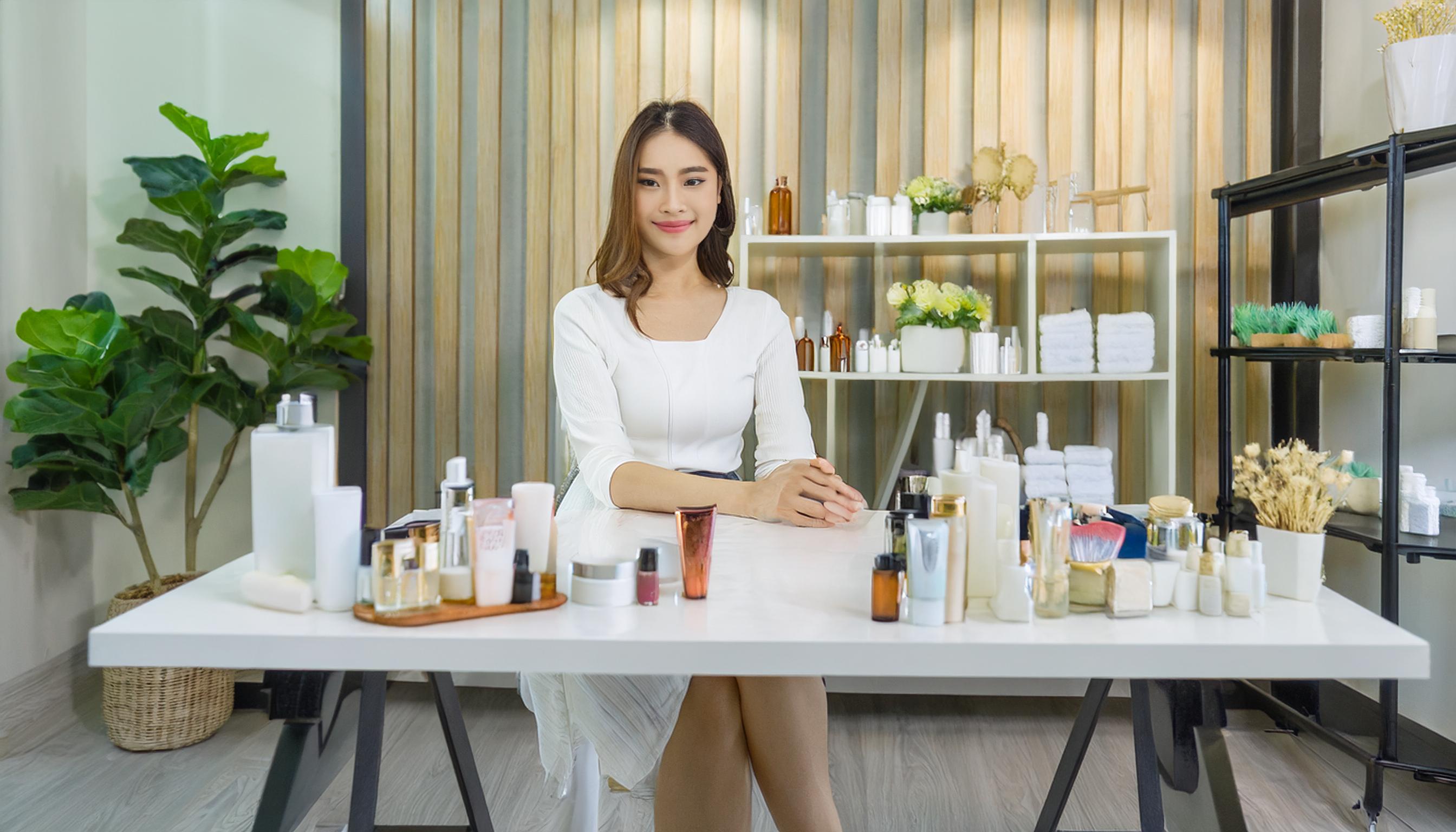
1. Understand Cosmetic Fundamentals and Formulation Technology
The course begins with an overview of cosmetics, product categories, industry development, and the role of cosmetics in modern life. Learners explore questions such as:
- What are cosmetics and how are they defined?
- What product categories are commonly found in the market?
- What safety, labeling, claims, and regulatory requirements may apply to cosmetics in different markets?
Learners may also be introduced to formulation technologies such as emulsification and gel systems, together with emerging delivery technologies. Advanced technologies such as nano-scale systems require careful safety, regulatory, and technical evaluation.

2. Develop Knowledge of Cosmetic Ingredients
Ingredient knowledge is central to cosmetic formulation. Learners study:
- Ingredient characteristics: Natural-origin ingredients, botanical extracts, mineral materials, preservatives, fragrances, surfactants, and other functional ingredients.
- Ingredient selection: Evaluating specifications, quality, safety, supplier documentation, and suitability for the intended product.
- Ingredient compatibility: Building balanced formulas while considering stability, preservation, irritation potential, and performance.
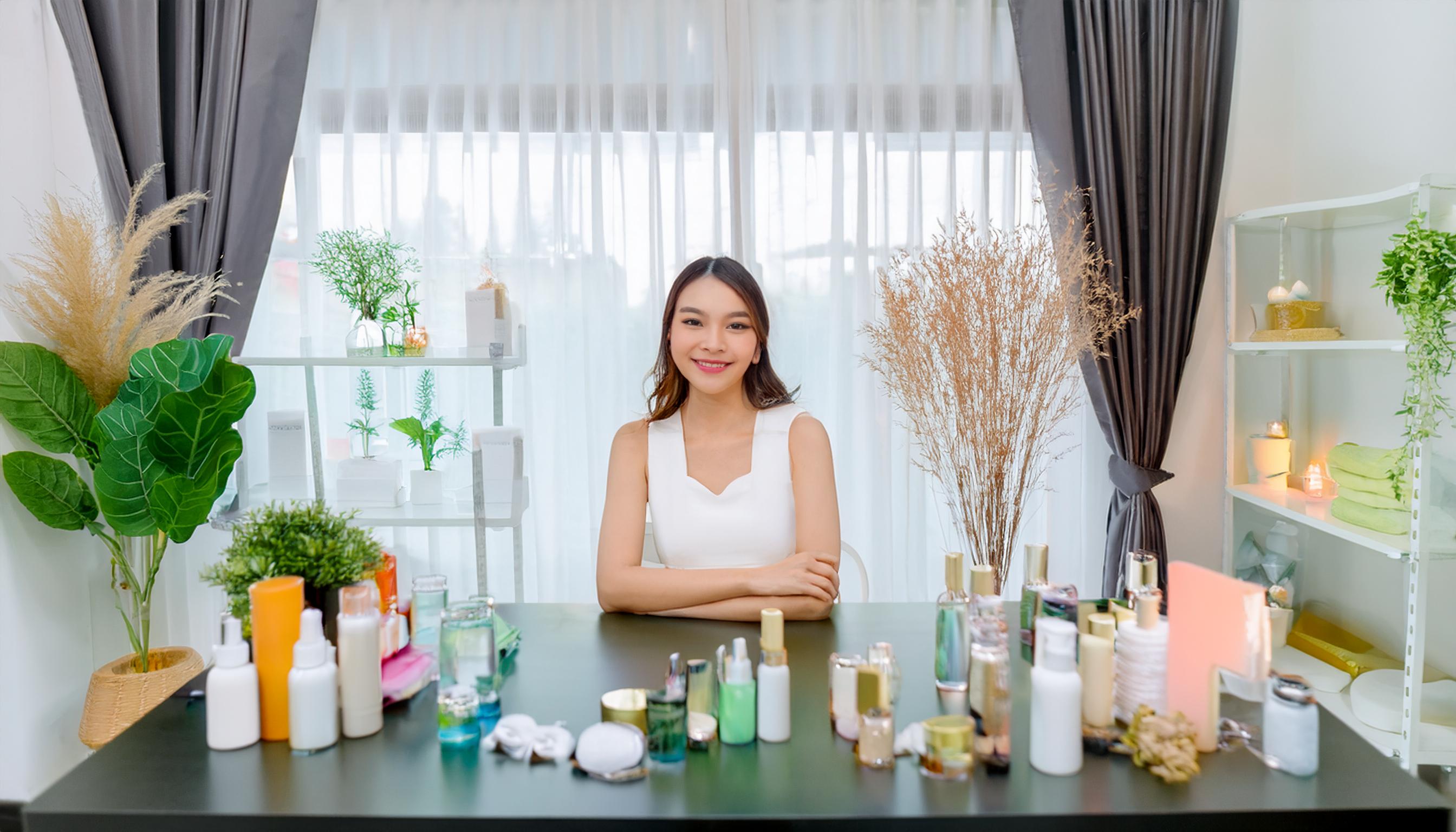
3. Practical Cosmetic Formulation Skills
Practical learning helps learners connect formulation theory with real product-development exercises. Depending on the program, learners may practice:
- Skin-care products: Moisturizers, serums, masks, and related formulations.
- Color cosmetics: Introductory formulations such as lip products or other makeup categories.
- Body and hair-care products: Shampoos, cleansers, body-care products, and selected sun-care concepts where appropriate.
Practical sessions emphasize measurement, hygiene, documentation, ingredient handling, and instructor-guided formulation rather than assuming that a training formula is immediately ready for commercial sale.

4. Product Quality and Evaluation
Cosmetic products intended for market require appropriate quality and safety evaluation. Training may introduce learners to:
- Basic product measurements such as pH and selected physical properties.
- Principles of stability, preservation, and quality assessment.
- Recognizing and troubleshooting common formulation problems.
These skills provide a foundation for understanding quality control, but commercial products may require additional stability, microbiological, compatibility, safety, or regulatory testing.

5. Creative Thinking and Formula Development
Cosmetics is a continually evolving field. Learners may develop skills in market research, product concept development, and responsible formula innovation, including:
- Researching market needs and product trends.
- Developing differentiated formulations for defined product concepts.
- Evaluating ingredients such as peptides, retinoids, or other functional materials according to safety, stability, evidence, and regulatory constraints.
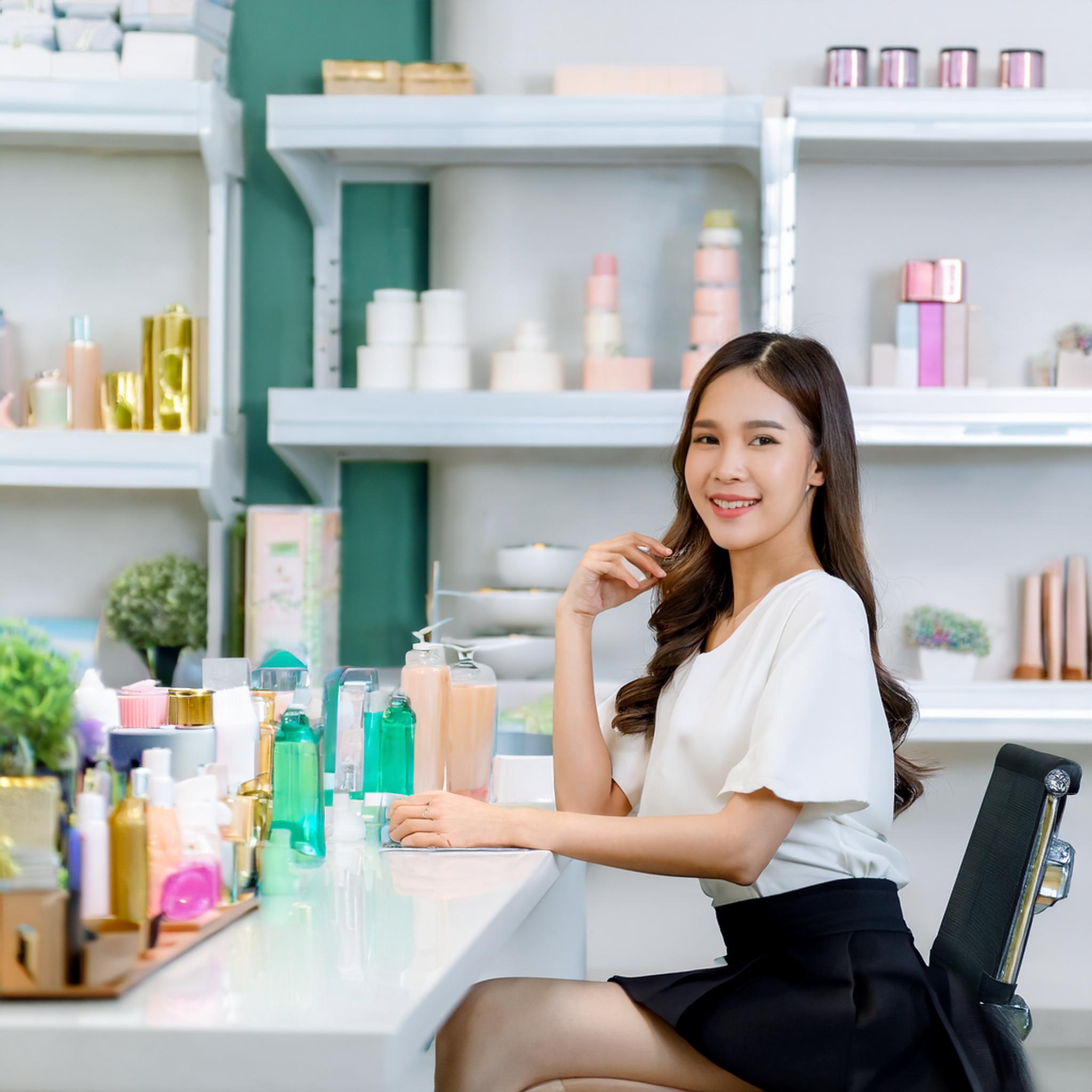
6. Cosmetic Business and Marketing Fundamentals
In addition to formulation, the course may introduce brand and business development topics such as:
- Product strategy: Moving from concept and formulation to packaging and commercialization planning.
- Cost management: Understanding ingredient, production, testing, packaging, and distribution costs.
- Marketing: Communicating product value responsibly and building consumer trust without unsupported claims.
These topics can support learners interested in entrepreneurship or product-development careers, although commercial success is never guaranteed.

7. Modern Science and Technology
Training may introduce developments that are influencing cosmetic research and product development, including:
- Biotechnology: Use of fermentation, enzymes, or biotechnology-derived ingredients in cosmetic development.
- Advanced delivery systems: Technologies intended to influence ingredient delivery or product performance, subject to safety and regulatory assessment.
- Artificial intelligence: Potential applications in consumer-data analysis, formulation support, trend analysis, and product personalization.
These technologies can support innovation, but their benefits depend on evidence, appropriate implementation, safety, and regulatory requirements.
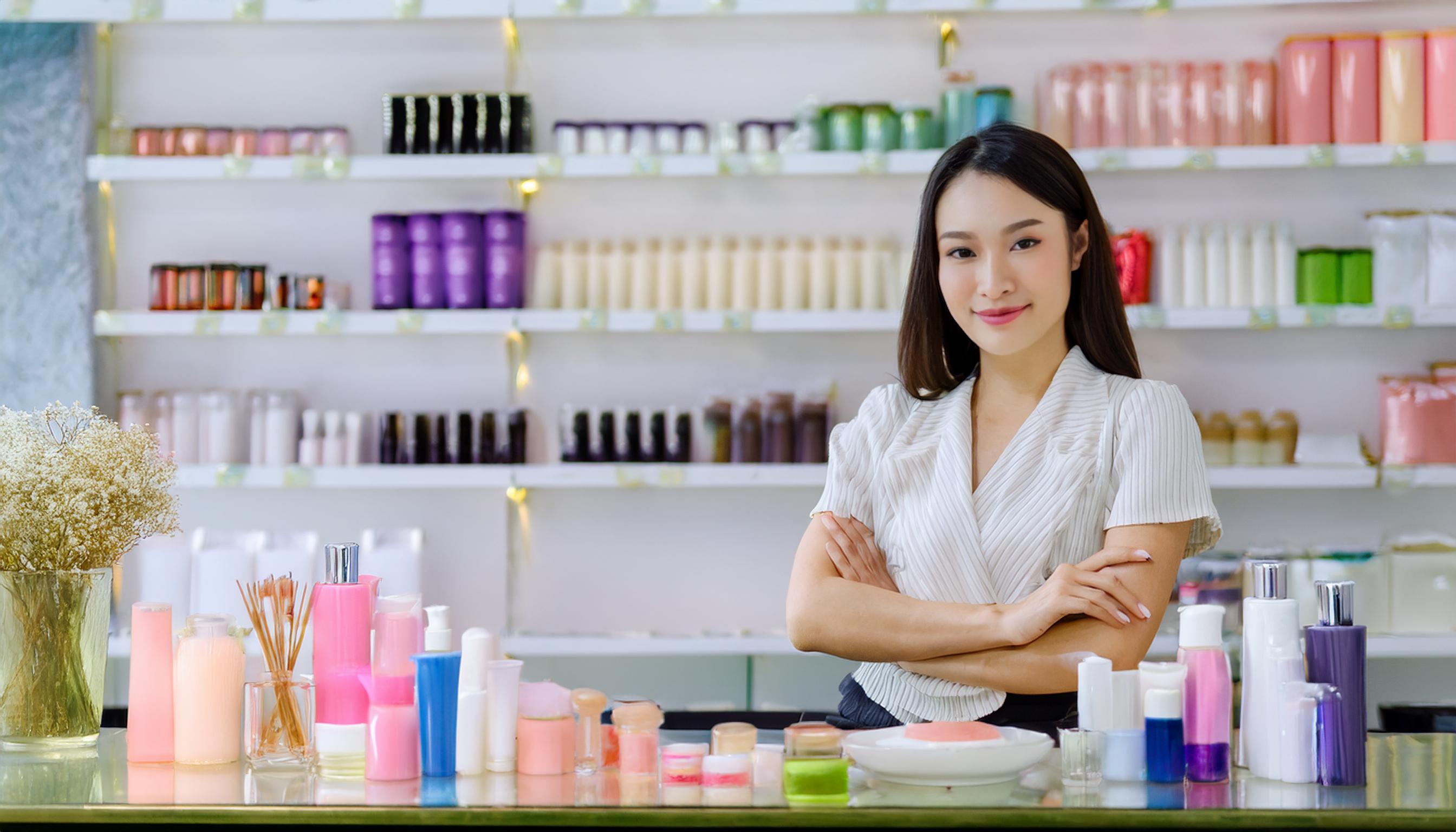
8. Career Pathways
Cosmetic-formulation knowledge can support several possible career directions, depending on education, experience, employer requirements, and applicable regulations:
- Cosmetic formulation or product-development roles in relevant companies.
- Entrepreneurship and development of an independent cosmetic brand.
- Research and development (R&D) support roles, depending on qualifications.
- Education, training, or consulting roles where the learner has sufficient expertise and experience.
The Academy of Medical Sciences, Vietnam may provide professional-development activities and opportunities for learners to connect with relevant organizations or professionals where available; employment is not guaranteed.

9. Learner Support During and After the Course
The Academy of Medical Sciences, Vietnam may provide learners with:
- Learning materials: Course materials and references appropriate to the program.
- Practical learning environment: Facilities and equipment used for supervised training activities.
- Post-course development: Updated learning activities, career guidance, or professional seminars where available.
Conclusion
The Cosmetic Formulation course at the Academy of Medical Sciences, Vietnam provides a structured introduction to cosmetic science, formulation, ingredients, quality, innovation, and business considerations. It can serve beginners as well as learners seeking to strengthen existing knowledge.
For people interested in beauty, science, product development, or entrepreneurship, structured training can be a useful step toward developing responsible cosmetic-formulation skills.

 Tham gia ngay
