
Where Should You Study Cosmetic Formulation?
Choosing a cosmetic-formulation course requires careful evaluation of curriculum, instructors, practical facilities, quality and safety content, regulatory training, and transparent course outcomes. The Academy of Medical Sciences, Vietnam offers one structured option for prospective learners.
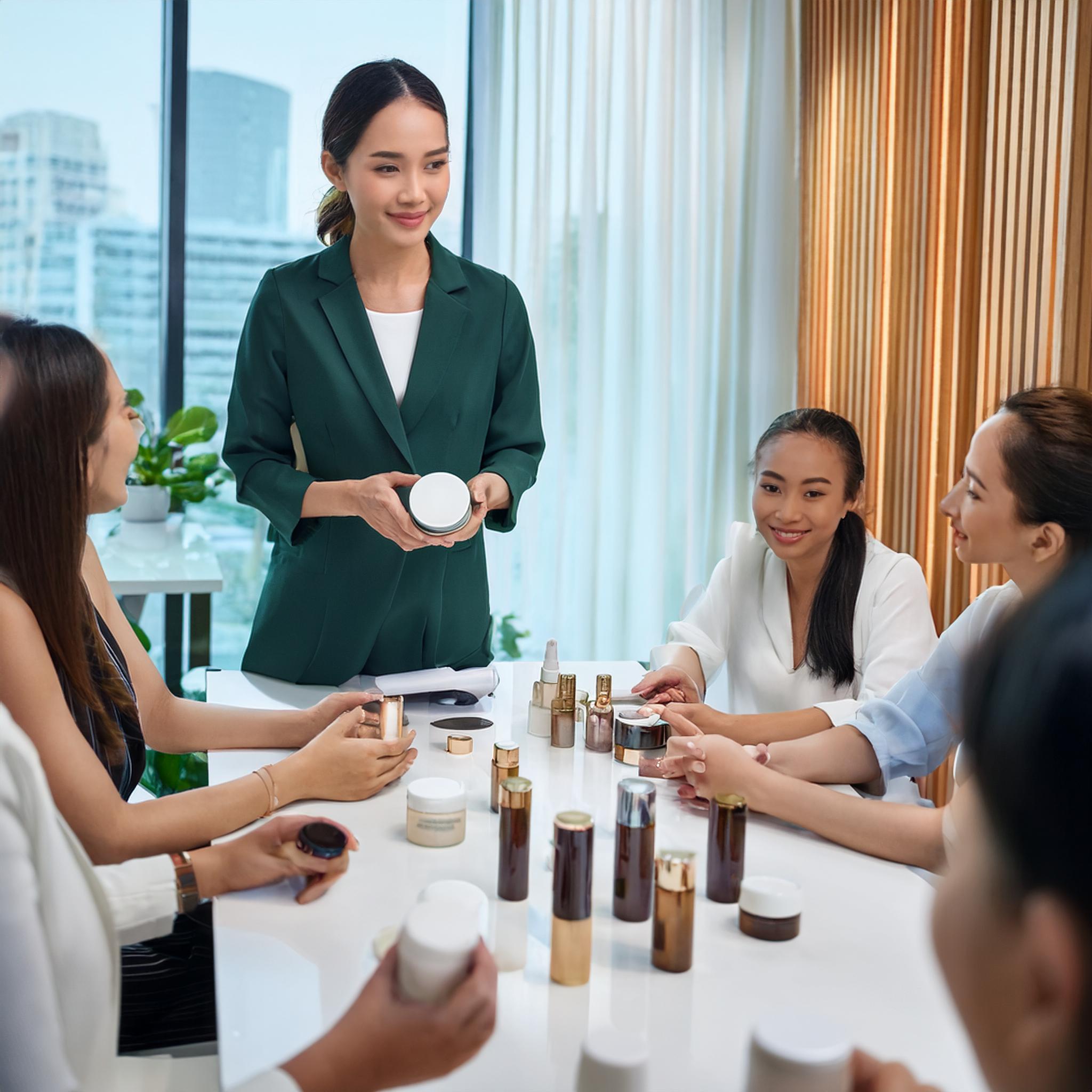
Cosmetic formulation is a multidisciplinary field involving product research, ingredients, formulation, manufacturing, quality, and regulation. Choosing an appropriate training provider is therefore important. The Academy of Medical Sciences, Vietnam offers one structured cosmetic-formulation learning option that prospective learners can evaluate against their goals.
1. Overview of Cosmetic Formulation
1.1. Cosmetics in Modern Life
Cosmetics include products used for cleansing, protecting, perfuming, changing appearance, or maintaining parts of the external body. Product design should reflect intended use, user needs, safety, stability, and regulatory requirements.
1.2. What Is Cosmetic Formulation?
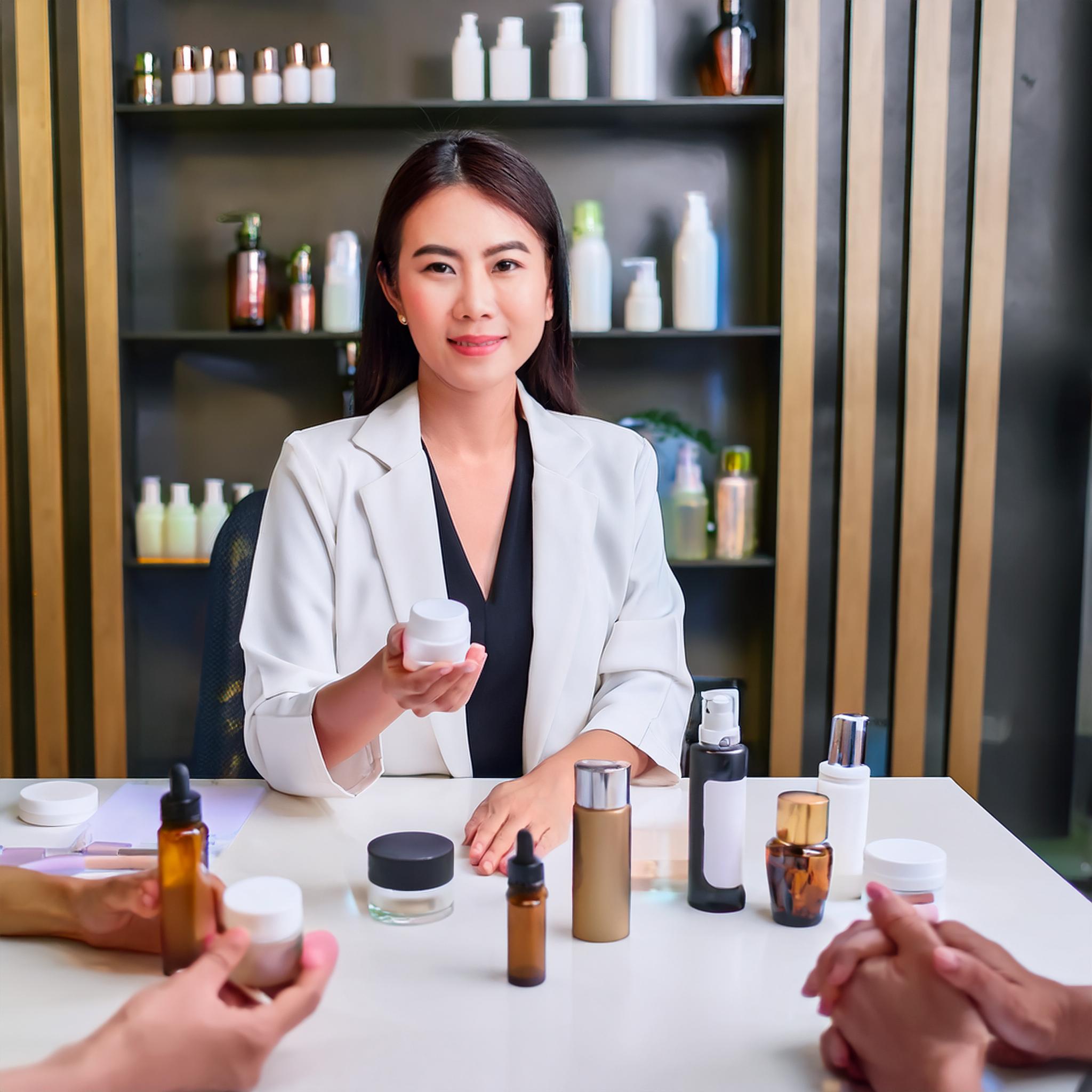
Cosmetic formulation focuses on researching, developing, and manufacturing cosmetic products. It draws on chemistry, biology, material science, quality, and production technology. Learners study ingredient selection, prototype development, testing, and controlled manufacturing.
1.3. Industry and Workforce Demand
The global cosmetics market is substantial and continues to evolve. Rather than relying on fixed growth figures without a current source, prospective learners should review recent market data and local employer needs when assessing career opportunities.
2. Criteria for Choosing a Cosmetic Formulation Program
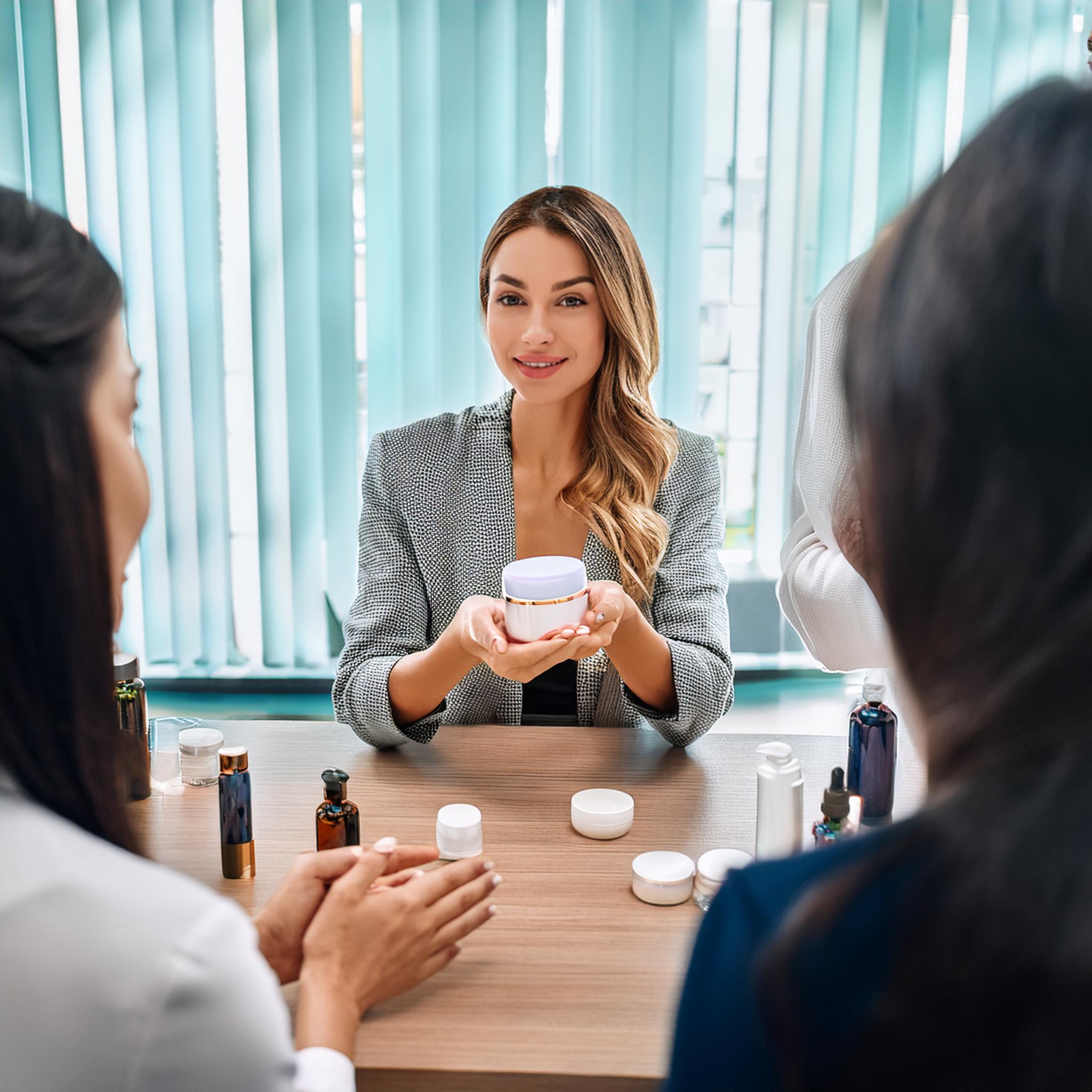
Consider the following factors when comparing programs:
- Teaching quality: Look for instructors with relevant qualifications and experience and a curriculum reflecting current science and regulation.
- Facilities: Practical formulation benefits from appropriate laboratory equipment, hygiene, and safety procedures.
- Applied learning: Consider supervised practical hours, projects, internships, and career guidance where available.
- Certificate and outcomes: Understand exactly what the course-completion document represents and whether any external recognition claimed by the provider can be verified.
The Academy of Medical Sciences, Vietnam can be evaluated using the same transparent criteria as any other training provider.
3. Why Consider Cosmetic Formulation at the Academy of Medical Sciences, Vietnam?
3.1. Academic and Professional Context
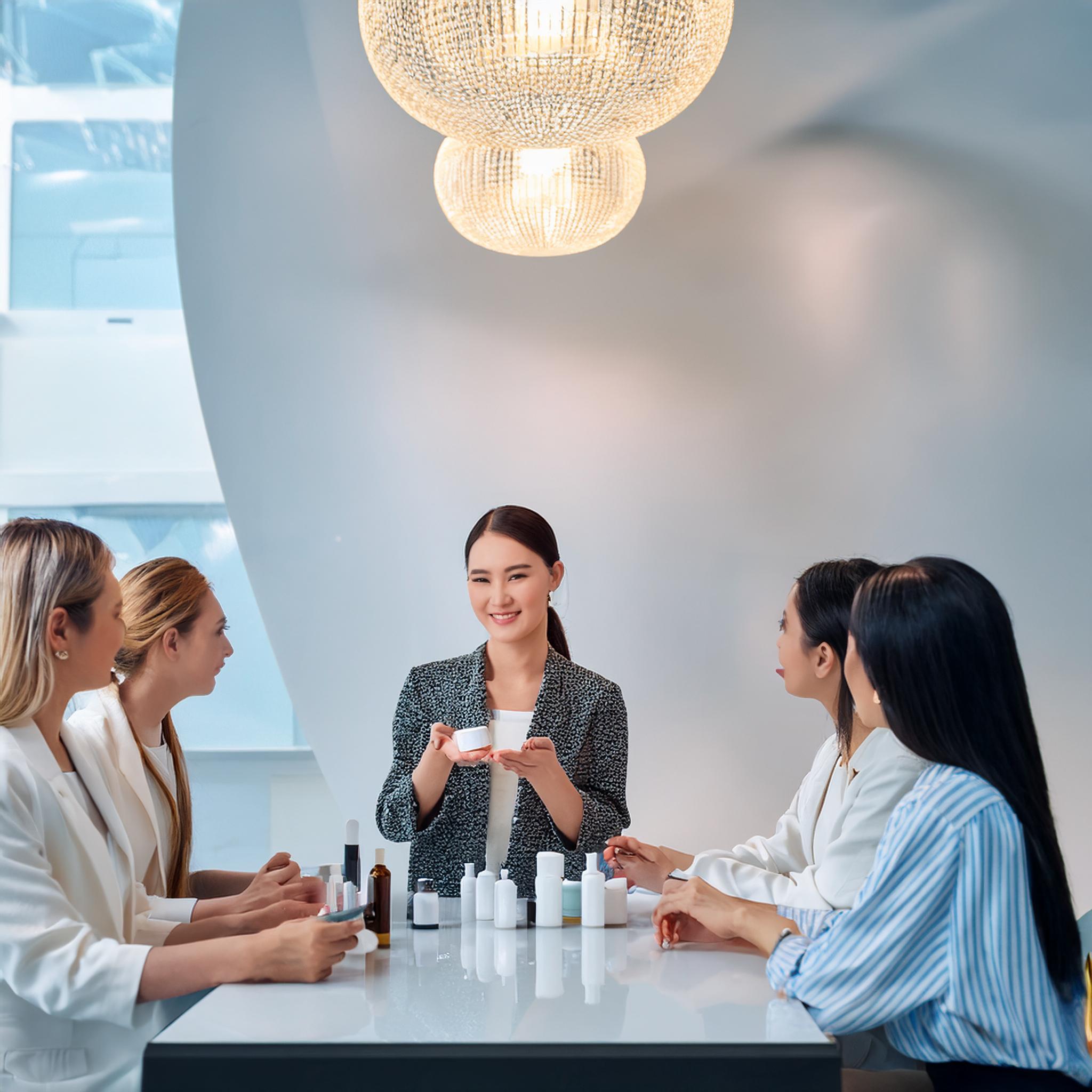
The Academy of Medical Sciences, Vietnam conducts education and professional-development activities in health and applied sciences. Prospective learners should review verifiable information about the current cosmetic-formulation program rather than relying solely on prestige claims.
3.2. Comprehensive Curriculum
The program combines theoretical foundations with practical learning. Modules may include:
- Cosmetic chemistry: Ingredient functions, properties, compatibility, and safety.
- Formulation: Designing and testing formulas for selected product needs.
- Production technology: Introduction to appropriate processing and packaging equipment.
- Quality evaluation: Stability, preservation, microbiological quality, safety, and performance testing appropriate to the product.
3.3. Relevant Instructors
Instruction may involve professionals with experience in cosmetic science, chemistry, pharmacy, formulation, manufacturing, quality, or related fields. Current faculty credentials should be reviewed for the applicable intake.
3.4. Practical Facilities
Where available, appropriate laboratory facilities and equipment can help learners become familiar with formulation processes. Specific facility standards should be verified rather than assumed.
3.5. Industry Connections
Industry projects, internships, or professional networking can add value where formally available. Prospective learners should confirm current partnerships and opportunities directly with the Academy.
3.6. Sustainable Product Development
Cosmetic development can incorporate responsible sourcing, packaging considerations, waste reduction, and other sustainability principles while maintaining safety and product performance.
4. Potential Benefits of Studying at the Academy of Medical Sciences, Vietnam
Training can support development in several areas:
- Scientific knowledge: Build foundations for further work or study in cosmetics.
- Career exploration: Develop skills relevant to product development, quality, manufacturing, or related roles, depending on prior qualifications.
- Practical skills: Apply formulation principles in supervised exercises.
- Entrepreneurship awareness: Understand additional steps required to develop a compliant cosmetic brand.
5. Learner Feedback
Learner feedback can help prospective students understand the learning experience, but named testimonials and success claims should be published only with permission and verification. They should not be treated as guarantees of employment or business success.
- Illustrative entrepreneur feedback: A learner may find formulation training useful when developing a cosmetic-business concept, but success depends on many additional factors.
- Illustrative R&D feedback: Practical laboratory exercises may help learners become more comfortable with product-development workflows.
6. Conclusion
In a field requiring scientific and practical competence, choosing the right cosmetic-formulation program is an important first step. The Academy of Medical Sciences, Vietnam offers one option to consider; prospective learners should compare its current curriculum, instructors, facilities, practical hours, certification, fees, and outcomes with alternatives before enrolling.
If you are considering cosmetic formulation, review the Academy's current program information and compare it with your professional goals.

 Tham gia ngay
