
Who Is the Meditation Teacher Course For?
The Meditation Teacher course at the Academy of Medical Sciences, Vietnam is intended for people who want to deepen personal meditation practice and develop responsible facilitation skills. It may also interest health professionals, educators, wellness practitioners, and people seeking structured non-clinical mindfulness training.
Meditation is a longstanding contemplative practice used for attention, self-awareness, relaxation, and personal development. The Meditation Teacher course at the Academy of Medical Sciences, Vietnam helps learners deepen their understanding and develop skills for guiding non-clinical meditation sessions responsibly.
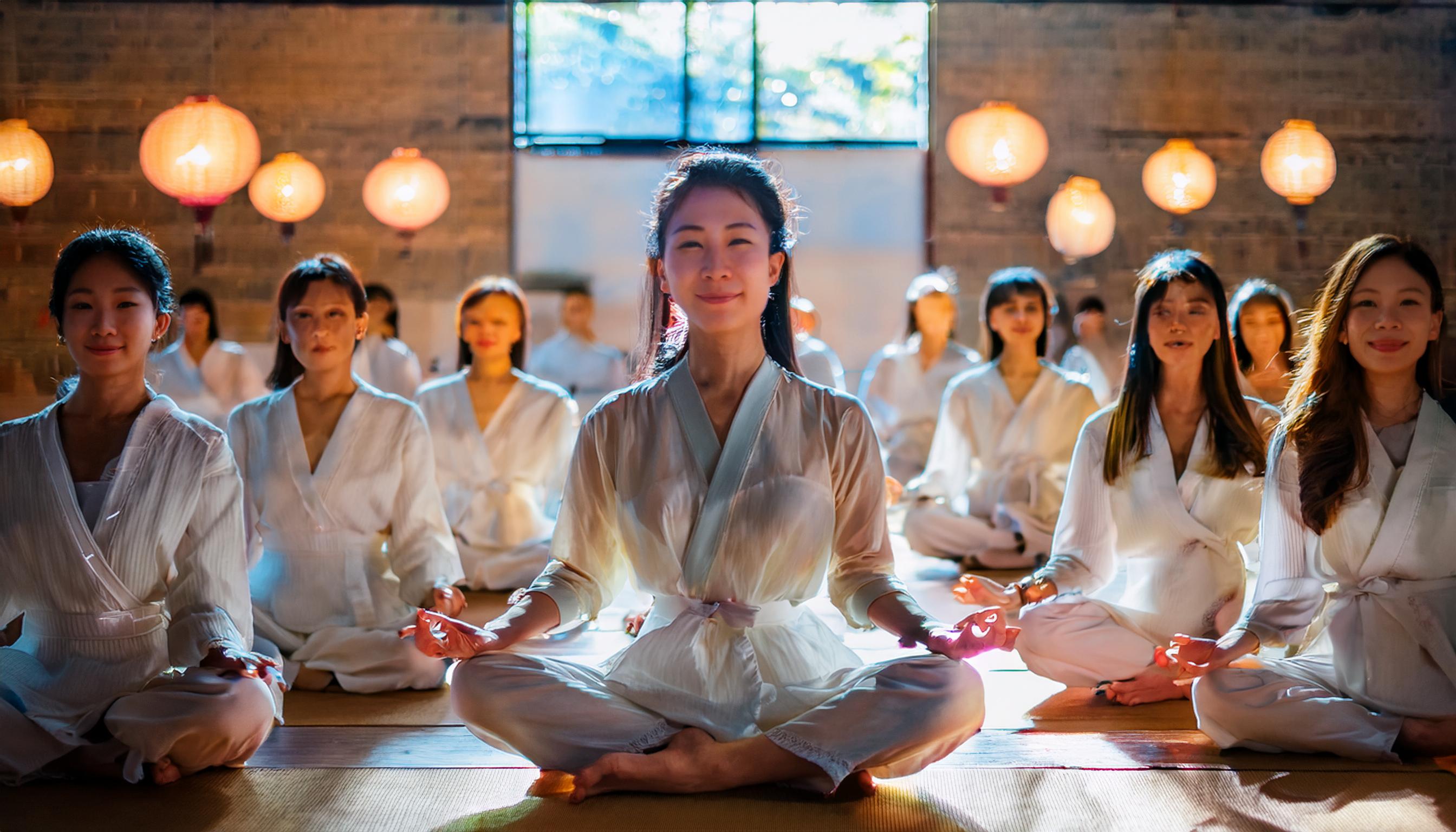
The course emphasizes meditation practice and facilitation rather than medical or psychological treatment. Healthcare applications require appropriate professional qualifications and should remain within evidence-based clinical practice.

Who Is the Course For?
- Healthcare and wellness professionals: People who want to understand meditation as a complementary practice. Clinical use must remain within their regulated professional scope.
- People interested in mental and emotional well-being: Learners seeking structured mindfulness, relaxation, and self-awareness practices. Meditation is not a substitute for treatment of anxiety, depression, or other mental-health conditions.
- People seeking greater balance in daily life: Those interested in developing attention, reflection, and consistent contemplative practice.
- Aspiring meditation teachers: Learners who want to develop session-planning, communication, facilitation, ethics, and group-guidance skills.
- People interested in contemplative self-development: Those who want to explore meditation as a personal practice rather than as a method of 'self-healing' or a replacement for healthcare.
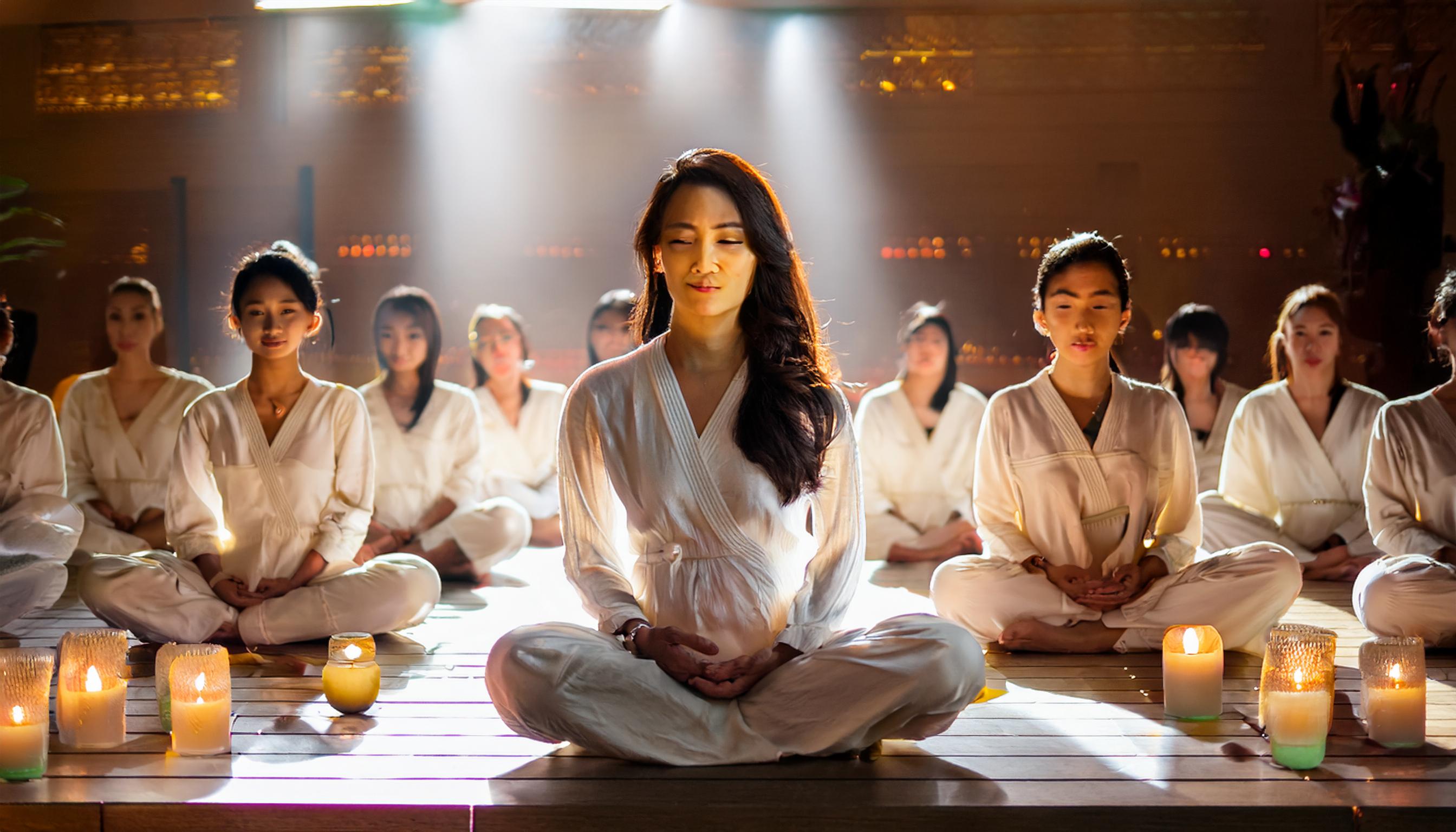
Course Content and Teaching Methods
The Meditation Teacher course at the Academy of Medical Sciences, Vietnam combines foundational theory, personal practice, facilitation exercises, ethics, and professional boundaries. Topics may include:
- Introduction to meditation and its historical and contemporary contexts.
- Basic meditation methods, including mindfulness and breath-awareness practices.
- Meditation, emotions, and self-awareness, with clear distinction from psychotherapy.
- Meditation teaching and facilitation skills.
- Responsible complementary applications and recognition of situations requiring clinical referral.
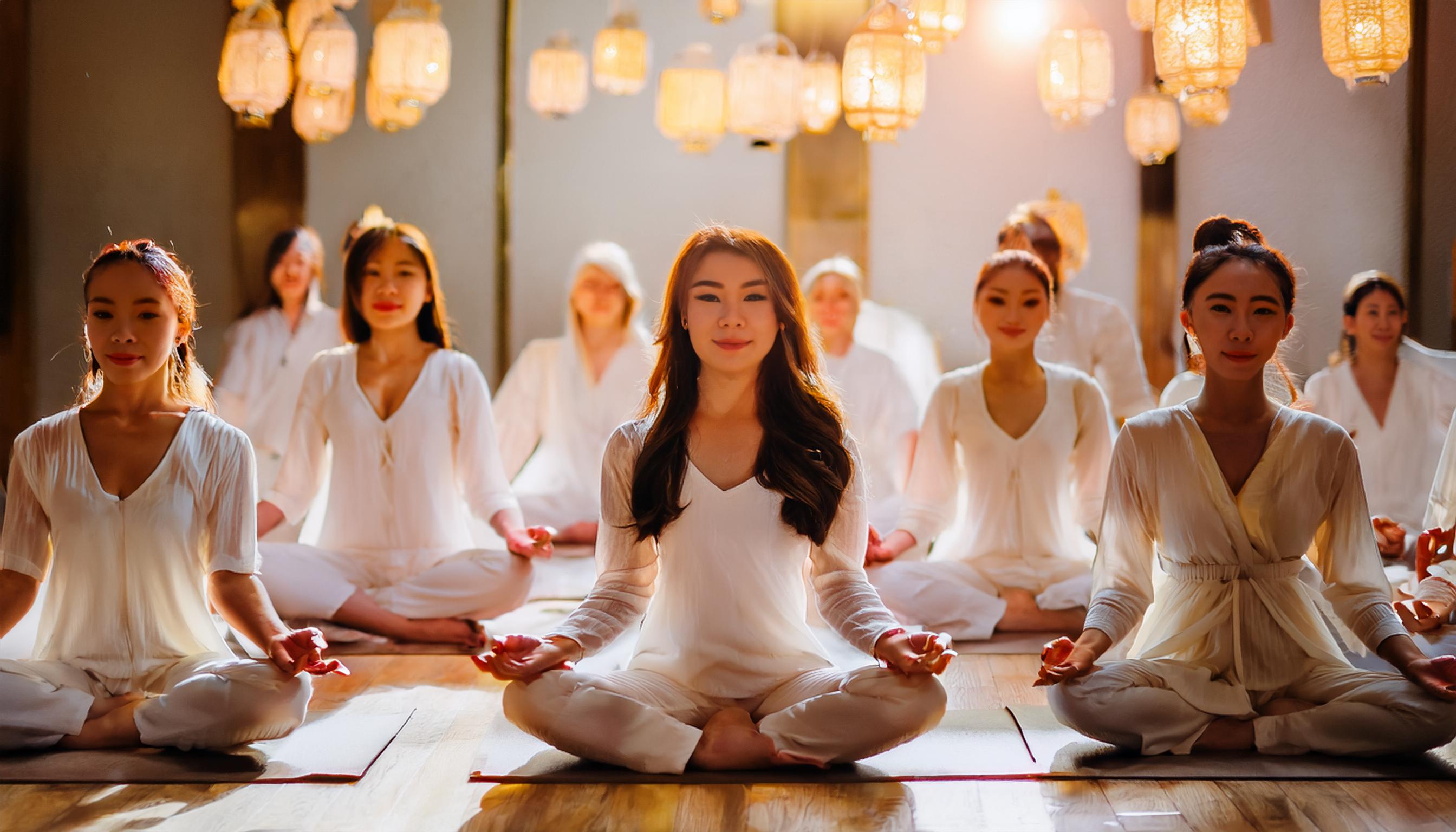
Benefits of the Course
- Personal practice: Develop consistency, attention, reflection, and relaxation skills.
- Teaching skills: Learn to explain and facilitate meditation practices clearly.
- Responsible facilitation: Understand ethics, inclusion, boundaries, and referral.
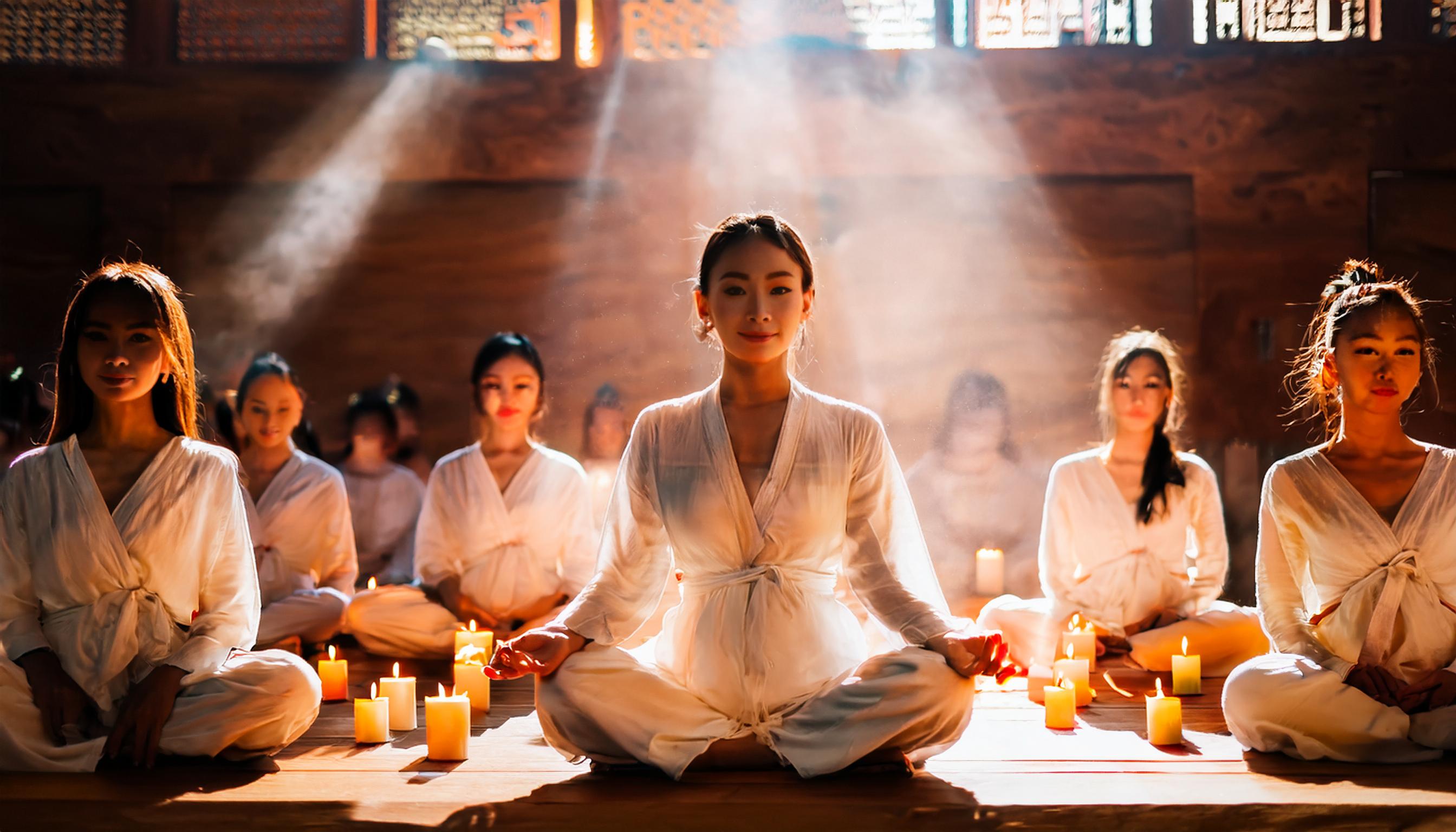
Conclusion
The Meditation Teacher course at the Academy of Medical Sciences, Vietnam may suit people who want to study meditation systematically, deepen personal practice, and learn how to guide others responsibly. Clinical mental-health concerns should always be addressed by qualified professionals.


 Tham gia ngay
