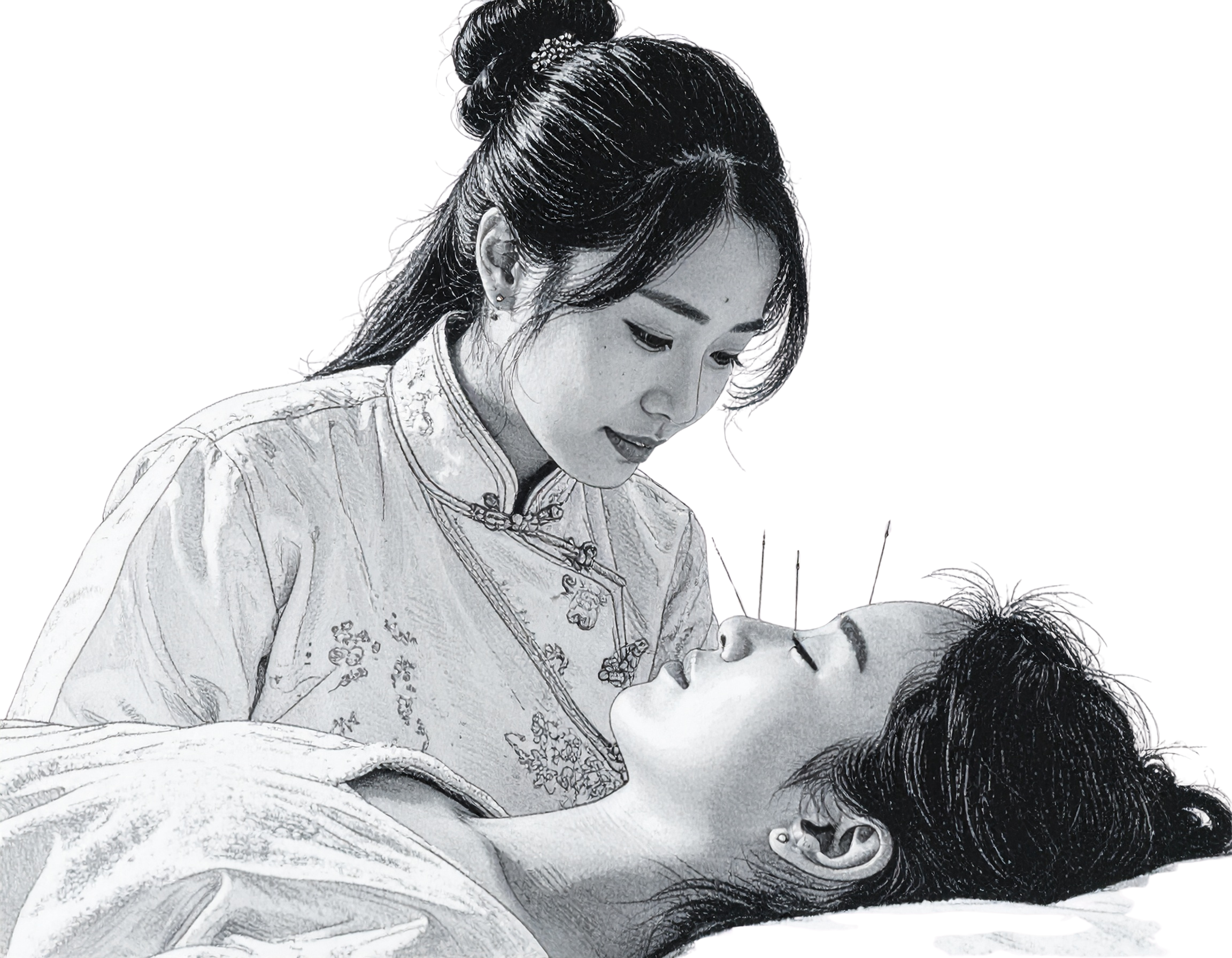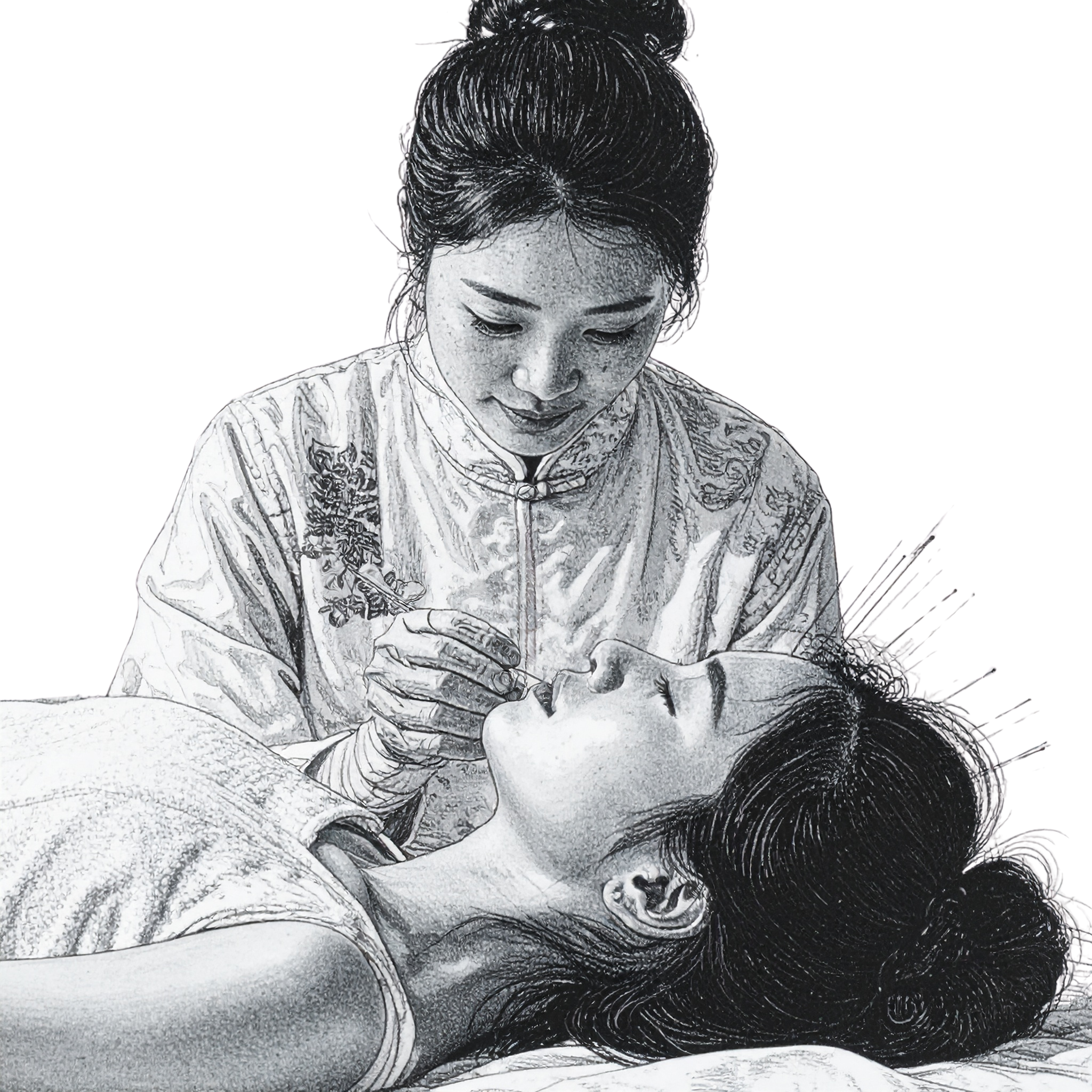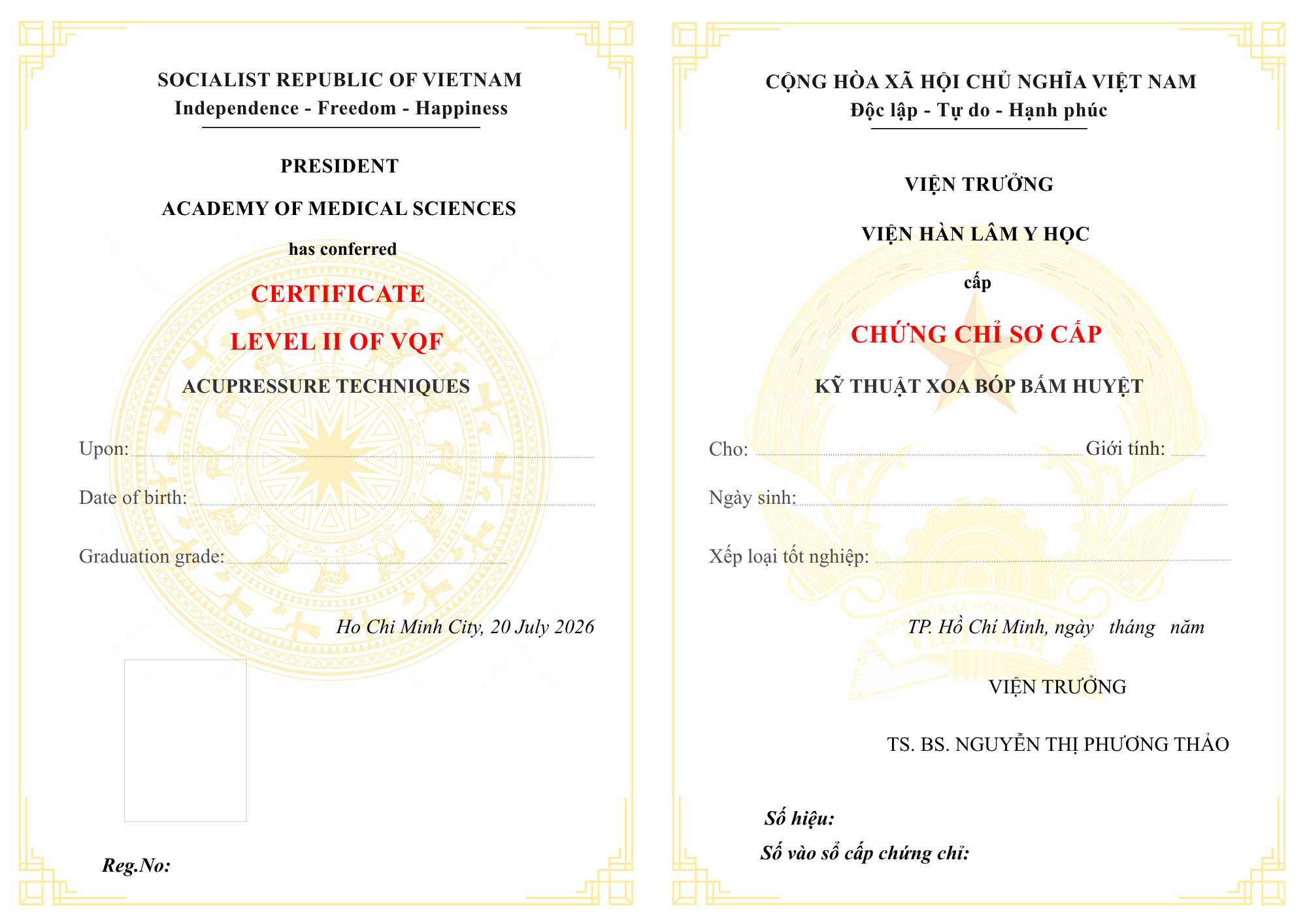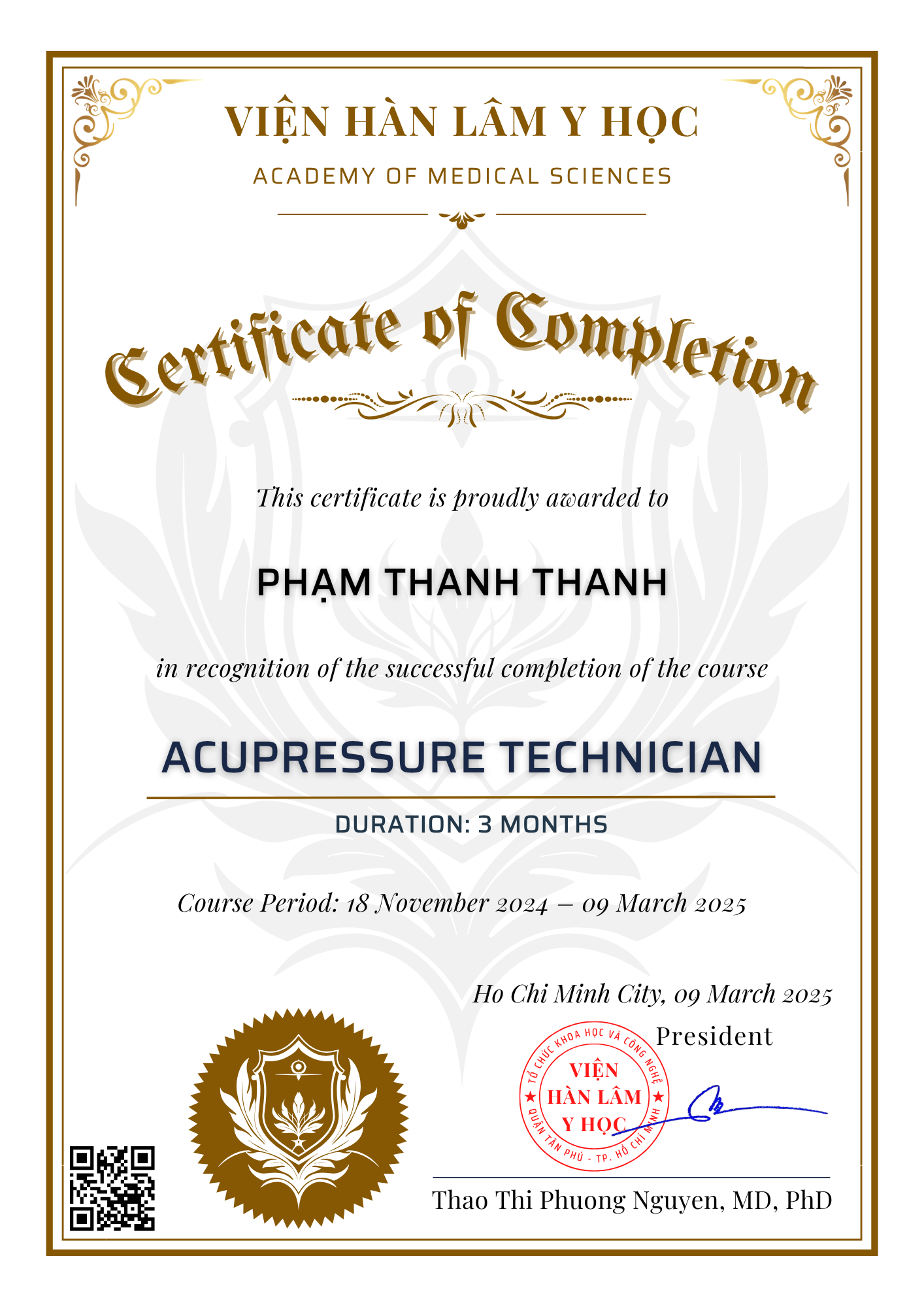
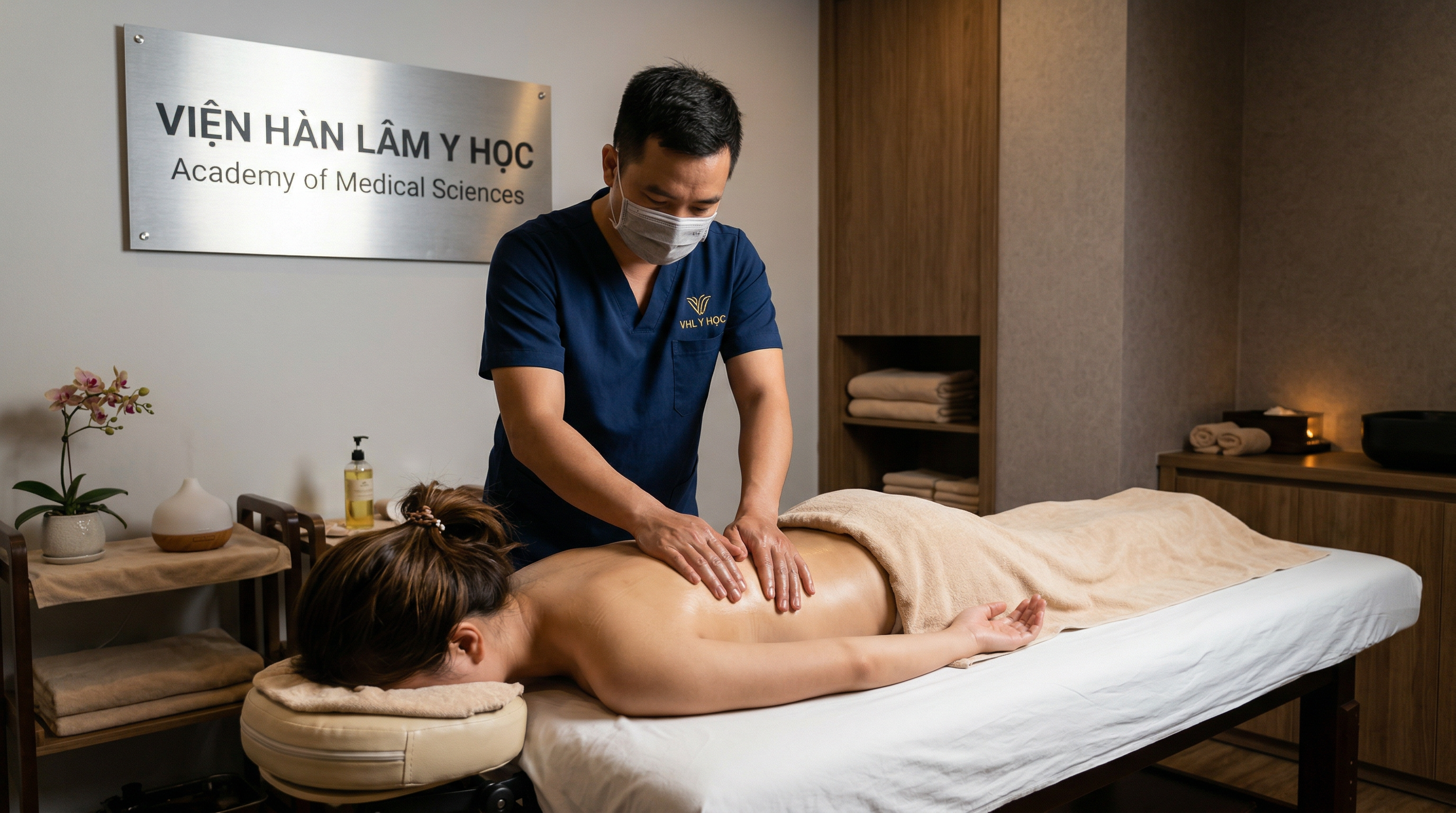
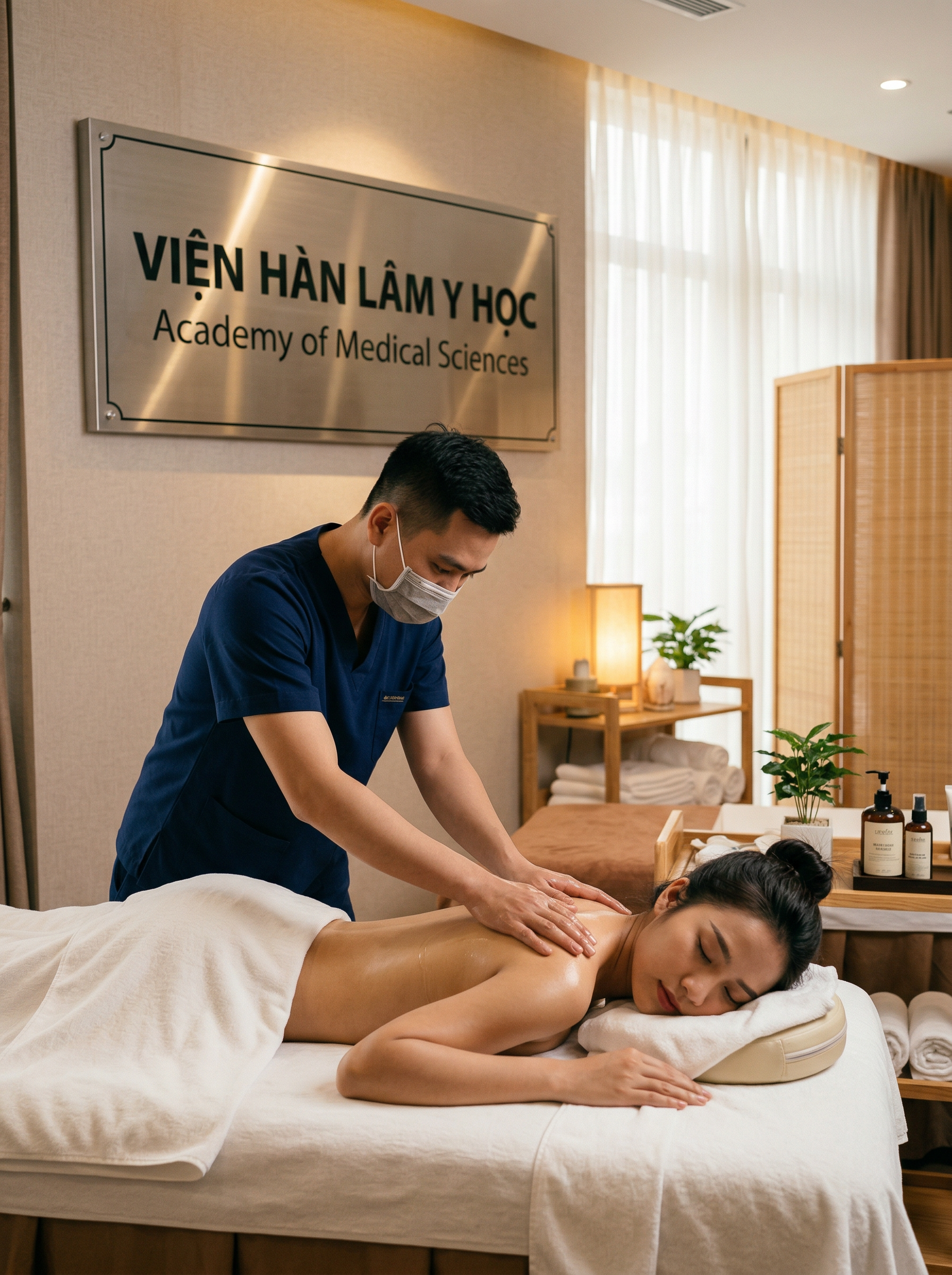

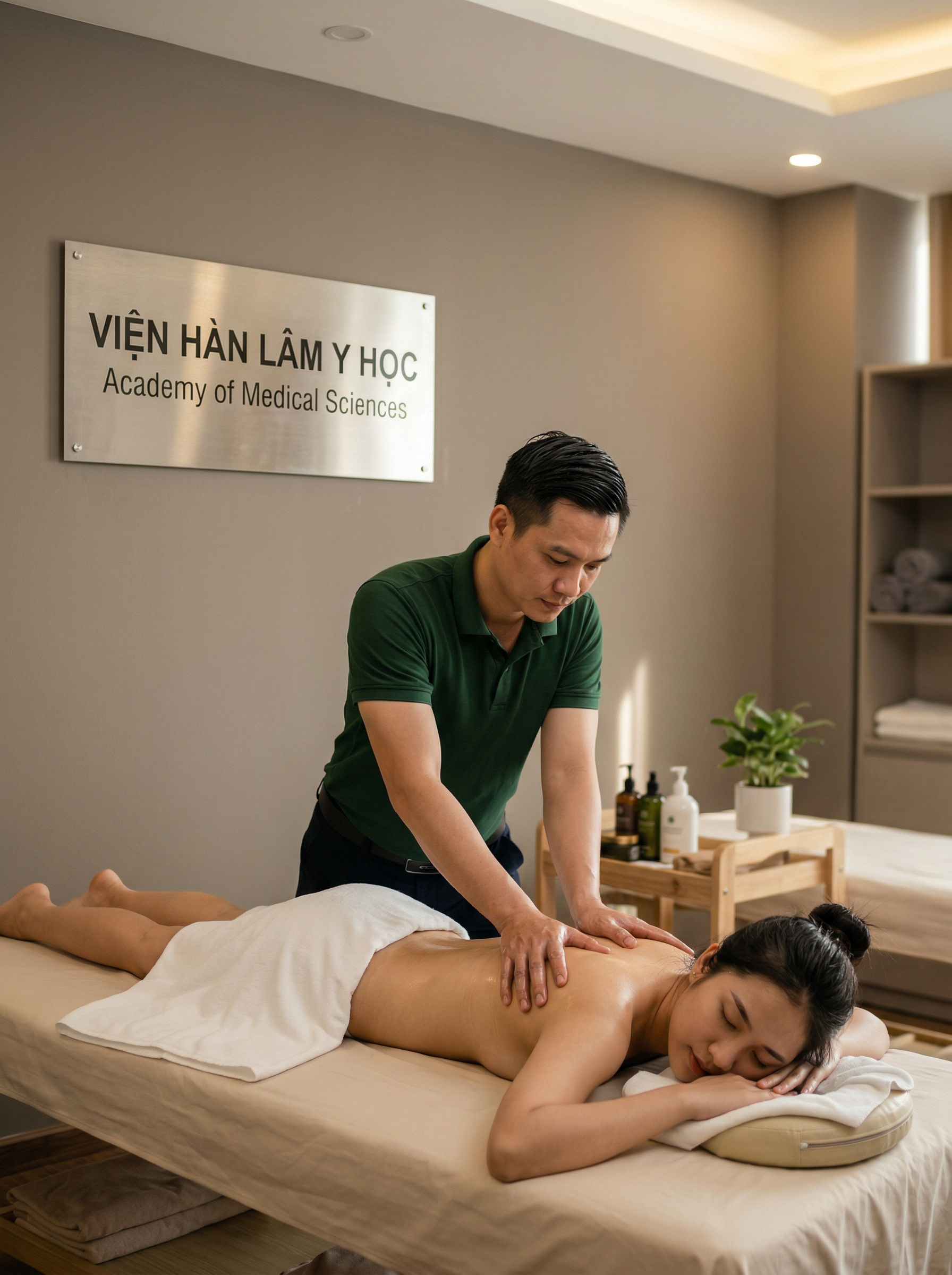
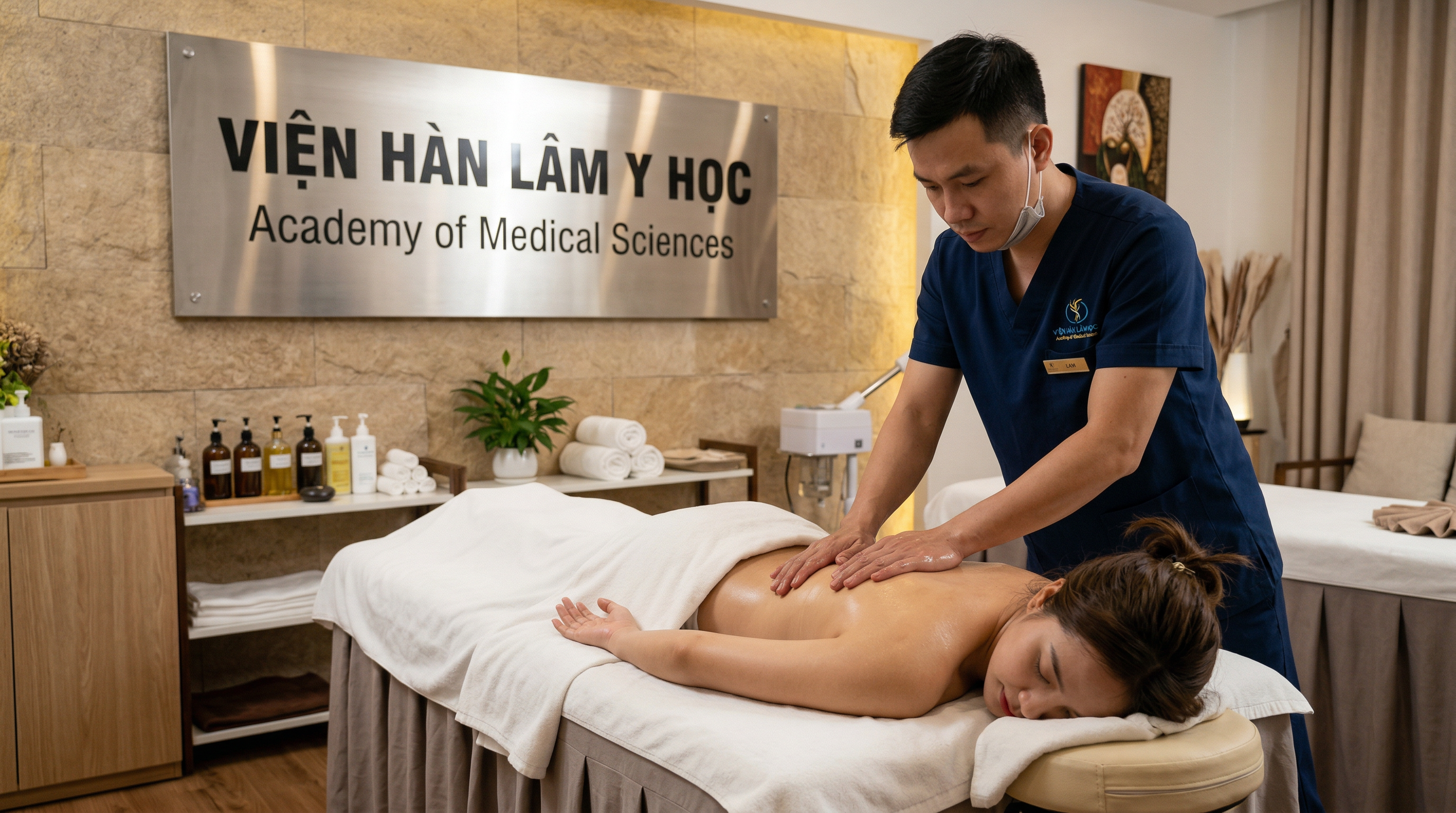
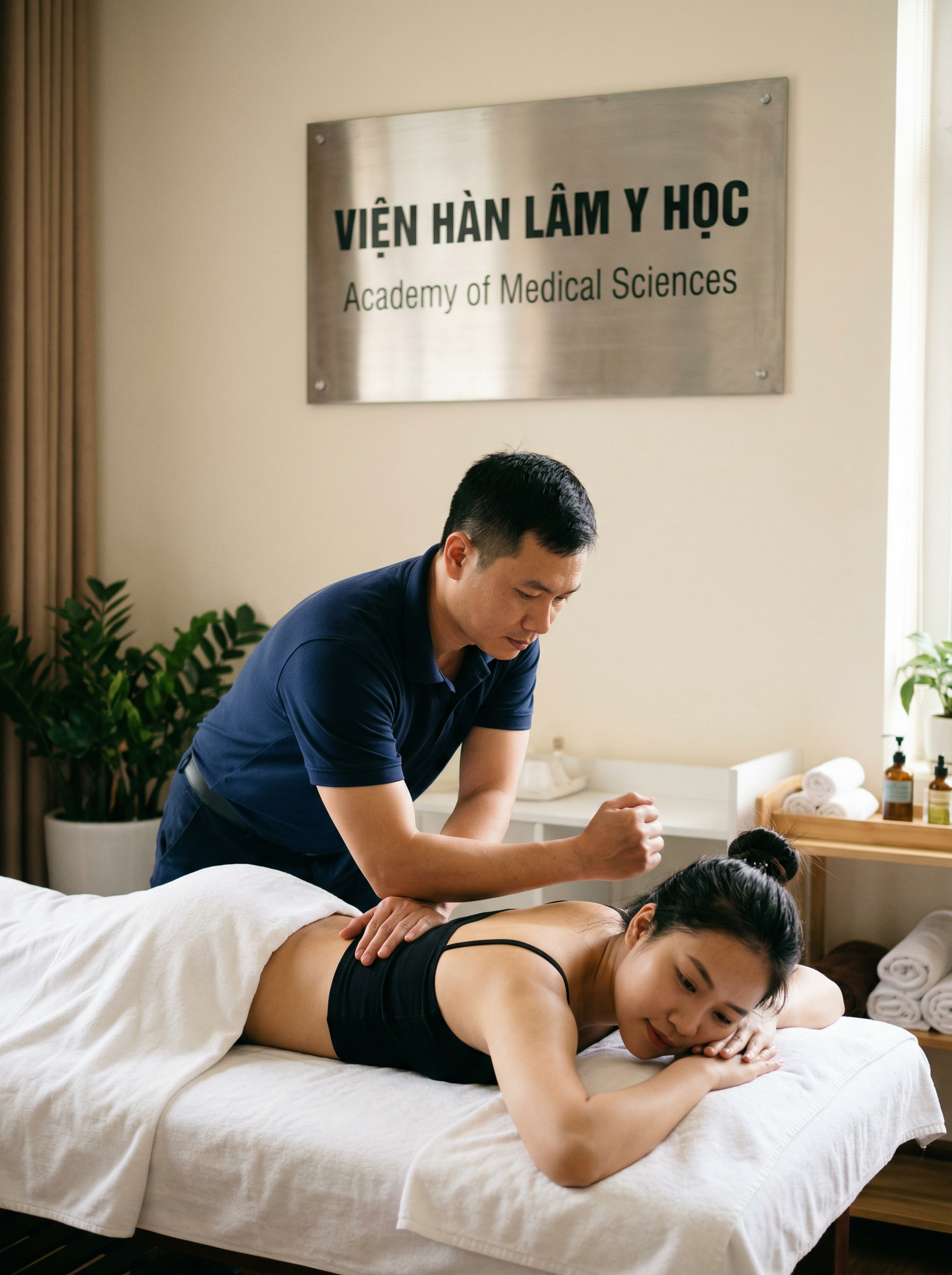
Acupressure Techniques
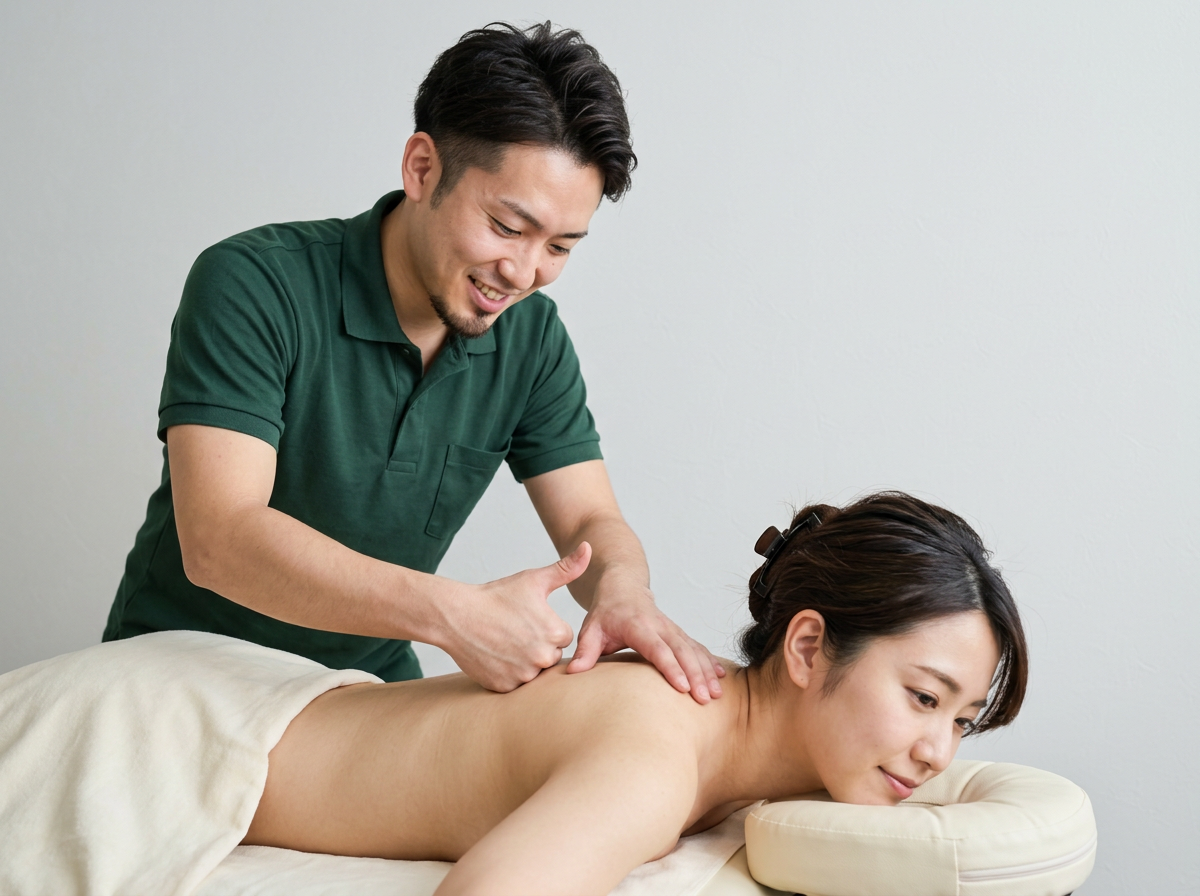
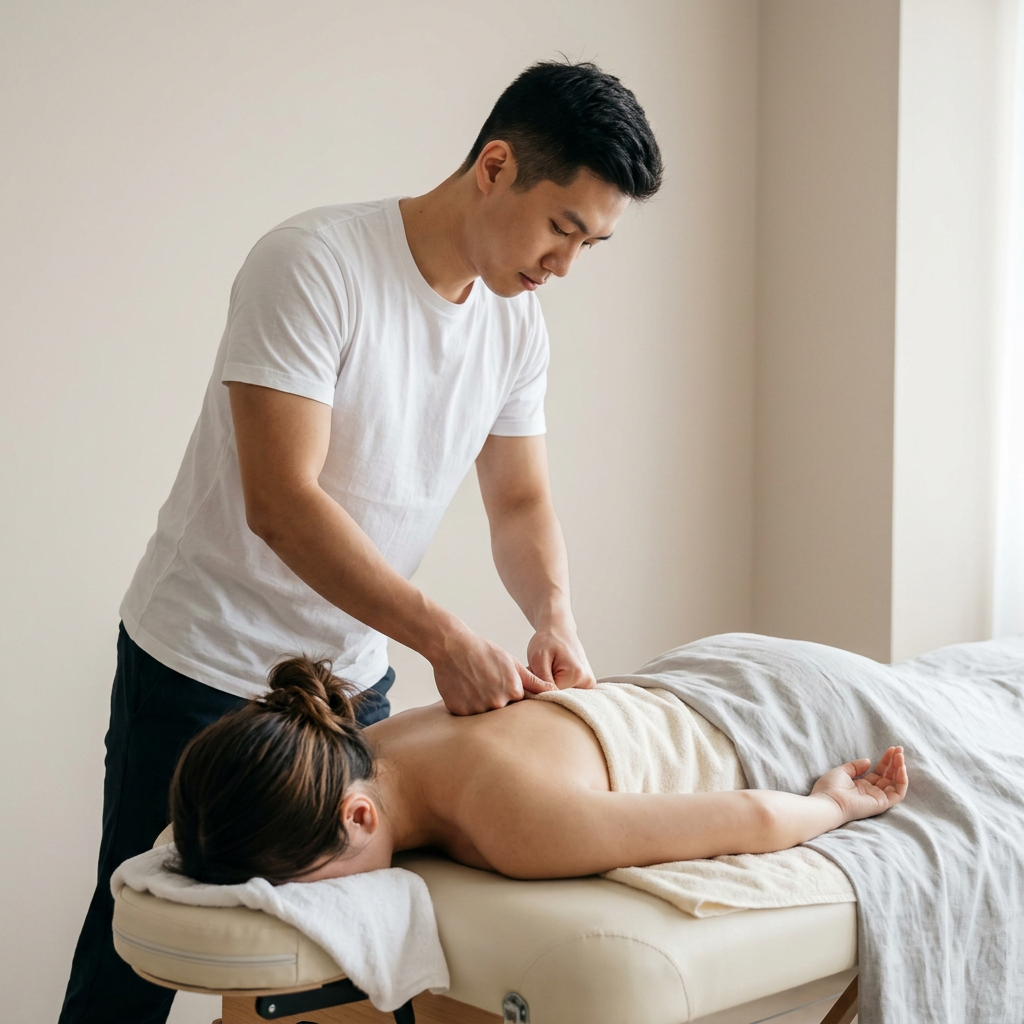
Massage and acupressure training focuses on relaxation, muscle comfort, anatomy, hygiene, consent, contraindications, safety, and professional boundaries. Traditional acupoint concepts are distinguished from established biomedical anatomy and physiology.
Massage and acupressure training focuses on relaxation, muscle comfort, anatomy, hygiene, consent, contraindications, safety, and professional boundaries. Traditional acupoint concepts are distinguished from established biomedical anatomy and physiology.
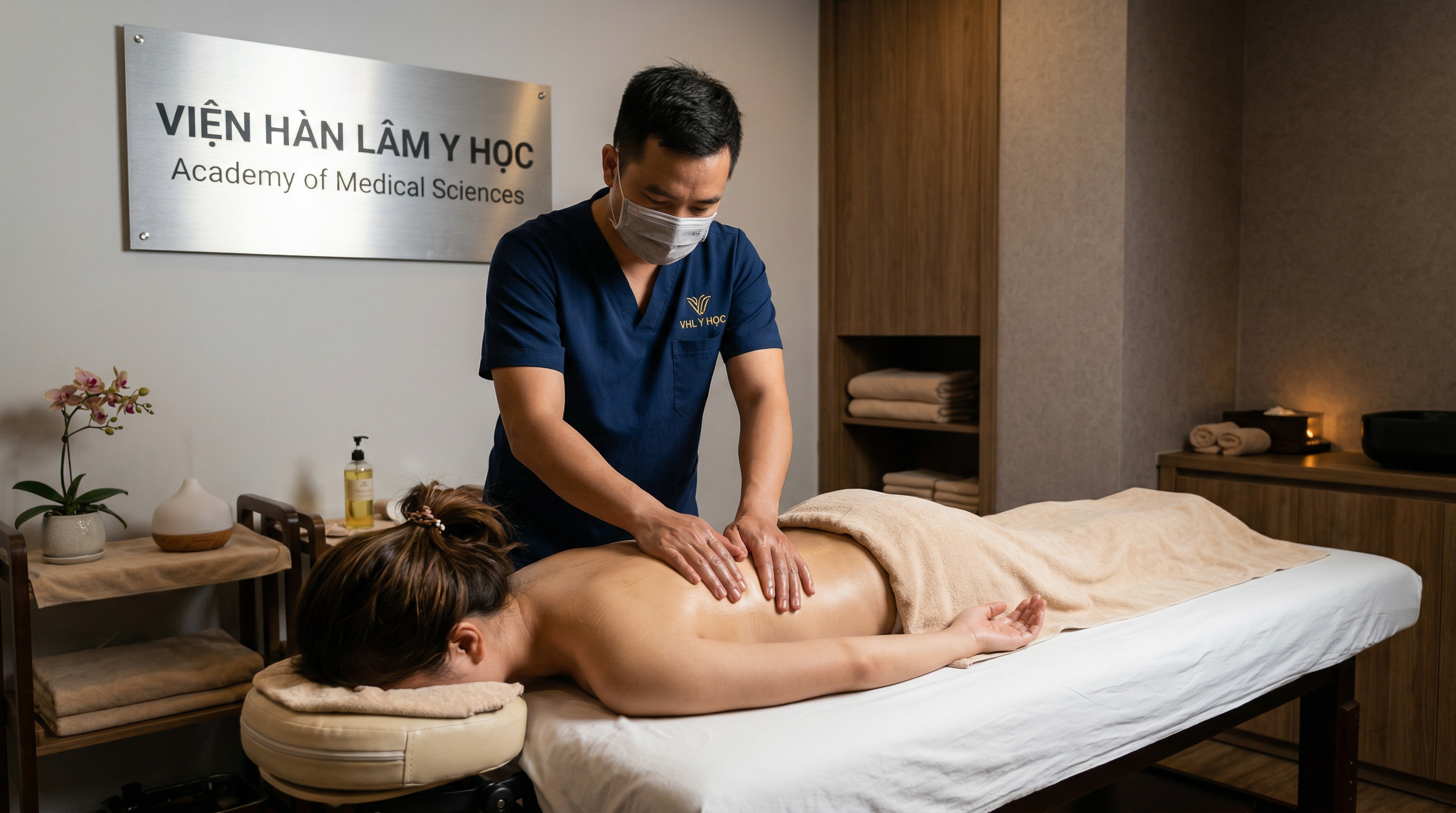

Massage and acupressure training focuses on relaxation, muscle comfort, anatomy, hygiene, consent, contraindications, safety, and professional boundaries. Traditional acupoint concepts are distinguished from established biomedical anatomy and physiology.
Objectives
Massage and acupressure training focuses on relaxation, muscle comfort, anatomy, hygiene, consent, contraindications, safety, and professional boundaries. Traditional acupoint concepts are distinguished from established biomedical anatomy and physiology.
- Massage
- Practical Training
- Health
- Application

Who Should Attend
Massage and acupressure training focuses on relaxation, muscle comfort, anatomy, hygiene, consent, contraindications, safety, and professional boundaries. Traditional acupoint concepts are distinguished from established biomedical anatomy and physiology.
- Health
- Health
- Health
- Massage and acupressure training focuses on relaxation, muscle comfort, anatomy, hygiene, consent, contraindications, safety, and professional boundaries. Traditional acupoint concepts are distinguished from established biomedical anatomy and physiology.
Program Content
Massage and acupressure training focuses on relaxation, muscle comfort, anatomy, hygiene, consent, contraindications, safety, and professional boundaries. Traditional acupoint concepts are distinguished from established biomedical anatomy and physiology.
Massage and acupressure training focuses on relaxation, muscle comfort, anatomy, hygiene, consent, contraindications, safety, and professional boundaries. Traditional acupoint concepts are distinguished from established biomedical anatomy and physiology.
Massage and acupressure training focuses on relaxation, muscle comfort, anatomy, hygiene, consent, contraindications, safety, and professional boundaries. Traditional acupoint concepts are distinguished from established biomedical anatomy and physiology.
- Lesson 1: Massage
- Lesson 2: Applied Topic
- Lesson 3: Applied Topic
- Lesson 4: Professional Ethics
Massage and acupressure training focuses on relaxation, muscle comfort, anatomy, hygiene, consent, contraindications, safety, and professional boundaries. Traditional acupoint concepts are distinguished from established biomedical anatomy and physiology.
- Lesson 1: Anatomy
- Lesson 2: Nervous System
- Lesson 3: Applied Topic
- Lesson 4: Applied Topic
Massage and acupressure training focuses on relaxation, muscle comfort, anatomy, hygiene, consent, contraindications, safety, and professional boundaries. Traditional acupoint concepts are distinguished from established biomedical anatomy and physiology.
- Lesson 1: Practical Training
- Lesson 2: Techniques
- Lesson 3: Massage
- Lesson 4: Applied Topic
Massage and acupressure training focuses on relaxation, muscle comfort, anatomy, hygiene, consent, contraindications, safety, and professional boundaries. Traditional acupoint concepts are distinguished from established biomedical anatomy and physiology.
- Lesson 1: Applied Topic
- Lesson 2: Acupressure
- Lesson 3: Acupressure
- Lesson 4: Acupressure
Massage and acupressure training focuses on relaxation, muscle comfort, anatomy, hygiene, consent, contraindications, safety, and professional boundaries. Traditional acupoint concepts are distinguished from established biomedical anatomy and physiology.
- Lesson 1: Acupressure
- Lesson 2: Acupressure
- Lesson 3: Applied Topic
- Lesson 4: Massage
Massage and acupressure training focuses on relaxation, muscle comfort, anatomy, hygiene, consent, contraindications, safety, and professional boundaries. Traditional acupoint concepts are distinguished from established biomedical anatomy and physiology.
- Lesson 1: Applied Topic
- Lesson 2: Herbal
- Lesson 3: Applied Topic
- Lesson 4: Safety
Massage and acupressure training focuses on relaxation, muscle comfort, anatomy, hygiene, consent, contraindications, safety, and professional boundaries. Traditional acupoint concepts are distinguished from established biomedical anatomy and physiology.
- Lesson 1: Practical Training
- Lesson 2: Techniques
- Lesson 3: Assessment
- Lesson 4: Applied Topic
Massage and acupressure training focuses on relaxation, muscle comfort, anatomy, hygiene, consent, contraindications, safety, and professional boundaries. Traditional acupoint concepts are distinguished from established biomedical anatomy and physiology.
- Lesson 1: Process
- Lesson 2: Applied Topic
- Lesson 3: Management
- Lesson 4: Applied Topic
Massage and acupressure training focuses on relaxation, muscle comfort, anatomy, hygiene, consent, contraindications, safety, and professional boundaries. Traditional acupoint concepts are distinguished from established biomedical anatomy and physiology.
- Lesson 1: Applied Topic
- Lesson 2: Applied Topic
- Lesson 3: Management
- Lesson 4: Applied Topic
Program Topic
Advanced
Massage and acupressure training focuses on relaxation, muscle comfort, anatomy, hygiene, consent, contraindications, safety, and professional boundaries. Traditional acupoint concepts are distinguished from established biomedical anatomy and physiology.


Program Topic
Massage and acupressure training focuses on relaxation, muscle comfort, anatomy, hygiene, consent, contraindications, safety, and professional boundaries. Traditional acupoint concepts are distinguished from established biomedical anatomy and physiology.
| Massage and acupressure training focuses on relaxation, muscle comfort, anatomy, hygiene, consent, contraindications, safety, and professional boundaries. Traditional acupoint concepts are distinguished from established biomedical anatomy and physiology. | Massage and acupressure training focuses on relaxation, muscle comfort, anatomy, hygiene, consent, contraindications, safety, and professional boundaries. Traditional acupoint concepts are distinguished from established biomedical anatomy and physiology. |
|---|---|
| Massage and acupressure training focuses on relaxation, muscle comfort, anatomy, hygiene, consent, contraindications, safety, and professional boundaries. Traditional acupoint concepts are distinguished from established biomedical anatomy and physiology. | Massage and acupressure training focuses on relaxation, muscle comfort, anatomy, hygiene, consent, contraindications, safety, and professional boundaries. Traditional acupoint concepts are distinguished from established biomedical anatomy and physiology. |
| Massage and acupressure training focuses on relaxation, muscle comfort, anatomy, hygiene, consent, contraindications, safety, and professional boundaries. Traditional acupoint concepts are distinguished from established biomedical anatomy and physiology. | Massage and acupressure training focuses on relaxation, muscle comfort, anatomy, hygiene, consent, contraindications, safety, and professional boundaries. Traditional acupoint concepts are distinguished from established biomedical anatomy and physiology. |
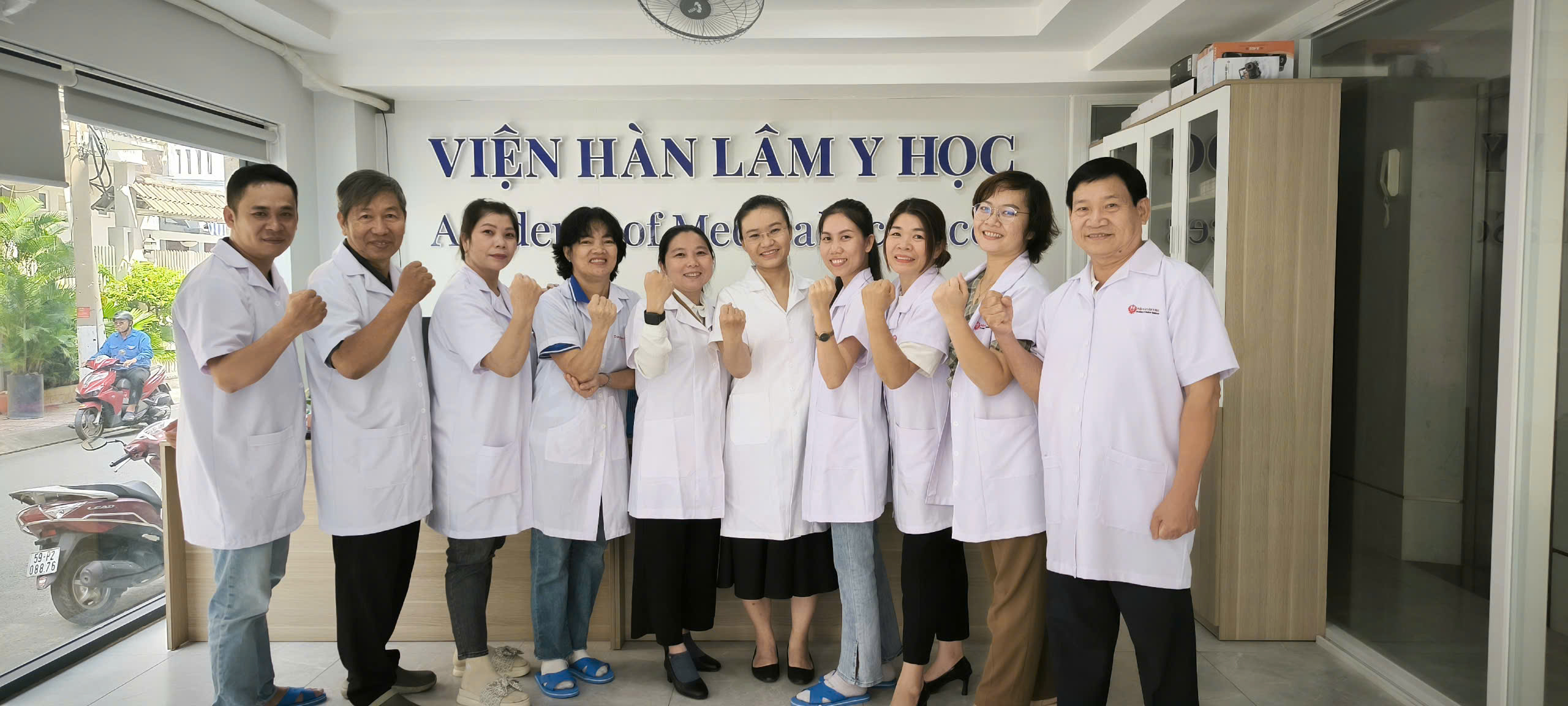
Practical Training
Massage and acupressure training focuses on relaxation, muscle comfort, anatomy, hygiene, consent, contraindications, safety, and professional boundaries. Traditional acupoint concepts are distinguished from established biomedical anatomy and physiology.
Program Topic
Massage and acupressure training focuses on relaxation, muscle comfort, anatomy, hygiene, consent, contraindications, safety, and professional boundaries. Traditional acupoint concepts are distinguished from established biomedical anatomy and physiology.
Program Topic
Massage and acupressure training focuses on relaxation, muscle comfort, anatomy, hygiene, consent, contraindications, safety, and professional boundaries. Traditional acupoint concepts are distinguished from established biomedical anatomy and physiology.
- Anatomy
- Massage
- Practical Training
- Application
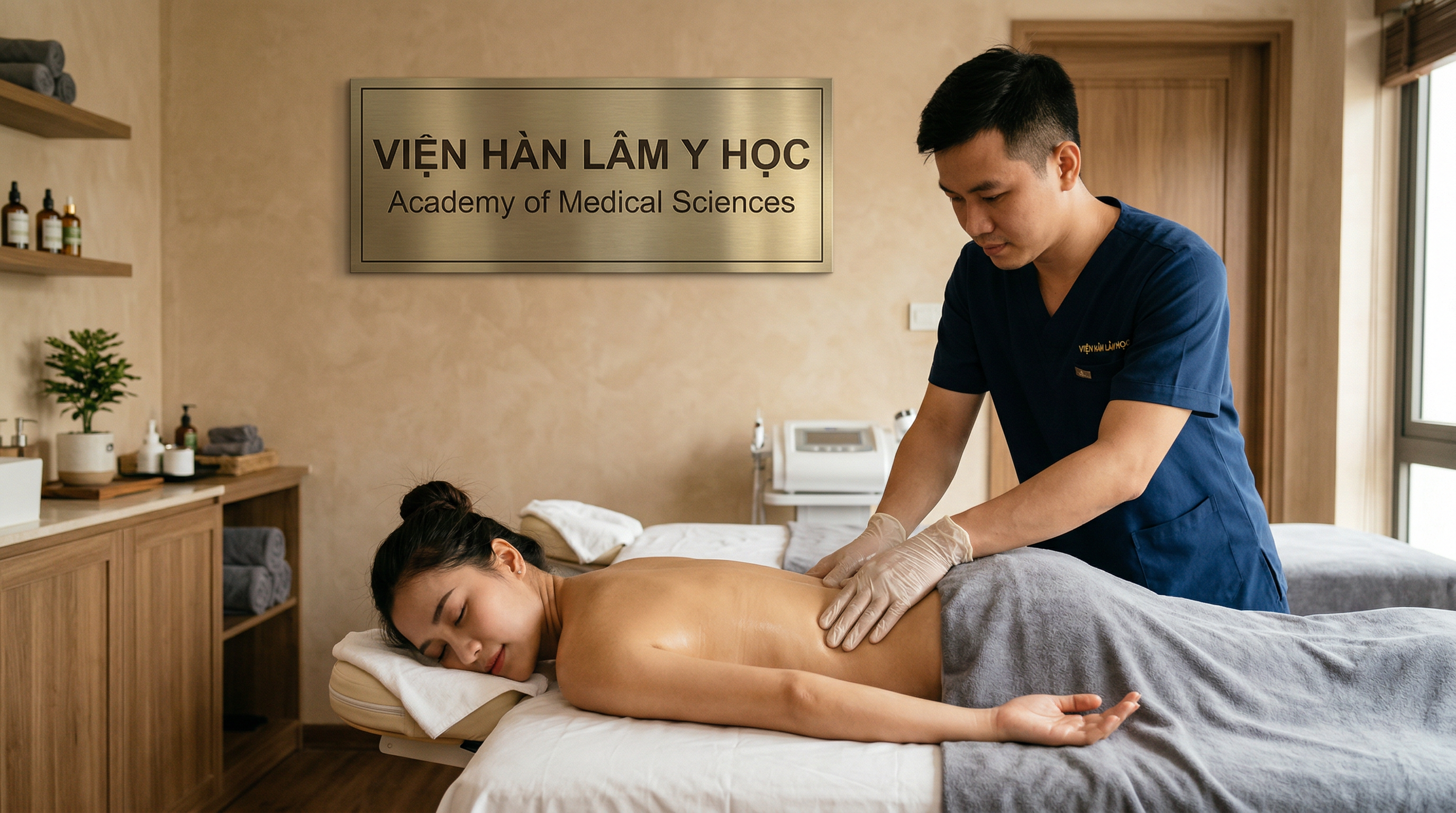

Career Opportunities
Massage and acupressure training focuses on relaxation, muscle comfort, anatomy, hygiene, consent, contraindications, safety, and professional boundaries. Traditional acupoint concepts are distinguished from established biomedical anatomy and physiology.
- Health
- Massage
- Acupuncture
- Health


Program Topic
Massage and acupressure training focuses on relaxation, muscle comfort, anatomy, hygiene, consent, contraindications, safety, and professional boundaries. Traditional acupoint concepts are distinguished from established biomedical anatomy and physiology.
- Professional Ethics
- Massage and acupressure training focuses on relaxation, muscle comfort, anatomy, hygiene, consent, contraindications, safety, and professional boundaries. Traditional acupoint concepts are distinguished from established biomedical anatomy and physiology.
- Practical Training
- Health
Program Topic
- Duration
- Learning Format
- Massage and acupressure training focuses on relaxation, muscle comfort, anatomy, hygiene, consent, contraindications, safety, and professional boundaries. Traditional acupoint concepts are distinguished from established biomedical anatomy and physiology.
- Massage and acupressure training focuses on relaxation, muscle comfort, anatomy, hygiene, consent, contraindications, safety, and professional boundaries. Traditional acupoint concepts are distinguished from established biomedical anatomy and physiology.
Program Topic
Massage and acupressure training focuses on relaxation, muscle comfort, anatomy, hygiene, consent, contraindications, safety, and professional boundaries. Traditional acupoint concepts are distinguished from established biomedical anatomy and physiology.


Massage and acupressure training focuses on relaxation, muscle comfort, anatomy, hygiene, consent, contraindications, safety, and professional boundaries. Traditional acupoint concepts are distinguished from established biomedical anatomy and physiology.

Massage and acupressure training focuses on relaxation, muscle comfort, anatomy, hygiene, consent, contraindications, safety, and professional boundaries. Traditional acupoint concepts are distinguished from established biomedical anatomy and physiology.
Course Schedule
| Course | Start Date |
| K04-26.2T XBBH | 18-09-2026 |