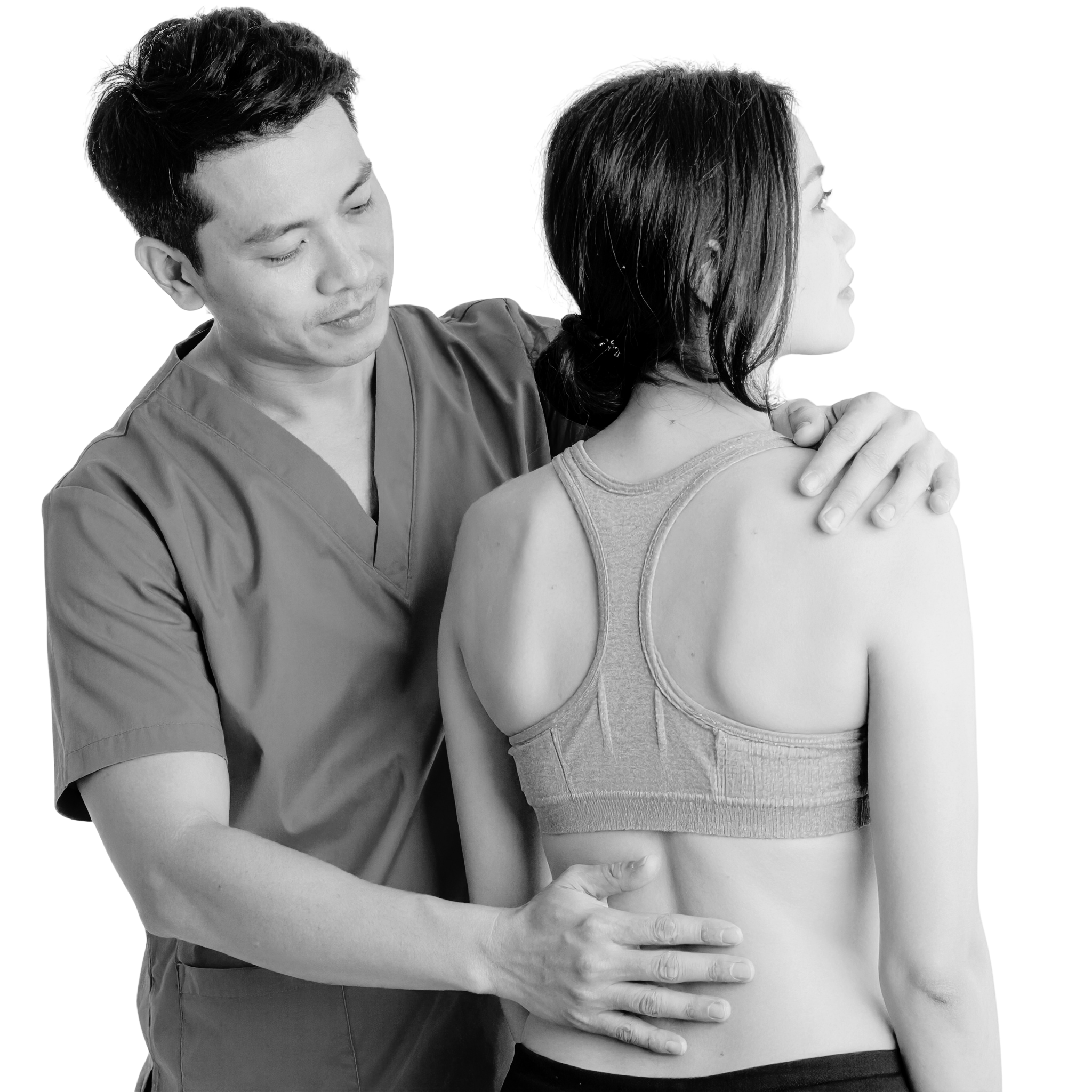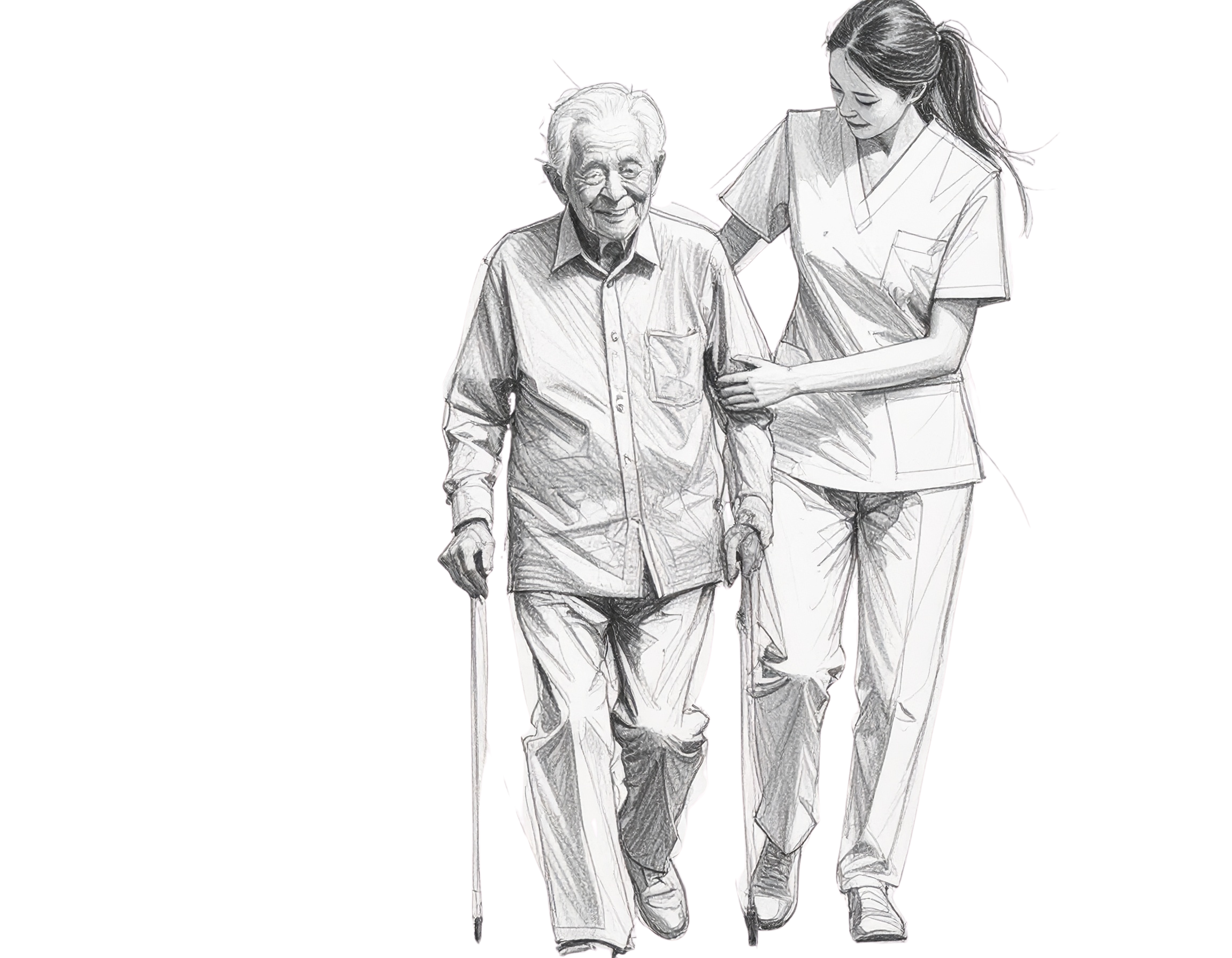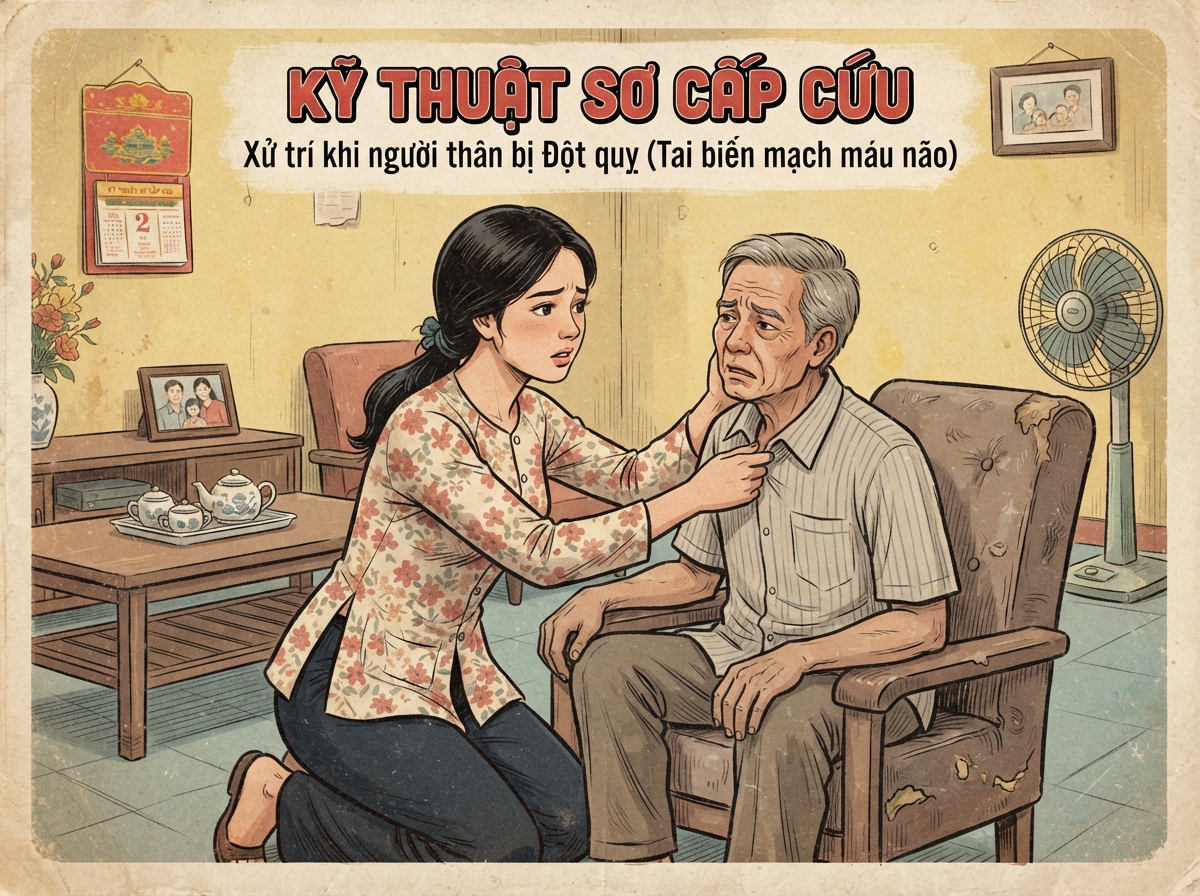
First Aid Techniques
First aid training covers scene safety, initial assessment, emergency activation, basic life support principles, bleeding and injury response, and recognition of situations requiring urgent professional medical care.
First aid training covers scene safety, initial assessment, emergency activation, basic life support principles, bleeding and injury response, and recognition of situations requiring urgent professional medical care.
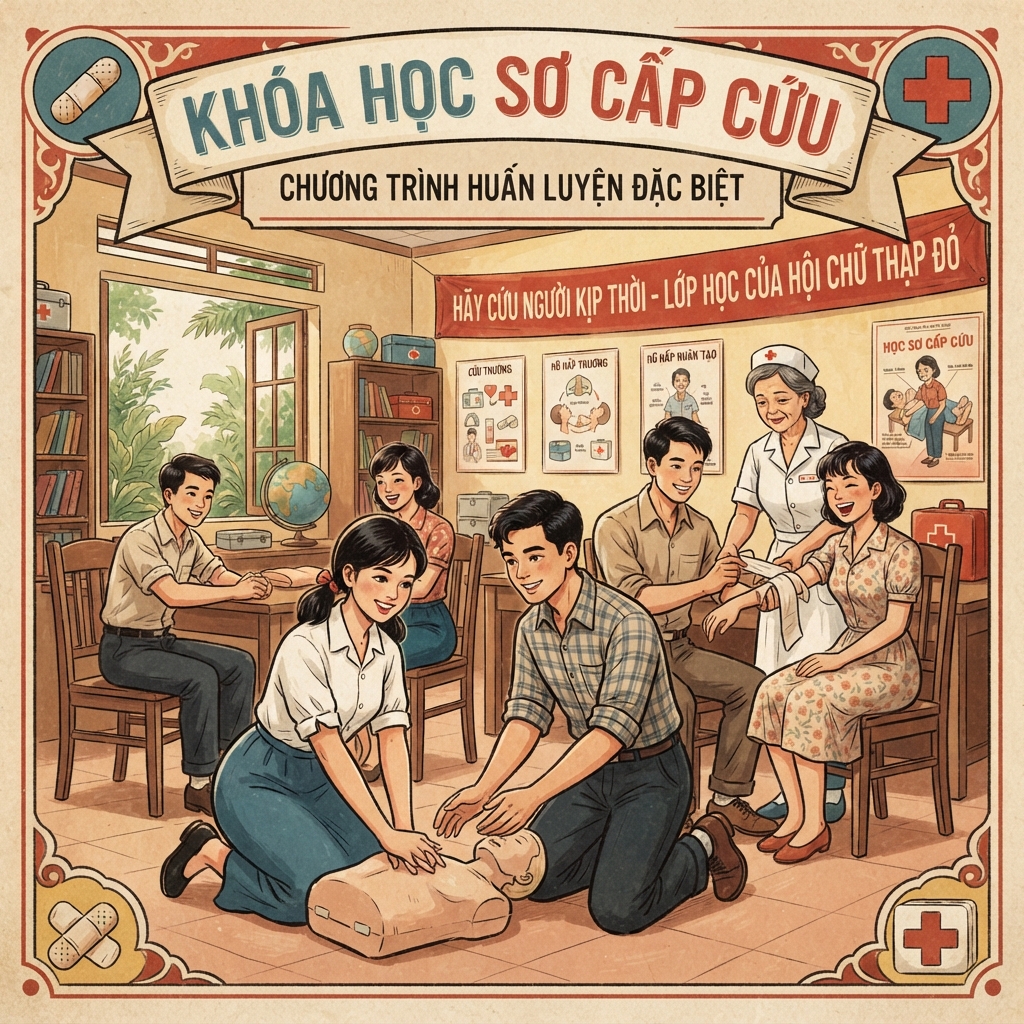
First aid training covers scene safety, initial assessment, emergency activation, basic life support principles, bleeding and injury response, and recognition of situations requiring urgent professional medical care.First aid training covers scene safety, initial assessment, emergency activation, basic life support principles, bleeding and injury response, and recognition of situations requiring urgent professional medical care.First aid training covers scene safety, initial assessment, emergency activation, basic life support principles, bleeding and injury response, and recognition of situations requiring urgent professional medical care.
Program Topic
First aid training covers scene safety, initial assessment, emergency activation, basic life support principles, bleeding and injury response, and recognition of situations requiring urgent professional medical care.
Program Topic
First aid training covers scene safety, initial assessment, emergency activation, basic life support principles, bleeding and injury response, and recognition of situations requiring urgent professional medical care.&First aid training covers scene safety, initial assessment, emergency activation, basic life support principles, bleeding and injury response, and recognition of situations requiring urgent professional medical care.
- First aid training covers scene safety, initial assessment, emergency activation, basic life support principles, bleeding and injury response, and recognition of situations requiring urgent professional medical care.
- Professional Role
- Assessment
- First aid training covers scene safety, initial assessment, emergency activation, basic life support principles, bleeding and injury response, and recognition of situations requiring urgent professional medical care.
First aid training covers scene safety, initial assessment, emergency activation, basic life support principles, bleeding and injury response, and recognition of situations requiring urgent professional medical care.
- First aid training covers scene safety, initial assessment, emergency activation, basic life support principles, bleeding and injury response, and recognition of situations requiring urgent professional medical care.
- First aid training covers scene safety, initial assessment, emergency activation, basic life support principles, bleeding and injury response, and recognition of situations requiring urgent professional medical care.
- Stroke&First aid training covers scene safety, initial assessment, emergency activation, basic life support principles, bleeding and injury response, and recognition of situations requiring urgent professional medical care.
- First aid training covers scene safety, initial assessment, emergency activation, basic life support principles, bleeding and injury response, and recognition of situations requiring urgent professional medical care.
First aid training covers scene safety, initial assessment, emergency activation, basic life support principles, bleeding and injury response, and recognition of situations requiring urgent professional medical care.&First aid training covers scene safety, initial assessment, emergency activation, basic life support principles, bleeding and injury response, and recognition of situations requiring urgent professional medical care.
- First aid training covers scene safety, initial assessment, emergency activation, basic life support principles, bleeding and injury response, and recognition of situations requiring urgent professional medical care.
- First aid training covers scene safety, initial assessment, emergency activation, basic life support principles, bleeding and injury response, and recognition of situations requiring urgent professional medical care.
- First aid training covers scene safety, initial assessment, emergency activation, basic life support principles, bleeding and injury response, and recognition of situations requiring urgent professional medical care.
- First aid training covers scene safety, initial assessment, emergency activation, basic life support principles, bleeding and injury response, and recognition of situations requiring urgent professional medical care.
First aid training covers scene safety, initial assessment, emergency activation, basic life support principles, bleeding and injury response, and recognition of situations requiring urgent professional medical care.
- First aid training covers scene safety, initial assessment, emergency activation, basic life support principles, bleeding and injury response, and recognition of situations requiring urgent professional medical care.
- First aid training covers scene safety, initial assessment, emergency activation, basic life support principles, bleeding and injury response, and recognition of situations requiring urgent professional medical care.
- First aid training covers scene safety, initial assessment, emergency activation, basic life support principles, bleeding and injury response, and recognition of situations requiring urgent professional medical care.
- Older Adults
First aid training covers scene safety, initial assessment, emergency activation, basic life support principles, bleeding and injury response, and recognition of situations requiring urgent professional medical care.
- First aid training covers scene safety, initial assessment, emergency activation, basic life support principles, bleeding and injury response, and recognition of situations requiring urgent professional medical care.
- First aid training covers scene safety, initial assessment, emergency activation, basic life support principles, bleeding and injury response, and recognition of situations requiring urgent professional medical care.
- Older Adults
- First aid training covers scene safety, initial assessment, emergency activation, basic life support principles, bleeding and injury response, and recognition of situations requiring urgent professional medical care.
First aid training covers scene safety, initial assessment, emergency activation, basic life support principles, bleeding and injury response, and recognition of situations requiring urgent professional medical care.&First aid training covers scene safety, initial assessment, emergency activation, basic life support principles, bleeding and injury response, and recognition of situations requiring urgent professional medical care.
- First aid training covers scene safety, initial assessment, emergency activation, basic life support principles, bleeding and injury response, and recognition of situations requiring urgent professional medical care.
- First aid training covers scene safety, initial assessment, emergency activation, basic life support principles, bleeding and injury response, and recognition of situations requiring urgent professional medical care.
- First aid training covers scene safety, initial assessment, emergency activation, basic life support principles, bleeding and injury response, and recognition of situations requiring urgent professional medical care.
- First aid training covers scene safety, initial assessment, emergency activation, basic life support principles, bleeding and injury response, and recognition of situations requiring urgent professional medical care.

Practical Training
First aid training covers scene safety, initial assessment, emergency activation, basic life support principles, bleeding and injury response, and recognition of situations requiring urgent professional medical care.
- Practical Training
- First aid training covers scene safety, initial assessment, emergency activation, basic life support principles, bleeding and injury response, and recognition of situations requiring urgent professional medical care.
- First aid training covers scene safety, initial assessment, emergency activation, basic life support principles, bleeding and injury response, and recognition of situations requiring urgent professional medical care.
First aid training covers scene safety, initial assessment, emergency activation, basic life support principles, bleeding and injury response, and recognition of situations requiring urgent professional medical care.&First aid training covers scene safety, initial assessment, emergency activation, basic life support principles, bleeding and injury response, and recognition of situations requiring urgent professional medical care.
- First aid training covers scene safety, initial assessment, emergency activation, basic life support principles, bleeding and injury response, and recognition of situations requiring urgent professional medical care.
- Techniques
- First aid training covers scene safety, initial assessment, emergency activation, basic life support principles, bleeding and injury response, and recognition of situations requiring urgent professional medical care.
- Safety
First aid training covers scene safety, initial assessment, emergency activation, basic life support principles, bleeding and injury response, and recognition of situations requiring urgent professional medical care.
- First aid training covers scene safety, initial assessment, emergency activation, basic life support principles, bleeding and injury response, and recognition of situations requiring urgent professional medical care.
- First aid training covers scene safety, initial assessment, emergency activation, basic life support principles, bleeding and injury response, and recognition of situations requiring urgent professional medical care.
- First aid training covers scene safety, initial assessment, emergency activation, basic life support principles, bleeding and injury response, and recognition of situations requiring urgent professional medical care.
- First aid training covers scene safety, initial assessment, emergency activation, basic life support principles, bleeding and injury response, and recognition of situations requiring urgent professional medical care.
First aid training covers scene safety, initial assessment, emergency activation, basic life support principles, bleeding and injury response, and recognition of situations requiring urgent professional medical care.&First aid training covers scene safety, initial assessment, emergency activation, basic life support principles, bleeding and injury response, and recognition of situations requiring urgent professional medical care.
- First aid training covers scene safety, initial assessment, emergency activation, basic life support principles, bleeding and injury response, and recognition of situations requiring urgent professional medical care.
- First aid training covers scene safety, initial assessment, emergency activation, basic life support principles, bleeding and injury response, and recognition of situations requiring urgent professional medical care.
- Stroke
- First aid training covers scene safety, initial assessment, emergency activation, basic life support principles, bleeding and injury response, and recognition of situations requiring urgent professional medical care.
- Assessment&First aid training covers scene safety, initial assessment, emergency activation, basic life support principles, bleeding and injury response, and recognition of situations requiring urgent professional medical care.
Training Methods
First aid training covers scene safety, initial assessment, emergency activation, basic life support principles, bleeding and injury response, and recognition of situations requiring urgent professional medical care.
First aid training covers scene safety, initial assessment, emergency activation, basic life support principles, bleeding and injury response, and recognition of situations requiring urgent professional medical care.
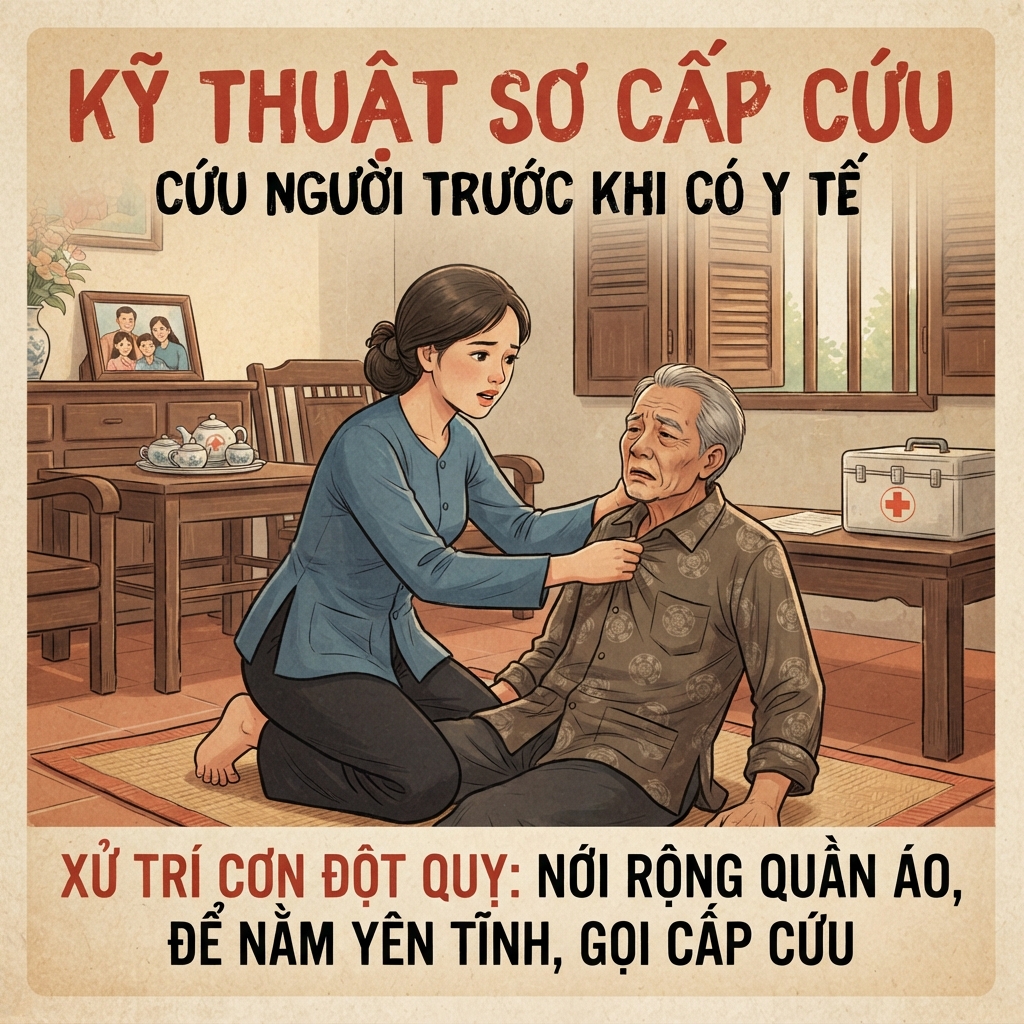
Learning Outcomes
First aid training covers scene safety, initial assessment, emergency activation, basic life support principles, bleeding and injury response, and recognition of situations requiring urgent professional medical care.
- First aid training covers scene safety, initial assessment, emergency activation, basic life support principles, bleeding and injury response, and recognition of situations requiring urgent professional medical care.
- First aid training covers scene safety, initial assessment, emergency activation, basic life support principles, bleeding and injury response, and recognition of situations requiring urgent professional medical care.
- Techniques
- First aid training covers scene safety, initial assessment, emergency activation, basic life support principles, bleeding and injury response, and recognition of situations requiring urgent professional medical care.
First aid training covers scene safety, initial assessment, emergency activation, basic life support principles, bleeding and injury response, and recognition of situations requiring urgent professional medical care.
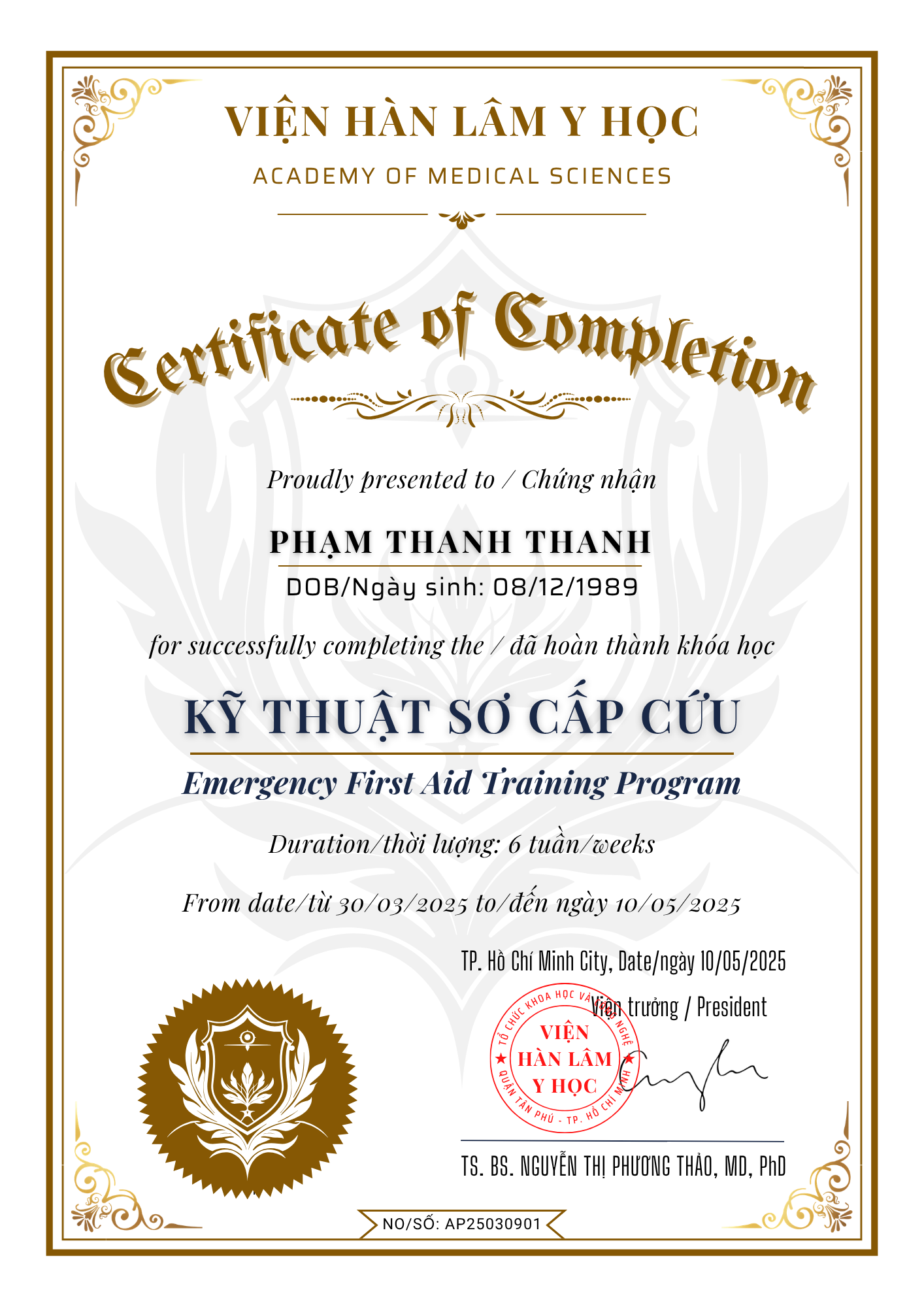
Certification
First aid training covers scene safety, initial assessment, emergency activation, basic life support principles, bleeding and injury response, and recognition of situations requiring urgent professional medical care.
Course Schedule