





Health Coach
Health coaching supports generally healthy clients with goal setting, lifestyle education, behavior change, accountability, and sustainable routines. It does not replace medical diagnosis, treatment, psychotherapy, rehabilitation, or other regulated clinical services.
Health coaching supports generally healthy clients with goal setting, lifestyle education, behavior change, accountability, and sustainable routines. It does not replace medical diagnosis, treatment, psychotherapy, rehabilitation, or other regulated clinical services.
Health coaching supports generally healthy clients with goal setting, lifestyle education, behavior change, accountability, and sustainable routines. It does not replace medical diagnosis, treatment, psychotherapy, rehabilitation, or other regulated clinical services.
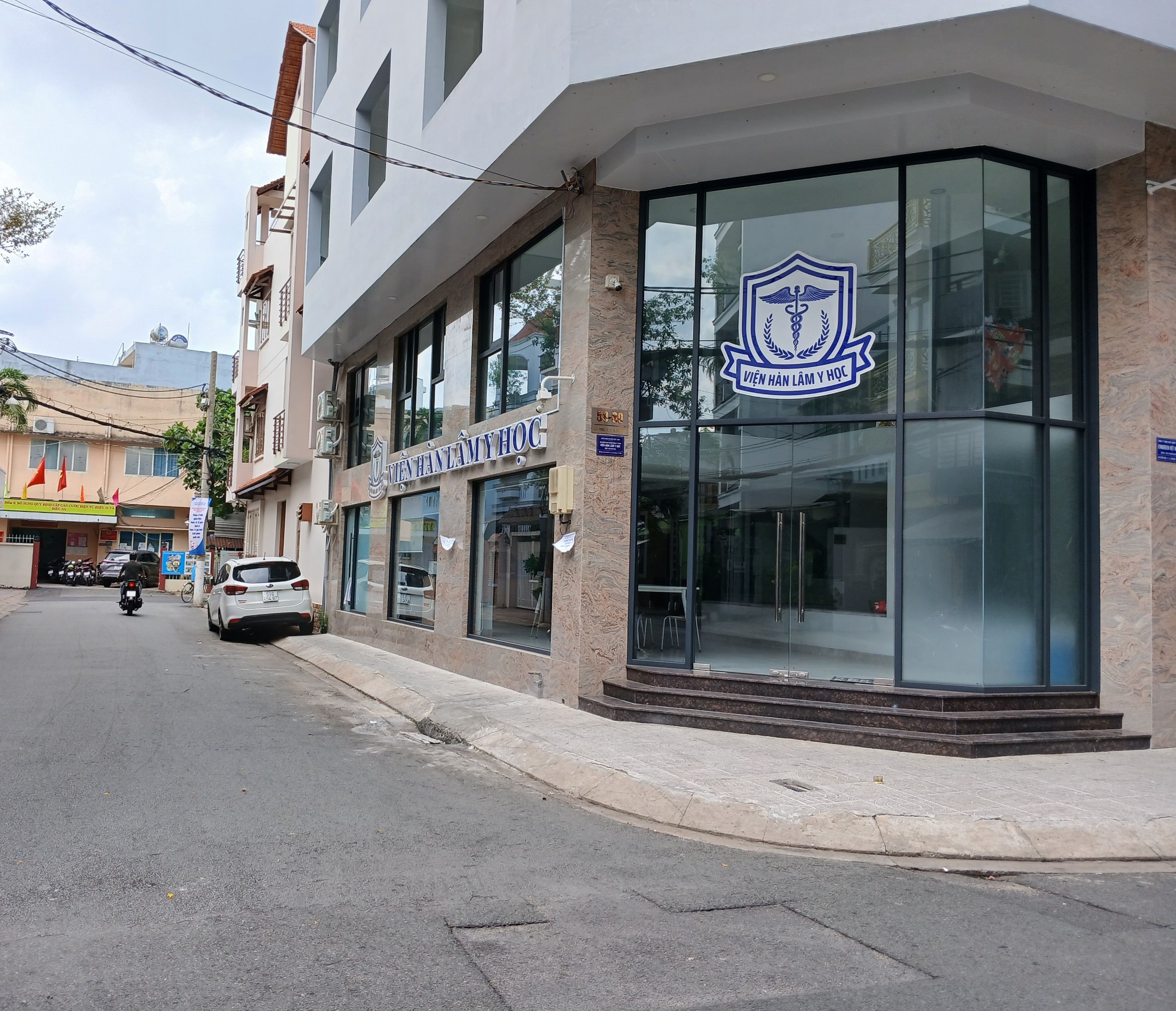
Health coaching supports generally healthy clients with goal setting, lifestyle education, behavior change, accountability, and sustainable routines. It does not replace medical diagnosis, treatment, psychotherapy, rehabilitation, or other regulated clinical services.
Professional Role
Health coaching supports generally healthy clients with goal setting, lifestyle education, behavior change, accountability, and sustainable routines. It does not replace medical diagnosis, treatment, psychotherapy, rehabilitation, or other regulated clinical services.
- Health coaching supports generally healthy clients with goal setting, lifestyle education, behavior change, accountability, and sustainable routines. It does not replace medical diagnosis, treatment, psychotherapy, rehabilitation, or other regulated clinical services.
- Health coaching supports generally healthy clients with goal setting, lifestyle education, behavior change, accountability, and sustainable routines. It does not replace medical diagnosis, treatment, psychotherapy, rehabilitation, or other regulated clinical services.
- Health coaching supports generally healthy clients with goal setting, lifestyle education, behavior change, accountability, and sustainable routines. It does not replace medical diagnosis, treatment, psychotherapy, rehabilitation, or other regulated clinical services.
- Stage
Health coaching supports generally healthy clients with goal setting, lifestyle education, behavior change, accountability, and sustainable routines. It does not replace medical diagnosis, treatment, psychotherapy, rehabilitation, or other regulated clinical services.

Training Philosophy
Health coaching supports generally healthy clients with goal setting, lifestyle education, behavior change, accountability, and sustainable routines. It does not replace medical diagnosis, treatment, psychotherapy, rehabilitation, or other regulated clinical services.
Program Topic
Health coaching supports generally healthy clients with goal setting, lifestyle education, behavior change, accountability, and sustainable routines. It does not replace medical diagnosis, treatment, psychotherapy, rehabilitation, or other regulated clinical services.
Program Topic
Health coaching supports generally healthy clients with goal setting, lifestyle education, behavior change, accountability, and sustainable routines. It does not replace medical diagnosis, treatment, psychotherapy, rehabilitation, or other regulated clinical services.
Application
Health coaching supports generally healthy clients with goal setting, lifestyle education, behavior change, accountability, and sustainable routines. It does not replace medical diagnosis, treatment, psychotherapy, rehabilitation, or other regulated clinical services.

Who Should Attend
Health coaching supports generally healthy clients with goal setting, lifestyle education, behavior change, accountability, and sustainable routines. It does not replace medical diagnosis, treatment, psychotherapy, rehabilitation, or other regulated clinical services.
- Nutrition
- Health coaching supports generally healthy clients with goal setting, lifestyle education, behavior change, accountability, and sustainable routines. It does not replace medical diagnosis, treatment, psychotherapy, rehabilitation, or other regulated clinical services.
- Health
- Health
Program Content
Health coaching supports generally healthy clients with goal setting, lifestyle education, behavior change, accountability, and sustainable routines. It does not replace medical diagnosis, treatment, psychotherapy, rehabilitation, or other regulated clinical services. Health coaching supports generally healthy clients with goal setting, lifestyle education, behavior change, accountability, and sustainable routines. It does not replace medical diagnosis, treatment, psychotherapy, rehabilitation, or other regulated clinical services.
Health coaching supports generally healthy clients with goal setting, lifestyle education, behavior change, accountability, and sustainable routines. It does not replace medical diagnosis, treatment, psychotherapy, rehabilitation, or other regulated clinical services.
Health coaching supports generally healthy clients with goal setting, lifestyle education, behavior change, accountability, and sustainable routines. It does not replace medical diagnosis, treatment, psychotherapy, rehabilitation, or other regulated clinical services.
- Lesson 1: Overview
- Lesson 2: Professional Role
- Lesson 3: Applied Topic
- Lesson 4: Professional Role
- Lesson 5: Professional Role
- Lesson 6: Health
- Lesson 7: Applied Topic
- Lesson 8: Applied Topic
- Lesson 9: Professional Role
- Lesson 10: Application
Health coaching supports generally healthy clients with goal setting, lifestyle education, behavior change, accountability, and sustainable routines. It does not replace medical diagnosis, treatment, psychotherapy, rehabilitation, or other regulated clinical services.
- Lesson 1: Anatomy
- Lesson 2: Applied Topic
- Lesson 3: Professional Role
- Lesson 4: Applied Topic
- Lesson 5: Nutrition
Health coaching supports generally healthy clients with goal setting, lifestyle education, behavior change, accountability, and sustainable routines. It does not replace medical diagnosis, treatment, psychotherapy, rehabilitation, or other regulated clinical services.
- Lesson 1: Applied Topic
- Lesson 2: Applied Topic
- Lesson 3: Applied Topic
- Lesson 4: Nutrition
- Lesson 5: Nutrition
- Lesson 6: Applied Topic
- Lesson 7: Applied Topic
- Lesson 8: Applied Topic
- Lesson 9: Practical Training
Health coaching supports generally healthy clients with goal setting, lifestyle education, behavior change, accountability, and sustainable routines. It does not replace medical diagnosis, treatment, psychotherapy, rehabilitation, or other regulated clinical services.
- Lesson 1: Nutrition
- Lesson 2: Nutrition
- Lesson 3: Nutrition
- Lesson 4: Nutrition
- Lesson 5: Nutrition
- Lesson 6: Nutrition
- Lesson 7: Professional Role
Health coaching supports generally healthy clients with goal setting, lifestyle education, behavior change, accountability, and sustainable routines. It does not replace medical diagnosis, treatment, psychotherapy, rehabilitation, or other regulated clinical services.
- Lesson 1: Nutrition
- Lesson 2: Nutrition
- Lesson 3: Nutrition
- Lesson 4: Nutrition
- Lesson 5: Nutrition
- Lesson 6: Nutrition
- Lesson 7: Nutrition
Health coaching supports generally healthy clients with goal setting, lifestyle education, behavior change, accountability, and sustainable routines. It does not replace medical diagnosis, treatment, psychotherapy, rehabilitation, or other regulated clinical services.
- Lesson 1: Applied Topic
- Lesson 2: Applied Topic
- Lesson 3: Communication Skills
- Lesson 4: Applied Topic
- Lesson 5: Applied Topic
- Lesson 6: Practical Training
Health coaching supports generally healthy clients with goal setting, lifestyle education, behavior change, accountability, and sustainable routines. It does not replace medical diagnosis, treatment, psychotherapy, rehabilitation, or other regulated clinical services.
- Lesson 1: Nutrition
- Lesson 2: Applied Topic
- Lesson 3: Management
- Lesson 4: Applied Topic
- Lesson 5: Applied Topic
Health coaching supports generally healthy clients with goal setting, lifestyle education, behavior change, accountability, and sustainable routines. It does not replace medical diagnosis, treatment, psychotherapy, rehabilitation, or other regulated clinical services.
- Lesson 1: Practical Training
- Lesson 2: Applied Topic
- Lesson 3: Applied Topic
- Lesson 4: Applied Topic
Distinctive Program Features
Health coaching supports generally healthy clients with goal setting, lifestyle education, behavior change, accountability, and sustainable routines. It does not replace medical diagnosis, treatment, psychotherapy, rehabilitation, or other regulated clinical services.
Teaching Team
Health coaching supports generally healthy clients with goal setting, lifestyle education, behavior change, accountability, and sustainable routines. It does not replace medical diagnosis, treatment, psychotherapy, rehabilitation, or other regulated clinical services.

Program Topic
Health coaching supports generally healthy clients with goal setting, lifestyle education, behavior change, accountability, and sustainable routines. It does not replace medical diagnosis, treatment, psychotherapy, rehabilitation, or other regulated clinical services.
Intensive Practical Training
Health coaching supports generally healthy clients with goal setting, lifestyle education, behavior change, accountability, and sustainable routines. It does not replace medical diagnosis, treatment, psychotherapy, rehabilitation, or other regulated clinical services.
Career and Business Development Support
Health coaching supports generally healthy clients with goal setting, lifestyle education, behavior change, accountability, and sustainable routines. It does not replace medical diagnosis, treatment, psychotherapy, rehabilitation, or other regulated clinical services.
Program Topic
Health coaching supports generally healthy clients with goal setting, lifestyle education, behavior change, accountability, and sustainable routines. It does not replace medical diagnosis, treatment, psychotherapy, rehabilitation, or other regulated clinical services.

Why This Matters
- Health coaching supports generally healthy clients with goal setting, lifestyle education, behavior change, accountability, and sustainable routines. It does not replace medical diagnosis, treatment, psychotherapy, rehabilitation, or other regulated clinical services.
- Health coaching supports generally healthy clients with goal setting, lifestyle education, behavior change, accountability, and sustainable routines. It does not replace medical diagnosis, treatment, psychotherapy, rehabilitation, or other regulated clinical services.
- Health coaching supports generally healthy clients with goal setting, lifestyle education, behavior change, accountability, and sustainable routines. It does not replace medical diagnosis, treatment, psychotherapy, rehabilitation, or other regulated clinical services.
- Health coaching supports generally healthy clients with goal setting, lifestyle education, behavior change, accountability, and sustainable routines. It does not replace medical diagnosis, treatment, psychotherapy, rehabilitation, or other regulated clinical services.
Program Topic
Health coaching supports generally healthy clients with goal setting, lifestyle education, behavior change, accountability, and sustainable routines. It does not replace medical diagnosis, treatment, psychotherapy, rehabilitation, or other regulated clinical services.

Health coaching supports generally healthy clients with goal setting, lifestyle education, behavior change, accountability, and sustainable routines. It does not replace medical diagnosis, treatment, psychotherapy, rehabilitation, or other regulated clinical services.
Registration Information
- Duration
- Learning Format&Offline
- Taught by
- Certification
Health coaching supports generally healthy clients with goal setting, lifestyle education, behavior change, accountability, and sustainable routines. It does not replace medical diagnosis, treatment, psychotherapy, rehabilitation, or other regulated clinical services.
Course Schedule