Introduction to Ayurveda
This program introduces Ayurveda as a traditional health system, including its historical framework, lifestyle concepts, and practices. Traditional concepts are distinguished from established biomedical anatomy, physiology, diagnosis, and treatment.
This program introduces Ayurveda as a traditional health system, including its historical framework, lifestyle concepts, and practices. Traditional concepts are distinguished from established biomedical anatomy, physiology, diagnosis, and treatment. This program introduces Ayurveda as a traditional health system, including its historical framework, lifestyle concepts, and practices. Traditional concepts are distinguished from established biomedical anatomy, physiology, diagnosis, and treatment. This program introduces Ayurveda as a traditional health system, including its historical framework, lifestyle concepts, and practices. Traditional concepts are distinguished from established biomedical anatomy, physiology, diagnosis, and treatment.
Objectives
- This program introduces Ayurveda as a traditional health system, including its historical framework, lifestyle concepts, and practices. Traditional concepts are distinguished from established biomedical anatomy, physiology, diagnosis, and treatment.
- This program introduces Ayurveda as a traditional health system, including its historical framework, lifestyle concepts, and practices. Traditional concepts are distinguished from established biomedical anatomy, physiology, diagnosis, and treatment.
- Health
Program Content
This program introduces Ayurveda as a traditional health system, including its historical framework, lifestyle concepts, and practices. Traditional concepts are distinguished from established biomedical anatomy, physiology, diagnosis, and treatment.
This program introduces Ayurveda as a traditional health system, including its historical framework, lifestyle concepts, and practices. Traditional concepts are distinguished from established biomedical anatomy, physiology, diagnosis, and treatment.
This program introduces Ayurveda as a traditional health system, including its historical framework, lifestyle concepts, and practices. Traditional concepts are distinguished from established biomedical anatomy, physiology, diagnosis, and treatment.
- Foundations
- This program introduces Ayurveda as a traditional health system, including its historical framework, lifestyle concepts, and practices. Traditional concepts are distinguished from established biomedical anatomy, physiology, diagnosis, and treatment.
- Application
- Foundations
This program introduces Ayurveda as a traditional health system, including its historical framework, lifestyle concepts, and practices. Traditional concepts are distinguished from established biomedical anatomy, physiology, diagnosis, and treatment.
- Lesson 1: Applied Topic
- Lesson 2: Health
- Lesson 3: Applied Topic
- Lesson 4: Professional Role
This program introduces Ayurveda as a traditional health system, including its historical framework, lifestyle concepts, and practices. Traditional concepts are distinguished from established biomedical anatomy, physiology, diagnosis, and treatment.
- This program introduces Ayurveda as a traditional health system, including its historical framework, lifestyle concepts, and practices. Traditional concepts are distinguished from established biomedical anatomy, physiology, diagnosis, and treatment.&This program introduces Ayurveda as a traditional health system, including its historical framework, lifestyle concepts, and practices. Traditional concepts are distinguished from established biomedical anatomy, physiology, diagnosis, and treatment.
- This program introduces Ayurveda as a traditional health system, including its historical framework, lifestyle concepts, and practices. Traditional concepts are distinguished from established biomedical anatomy, physiology, diagnosis, and treatment.&This program introduces Ayurveda as a traditional health system, including its historical framework, lifestyle concepts, and practices. Traditional concepts are distinguished from established biomedical anatomy, physiology, diagnosis, and treatment.
- This program introduces Ayurveda as a traditional health system, including its historical framework, lifestyle concepts, and practices. Traditional concepts are distinguished from established biomedical anatomy, physiology, diagnosis, and treatment.&This program introduces Ayurveda as a traditional health system, including its historical framework, lifestyle concepts, and practices. Traditional concepts are distinguished from established biomedical anatomy, physiology, diagnosis, and treatment.
This program introduces Ayurveda as a traditional health system, including its historical framework, lifestyle concepts, and practices. Traditional concepts are distinguished from established biomedical anatomy, physiology, diagnosis, and treatment.
- Lesson 1: Applied Topic
- Lesson 2: Professional Role
- Lesson 3: Applied Topic&This program introduces Ayurveda as a traditional health system, including its historical framework, lifestyle concepts, and practices. Traditional concepts are distinguished from established biomedical anatomy, physiology, diagnosis, and treatment.
- Lesson 4: Health
This program introduces Ayurveda as a traditional health system, including its historical framework, lifestyle concepts, and practices. Traditional concepts are distinguished from established biomedical anatomy, physiology, diagnosis, and treatment.
- Lesson 1: Nutrition
- Lesson 2: Applied Topic
- Lesson 3: Applied Topic
- Lesson 4: Applied Topic
This program introduces Ayurveda as a traditional health system, including its historical framework, lifestyle concepts, and practices. Traditional concepts are distinguished from established biomedical anatomy, physiology, diagnosis, and treatment.
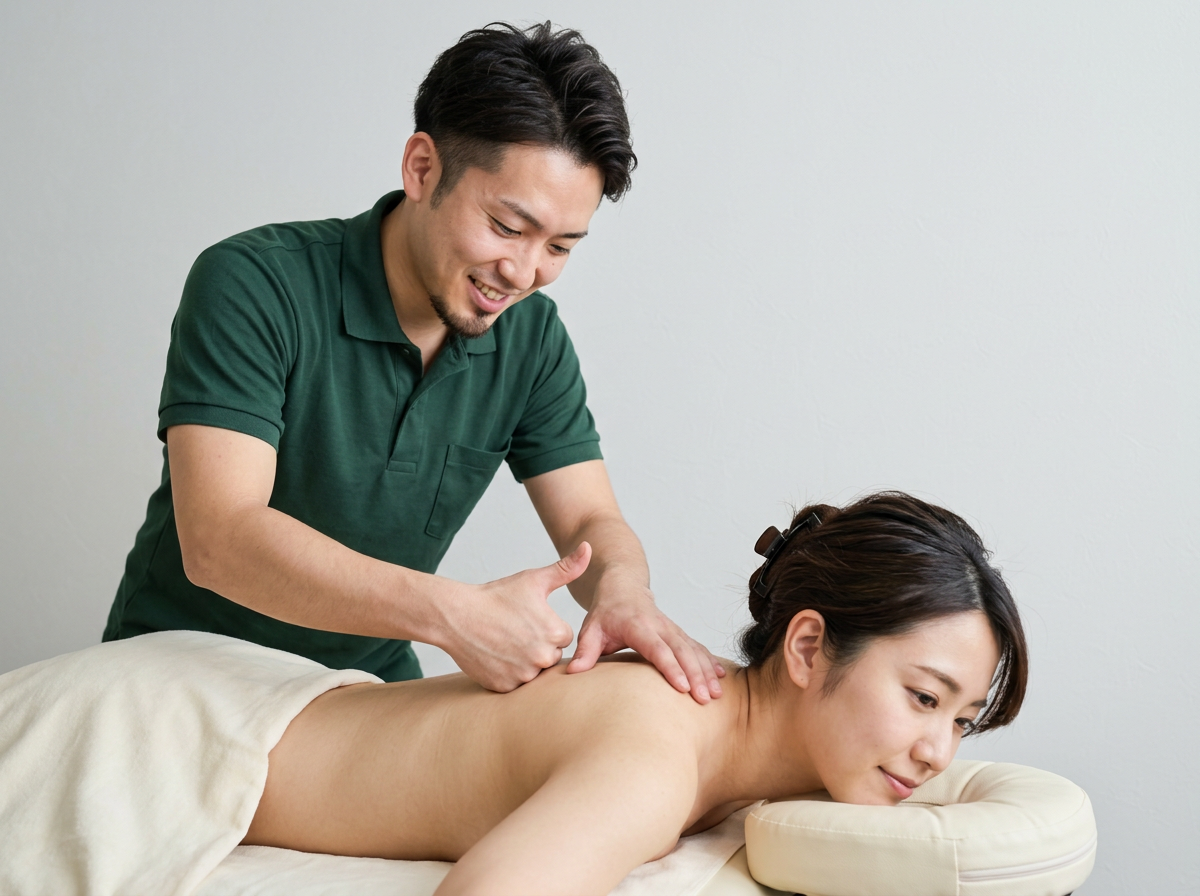
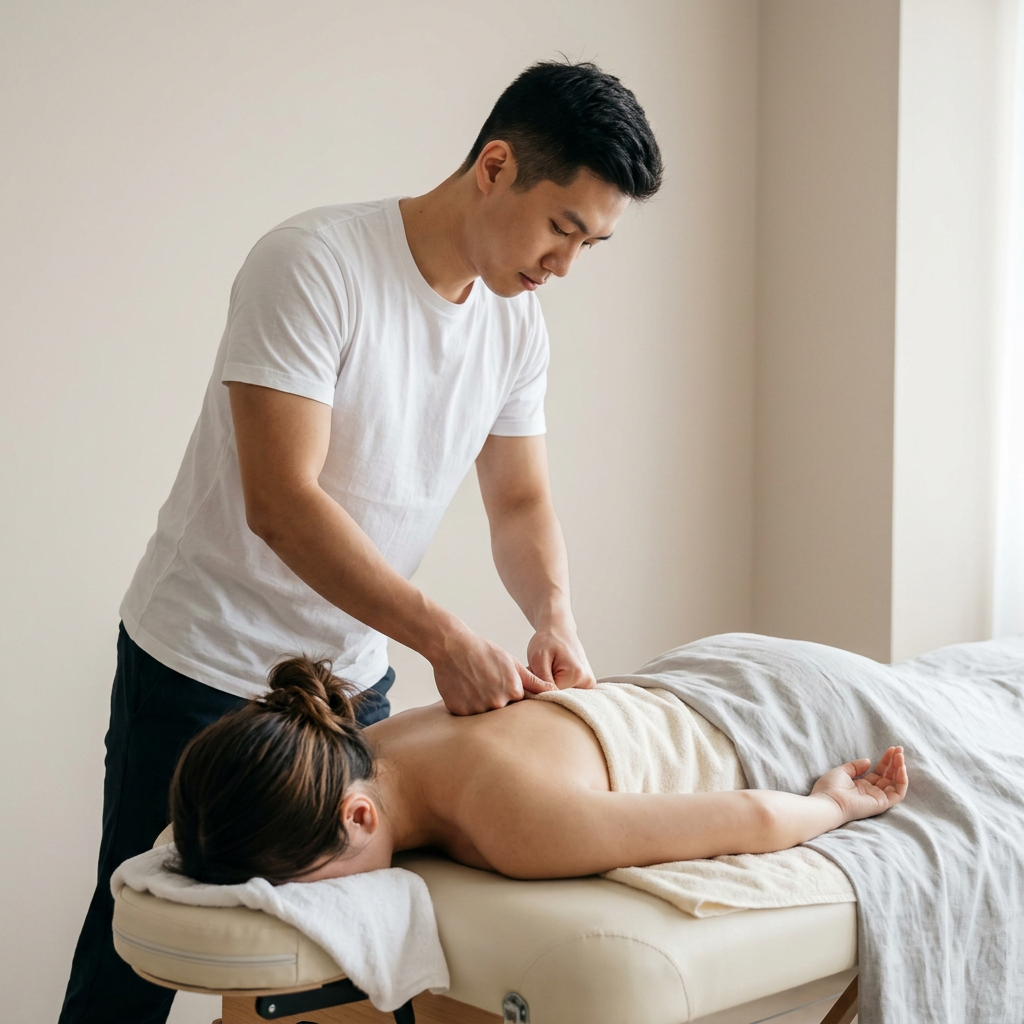
- Massage
- Nervous System
- This program introduces Ayurveda as a traditional health system, including its historical framework, lifestyle concepts, and practices. Traditional concepts are distinguished from established biomedical anatomy, physiology, diagnosis, and treatment.
- Pranayama&Meditation
This program introduces Ayurveda as a traditional health system, including its historical framework, lifestyle concepts, and practices. Traditional concepts are distinguished from established biomedical anatomy, physiology, diagnosis, and treatment.
- Lesson 1: Overview
- Lesson 2: Applied Topic
- Lesson 3: Applied Topic
- Lesson 4: Meditation
This program introduces Ayurveda as a traditional health system, including its historical framework, lifestyle concepts, and practices. Traditional concepts are distinguished from established biomedical anatomy, physiology, diagnosis, and treatment.
- Lesson 1: Applied Topic
- Lesson 2: Applied Topic
- Lesson 3: Health
- Lesson 4: Practical Training
Program Topic
- This program introduces Ayurveda as a traditional health system, including its historical framework, lifestyle concepts, and practices. Traditional concepts are distinguished from established biomedical anatomy, physiology, diagnosis, and treatment.
- Practical Training
- Health
Who Should Attend
- This program introduces Ayurveda as a traditional health system, including its historical framework, lifestyle concepts, and practices. Traditional concepts are distinguished from established biomedical anatomy, physiology, diagnosis, and treatment.
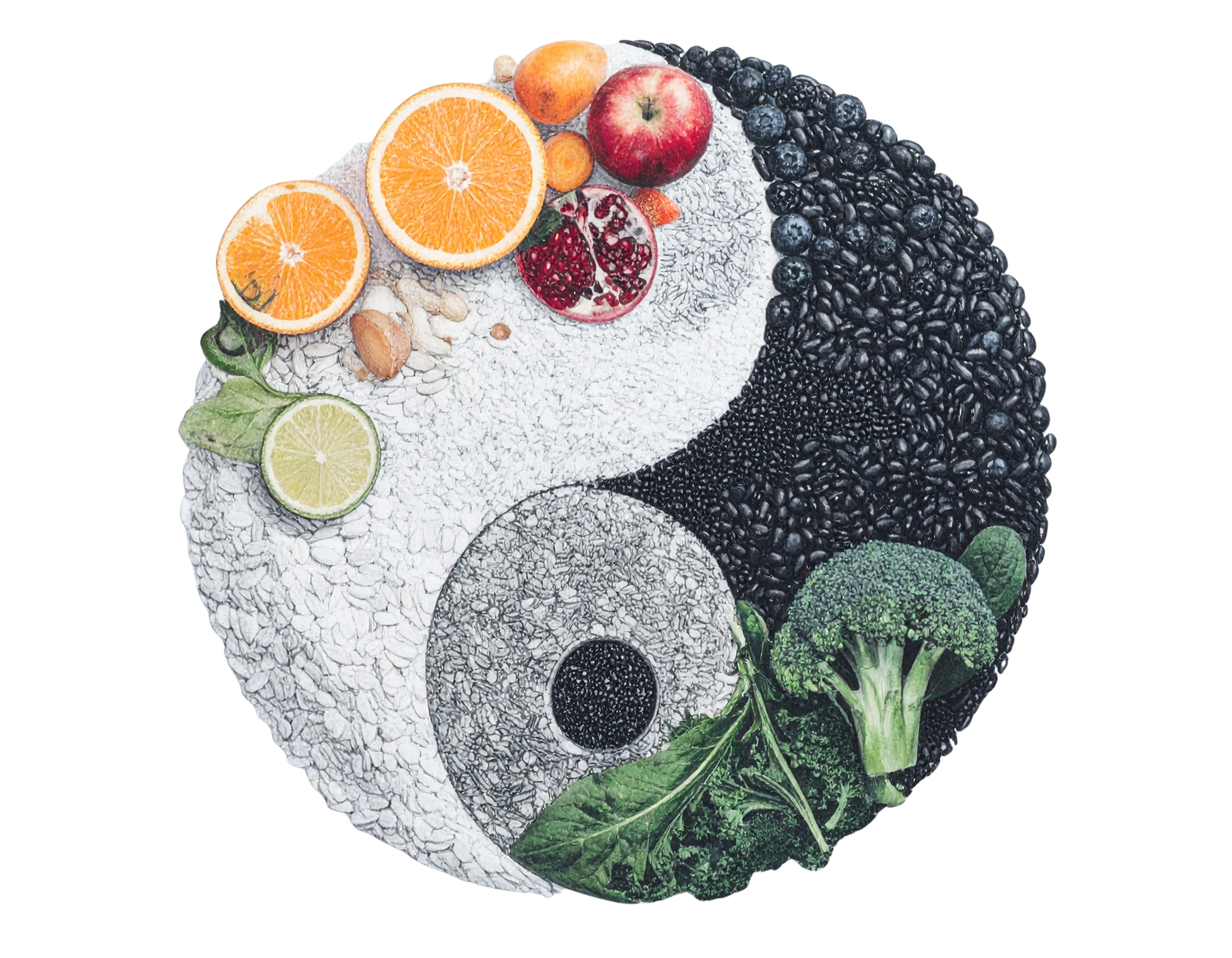
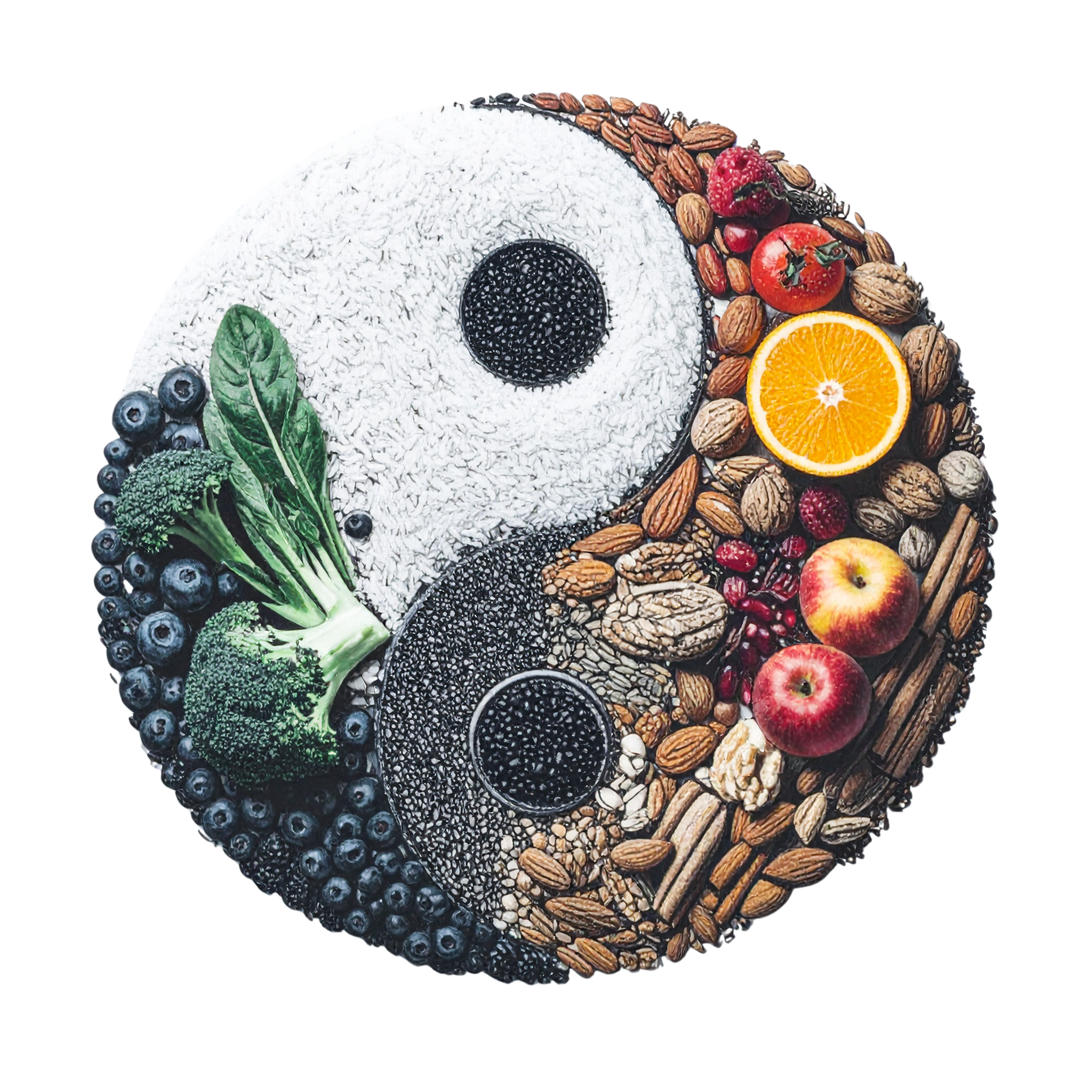
- Nutrition
- Health
Certification
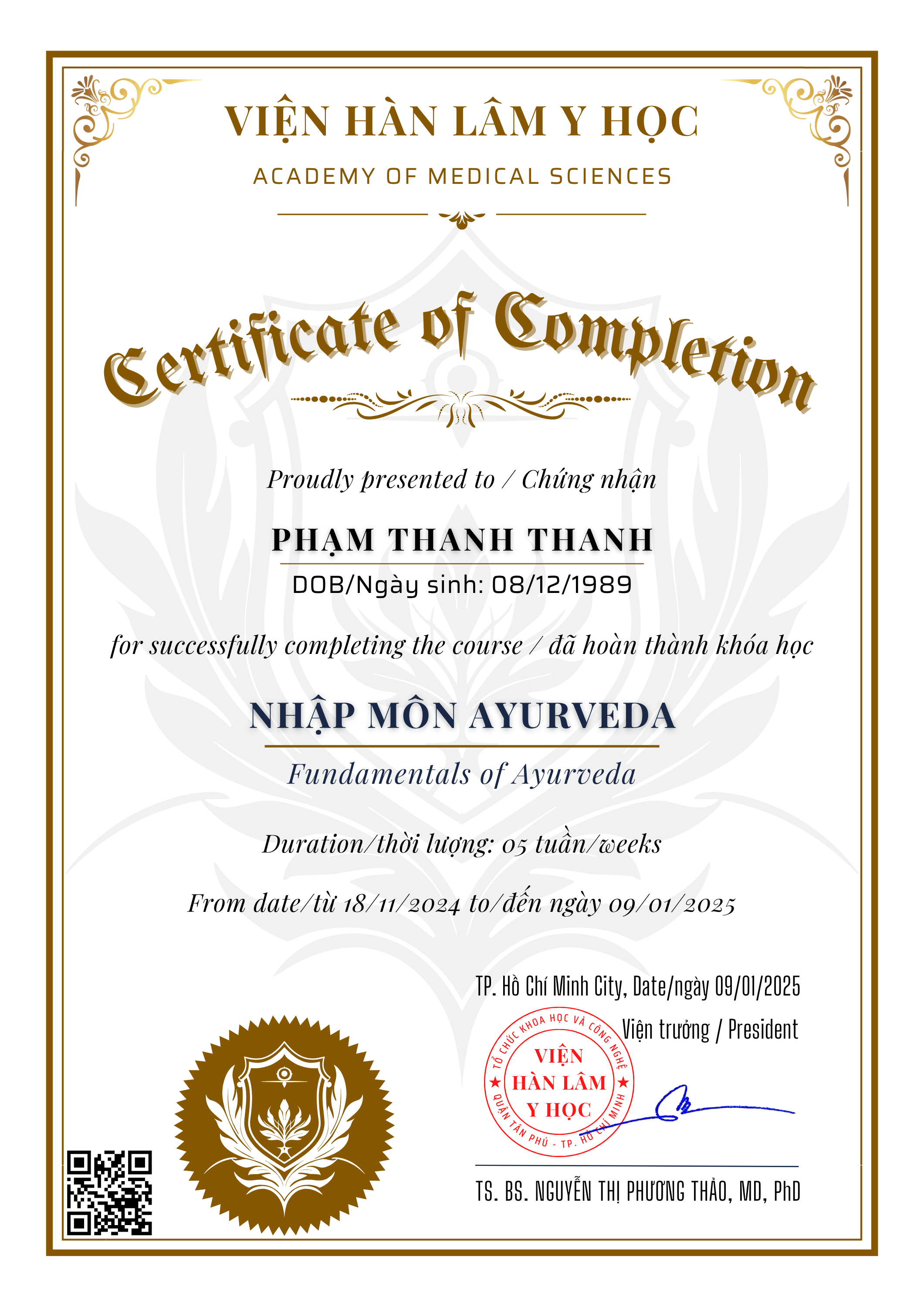
This program introduces Ayurveda as a traditional health system, including its historical framework, lifestyle concepts, and practices. Traditional concepts are distinguished from established biomedical anatomy, physiology, diagnosis, and treatment. This program introduces Ayurveda as a traditional health system, including its historical framework, lifestyle concepts, and practices. Traditional concepts are distinguished from established biomedical anatomy, physiology, diagnosis, and treatment.This program introduces Ayurveda as a traditional health system, including its historical framework, lifestyle concepts, and practices. Traditional concepts are distinguished from established biomedical anatomy, physiology, diagnosis, and treatment.
Course Schedule
Holistic Medicine
Traditional medicine