





Meditation Teacher
Meditation training focuses on attention, mindfulness, relaxation, self-awareness, facilitation skills, and ethical practice. Meditation may complement well-being practices but should not be presented as a substitute for medical or mental-health care.
Meditation training focuses on attention, mindfulness, relaxation, self-awareness, facilitation skills, and ethical practice. Meditation may complement well-being practices but should not be presented as a substitute for medical or mental-health care.
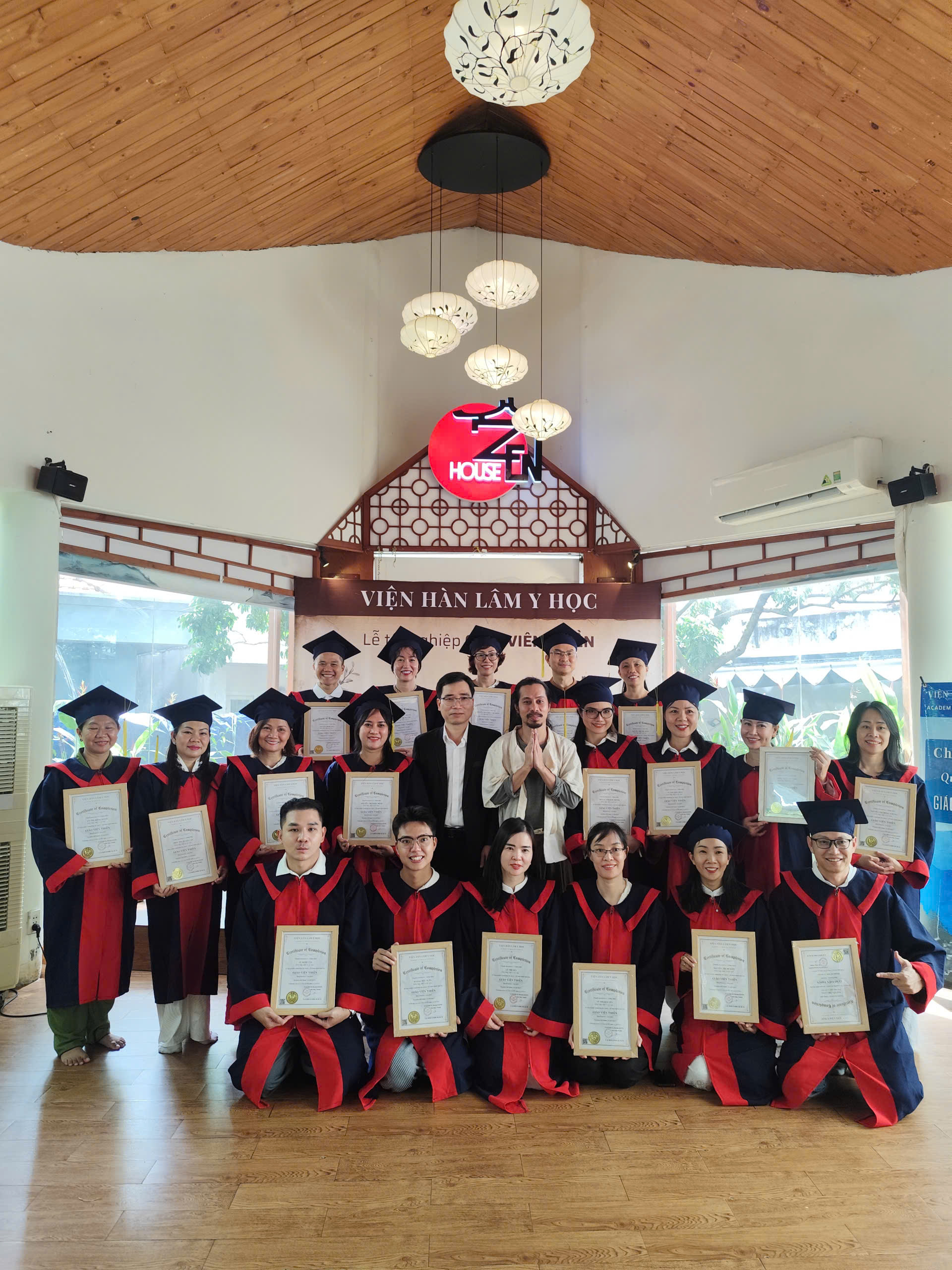
Meditation
Meditation training focuses on attention, mindfulness, relaxation, self-awareness, facilitation skills, and ethical practice. Meditation may complement well-being practices but should not be presented as a substitute for medical or mental-health care.
- Meditation training focuses on attention, mindfulness, relaxation, self-awareness, facilitation skills, and ethical practice. Meditation may complement well-being practices but should not be presented as a substitute for medical or mental-health care.
- Management
- Meditation training focuses on attention, mindfulness, relaxation, self-awareness, facilitation skills, and ethical practice. Meditation may complement well-being practices but should not be presented as a substitute for medical or mental-health care.
- Meditation training focuses on attention, mindfulness, relaxation, self-awareness, facilitation skills, and ethical practice. Meditation may complement well-being practices but should not be presented as a substitute for medical or mental-health care.
- Mental Well-Being
Meditation training focuses on attention, mindfulness, relaxation, self-awareness, facilitation skills, and ethical practice. Meditation may complement well-being practices but should not be presented as a substitute for medical or mental-health care.

Meditation
Meditation training focuses on attention, mindfulness, relaxation, self-awareness, facilitation skills, and ethical practice. Meditation may complement well-being practices but should not be presented as a substitute for medical or mental-health care.
- Meditation training focuses on attention, mindfulness, relaxation, self-awareness, facilitation skills, and ethical practice. Meditation may complement well-being practices but should not be presented as a substitute for medical or mental-health care.
- Meditation training focuses on attention, mindfulness, relaxation, self-awareness, facilitation skills, and ethical practice. Meditation may complement well-being practices but should not be presented as a substitute for medical or mental-health care.
- Basic
- Practical Training
- Techniques
Meditation training focuses on attention, mindfulness, relaxation, self-awareness, facilitation skills, and ethical practice. Meditation may complement well-being practices but should not be presented as a substitute for medical or mental-health care.

Why This Matters
Mental Well-Being
Meditation training focuses on attention, mindfulness, relaxation, self-awareness, facilitation skills, and ethical practice. Meditation may complement well-being practices but should not be presented as a substitute for medical or mental-health care.
Meditation
Meditation training focuses on attention, mindfulness, relaxation, self-awareness, facilitation skills, and ethical practice. Meditation may complement well-being practices but should not be presented as a substitute for medical or mental-health care.
Meditation training focuses on attention, mindfulness, relaxation, self-awareness, facilitation skills, and ethical practice. Meditation may complement well-being practices but should not be presented as a substitute for medical or mental-health care.

Program Topic
Meditation training focuses on attention, mindfulness, relaxation, self-awareness, facilitation skills, and ethical practice. Meditation may complement well-being practices but should not be presented as a substitute for medical or mental-health care.
Training Philosophy
Meditation training focuses on attention, mindfulness, relaxation, self-awareness, facilitation skills, and ethical practice. Meditation may complement well-being practices but should not be presented as a substitute for medical or mental-health care.

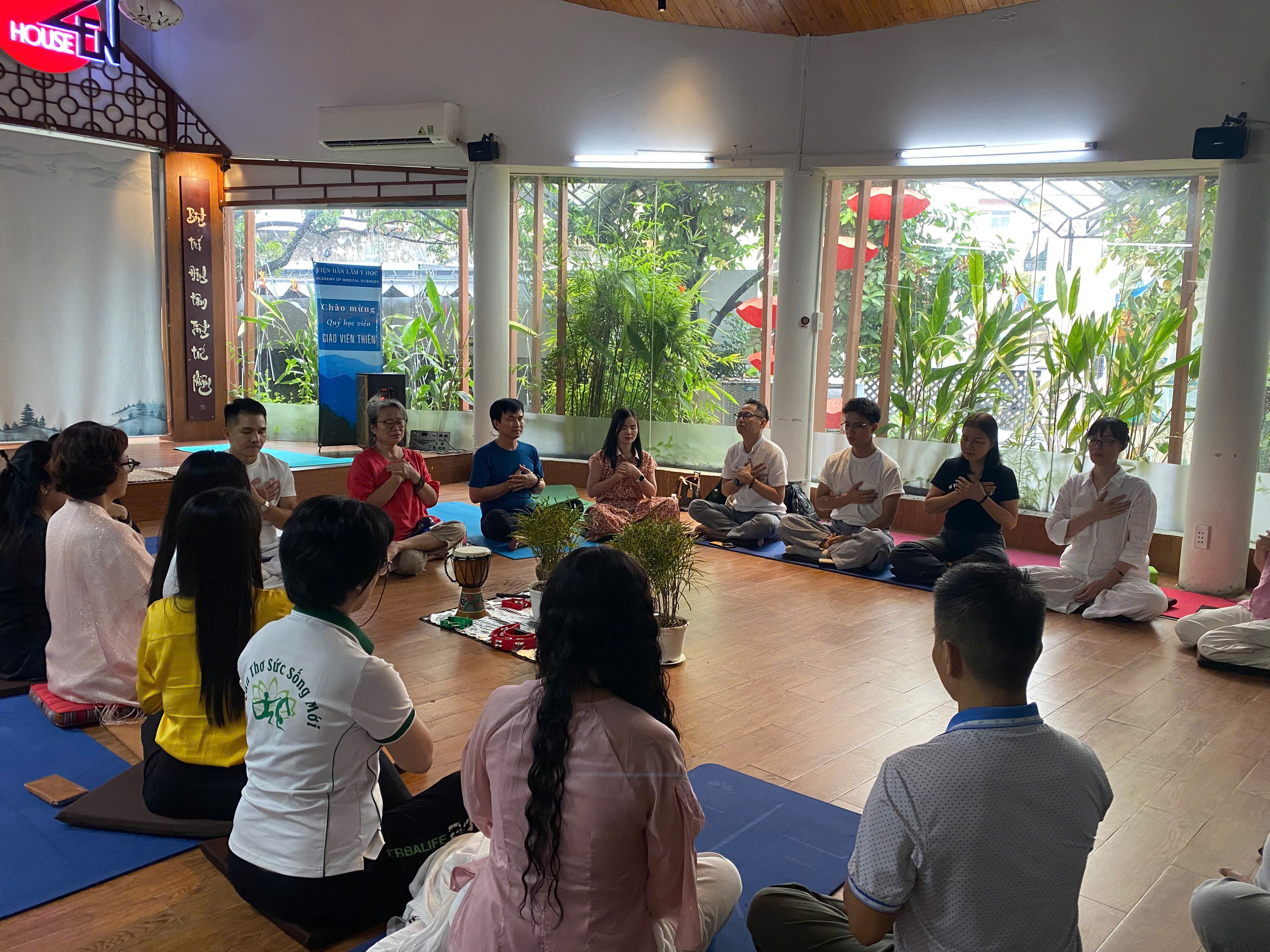
Program Topic
- Meditation
- Practical Training
- Meditation training focuses on attention, mindfulness, relaxation, self-awareness, facilitation skills, and ethical practice. Meditation may complement well-being practices but should not be presented as a substitute for medical or mental-health care.
Teaching Skills
- Meditation
- Meditation training focuses on attention, mindfulness, relaxation, self-awareness, facilitation skills, and ethical practice. Meditation may complement well-being practices but should not be presented as a substitute for medical or mental-health care.
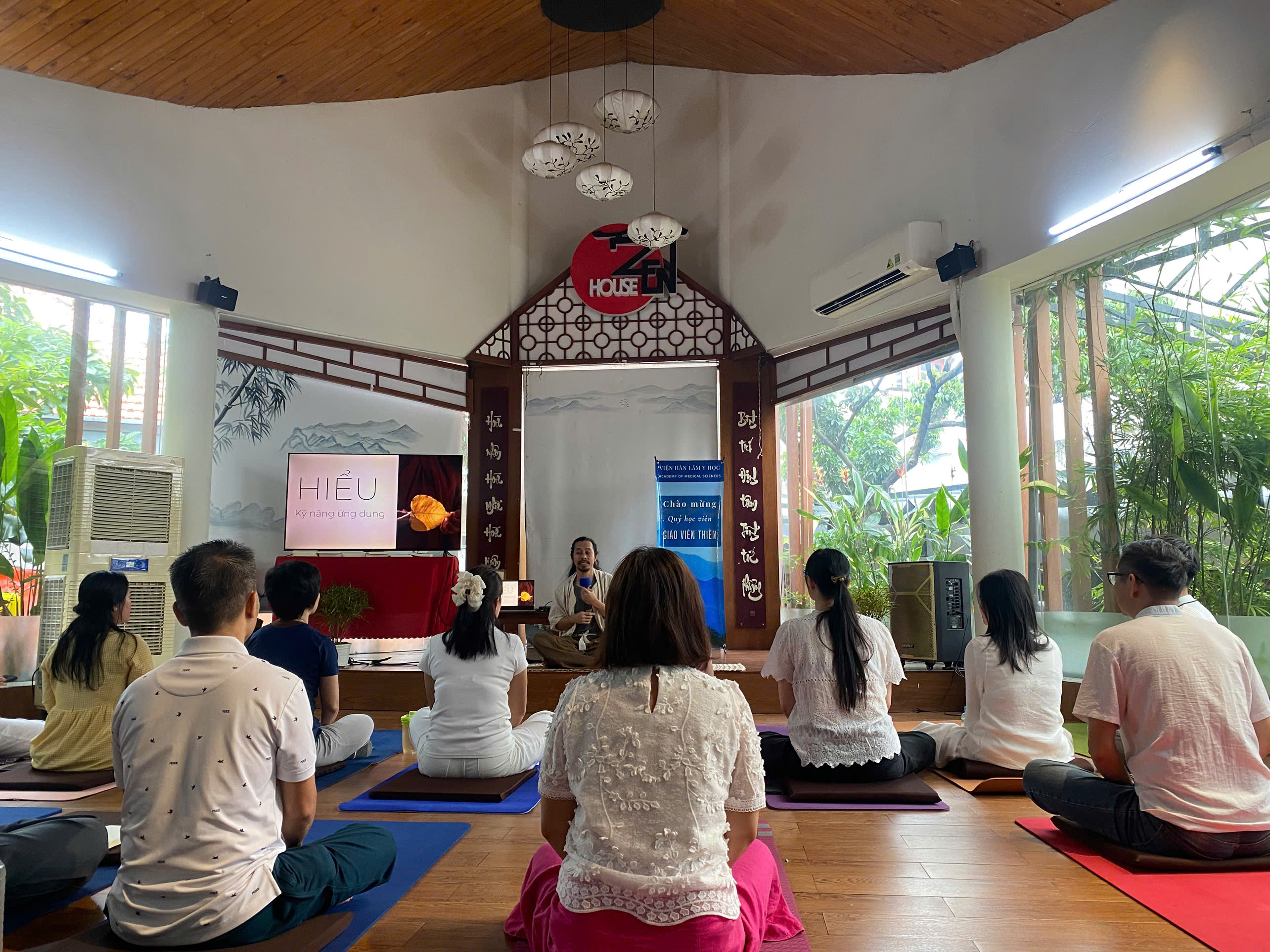
Scientific Understanding
- Nervous System
- Meditation
- Meditation
Professional Ethics
- Professional Role
- Meditation training focuses on attention, mindfulness, relaxation, self-awareness, facilitation skills, and ethical practice. Meditation may complement well-being practices but should not be presented as a substitute for medical or mental-health care.
- Advanced

Who Should Attend
Meditation training focuses on attention, mindfulness, relaxation, self-awareness, facilitation skills, and ethical practice. Meditation may complement well-being practices but should not be presented as a substitute for medical or mental-health care.
- Meditation
- Health
- Meditation
- Practical Training
- Meditation training focuses on attention, mindfulness, relaxation, self-awareness, facilitation skills, and ethical practice. Meditation may complement well-being practices but should not be presented as a substitute for medical or mental-health care.

Program Content
Meditation training focuses on attention, mindfulness, relaxation, self-awareness, facilitation skills, and ethical practice. Meditation may complement well-being practices but should not be presented as a substitute for medical or mental-health care.
Meditation training focuses on attention, mindfulness, relaxation, self-awareness, facilitation skills, and ethical practice. Meditation may complement well-being practices but should not be presented as a substitute for medical or mental-health care.
Meditation training focuses on attention, mindfulness, relaxation, self-awareness, facilitation skills, and ethical practice. Meditation may complement well-being practices but should not be presented as a substitute for medical or mental-health care.
- Lesson 1: Meditation
- Lesson 2: Applied Topic
- Lesson 3: Nervous System
- Lesson 4: Health
- Lesson 5: Meditation

Meditation training focuses on attention, mindfulness, relaxation, self-awareness, facilitation skills, and ethical practice. Meditation may complement well-being practices but should not be presented as a substitute for medical or mental-health care.
- Lesson 1: Meditation
- Lesson 2: Meditation
- Lesson 3: Meditation
- Lesson 4: Meditation
- Lesson 5: Meditation
- Lesson 6: Meditation
Meditation training focuses on attention, mindfulness, relaxation, self-awareness, facilitation skills, and ethical practice. Meditation may complement well-being practices but should not be presented as a substitute for medical or mental-health care.
- Lesson 1: Applied Topic
- Lesson 2: Applied Topic
- Lesson 3: Meditation
- Lesson 4: Meditation
- Lesson 5: Meditation
- Lesson 6: Practical Training
Meditation training focuses on attention, mindfulness, relaxation, self-awareness, facilitation skills, and ethical practice. Meditation may complement well-being practices but should not be presented as a substitute for medical or mental-health care.
- Lesson 1: Meditation
- Lesson 2: Meditation
- Lesson 3: Meditation
- Lesson 4: Applied Topic
- Lesson 5: Meditation
- Lesson 6: Practical Training

Meditation training focuses on attention, mindfulness, relaxation, self-awareness, facilitation skills, and ethical practice. Meditation may complement well-being practices but should not be presented as a substitute for medical or mental-health care.
- Lesson 1: Meditation
- Lesson 2: Meditation
- Lesson 3: Meditation
- Lesson 4: Meditation
- Lesson 5: Meditation
- Lesson 6: Meditation
Meditation training focuses on attention, mindfulness, relaxation, self-awareness, facilitation skills, and ethical practice. Meditation may complement well-being practices but should not be presented as a substitute for medical or mental-health care.
- Lesson 1: Foundations
- Lesson 2: Applied Topic
- Lesson 3: Meditation
- Lesson 4: Meditation
- Lesson 5: Meditation
- Lesson 6: Meditation
Meditation training focuses on attention, mindfulness, relaxation, self-awareness, facilitation skills, and ethical practice. Meditation may complement well-being practices but should not be presented as a substitute for medical or mental-health care.
- Lesson 1: Applied Topic
- Lesson 2: Meditation
- Lesson 3: Applied Topic
- Lesson 4: Applied Topic
- Lesson 5: Applied Topic
- Lesson 6: Applied Topic
Meditation training focuses on attention, mindfulness, relaxation, self-awareness, facilitation skills, and ethical practice. Meditation may complement well-being practices but should not be presented as a substitute for medical or mental-health care.
- Lesson 1: Techniques
- Lesson 2: Practical Training
- Lesson 3: Meditation
- Lesson 4: Meditation
- Lesson 5: Certification

Career Opportunities
Meditation training focuses on attention, mindfulness, relaxation, self-awareness, facilitation skills, and ethical practice. Meditation may complement well-being practices but should not be presented as a substitute for medical or mental-health care.
- Meditation
- Meditation
- Meditation training focuses on attention, mindfulness, relaxation, self-awareness, facilitation skills, and ethical practice. Meditation may complement well-being practices but should not be presented as a substitute for medical or mental-health care.
- Meditation training focuses on attention, mindfulness, relaxation, self-awareness, facilitation skills, and ethical practice. Meditation may complement well-being practices but should not be presented as a substitute for medical or mental-health care.
- Meditation
- Meditation
- Foundations

Why This Matters
Program Topic
- Meditation
- Meditation training focuses on attention, mindfulness, relaxation, self-awareness, facilitation skills, and ethical practice. Meditation may complement well-being practices but should not be presented as a substitute for medical or mental-health care.
Practical Training
- Lesson
- Professional Ethics

Practical Training
- Practical Training
Program Topic
- Career Opportunities
Meditation
Meditation training focuses on attention, mindfulness, relaxation, self-awareness, facilitation skills, and ethical practice. Meditation may complement well-being practices but should not be presented as a substitute for medical or mental-health care.
Meditation training focuses on attention, mindfulness, relaxation, self-awareness, facilitation skills, and ethical practice. Meditation may complement well-being practices but should not be presented as a substitute for medical or mental-health care.

Course Schedule