
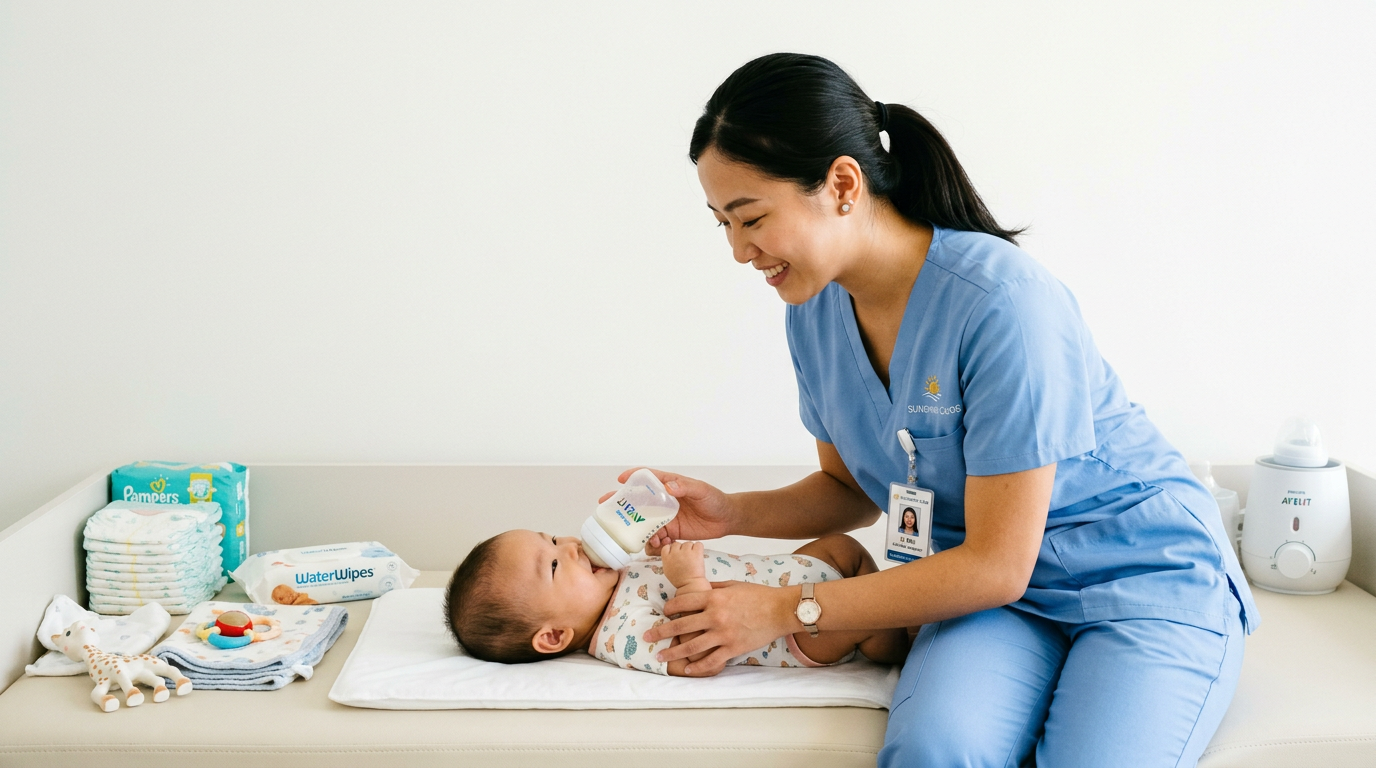



Mother and Baby Care
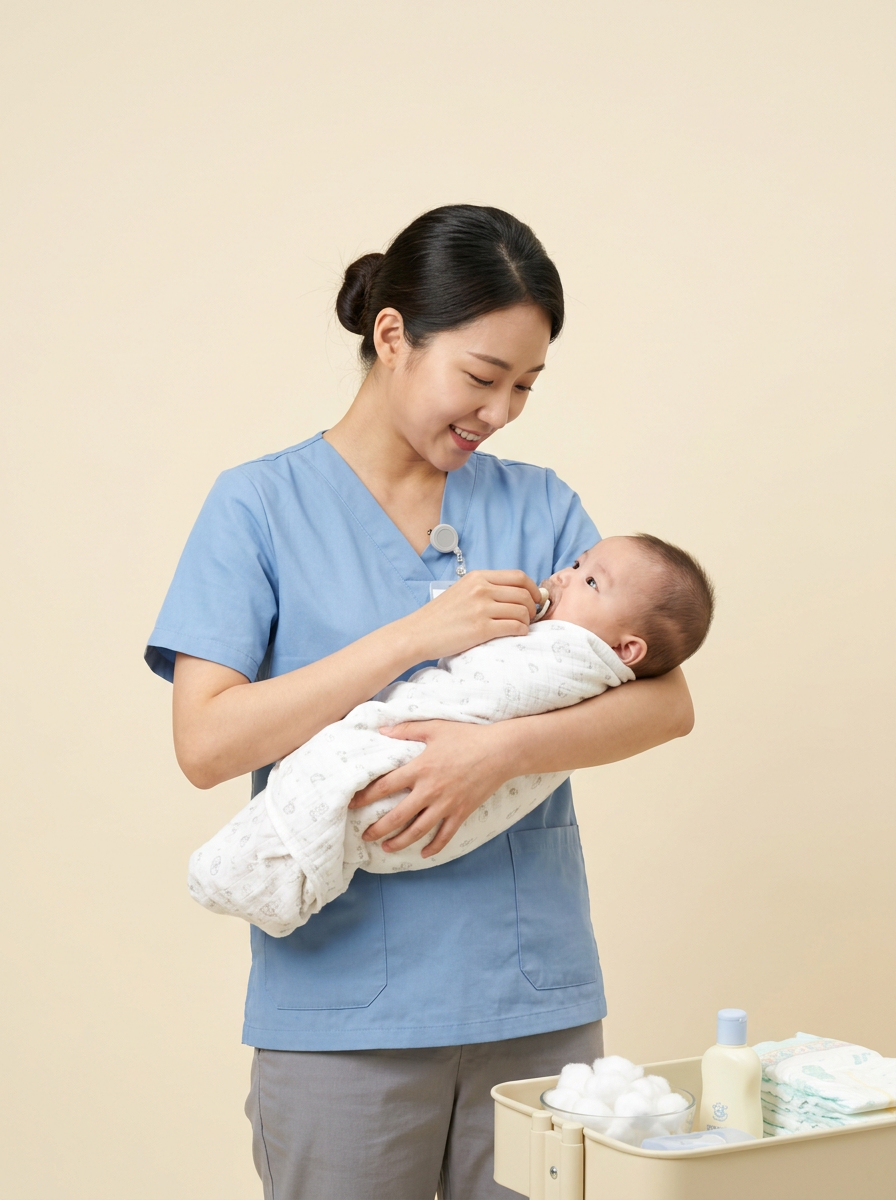
Mother and baby care training covers routine support, hygiene, comfort, communication, observation, safety, and recognition of situations that require assessment by qualified healthcare professionals.
Mother and baby care training covers routine support, hygiene, comfort, communication, observation, safety, and recognition of situations that require assessment by qualified healthcare professionals. Mother and baby care training covers routine support, hygiene, comfort, communication, observation, safety, and recognition of situations that require assessment by qualified healthcare professionals. Mother and baby care training covers routine support, hygiene, comfort, communication, observation, safety, and recognition of situations that require assessment by qualified healthcare professionals.
Who Should Attend
- Mother and baby care training covers routine support, hygiene, comfort, communication, observation, safety, and recognition of situations that require assessment by qualified healthcare professionals.
- Nutrition
- Health
- Health
Program Content
Mother and baby care training covers routine support, hygiene, comfort, communication, observation, safety, and recognition of situations that require assessment by qualified healthcare professionals.
Mother and baby care training covers routine support, hygiene, comfort, communication, observation, safety, and recognition of situations that require assessment by qualified healthcare professionals.
Mother and baby care training covers routine support, hygiene, comfort, communication, observation, safety, and recognition of situations that require assessment by qualified healthcare professionals.
- Lesson 1: Overview
- Lesson 2: Safety
- Lesson 3: Applied Topic
- Lesson 4: Applied Topic
- Lesson 5: Applied Topic
Mother and baby care training covers routine support, hygiene, comfort, communication, observation, safety, and recognition of situations that require assessment by qualified healthcare professionals.
- Lesson 1: Applied Topic
- Lesson 2: Stage
- Lesson 3: Safety
- Lesson 4: Lesson
- Lesson 5: Applied Topic
- Lesson 6: Applied Topic
Mother and baby care training covers routine support, hygiene, comfort, communication, observation, safety, and recognition of situations that require assessment by qualified healthcare professionals.
- Lesson 1: Applied Topic
- Lesson 2: Applied Topic
- Lesson 3: Nutrition
- Lesson 4: Massage
- Lesson 5: Herbal
- Lesson 6: Applied Topic
Mother and baby care training covers routine support, hygiene, comfort, communication, observation, safety, and recognition of situations that require assessment by qualified healthcare professionals.
- Lesson 1: Applied Topic
- Lesson 2: Safety
- Lesson 3: Applied Topic
- Lesson 4: Nutrition
- Lesson 5: Applied Topic
- Lesson 6: Applied Topic
Mother and baby care training covers routine support, hygiene, comfort, communication, observation, safety, and recognition of situations that require assessment by qualified healthcare professionals.
- Lesson 1: Safety
- Lesson 2: Applied Topic
- Lesson 3: Acupressure
- Lesson 4: Techniques
- Lesson 5: Lesson
- Lesson 6: Practical Training
Mother and baby care training covers routine support, hygiene, comfort, communication, observation, safety, and recognition of situations that require assessment by qualified healthcare professionals.
- Lesson 1: Applied Topic
- Lesson 2: Applied Topic
- Lesson 3: Applied Topic
- Lesson 4: Applied Topic
- Lesson 5: Lesson
- Lesson 6: Applied Topic
Mother and baby care training covers routine support, hygiene, comfort, communication, observation, safety, and recognition of situations that require assessment by qualified healthcare professionals.
- Lesson 1: Application
- Lesson 2: Mother and Baby
- Lesson 3: Applied Topic
- Lesson 4: Health
- Lesson 5: Applied Topic
- Lesson 6: Applied Topic
Mother and baby care training covers routine support, hygiene, comfort, communication, observation, safety, and recognition of situations that require assessment by qualified healthcare professionals.
- Lesson 1: Communication Skills
- Lesson 2: Applied Topic
- Lesson 3: Process
- Lesson 4: Applied Topic
- Lesson 5: Professional Ethics
- Lesson 6: Applied Topic
Objectives
- Professional Role
- Nutrition
- Nutrition
- Mother and baby care training covers routine support, hygiene, comfort, communication, observation, safety, and recognition of situations that require assessment by qualified healthcare professionals.
- Health
Career Opportunities
- Health
- Mother and baby care training covers routine support, hygiene, comfort, communication, observation, safety, and recognition of situations that require assessment by qualified healthcare professionals.
- Health
- Nutrition
- Health
Course Schedule