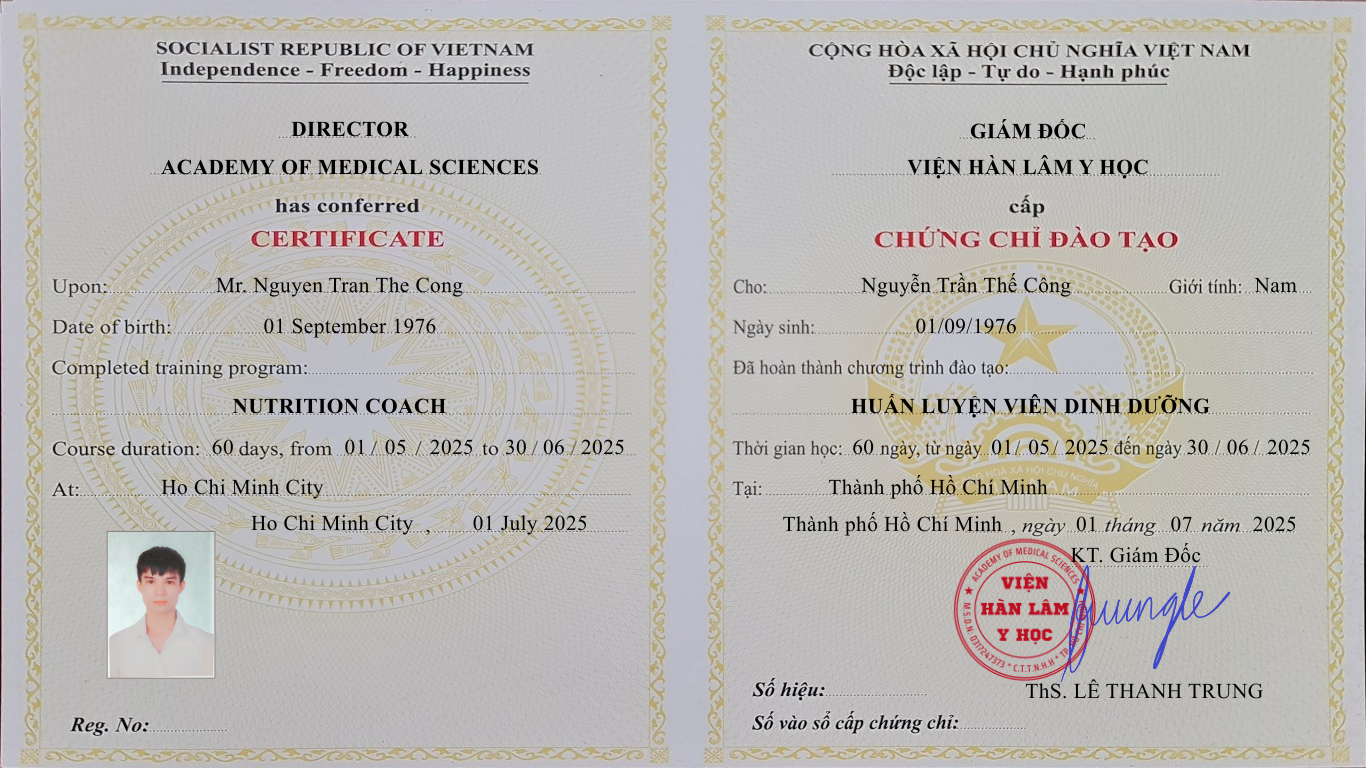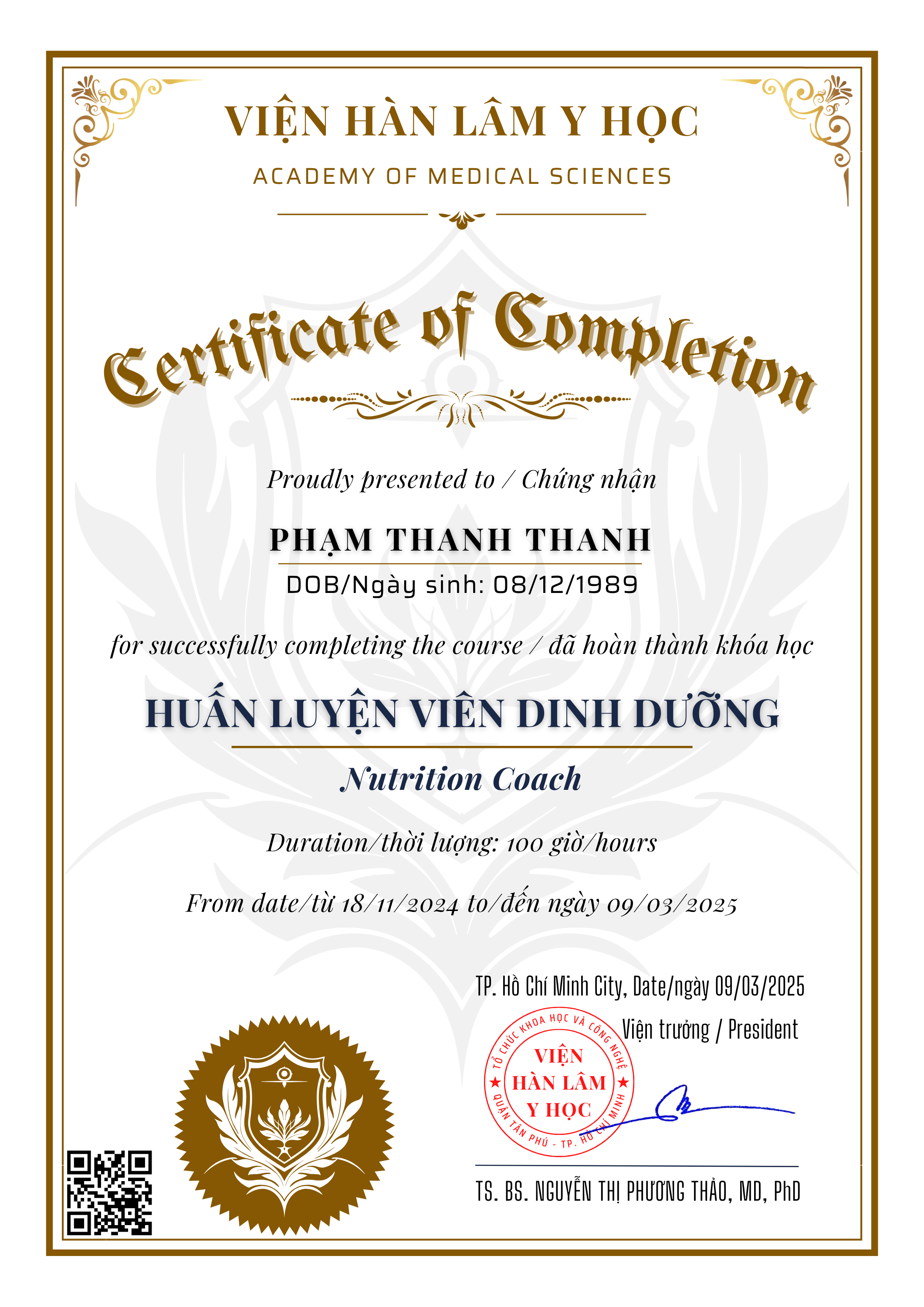






Nutrition Coach
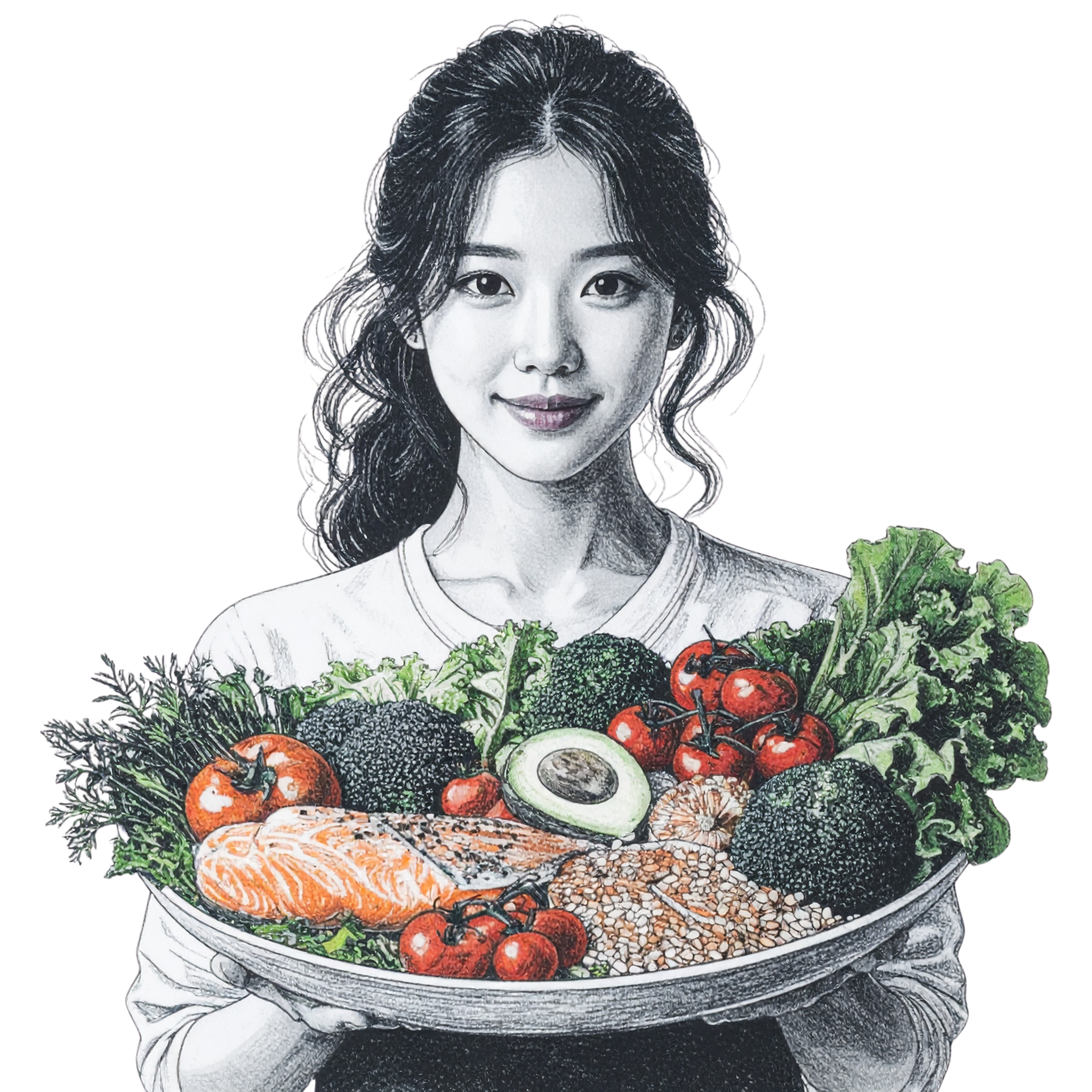
Nutrition coaching supports generally healthy clients with healthy-eating education, goal setting, behavior change, and accountability. Medical nutrition therapy and disease-specific nutrition management require appropriately qualified professionals.
Nutrition coaching supports generally healthy clients with healthy-eating education, goal setting, behavior change, and accountability. Medical nutrition therapy and disease-specific nutrition management require appropriately qualified professionals.

Nutrition coaching supports generally healthy clients with healthy-eating education, goal setting, behavior change, and accountability. Medical nutrition therapy and disease-specific nutrition management require appropriately qualified professionals.

Nutrition coaching supports generally healthy clients with healthy-eating education, goal setting, behavior change, and accountability. Medical nutrition therapy and disease-specific nutrition management require appropriately qualified professionals.
Nutrition
Nutrition coaching supports generally healthy clients with healthy-eating education, goal setting, behavior change, and accountability. Medical nutrition therapy and disease-specific nutrition management require appropriately qualified professionals.
Nutrition coaching supports generally healthy clients with healthy-eating education, goal setting, behavior change, and accountability. Medical nutrition therapy and disease-specific nutrition management require appropriately qualified professionals.
- Nutrition
- Assessment
- Behavior Change
- Nutrition coaching supports generally healthy clients with healthy-eating education, goal setting, behavior change, and accountability. Medical nutrition therapy and disease-specific nutrition management require appropriately qualified professionals.
- Health
Nutrition coaching supports generally healthy clients with healthy-eating education, goal setting, behavior change, and accountability. Medical nutrition therapy and disease-specific nutrition management require appropriately qualified professionals.

Professional Role
Nutrition
Nutrition coaching supports generally healthy clients with healthy-eating education, goal setting, behavior change, and accountability. Medical nutrition therapy and disease-specific nutrition management require appropriately qualified professionals.
- Nutrition
- Older Adults
Nutrition
- Nutrition
- Nutrition coaching supports generally healthy clients with healthy-eating education, goal setting, behavior change, and accountability. Medical nutrition therapy and disease-specific nutrition management require appropriately qualified professionals.
- Nutrition
Nutrition coaching supports generally healthy clients with healthy-eating education, goal setting, behavior change, and accountability. Medical nutrition therapy and disease-specific nutrition management require appropriately qualified professionals.
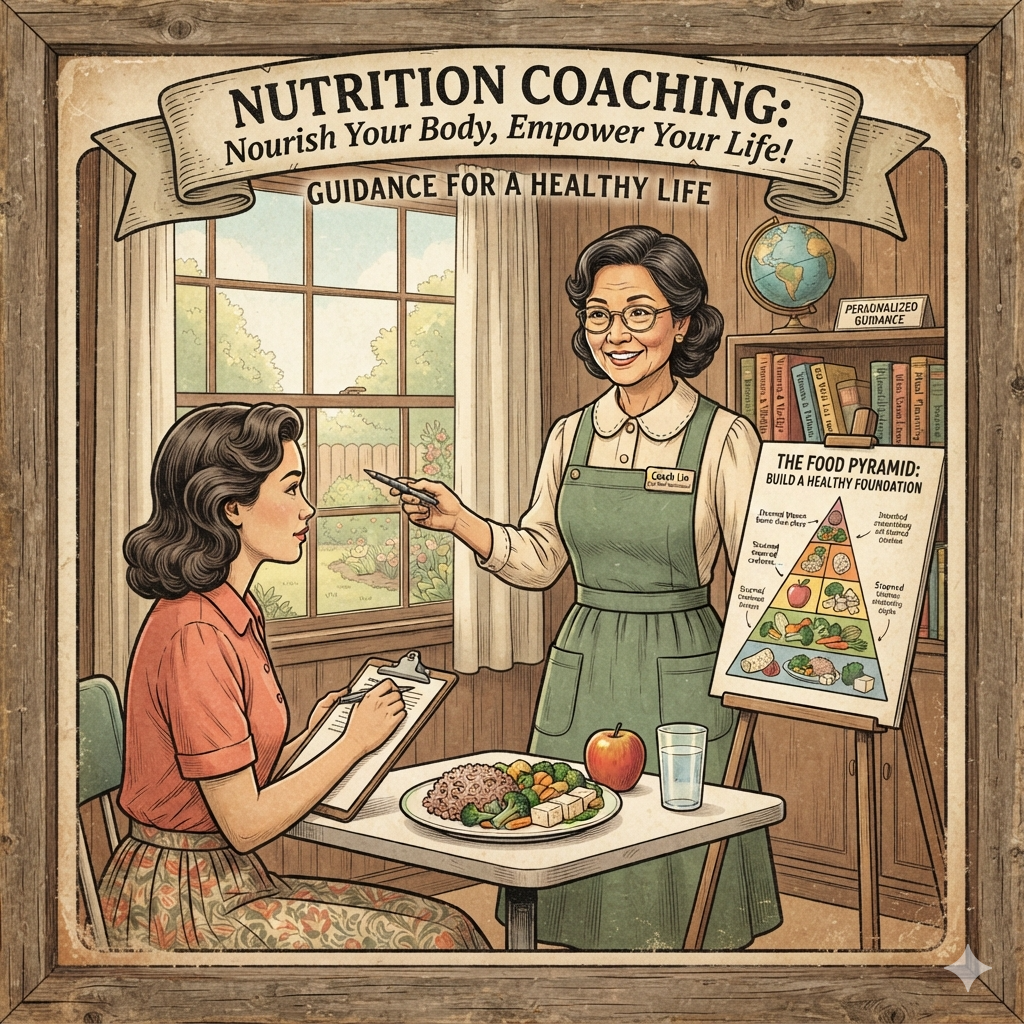
Program Content
Nutrition coaching supports generally healthy clients with healthy-eating education, goal setting, behavior change, and accountability. Medical nutrition therapy and disease-specific nutrition management require appropriately qualified professionals.
Nutrition coaching supports generally healthy clients with healthy-eating education, goal setting, behavior change, and accountability. Medical nutrition therapy and disease-specific nutrition management require appropriately qualified professionals.
Nutrition coaching supports generally healthy clients with healthy-eating education, goal setting, behavior change, and accountability. Medical nutrition therapy and disease-specific nutrition management require appropriately qualified professionals.
- Lesson 1: Overview
- Lesson 2: Professional Role
- Lesson 3: Applied Topic
- Lesson 4: Professional Role
- Lesson 5: Professional Role
- Lesson 6: Health
- Lesson 7: Applied Topic
- Lesson 8: Applied Topic
- Lesson 9: Professional Role
- Lesson 10: Application
Nutrition coaching supports generally healthy clients with healthy-eating education, goal setting, behavior change, and accountability. Medical nutrition therapy and disease-specific nutrition management require appropriately qualified professionals.
- Lesson 1: Anatomy
- Lesson 2: Applied Topic
- Lesson 3: Professional Role
- Lesson 4: Applied Topic
- Lesson 5: Nutrition
Nutrition coaching supports generally healthy clients with healthy-eating education, goal setting, behavior change, and accountability. Medical nutrition therapy and disease-specific nutrition management require appropriately qualified professionals.
- Lesson 1: Applied Topic
- Lesson 2: Applied Topic
- Lesson 3: Applied Topic
- Lesson 4: Nutrition
- Lesson 5: Nutrition
- Lesson 6: Applied Topic
- Lesson 7: Applied Topic
- Lesson 8: Applied Topic
- Lesson 9: Practical Training
Nutrition coaching supports generally healthy clients with healthy-eating education, goal setting, behavior change, and accountability. Medical nutrition therapy and disease-specific nutrition management require appropriately qualified professionals.
- Lesson 1: Nutrition
- Lesson 2: Nutrition
- Lesson 3: Nutrition
- Lesson 4: Nutrition
- Lesson 5: Nutrition
- Lesson 6: Nutrition
- Lesson 7: Professional Role
Nutrition coaching supports generally healthy clients with healthy-eating education, goal setting, behavior change, and accountability. Medical nutrition therapy and disease-specific nutrition management require appropriately qualified professionals.
- Lesson 1: Nutrition
- Lesson 2: Nutrition
- Lesson 3: Nutrition
- Lesson 4: Nutrition
- Lesson 5: Nutrition
- Lesson 6: Nutrition
- Lesson 7: Nutrition
Nutrition coaching supports generally healthy clients with healthy-eating education, goal setting, behavior change, and accountability. Medical nutrition therapy and disease-specific nutrition management require appropriately qualified professionals.
- Lesson 1: Applied Topic
- Lesson 2: Applied Topic
- Lesson 3: Communication Skills
- Lesson 4: Applied Topic
- Lesson 5: Applied Topic
- Lesson 6: Practical Training
Nutrition coaching supports generally healthy clients with healthy-eating education, goal setting, behavior change, and accountability. Medical nutrition therapy and disease-specific nutrition management require appropriately qualified professionals.
- Lesson 1: Nutrition
- Lesson 2: Applied Topic
- Lesson 3: Management
- Lesson 4: Applied Topic
- Lesson 5: Applied Topic
Nutrition coaching supports generally healthy clients with healthy-eating education, goal setting, behavior change, and accountability. Medical nutrition therapy and disease-specific nutrition management require appropriately qualified professionals.
- Lesson 1: Practical Training
- Lesson 2: Applied Topic
- Lesson 3: Applied Topic
- Lesson 4: Applied Topic
Training Philosophy
Nutrition coaching supports generally healthy clients with healthy-eating education, goal setting, behavior change, and accountability. Medical nutrition therapy and disease-specific nutrition management require appropriately qualified professionals.
Practical Training
- Nutrition coaching supports generally healthy clients with healthy-eating education, goal setting, behavior change, and accountability. Medical nutrition therapy and disease-specific nutrition management require appropriately qualified professionals.
- Nutrition
- Nutrition coaching supports generally healthy clients with healthy-eating education, goal setting, behavior change, and accountability. Medical nutrition therapy and disease-specific nutrition management require appropriately qualified professionals.
Behavior Change
- Nutrition
- Nutrition coaching supports generally healthy clients with healthy-eating education, goal setting, behavior change, and accountability. Medical nutrition therapy and disease-specific nutrition management require appropriately qualified professionals.

Program Topic
- Nutrition
- Foundations
Program Topic
- Nutrition
- Professional Role
Who Should Attend
Nutrition coaching supports generally healthy clients with healthy-eating education, goal setting, behavior change, and accountability. Medical nutrition therapy and disease-specific nutrition management require appropriately qualified professionals.
- Practical Training
- Lesson
- Nutrition coaching supports generally healthy clients with healthy-eating education, goal setting, behavior change, and accountability. Medical nutrition therapy and disease-specific nutrition management require appropriately qualified professionals.&Health
- Nutrition
- Nutrition coaching supports generally healthy clients with healthy-eating education, goal setting, behavior change, and accountability. Medical nutrition therapy and disease-specific nutrition management require appropriately qualified professionals.

Career Opportunities
Nutrition coaching supports generally healthy clients with healthy-eating education, goal setting, behavior change, and accountability. Medical nutrition therapy and disease-specific nutrition management require appropriately qualified professionals.
- Professional Role
- Nutrition
- Nutrition coaching supports generally healthy clients with healthy-eating education, goal setting, behavior change, and accountability. Medical nutrition therapy and disease-specific nutrition management require appropriately qualified professionals.
- Nutrition
- Nutrition
Distinctive Program Features
Program Topic
Nutrition coaching supports generally healthy clients with healthy-eating education, goal setting, behavior change, and accountability. Medical nutrition therapy and disease-specific nutrition management require appropriately qualified professionals.
Teaching Team
Nutrition coaching supports generally healthy clients with healthy-eating education, goal setting, behavior change, and accountability. Medical nutrition therapy and disease-specific nutrition management require appropriately qualified professionals.
Practical Training
Nutrition coaching supports generally healthy clients with healthy-eating education, goal setting, behavior change, and accountability. Medical nutrition therapy and disease-specific nutrition management require appropriately qualified professionals.
Program Topic
Nutrition coaching supports generally healthy clients with healthy-eating education, goal setting, behavior change, and accountability. Medical nutrition therapy and disease-specific nutrition management require appropriately qualified professionals.

Nutrition
Nutrition coaching supports generally healthy clients with healthy-eating education, goal setting, behavior change, and accountability. Medical nutrition therapy and disease-specific nutrition management require appropriately qualified professionals.
Nutrition coaching supports generally healthy clients with healthy-eating education, goal setting, behavior change, and accountability. Medical nutrition therapy and disease-specific nutrition management require appropriately qualified professionals.
Nutrition coaching supports generally healthy clients with healthy-eating education, goal setting, behavior change, and accountability. Medical nutrition therapy and disease-specific nutrition management require appropriately qualified professionals.
Course Schedule
| Course | Start Date |
| K09 -HLVDD & HLVSK | 21-09-2026 |