



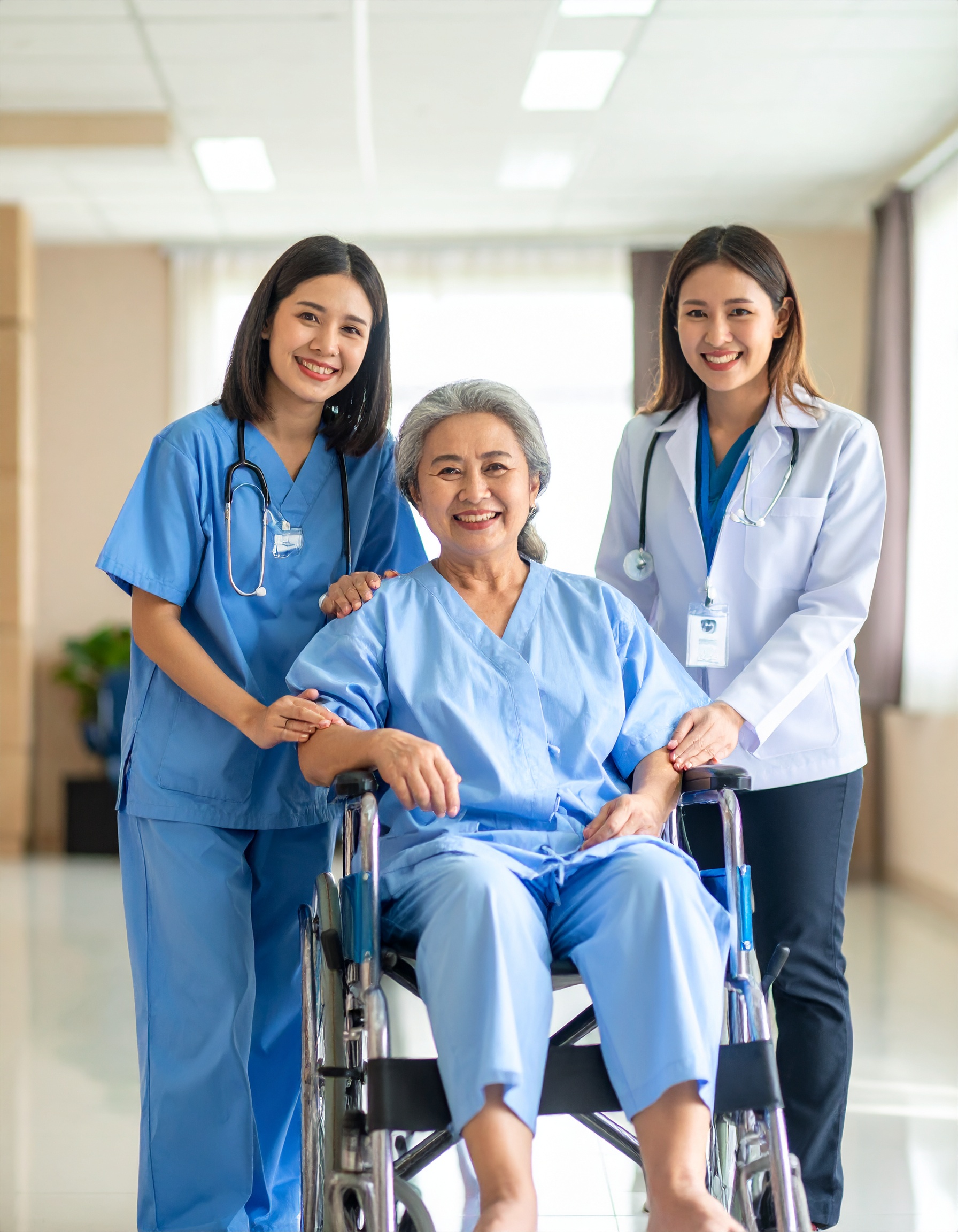
Post-Stroke Rehabilitation Techniques
Post-stroke rehabilitation education covers supportive rehabilitation principles, safety, function, mobility, communication, and recognition of complications. Stroke rehabilitation requires individualized management by qualified medical and rehabilitation professionals.
Post-stroke rehabilitation education covers supportive rehabilitation principles, safety, function, mobility, communication, and recognition of complications. Stroke rehabilitation requires individualized management by qualified medical and rehabilitation professionals.
Post-stroke rehabilitation education covers supportive rehabilitation principles, safety, function, mobility, communication, and recognition of complications. Stroke rehabilitation requires individualized management by qualified medical and rehabilitation professionals.
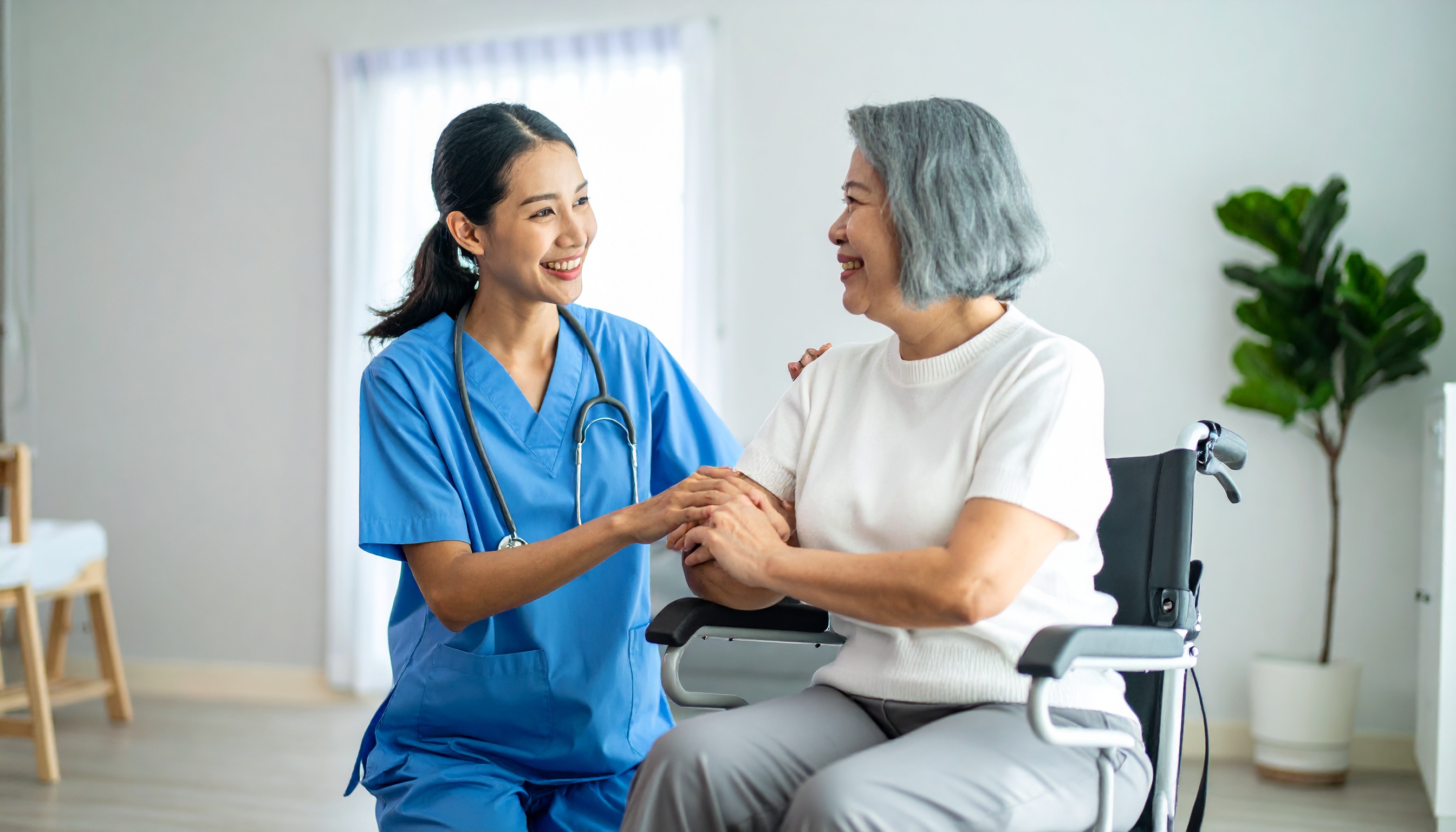

Post-stroke rehabilitation education covers supportive rehabilitation principles, safety, function, mobility, communication, and recognition of complications. Stroke rehabilitation requires individualized management by qualified medical and rehabilitation professionals.
Post-stroke rehabilitation education covers supportive rehabilitation principles, safety, function, mobility, communication, and recognition of complications. Stroke rehabilitation requires individualized management by qualified medical and rehabilitation professionals.

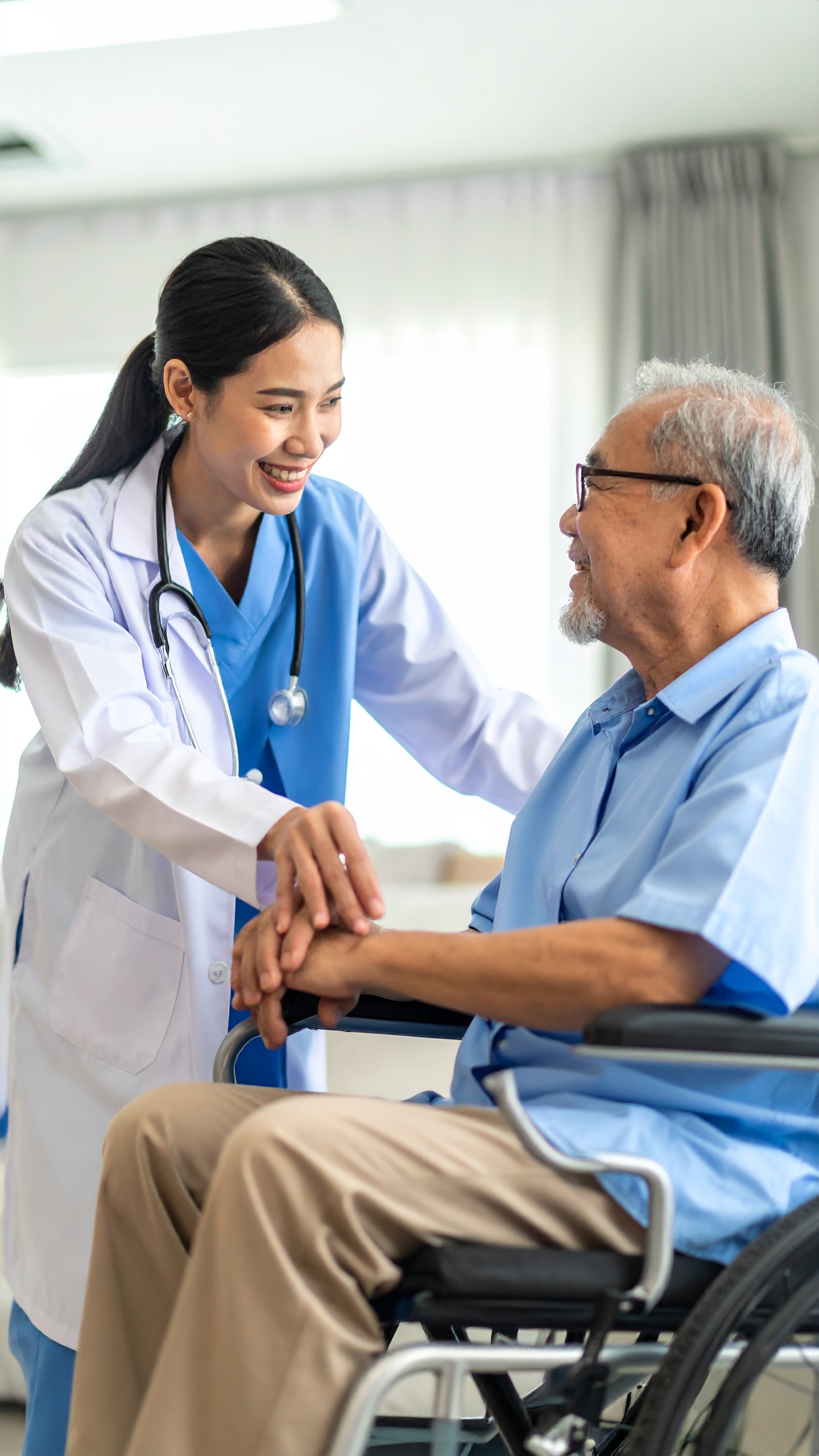
Learning Objectives
Post-stroke rehabilitation education covers supportive rehabilitation principles, safety, function, mobility, communication, and recognition of complications. Stroke rehabilitation requires individualized management by qualified medical and rehabilitation professionals.
- Stage
- Practical Training
- Stage
- Post-stroke rehabilitation education covers supportive rehabilitation principles, safety, function, mobility, communication, and recognition of complications. Stroke rehabilitation requires individualized management by qualified medical and rehabilitation professionals.
- Professional Ethics
Post-stroke rehabilitation education covers supportive rehabilitation principles, safety, function, mobility, communication, and recognition of complications. Stroke rehabilitation requires individualized management by qualified medical and rehabilitation professionals.


Stroke
Post-stroke rehabilitation education covers supportive rehabilitation principles, safety, function, mobility, communication, and recognition of complications. Stroke rehabilitation requires individualized management by qualified medical and rehabilitation professionals.
- Stroke
- Post-stroke rehabilitation education covers supportive rehabilitation principles, safety, function, mobility, communication, and recognition of complications. Stroke rehabilitation requires individualized management by qualified medical and rehabilitation professionals.
- Health
- Stroke
- Post-stroke rehabilitation education covers supportive rehabilitation principles, safety, function, mobility, communication, and recognition of complications. Stroke rehabilitation requires individualized management by qualified medical and rehabilitation professionals.


Duration
Post-stroke rehabilitation education covers supportive rehabilitation principles, safety, function, mobility, communication, and recognition of complications. Stroke rehabilitation requires individualized management by qualified medical and rehabilitation professionals.
- Learning Format
- Practical Training
- Techniques
- Lesson
Post-stroke rehabilitation education covers supportive rehabilitation principles, safety, function, mobility, communication, and recognition of complications. Stroke rehabilitation requires individualized management by qualified medical and rehabilitation professionals.
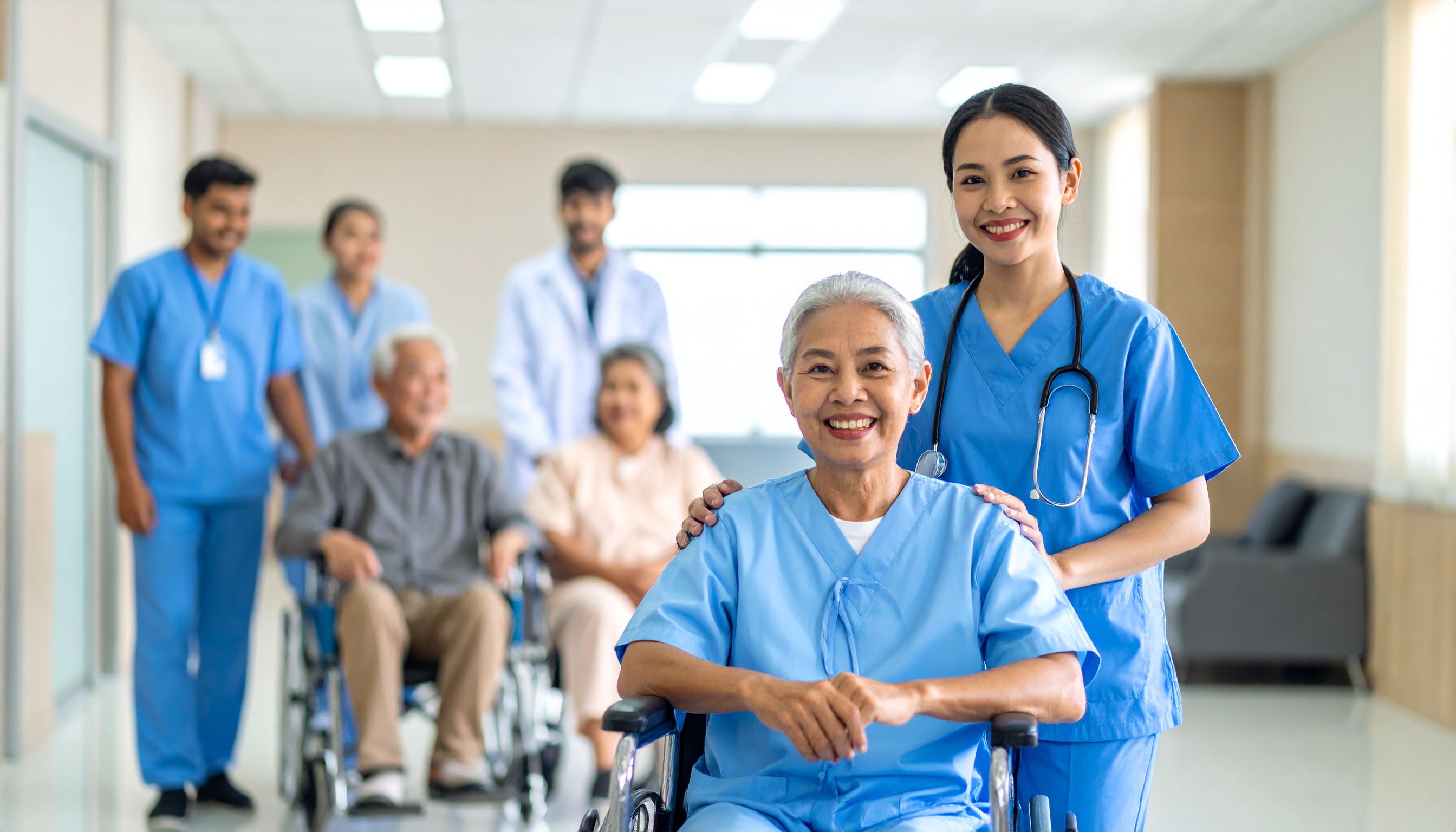

Program Content
Post-stroke rehabilitation education covers supportive rehabilitation principles, safety, function, mobility, communication, and recognition of complications. Stroke rehabilitation requires individualized management by qualified medical and rehabilitation professionals.
Post-stroke rehabilitation education covers supportive rehabilitation principles, safety, function, mobility, communication, and recognition of complications. Stroke rehabilitation requires individualized management by qualified medical and rehabilitation professionals.
Post-stroke rehabilitation education covers supportive rehabilitation principles, safety, function, mobility, communication, and recognition of complications. Stroke rehabilitation requires individualized management by qualified medical and rehabilitation professionals.
- Lesson 1: Anatomy
- Lesson 2: Stroke
- Lesson 3: Stroke
- Lesson 4: Objectives
- Lesson 5: Professional Role
Post-stroke rehabilitation education covers supportive rehabilitation principles, safety, function, mobility, communication, and recognition of complications. Stroke rehabilitation requires individualized management by qualified medical and rehabilitation professionals.
- Lesson 1: Assessment
- Lesson 2: Assessment
- Lesson 3: Assessment
- Lesson 4: Applied Topic
- Lesson 5: Applied Topic
Post-stroke rehabilitation education covers supportive rehabilitation principles, safety, function, mobility, communication, and recognition of complications. Stroke rehabilitation requires individualized management by qualified medical and rehabilitation professionals.
- Lesson 1: Applied Topic
- Lesson 2: Techniques
- Lesson 3: Lesson
- Lesson 4: Applied Topic
- Lesson 5: Basic
- Lesson 6: Practical Training
Post-stroke rehabilitation education covers supportive rehabilitation principles, safety, function, mobility, communication, and recognition of complications. Stroke rehabilitation requires individualized management by qualified medical and rehabilitation professionals.
- Lesson 1: Stroke
- Lesson 2: Applied Topic
- Lesson 3: Applied Topic
- Lesson 4: Application
- Lesson 5: Applied Topic
Post-stroke rehabilitation education covers supportive rehabilitation principles, safety, function, mobility, communication, and recognition of complications. Stroke rehabilitation requires individualized management by qualified medical and rehabilitation professionals.
- Lesson 1: Assessment
- Lesson 2: Techniques
- Lesson 3: Applied Topic
- Lesson 4: Applied Topic
- Lesson 5: Safety
Post-stroke rehabilitation education covers supportive rehabilitation principles, safety, function, mobility, communication, and recognition of complications. Stroke rehabilitation requires individualized management by qualified medical and rehabilitation professionals.
- Lesson 1: Applied Topic
- Lesson 2: Applied Topic
- Lesson 3: Application
- Lesson 4: Applied Topic
- Lesson 5: Applied Topic
Program Topic
Post-stroke rehabilitation education covers supportive rehabilitation principles, safety, function, mobility, communication, and recognition of complications. Stroke rehabilitation requires individualized management by qualified medical and rehabilitation professionals.
- Practical Training
- Post-stroke rehabilitation education covers supportive rehabilitation principles, safety, function, mobility, communication, and recognition of complications. Stroke rehabilitation requires individualized management by qualified medical and rehabilitation professionals.
- Practical Training
- Post-stroke rehabilitation education covers supportive rehabilitation principles, safety, function, mobility, communication, and recognition of complications. Stroke rehabilitation requires individualized management by qualified medical and rehabilitation professionals.
- Assessment
Post-stroke rehabilitation education covers supportive rehabilitation principles, safety, function, mobility, communication, and recognition of complications. Stroke rehabilitation requires individualized management by qualified medical and rehabilitation professionals.

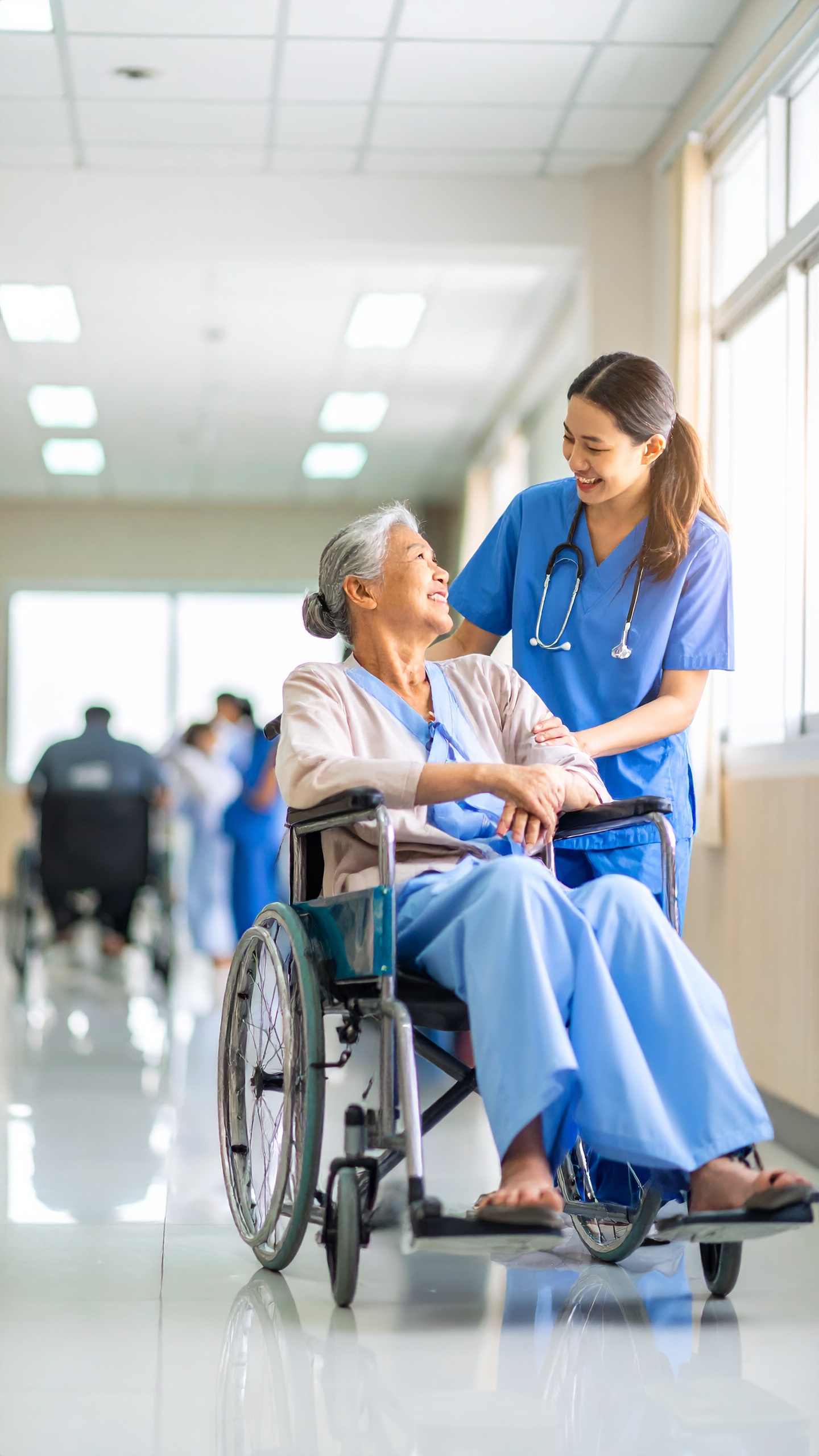
Program Topic
Post-stroke rehabilitation education covers supportive rehabilitation principles, safety, function, mobility, communication, and recognition of complications. Stroke rehabilitation requires individualized management by qualified medical and rehabilitation professionals.
Post-stroke rehabilitation education covers supportive rehabilitation principles, safety, function, mobility, communication, and recognition of complications. Stroke rehabilitation requires individualized management by qualified medical and rehabilitation professionals.
Post-stroke rehabilitation education covers supportive rehabilitation principles, safety, function, mobility, communication, and recognition of complications. Stroke rehabilitation requires individualized management by qualified medical and rehabilitation professionals.
Post-stroke rehabilitation education covers supportive rehabilitation principles, safety, function, mobility, communication, and recognition of complications. Stroke rehabilitation requires individualized management by qualified medical and rehabilitation professionals.
Post-stroke rehabilitation education covers supportive rehabilitation principles, safety, function, mobility, communication, and recognition of complications. Stroke rehabilitation requires individualized management by qualified medical and rehabilitation professionals.
Post-stroke rehabilitation education covers supportive rehabilitation principles, safety, function, mobility, communication, and recognition of complications. Stroke rehabilitation requires individualized management by qualified medical and rehabilitation professionals.
Program Topic
Post-stroke rehabilitation education covers supportive rehabilitation principles, safety, function, mobility, communication, and recognition of complications. Stroke rehabilitation requires individualized management by qualified medical and rehabilitation professionals.
- Post-stroke rehabilitation education covers supportive rehabilitation principles, safety, function, mobility, communication, and recognition of complications. Stroke rehabilitation requires individualized management by qualified medical and rehabilitation professionals.
- Practical Training
- Practical Application
- Career Development
- Teaching Team
- Post-stroke rehabilitation education covers supportive rehabilitation principles, safety, function, mobility, communication, and recognition of complications. Stroke rehabilitation requires individualized management by qualified medical and rehabilitation professionals.


Stroke
Program Topic
Post-stroke rehabilitation education covers supportive rehabilitation principles, safety, function, mobility, communication, and recognition of complications. Stroke rehabilitation requires individualized management by qualified medical and rehabilitation professionals.
Program Topic
Post-stroke rehabilitation education covers supportive rehabilitation principles, safety, function, mobility, communication, and recognition of complications. Stroke rehabilitation requires individualized management by qualified medical and rehabilitation professionals.
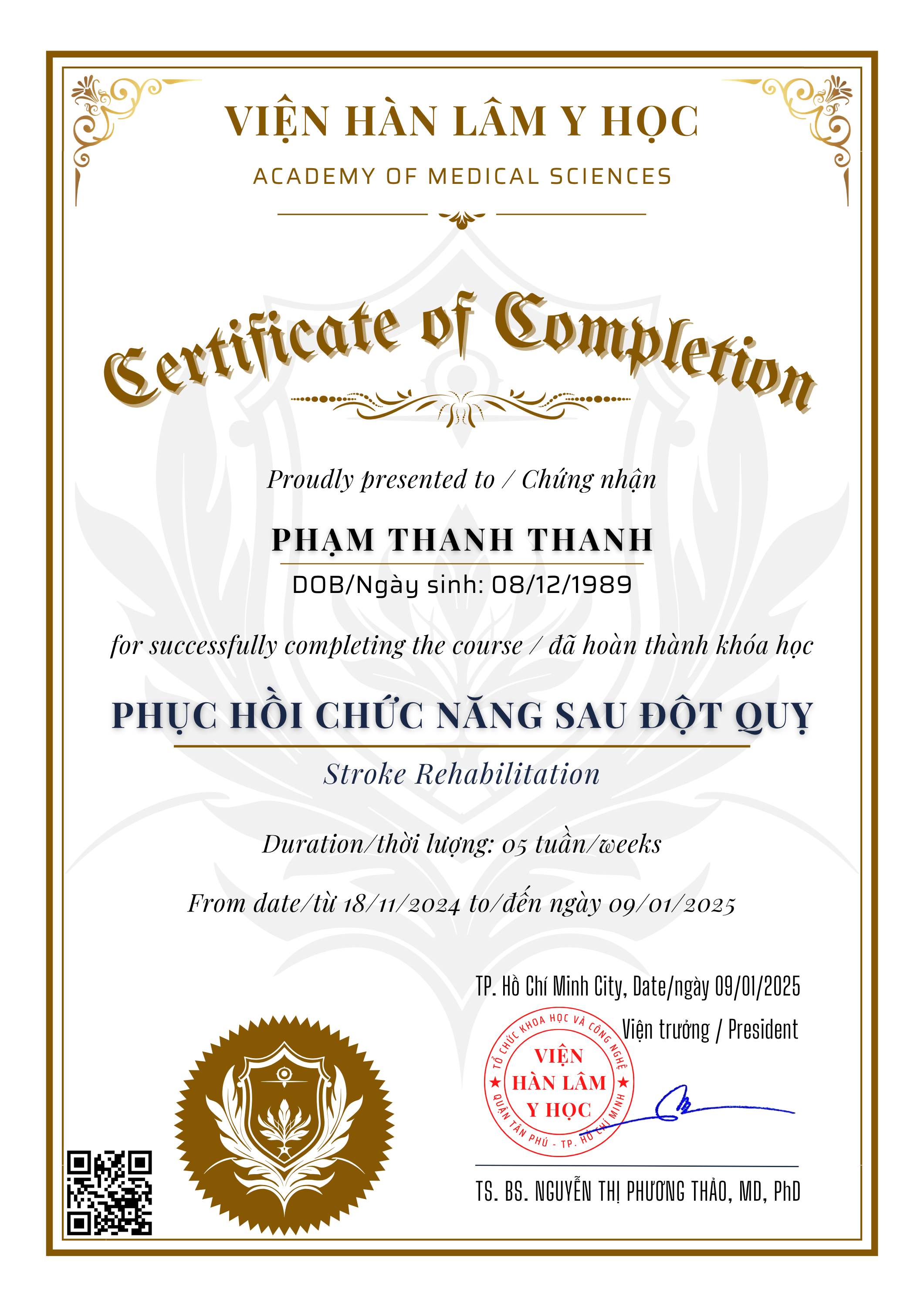
Certification
Post-stroke rehabilitation education covers supportive rehabilitation principles, safety, function, mobility, communication, and recognition of complications. Stroke rehabilitation requires individualized management by qualified medical and rehabilitation professionals.
Program Topic
Post-stroke rehabilitation education covers supportive rehabilitation principles, safety, function, mobility, communication, and recognition of complications. Stroke rehabilitation requires individualized management by qualified medical and rehabilitation professionals.


Career Opportunities
Post-stroke rehabilitation education covers supportive rehabilitation principles, safety, function, mobility, communication, and recognition of complications. Stroke rehabilitation requires individualized management by qualified medical and rehabilitation professionals.
Post-stroke rehabilitation education covers supportive rehabilitation principles, safety, function, mobility, communication, and recognition of complications. Stroke rehabilitation requires individualized management by qualified medical and rehabilitation professionals.
Post-stroke rehabilitation education covers supportive rehabilitation principles, safety, function, mobility, communication, and recognition of complications. Stroke rehabilitation requires individualized management by qualified medical and rehabilitation professionals.
Course Schedule