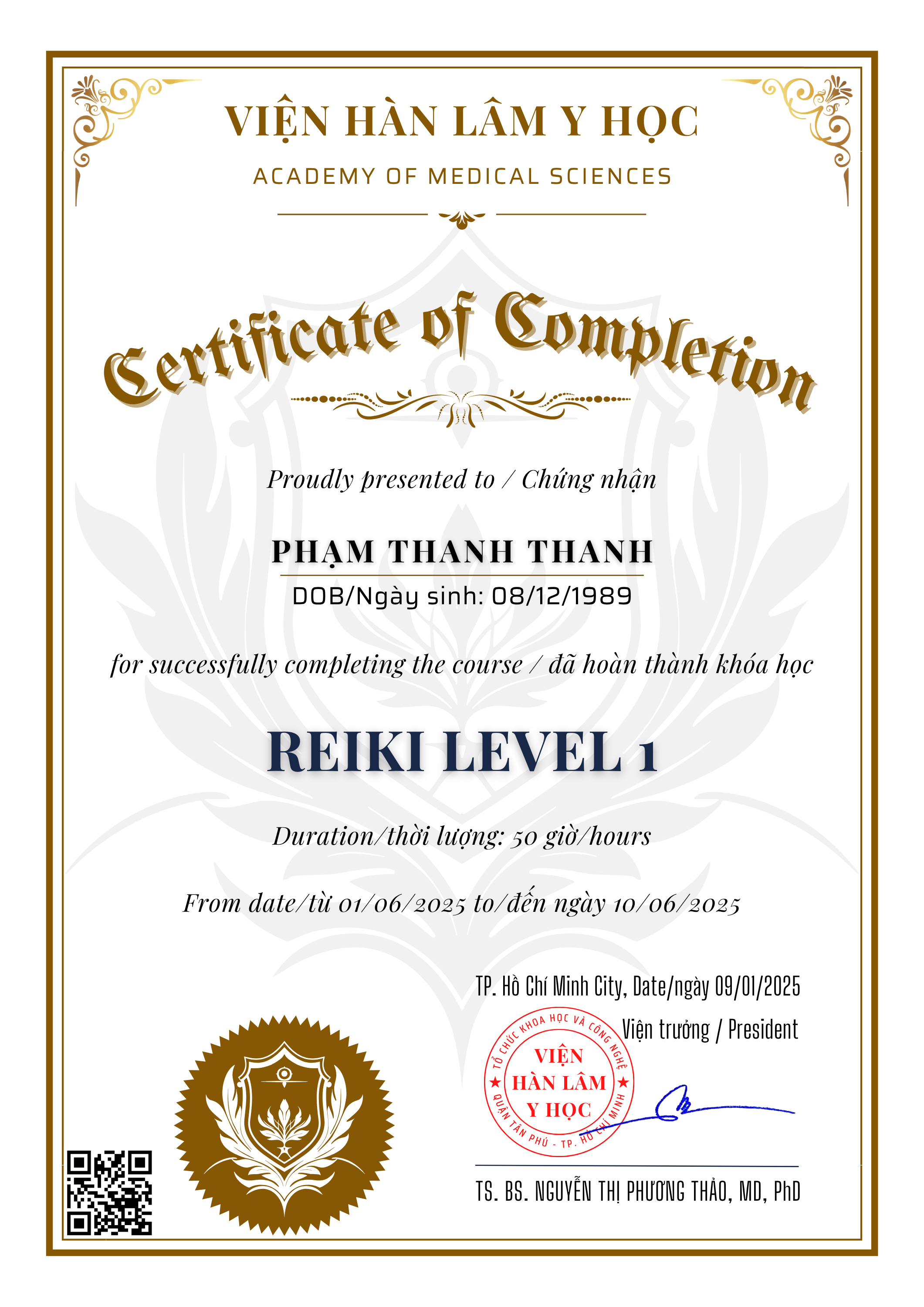
Reiki Level 1
Reiki training is presented as a complementary wellness and spiritual practice with attention to consent, ethics, and practitioner conduct. Reiki energy mechanisms are not established biomedical facts and Reiki should not replace evidence-based healthcare.
Reiki training is presented as a complementary wellness and spiritual practice with attention to consent, ethics, and practitioner conduct. Reiki energy mechanisms are not established biomedical facts and Reiki should not replace evidence-based healthcare.
Reiki training is presented as a complementary wellness and spiritual practice with attention to consent, ethics, and practitioner conduct. Reiki energy mechanisms are not established biomedical facts and Reiki should not replace evidence-based healthcare.


Program Topic
Reiki training is presented as a complementary wellness and spiritual practice with attention to consent, ethics, and practitioner conduct. Reiki energy mechanisms are not established biomedical facts and Reiki should not replace evidence-based healthcare.
Reiki training is presented as a complementary wellness and spiritual practice with attention to consent, ethics, and practitioner conduct. Reiki energy mechanisms are not established biomedical facts and Reiki should not replace evidence-based healthcare.
Program Topic
Reiki training is presented as a complementary wellness and spiritual practice with attention to consent, ethics, and practitioner conduct. Reiki energy mechanisms are not established biomedical facts and Reiki should not replace evidence-based healthcare.
- Practical Training
- Health
- Reiki training is presented as a complementary wellness and spiritual practice with attention to consent, ethics, and practitioner conduct. Reiki energy mechanisms are not established biomedical facts and Reiki should not replace evidence-based healthcare.
- Reiki training is presented as a complementary wellness and spiritual practice with attention to consent, ethics, and practitioner conduct. Reiki energy mechanisms are not established biomedical facts and Reiki should not replace evidence-based healthcare.
- Meditation


Program Content
Reiki training is presented as a complementary wellness and spiritual practice with attention to consent, ethics, and practitioner conduct. Reiki energy mechanisms are not established biomedical facts and Reiki should not replace evidence-based healthcare.
Reiki training is presented as a complementary wellness and spiritual practice with attention to consent, ethics, and practitioner conduct. Reiki energy mechanisms are not established biomedical facts and Reiki should not replace evidence-based healthcare.
Reiki training is presented as a complementary wellness and spiritual practice with attention to consent, ethics, and practitioner conduct. Reiki energy mechanisms are not established biomedical facts and Reiki should not replace evidence-based healthcare.
- Practical Training
- Reiki training is presented as a complementary wellness and spiritual practice with attention to consent, ethics, and practitioner conduct. Reiki energy mechanisms are not established biomedical facts and Reiki should not replace evidence-based healthcare.
- Reiki training is presented as a complementary wellness and spiritual practice with attention to consent, ethics, and practitioner conduct. Reiki energy mechanisms are not established biomedical facts and Reiki should not replace evidence-based healthcare.
- Advanced
Reiki training is presented as a complementary wellness and spiritual practice with attention to consent, ethics, and practitioner conduct. Reiki energy mechanisms are not established biomedical facts and Reiki should not replace evidence-based healthcare.
- Lesson 1: Applied Topic
- Lesson 2: Applied Topic
- Lesson 3: Applied Topic
- Lesson 4: Applied Topic
Reiki training is presented as a complementary wellness and spiritual practice with attention to consent, ethics, and practitioner conduct. Reiki energy mechanisms are not established biomedical facts and Reiki should not replace evidence-based healthcare.
- Lesson 1: Application
- Lesson 2: Practical Training
- Lesson 3: Applied Topic
- Lesson 4: Applied Topic
Reiki training is presented as a complementary wellness and spiritual practice with attention to consent, ethics, and practitioner conduct. Reiki energy mechanisms are not established biomedical facts and Reiki should not replace evidence-based healthcare.
- Lesson 1: Applied Topic
- Lesson 2: Practical Training
- Lesson 3: Applied Topic
- Lesson 4: Meditation
Reiki training is presented as a complementary wellness and spiritual practice with attention to consent, ethics, and practitioner conduct. Reiki energy mechanisms are not established biomedical facts and Reiki should not replace evidence-based healthcare.
- Lesson 1: Practical Training
- Lesson 2: Duration
- Lesson 3: Techniques
- Lesson 4: Practical Training
Reiki training is presented as a complementary wellness and spiritual practice with attention to consent, ethics, and practitioner conduct. Reiki energy mechanisms are not established biomedical facts and Reiki should not replace evidence-based healthcare.
- Lesson 1: Process
- Lesson 2: Applied Topic
- Lesson 3: Applied Topic
- Lesson 4: Applied Topic


Program Topic
Reiki training is presented as a complementary wellness and spiritual practice with attention to consent, ethics, and practitioner conduct. Reiki energy mechanisms are not established biomedical facts and Reiki should not replace evidence-based healthcare.


Program Topic
Reiki training is presented as a complementary wellness and spiritual practice with attention to consent, ethics, and practitioner conduct. Reiki energy mechanisms are not established biomedical facts and Reiki should not replace evidence-based healthcare.
Reiki training is presented as a complementary wellness and spiritual practice with attention to consent, ethics, and practitioner conduct. Reiki energy mechanisms are not established biomedical facts and Reiki should not replace evidence-based healthcare.
Reiki training is presented as a complementary wellness and spiritual practice with attention to consent, ethics, and practitioner conduct. Reiki energy mechanisms are not established biomedical facts and Reiki should not replace evidence-based healthcare.
Reiki training is presented as a complementary wellness and spiritual practice with attention to consent, ethics, and practitioner conduct. Reiki energy mechanisms are not established biomedical facts and Reiki should not replace evidence-based healthcare.
Reiki training is presented as a complementary wellness and spiritual practice with attention to consent, ethics, and practitioner conduct. Reiki energy mechanisms are not established biomedical facts and Reiki should not replace evidence-based healthcare.
Reiki training is presented as a complementary wellness and spiritual practice with attention to consent, ethics, and practitioner conduct. Reiki energy mechanisms are not established biomedical facts and Reiki should not replace evidence-based healthcare.
Reiki training is presented as a complementary wellness and spiritual practice with attention to consent, ethics, and practitioner conduct. Reiki energy mechanisms are not established biomedical facts and Reiki should not replace evidence-based healthcare.
Reiki training is presented as a complementary wellness and spiritual practice with attention to consent, ethics, and practitioner conduct. Reiki energy mechanisms are not established biomedical facts and Reiki should not replace evidence-based healthcare.
Program Topic
Reiki training is presented as a complementary wellness and spiritual practice with attention to consent, ethics, and practitioner conduct. Reiki energy mechanisms are not established biomedical facts and Reiki should not replace evidence-based healthcare.


Program Topic
Reiki training is presented as a complementary wellness and spiritual practice with attention to consent, ethics, and practitioner conduct. Reiki energy mechanisms are not established biomedical facts and Reiki should not replace evidence-based healthcare.
Certification
Reiki training is presented as a complementary wellness and spiritual practice with attention to consent, ethics, and practitioner conduct. Reiki energy mechanisms are not established biomedical facts and Reiki should not replace evidence-based healthcare.
Program Topic
Reiki training is presented as a complementary wellness and spiritual practice with attention to consent, ethics, and practitioner conduct. Reiki energy mechanisms are not established biomedical facts and Reiki should not replace evidence-based healthcare.
Program Topic
- Practical Training
- Reiki training is presented as a complementary wellness and spiritual practice with attention to consent, ethics, and practitioner conduct. Reiki energy mechanisms are not established biomedical facts and Reiki should not replace evidence-based healthcare.
- Reiki training is presented as a complementary wellness and spiritual practice with attention to consent, ethics, and practitioner conduct. Reiki energy mechanisms are not established biomedical facts and Reiki should not replace evidence-based healthcare.
- Health


Program Topic
Reiki training is presented as a complementary wellness and spiritual practice with attention to consent, ethics, and practitioner conduct. Reiki energy mechanisms are not established biomedical facts and Reiki should not replace evidence-based healthcare.
Reiki training is presented as a complementary wellness and spiritual practice with attention to consent, ethics, and practitioner conduct. Reiki energy mechanisms are not established biomedical facts and Reiki should not replace evidence-based healthcare.
Course Schedule