
Cosmetic Products You Can Learn to Formulate in a Cosmetic Formulation Course
A Cosmetic Formulation course can introduce learners to moisturizers, cleansers, serums, masks, exfoliants, soaps, hair-care products, makeup, solid perfumes, body balms, and other personal-care formulations, with emphasis on ingredient safety, preservation, stability, and quality.
Cosmetics span many product categories for skin, hair, body, and personal care. The Cosmetic Formulation course at the Academy of Medical Sciences, Vietnam can introduce learners to a range of formulation types while emphasizing ingredient function, safe handling, preservation, stability, quality, and responsible product development.
1. Moisturizers
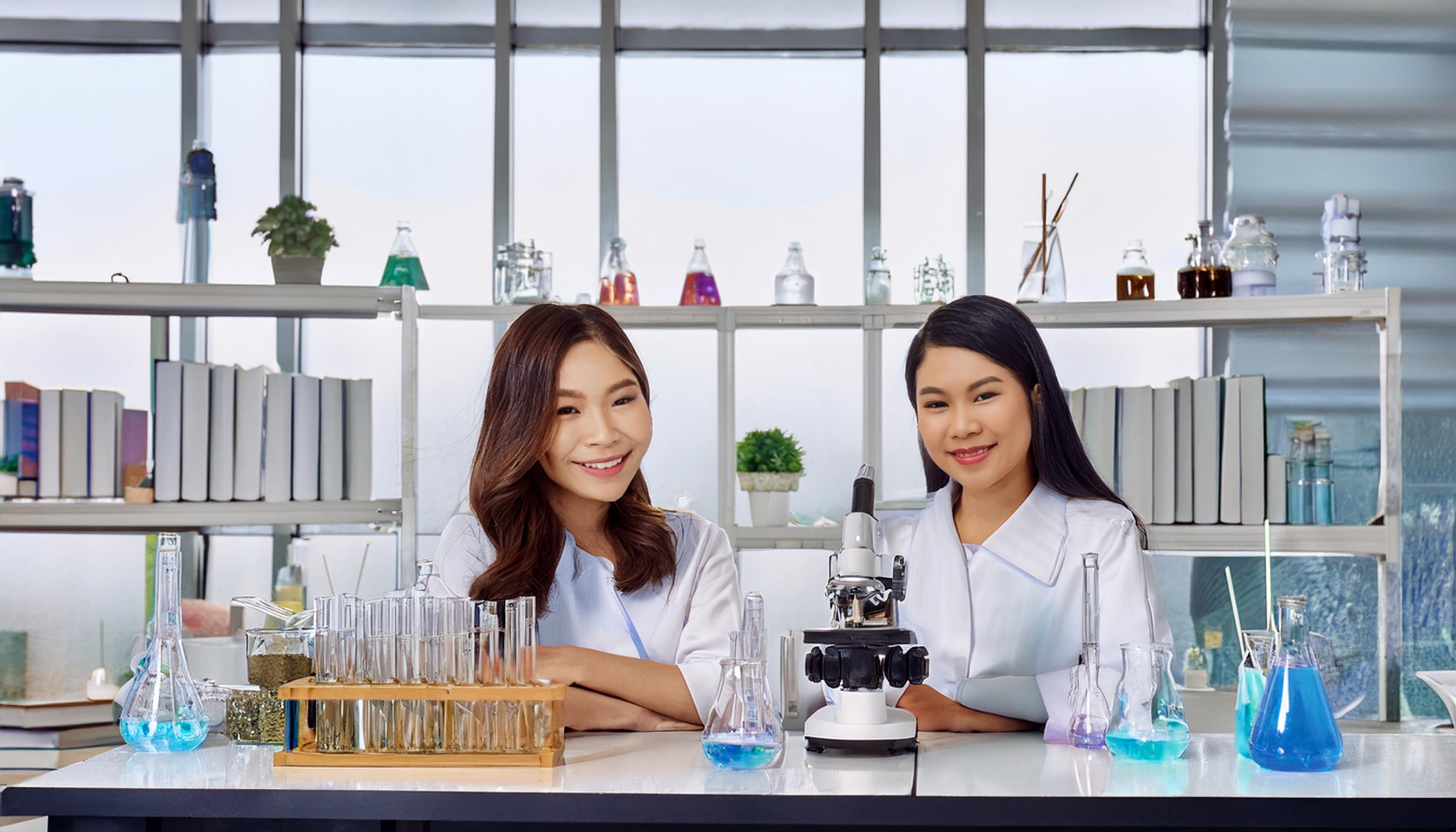
Moisturizers are designed to support skin hydration and barrier function. Learners may explore ingredients such as:
- Shea butter: An emollient commonly used to soften and condition the skin.
- Coconut oil: An emollient used in some skin and body-care formulations; suitability varies by product and skin type.
- Essential oils or fragrance materials: May provide scent or other sensory characteristics but require careful concentration, allergen, irritation, and safety considerations.
Learners can study how ingredient ratios, emulsifier systems, humectants, emollients, preservatives, and pH influence formulas intended for different product concepts.

2. Cleansers
Cleansers are designed to remove dirt, oil, makeup, and other materials while minimizing unnecessary disruption to the skin. Training may explore ingredients such as:
- Aloe-based ingredients: Commonly used for soothing or moisturizing sensory properties in cosmetic products.
- Honey or honey-derived ingredients: Used in some formulations, with preservation and contamination considerations depending on product design.
- Cosmetic clays: Used in cleansing masks and selected cleansers for oil-absorbing or sensory properties.
Formulas can be adjusted for different cleansing goals, but acne, dermatitis, persistent dryness, or other skin conditions should not be treated through cosmetic formulation alone.
3. Serums
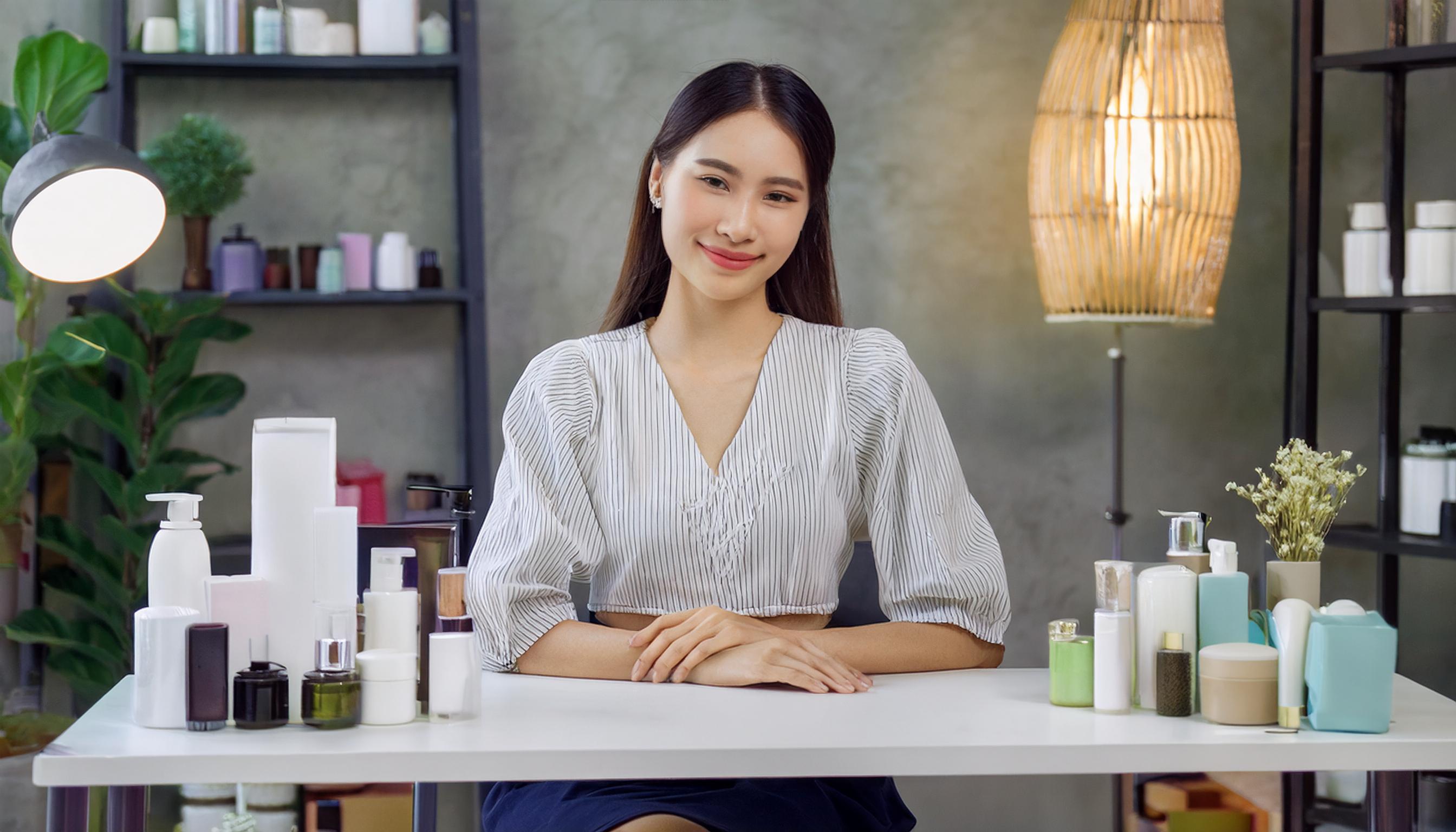
Serums are concentrated cosmetic formats that may target hydration, appearance of uneven tone, texture, or signs of skin aging. Learners may study ingredients such as:
- Vitamin C and derivatives: Used in cosmetic products for antioxidant and appearance-related benefits; stability depends strongly on the specific form and formula.
- Niacinamide: A widely used cosmetic ingredient that can support skin-barrier function and improve the appearance of uneven tone or oiliness.
- Hyaluronic acid: A humectant used to support skin hydration.
Training should also address pH, oxidation, ingredient compatibility, packaging, preservation, and stability so that formulas maintain acceptable quality.
4. Face Masks
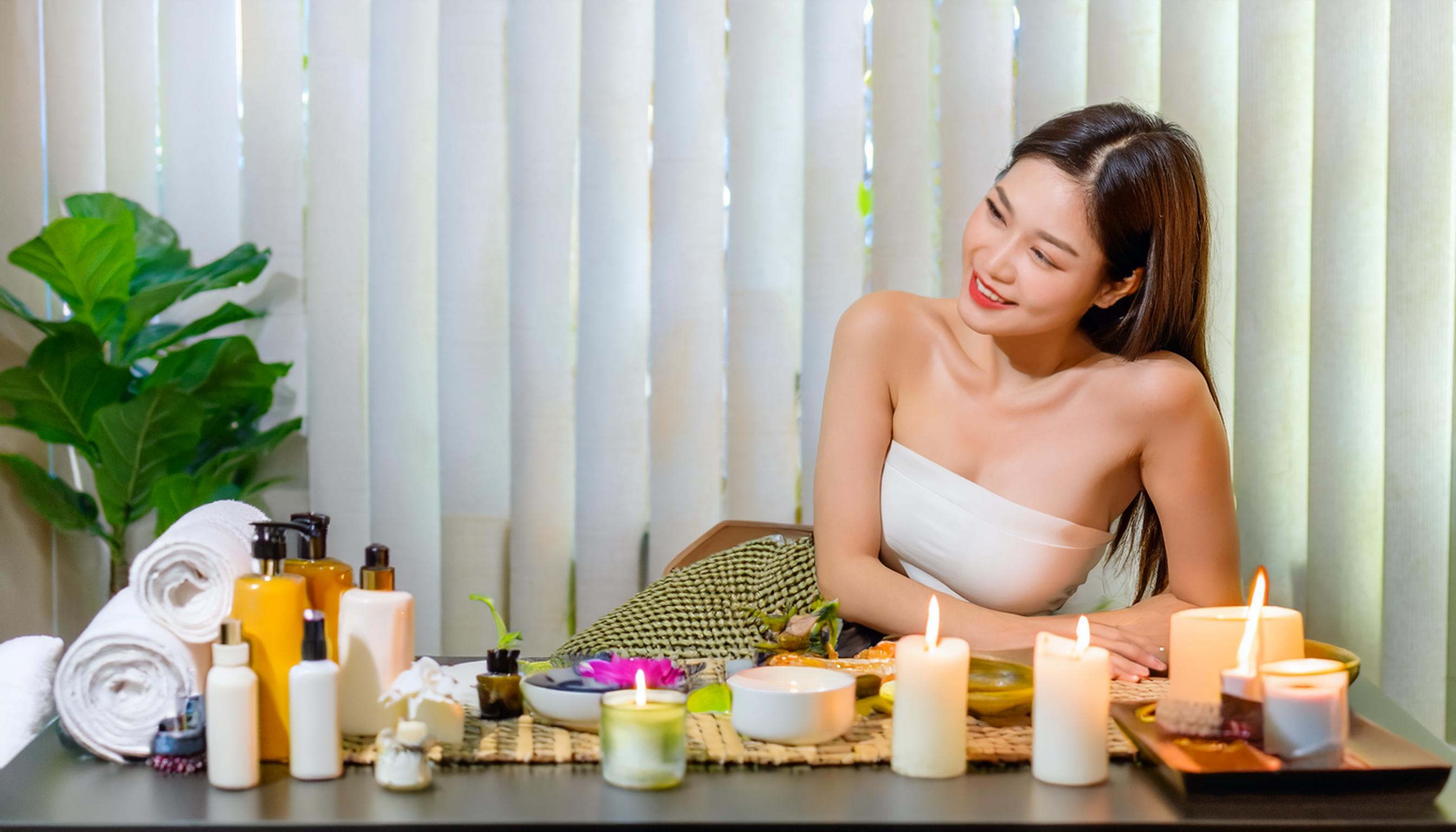
Face masks can be formulated for cleansing, hydration, soothing, or other cosmetic purposes. Learners may explore clays, botanical materials, humectants, emollients, and other suitable ingredients.
- Turmeric-derived ingredients: May be explored for color or botanical positioning, subject to formulation suitability and evidence.
- Green-tea-derived ingredients: Used in cosmetics for antioxidant-related positioning and sensory benefits.
- Yogurt-derived or lactic ingredients: May influence skin feel or exfoliation, but raw food ingredients create preservation and contamination challenges in cosmetic products.
5. Exfoliators
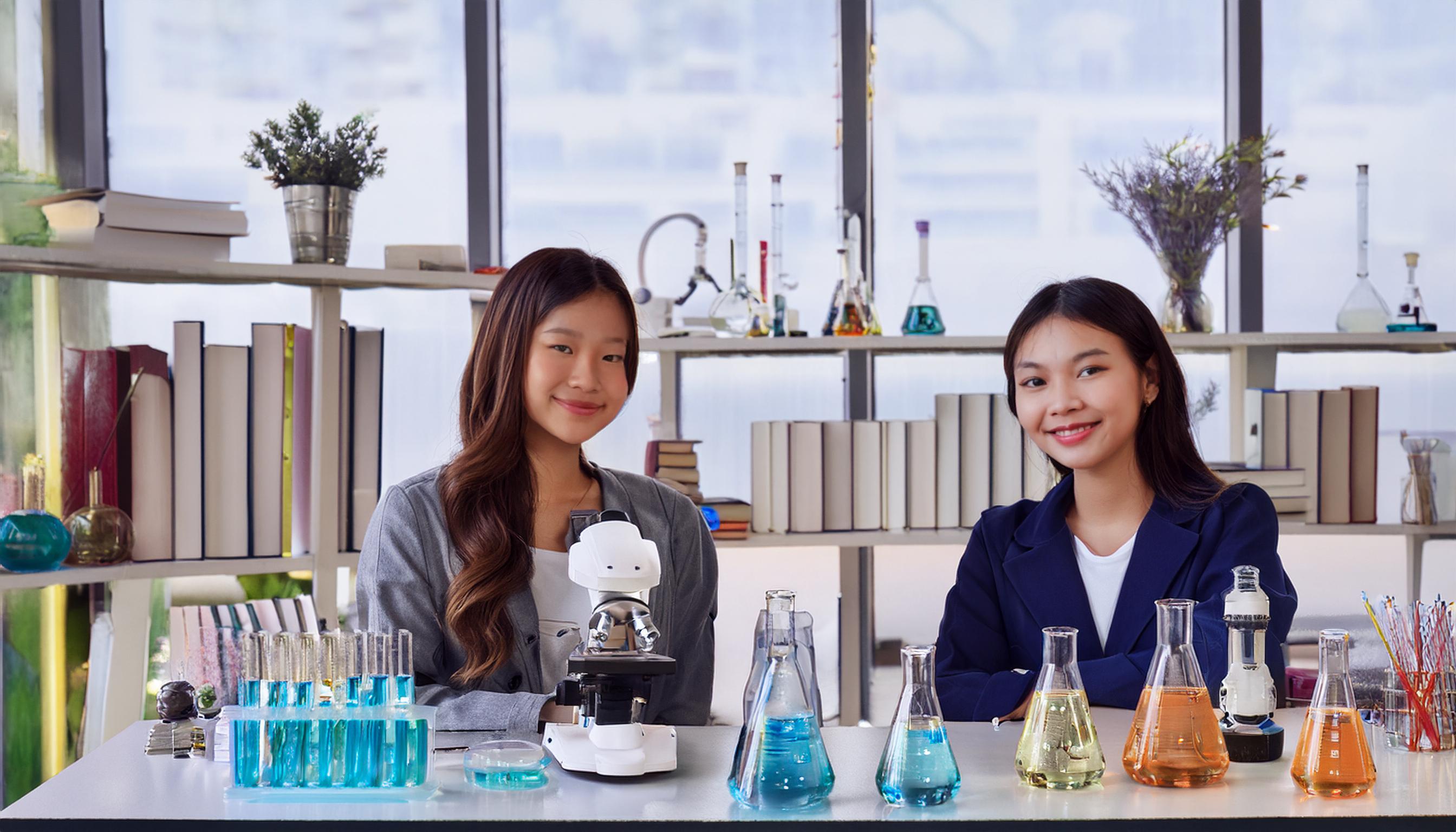
Exfoliating products remove surface dead skin cells through physical or chemical mechanisms. Training may explore suitable particles or exfoliating ingredients while emphasizing particle size, concentration, frequency of use, irritation risk, and skin compatibility.
- Sugar-based particles: Can be used in some body exfoliants when particle characteristics and use are appropriate.
- Ground coffee: Sometimes used in rinse-off body scrubs, though claims about circulation or skin regeneration should not be overstated.
- Salt: Used in selected body scrubs, with attention to abrasiveness and irritation.

6. Handmade Soaps
Learners may study soap-making with vegetable oils and alkali, together with fragrance or other suitable ingredients. Soap formulation requires accurate calculations, protective equipment, safe handling of caustic materials, curing, labeling, and quality control.
7. Hair-Care Products
Hair-care formulation may include:
- Shampoos: Formulated with suitable surfactants and conditioning ingredients; botanical extracts may be included without unsupported hair-growth claims.
- Conditioners: May contain conditioning agents, emollients, proteins, or oils appropriate to the product.
- Hair serums: Designed to improve shine, manageability, or protection from certain types of cosmetic damage.

8. Makeup Products
Learners interested in color cosmetics may explore introductory formulations such as:
- Tinted lip balms: Combining suitable waxes, oils, and cosmetic-grade colorants.
- Foundation concepts: Using cosmetic-grade pigments, powders, binders, and emollients to develop complexion products.
- Mascara concepts: Requiring particular attention to eye-area safety, microbiological quality, approved colorants, preservation, and packaging.
9. Solid Perfumes & Body Balms
With instructor guidance, learners may explore solid perfumes and body balms using materials such as waxes, butters, oils, and permitted fragrance ingredients, while considering allergen labeling, concentration limits, and stability.

10. Body-Care Products
Body-care formulation may include:
- Massage oils: Oil-based products designed to provide slip and sensory comfort.
- Sun-care concepts: Learners may study the principles of UV filters and sunscreen formulation, but commercial sunscreens require specialized formulation, standardized SPF/UVA testing, regulatory compliance, and should not be improvised from zinc oxide and oils alone.
- Body scrubs: Rinse-off products combining appropriate exfoliating materials with oils or other bases, designed with attention to safety and stability.
Benefits of Cosmetic Formulation Training at the Academy of Medical Sciences, Vietnam
- Ingredient understanding: Learn the function, specification, compatibility, and safe use of cosmetic ingredients.
- Safety and quality: Understand why natural-origin ingredients are not automatically safer and why preservation, stability, hygiene, and testing matter.
- Product customization: Learn how formulas can be adjusted while maintaining safety, stability, and intended performance.
- Practical skills: Develop formulation techniques through supervised exercises and documentation.

Conclusion
The Cosmetic Formulation course at the Academy of Medical Sciences, Vietnam can introduce learners to diverse cosmetic categories while building a foundation in formulation science, ingredient safety, preservation, stability, quality, and documentation. These skills can support personal learning, further study, product-development work, or entrepreneurship, while commercial products require appropriate testing, compliant manufacturing, and regulatory review.

 Tham gia ngay
