
Khám phá quy trình sản xuất mỹ phẩm chăm sóc da
Ngành công nghiệp mỹ phẩm đang chứng kiến sự tăng trưởng mạnh mẽ trong thập kỷ qua, khi nhu cầu làm đẹp và chăm sóc da của con người không ngừng gia tăng.
Ngành công nghiệp mỹ phẩm đang chứng kiến sự tăng trưởng mạnh mẽ trong thập kỷ qua, khi nhu cầu làm đẹp và chăm sóc da của con người không ngừng gia tăng. Việc sử dụng các sản phẩm mỹ phẩm không chỉ đơn thuần là chăm sóc da mà còn góp phần vào việc cải thiện tinh thần và tạo sự tự tin cho người dùng.
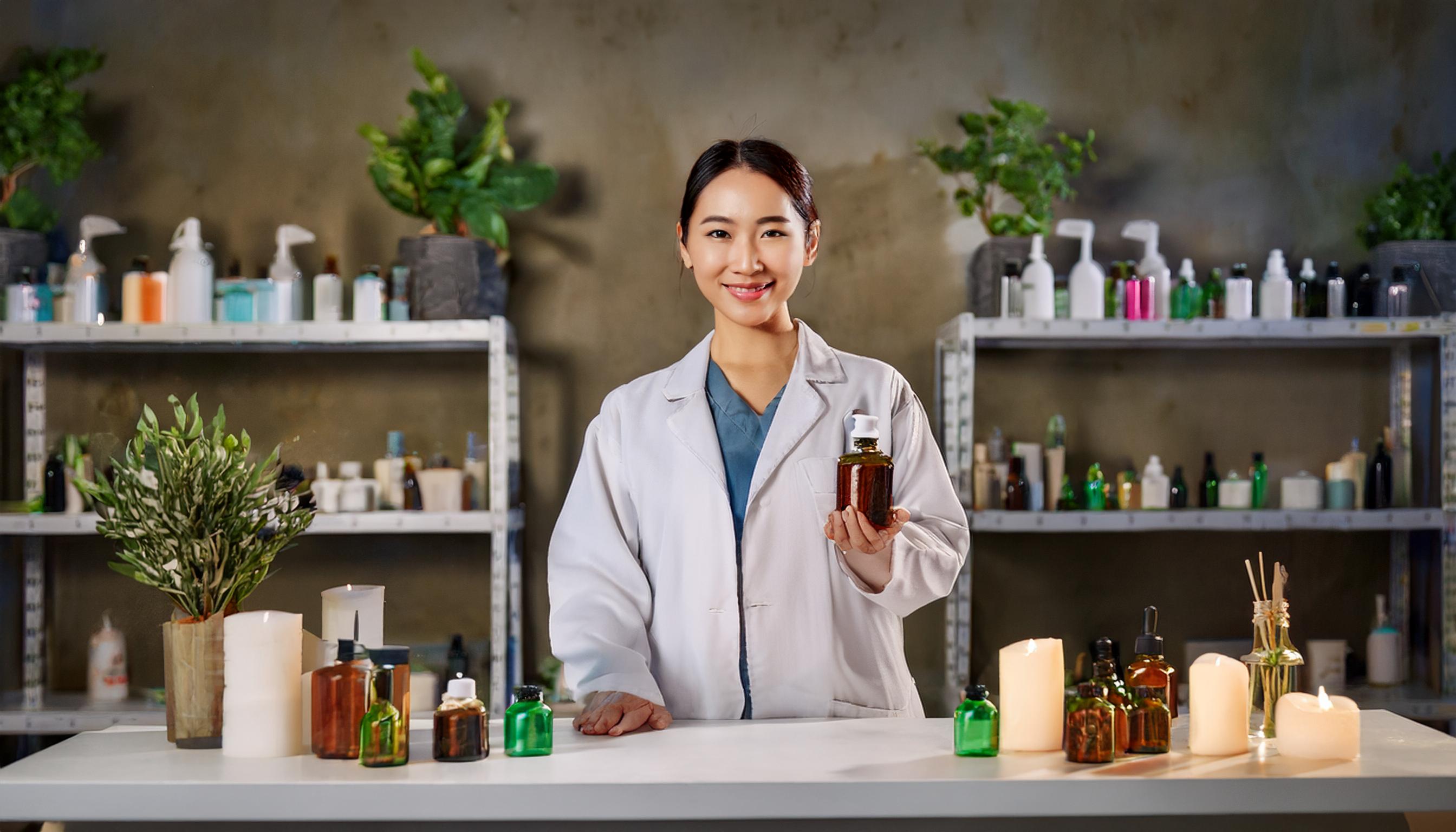
Với nhu cầu ngày càng cao, các thương hiệu mỹ phẩm cũng như các cá nhân đam mê lĩnh vực này bắt đầu quan tâm hơn đến việc làm chủ quy trình sản xuất mỹ phẩm. Khóa học Điều chế Mỹ phẩm tại VIỆN HÀN LÂM Y HỌC được thiết kế để giúp học viên không chỉ nắm vững kiến thức lý thuyết mà còn có kỹ năng thực hành thực tế, từ đó tự tin sản xuất ra các sản phẩm mỹ phẩm an toàn, hiệu quả và độc đáo.
Quy trình sản xuất mỹ phẩm chăm sóc da: Tổng quan chi tiết
Bước 1: Nghiên cứu và phát triển công thức (R&D)
Quá trình nghiên cứu và phát triển công thức mỹ phẩm là bước đầu tiên và cực kỳ quan trọng. Đây là giai đoạn mà nhà điều chế phải xác định rõ:
- Mục tiêu sản phẩm: Sản phẩm dành cho loại da nào? Có chức năng gì (dưỡng trắng, cấp ẩm, chống lão hóa, trị mụn)?
- Thành phần chính: Các hoạt chất như vitamin C, hyaluronic acid, niacinamide hay các chiết xuất từ thiên nhiên.
- An toàn và hiệu quả: Thành phần phải đảm bảo không gây kích ứng và mang lại hiệu quả thực sự.
Tại VIỆN HÀN LÂM Y HỌC, học viên được hướng dẫn cách nghiên cứu và sáng tạo công thức riêng, phù hợp với nhu cầu và xu hướng thị trường.
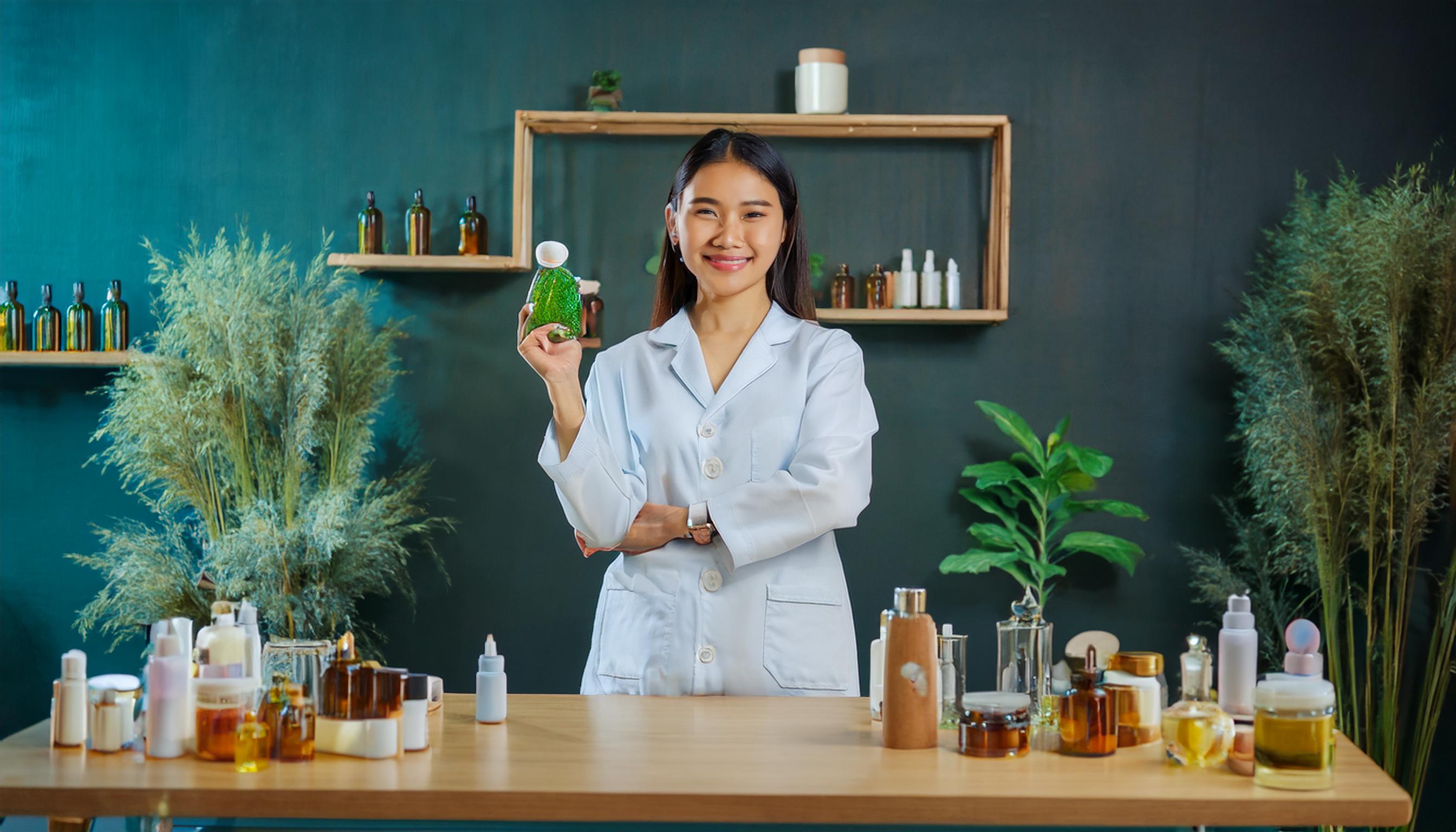
Bước 2: Lựa chọn nguyên liệu và nhà cung cấp
Nguyên liệu mỹ phẩm đóng vai trò quyết định chất lượng sản phẩm. Quá trình lựa chọn nguyên liệu phải dựa trên:
- Độ tinh khiết và chất lượng: Đảm bảo không chứa tạp chất hoặc hóa chất gây hại.
- Nguồn gốc rõ ràng: Nguyên liệu phải được cung cấp bởi các nhà sản xuất uy tín, có chứng nhận chất lượng.
Học viên của khóa học tại VIỆN HÀN LÂM Y HỌC sẽ được cung cấp danh sách các nhà cung cấp đáng tin cậy và cách kiểm tra chất lượng nguyên liệu đầu vào.
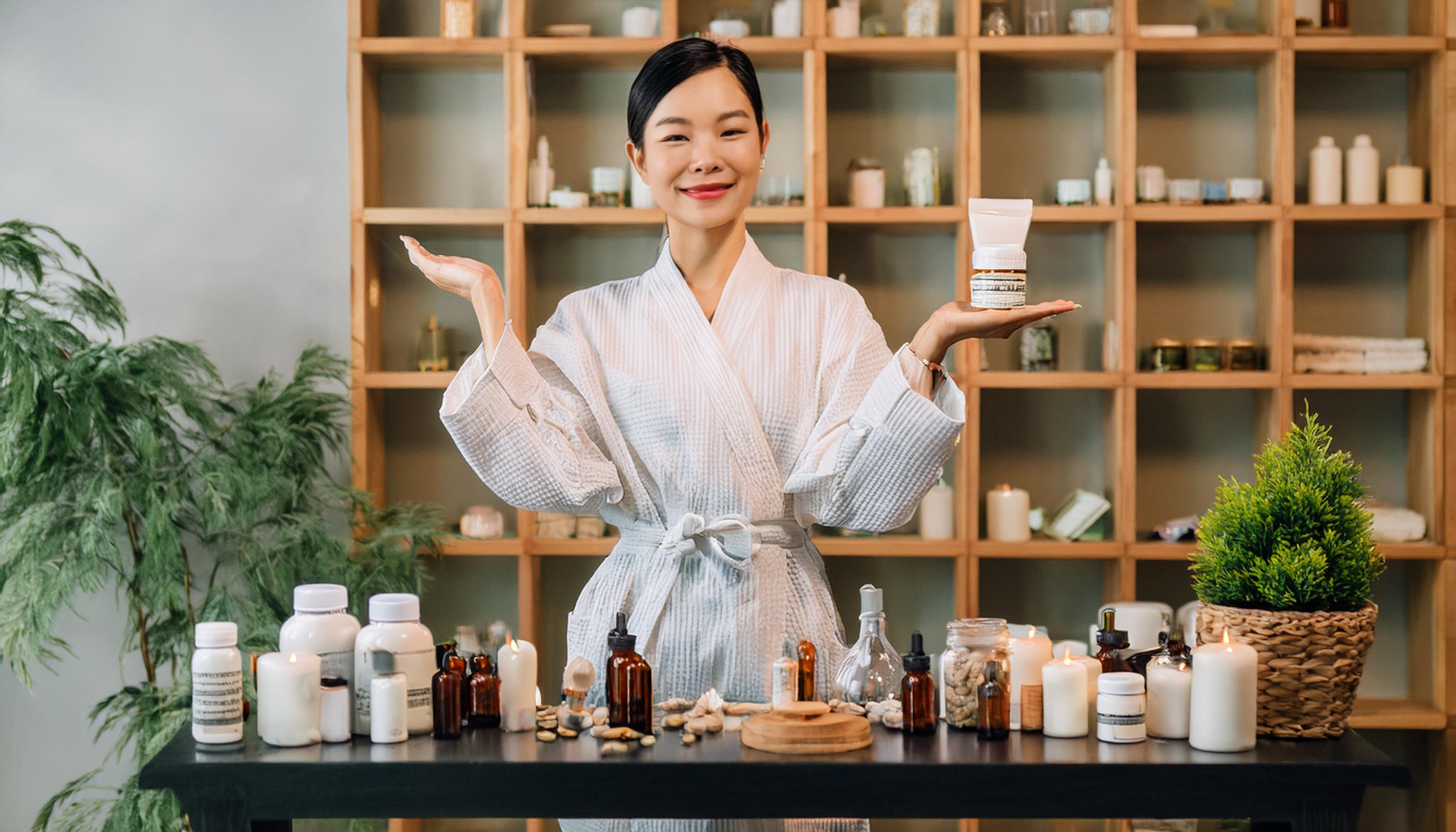
Bước 3: Pha chế và phối trộn
Quá trình pha chế đòi hỏi sự chính xác tuyệt đối trong việc đo lường, cân bằng thành phần, và điều chỉnh tỷ lệ:
- Phối hợp các nguyên liệu: Phải tuân theo thứ tự, nhiệt độ, và thời gian cụ thể để đảm bảo tính ổn định của sản phẩm.
- Sử dụng thiết bị chuyên dụng: Máy khuấy, cân chính xác, và các dụng cụ khác giúp đảm bảo thành phẩm đạt chất lượng cao.
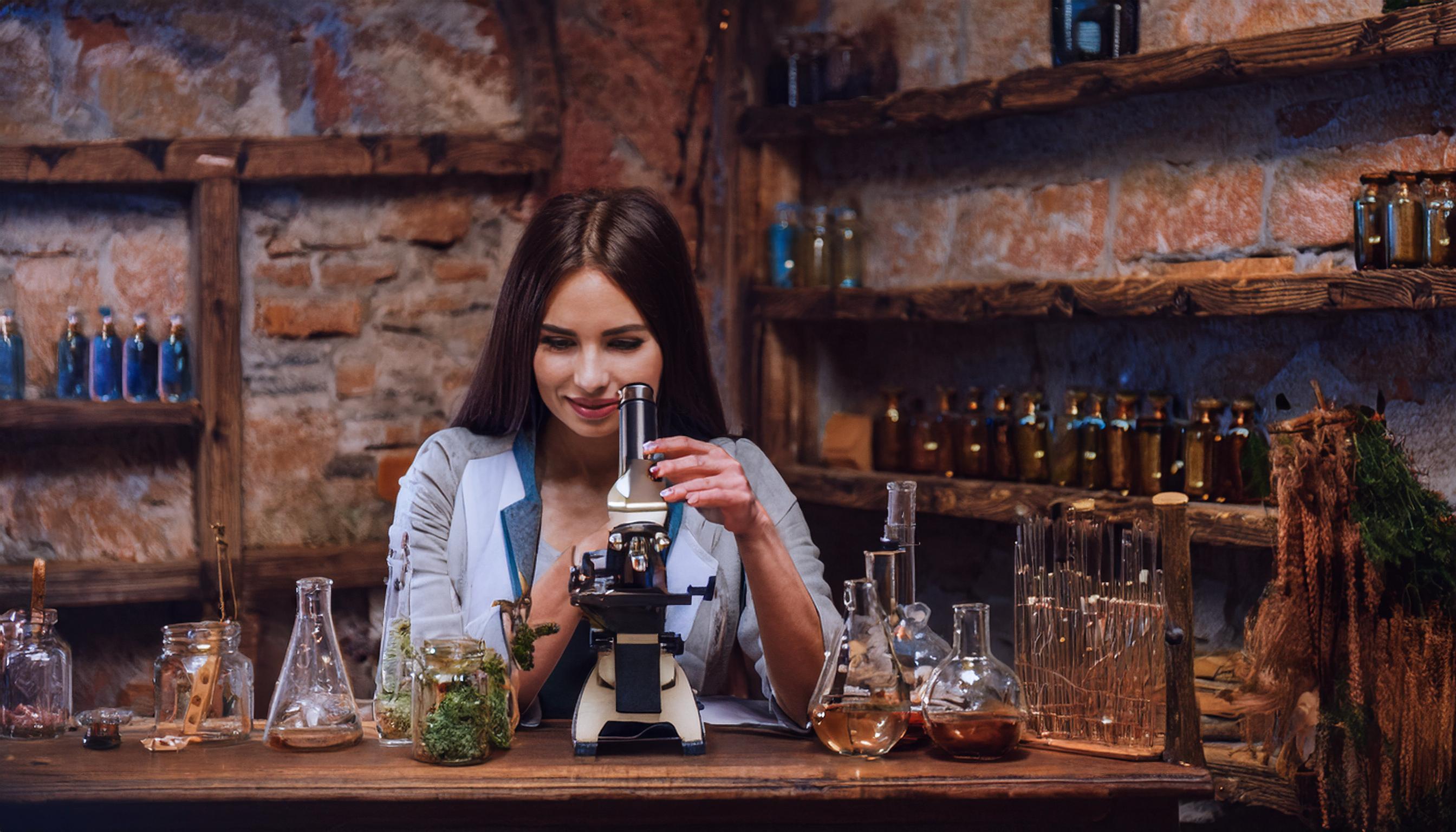
Bước 4: Kiểm tra chất lượng
Sản phẩm sau khi pha chế cần trải qua các bài kiểm tra để đảm bảo đáp ứng tiêu chuẩn:
- Độ pH: Kiểm tra để đảm bảo sản phẩm phù hợp với độ pH tự nhiên của da.
- Độ ổn định: Sản phẩm phải giữ được tính chất ổn định qua thời gian và dưới các điều kiện khác nhau (nhiệt độ, ánh sáng).
- Kiểm nghiệm vi sinh: Đảm bảo sản phẩm không bị nhiễm khuẩn.
VIỆN HÀN LÂM Y HỌC hỗ trợ học viên tiếp cận với các thiết bị kiểm nghiệm hiện đại, giúp họ tự tin đánh giá chất lượng sản phẩm.
Bước 5: Đóng gói và bảo quản
Sản phẩm sau khi đạt tiêu chuẩn sẽ được đóng gói trong bao bì phù hợp:
- Chọn loại bao bì: Hũ, chai, hoặc túi nhựa tùy theo đặc tính sản phẩm.
- Ghi nhãn thông tin: Bao gồm thành phần, hướng dẫn sử dụng, và hạn sử dụng.
- Bảo quản: Trong điều kiện tránh ánh sáng, nhiệt độ cao hoặc môi trường ẩm ướt.
Khóa học Điều chế Mỹ phẩm tại VIỆN HÀN LÂM Y HỌC
Nội dung khóa học
Khóa học tại VIỆN HÀN LÂM Y HỌC được xây dựng với mục tiêu cung cấp kiến thức toàn diện và thực hành chuyên sâu. Nội dung khóa học bao gồm:
- Cơ bản về da liễu: Hiểu rõ về cấu trúc và chức năng của da để lựa chọn nguyên liệu phù hợp.
- Thành phần mỹ phẩm: Phân loại và công dụng của từng loại nguyên liệu.
- Kỹ thuật pha chế: Các phương pháp điều chế mỹ phẩm dạng kem, gel, serum, và lotion.
- An toàn sản phẩm: Phân tích rủi ro và cách xử lý vấn đề trong quá trình sản xuất.
- Marketing và xây dựng thương hiệu: Hỗ trợ học viên phát triển thương hiệu mỹ phẩm cá nhân.
Điểm đặc biệt của khóa học
- Học cùng chuyên gia: Đội ngũ giảng viên là các bác sĩ, chuyên gia đầu ngành về da liễu và mỹ phẩm.
- Phòng thí nghiệm hiện đại: Học viên được thực hành với các thiết bị tiên tiến, giúp nâng cao kỹ năng thực tế.
- Chứng nhận uy tín: Sau khi hoàn thành khóa học, học viên sẽ nhận được chứng nhận từ VIỆN HÀN LÂM Y HỌC, mở ra cơ hội phát triển sự nghiệp.
Lợi ích khi tham gia khóa học
- Làm chủ quy trình sản xuất: Từ ý tưởng ban đầu đến sản phẩm hoàn thiện, học viên sẽ tự tin xây dựng và phát triển dòng sản phẩm riêng.
- Đảm bảo an toàn và hiệu quả: Học viên hiểu rõ cách kiểm tra và kiểm soát chất lượng sản phẩm.
- Cơ hội kinh doanh: Với kiến thức và kỹ năng đạt được, học viên có thể mở rộng kinh doanh hoặc hợp tác với các thương hiệu lớn.
Kết luận
Sản xuất mỹ phẩm không chỉ là một ngành nghề mà còn là một nghệ thuật đòi hỏi sự cẩn thận, sáng tạo và đam mê. Tham gia Khóa học Điều chế Mỹ phẩm tại VIỆN HÀN LÂM Y HỌC, bạn không chỉ học được kiến thức và kỹ năng chuyên môn mà còn có cơ hội trở thành một chuyên gia trong lĩnh vực này, tự tin làm chủ quy trình sản xuất mỹ phẩm và chinh phục thị trường.
Hãy bắt đầu hành trình của bạn ngay hôm nay để mang đến những sản phẩm chăm sóc da an toàn, chất lượng, và độc đáo!

 Tham gia ngay
