Hypnotherapy
The Hypnotherapy course is specially designed to provide comprehensive knowledge and the essential skills needed to become a professional hypnotherapist, under the guidance of leading experts in the field.
The demand for trained Hypnotherapy Practitioners who complete a Hypnotherapy Training Program is steadily increasing due to growing demand for mental well-being services and approaches that support quality of life. Several factors are driving this demand:
- Mental Health Awareness: People are increasingly recognizing the importance of mental health and seeking approaches and therapies that promote psychological well-being and balance.
- Pressure and Stress in Modern Life: Modern life creates significant pressure and stress arising from work, relationships, and personal challenges, increasing the need for psychological support services.
- Growing Interest in Non-Pharmacological Approaches: Consumers are increasingly exploring non-drug and natural approaches to well-being, with hypnotherapy providing one potential option.
- Growth of the Wellness and Self-Care Market: The wellness and self-care market continues to expand as more people prioritize personal care and development, creating greater interest in services such as hypnotherapy.
- Interest from the Mental Health Community: Mental health professionals and healthcare practitioners are increasingly exploring the potential role of hypnotherapy in supporting psychological well-being and quality of life.

Together, these factors are contributing to increasing demand for hypnotherapy practitioners, creating a growing and potentially diverse professional field for individuals interested in pursuing a career in this area.
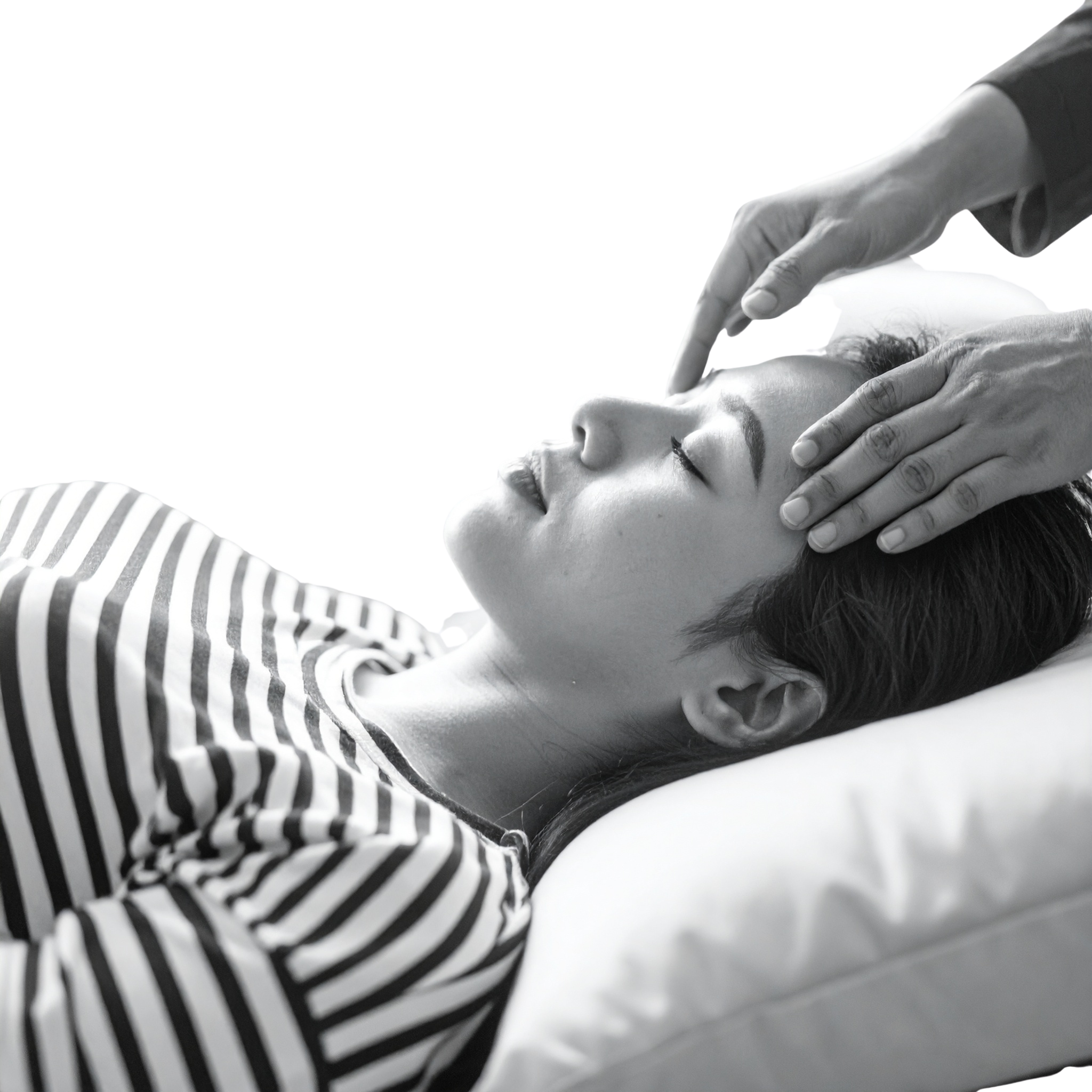
This program is specifically designed to provide the knowledge and practical skills needed to develop foundational competence in hypnotherapy practice. Under the guidance of experienced practitioners, learners will be introduced to established tools and techniques for supporting clients with relaxation, behavioral change, emotional regulation, and personal development.

Target Learners
- Students and Graduate Students: Individuals studying or who have completed undergraduate or postgraduate programs related to psychology, psychotherapy, counseling, or related fields.
- Psychology and Mental Health Professionals: Practitioners working in psychology or mental health who wish to expand their knowledge and skills in hypnotherapy.
- Hypnosis Practitioners: Practitioners with existing experience who wish to further develop their skills and learn additional approaches and techniques.
- Healthcare Professionals: Healthcare professionals such as physicians, nurses, and mental health practitioners who are interested in understanding the potential role of hypnosis within their professional practice.
- Individuals Interested in Personal Development: People who want to explore hypnosis as a tool for personal well-being, self-development, relaxation, and positive behavioral change.

Knowledge and Skills Acquired
Upon completing the Hypnotherapy Training Program, learners will develop a range of foundational knowledge and skills relevant to responsible and ethical hypnotherapy practice, including:
- Foundational Understanding of Hypnosis: Understand the theoretical foundations and mechanisms associated with hypnosis, including different approaches and techniques.
- Assessment and Mental Health Awareness: Develop the ability to recognize psychological presentations and relevant client considerations and determine when appropriate professional referral may be required.
- Practical Hypnosis Skills: Practice foundational hypnosis techniques in appropriate scenarios, including relaxation, stress management, and behavioral support.
- Communication and Reflective Skills: Develop effective communication, attentive listening, and reflective skills to interact with clients respectfully, collaboratively, and empathetically.
- Client Guidance and Support: Learn approaches for guiding clients through appropriate self-help and relaxation exercises and supporting the maintenance of positive changes after sessions.
- Legal and Ethical Standards: Understand and follow applicable professional, legal, safety, and ethical standards relevant to hypnotherapy practice.

Program Content
The Hypnotherapy Training Program at Academy of Medical Sciences is designed for individuals who wish to understand and explore the use of hypnosis and focused attention to support psychological well-being, emotional regulation, behavioral change, and personal development.
Under the guidance of experienced hypnotherapy practitioners, learners will progressively explore the mechanisms associated with the subconscious mind, learn verbal induction techniques using voice, language, and guided imagery, and develop skills for safely guiding clients into and out of a hypnotic state.
The program emphasizes applied learning, enabling learners to practice appropriate techniques with others while also exploring self-hypnosis, relaxation, emotional awareness, and personal development.
After completing the program, learners will be able to:
- Practice foundational hypnosis techniques to support relaxation, stress management, and positive behavioral change.
- Understand and apply principles of communication with clients during hypnosis and guided relaxation.
- Conduct a basic 1-to-1 hypnotherapy session within the learner's level of training and scope of practice.
- Build a strong foundation for continuing to Advanced Hypnotherapy Training (Level 2).
This introductory module helps learners understand what hypnosis is and what it is not. The instructor explains psychological concepts related to conscious and subconscious processes and explores the role of automatic mental processes in behavior, habits, emotions, and well-being. Learners will explore the historical development of hypnosis, from early traditions and Mesmer through Freud and modern applications in psychological practice, healthcare, and mental skills training. The module also addresses common misconceptions about hypnosis, emphasizing that hypnosis is not a method of controlling another person. Instead, it is commonly described as a state involving focused attention and deep relaxation in which individuals may be more receptive to guided suggestions and positive change.
- Lesson 1: History and Development of Hypnotherapy
- Lesson 2: Differences Between Stage Hypnosis and Therapeutic Hypnosis
- Lesson 3: The Structure of the Mind – Conscious, Subconscious, and Unconscious Processes
- Lesson 4: Applications of Hypnosis in Well-Being and Personal Development
This module provides a scientific foundation for understanding how hypnosis may influence attention, perception, relaxation, and behavioral responses. The instructor introduces brainwave concepts such as Alpha, Theta, and Delta activity and discusses their relationship to different states of consciousness. Learners will study common signs associated with naturally occurring hypnotic states and explore how an appropriate level of relaxation and focused attention may be maintained during a session. The module also examines factors that may influence responsiveness to hypnosis, including expectations, language, emotions, attention, and environment. Through supervised exercises, learners begin experiencing light and moderate hypnotic states while developing awareness of relaxation, focused attention, and changes in ordinary thought patterns.
- Lesson 1: Brainwave Activity and States of Consciousness
- Lesson 2: Recognizing Hypnotic Responses and Levels of Depth
- Lesson 3: Factors Influencing Responsiveness to Hypnosis
- Lesson 4: Safe Experiential Practice of Hypnotic States
This is a core practical module of the program. Learners study induction methods designed to guide a client into a focused and relaxed hypnotic state in a gentle and structured manner. The instructor introduces techniques such as counting, visual fixation, progressive relaxation, voice-guided methods, and guided imagery. The module emphasizes the importance of voice, pacing, tone, language, and practitioner presence, helping learners develop communication that is calm, clear, safe, and trustworthy. The final section introduces awakening techniques to help clients return to ordinary alertness gradually and comfortably.
- Lesson 1: Basic Structure of a Hypnotherapy Session
- Lesson 2: Induction Methods – Language, Counting, and Relaxation Techniques
- Lesson 3: Deepening Techniques and Maintaining the Hypnotic State
- Lesson 4: Safe Awakening and Session Closure
This module focuses on the use of language and guided suggestions within hypnotherapy. Learners study how to formulate and deliver therapeutic suggestions in ways that are clear, respectful, client-centered, and aligned with the intended goals of a session. The instructor introduces therapeutic language patterns, metaphor, positive framing, and approaches for working with imagery and emotional responses. The module also discusses potential applications of hypnosis as a complementary approach for relaxation, stress management, sleep support, confidence building, habit change, and other well-being goals, while emphasizing appropriate scope of practice and professional referral when clinical assessment or treatment is required. Learners practice developing and delivering individualized suggestions while learning to adapt communication based on client responses.
- Lesson 1: Structure of Effective Therapeutic Suggestions
- Lesson 2: Therapeutic Language Patterns and Metaphor Techniques
- Lesson 3: Applications of Hypnosis for Stress, Fear, Sleep, and Confidence
- Lesson 4: Practice in Writing and Delivering Individualized Suggestions
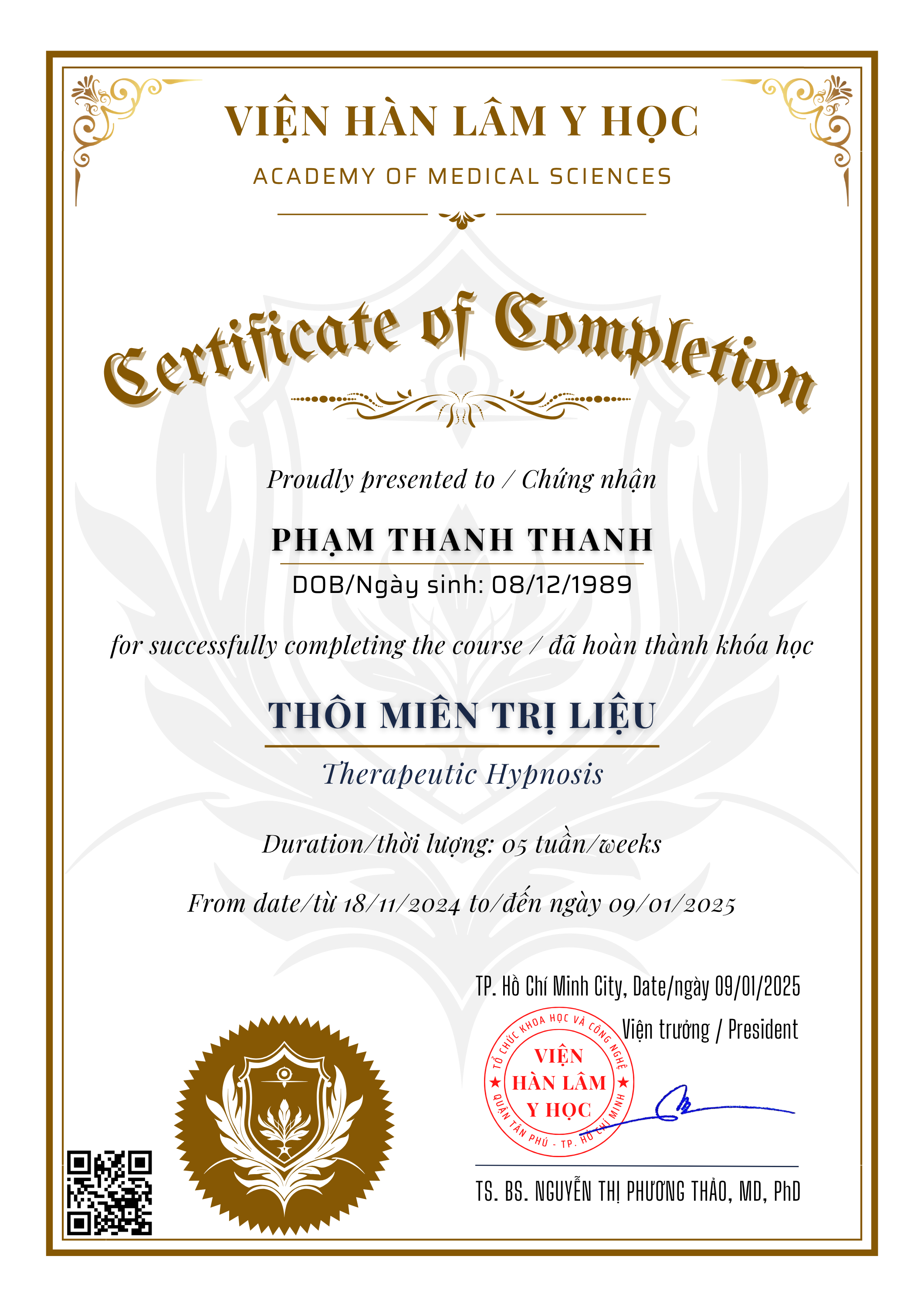
The final module brings together the key stages of a structured hypnotherapy session, from initial intake and communication through induction, guided work, session closure, and post-session feedback. Learners study how to establish rapport, create a safe environment, define appropriate boundaries, and maintain professional and ethical standards. Practical exercises include supervised 1-to-1 sessions with fellow learners, allowing participants to develop confidence while receiving instructor feedback. The program concludes with a practical assessment and a certificate of completion for Foundational Hypnotherapy Techniques issued by Academy of Medical Sciences.
- Lesson 1: Standard Structure of a Hypnotherapy Session
- Lesson 2: Communication, Active Listening, and Observation Skills in Practice
- Lesson 3: Professional Ethics, Boundaries, and Practitioner Well-Being
- Lesson 4: Complete Hypnotherapy Session Practice and Program Review

Career Opportunities
The Hypnotherapy Training Program can provide learners with a range of potential professional pathways, depending on their existing qualifications, professional scope, and applicable local regulations. Examples include:
- Hypnotherapy Practitioner: Develop a professional practice providing hypnosis-based relaxation, well-being, and behavioral support within an appropriate scope of practice.
- Consulting and Coaching: Apply communication and guided relaxation skills within personal development, wellness, and coaching settings, subject to appropriate qualifications and professional boundaries.
- Trainer and Educator: Progress toward teaching hypnosis-related courses or educational programs after obtaining appropriate advanced qualifications and teaching experience.
- Research and Development: Participate in research and educational development related to hypnosis, behavioral science, mental well-being, and complementary approaches.
- Events and Workshops: Organize educational events, seminars, and workshops focused on hypnosis, relaxation, personal development, and related topics.
- Private Practice or Wellness Center: Depending on applicable professional qualifications and regulations, establish or contribute to a private practice or wellness center offering appropriate services.
- Author and Content Creator: Develop books, articles, educational resources, or other content related to hypnosis, well-being, and personal development.

Program Advantages
The Hypnotherapy Training Program at Academy of Medical Sciences offers several potential advantages, including:
- Quality Instruction: Academy of Medical Sciences provides a structured learning environment supported by instructors with relevant experience and expertise in hypnotherapy and related fields.
- Comprehensive Curriculum: The program covers foundational skills while introducing broader concepts related to hypnotherapy, communication, behavioral change, and well-being.
- Guidance and Support: Learners receive guidance and feedback throughout the program to help them understand key concepts and apply techniques appropriately.
- Practical Learning Opportunities: Academy of Medical Sciences provides supervised practical exercises that allow learners to develop hands-on skills and confidence within the scope of their training.
- Professional Community: Learners can connect with instructors and fellow participants, creating opportunities for knowledge sharing, professional networking, and continued learning.
- Professional Development: After completing the program, learners may use their foundational knowledge as part of further education or appropriate professional development in wellness, coaching, psychology-related, or healthcare settings, subject to applicable qualifications and regulations.

The professional pathways associated with the Hypnotherapy Training Program can provide opportunities to support the well-being and personal development of others while building a career aligned with individual interests, qualifications, and professional goals.