Rehabilitative Massage Techniques
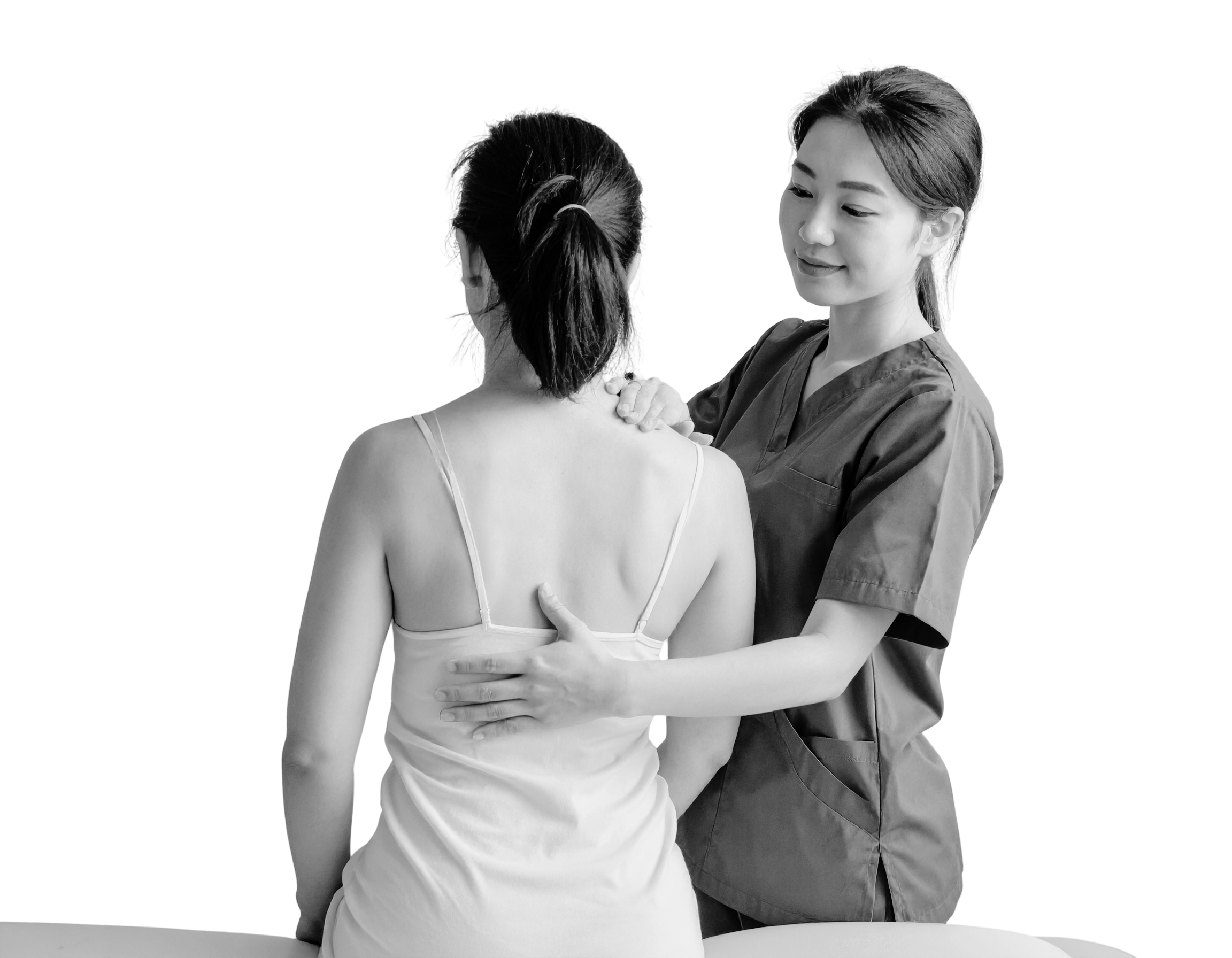
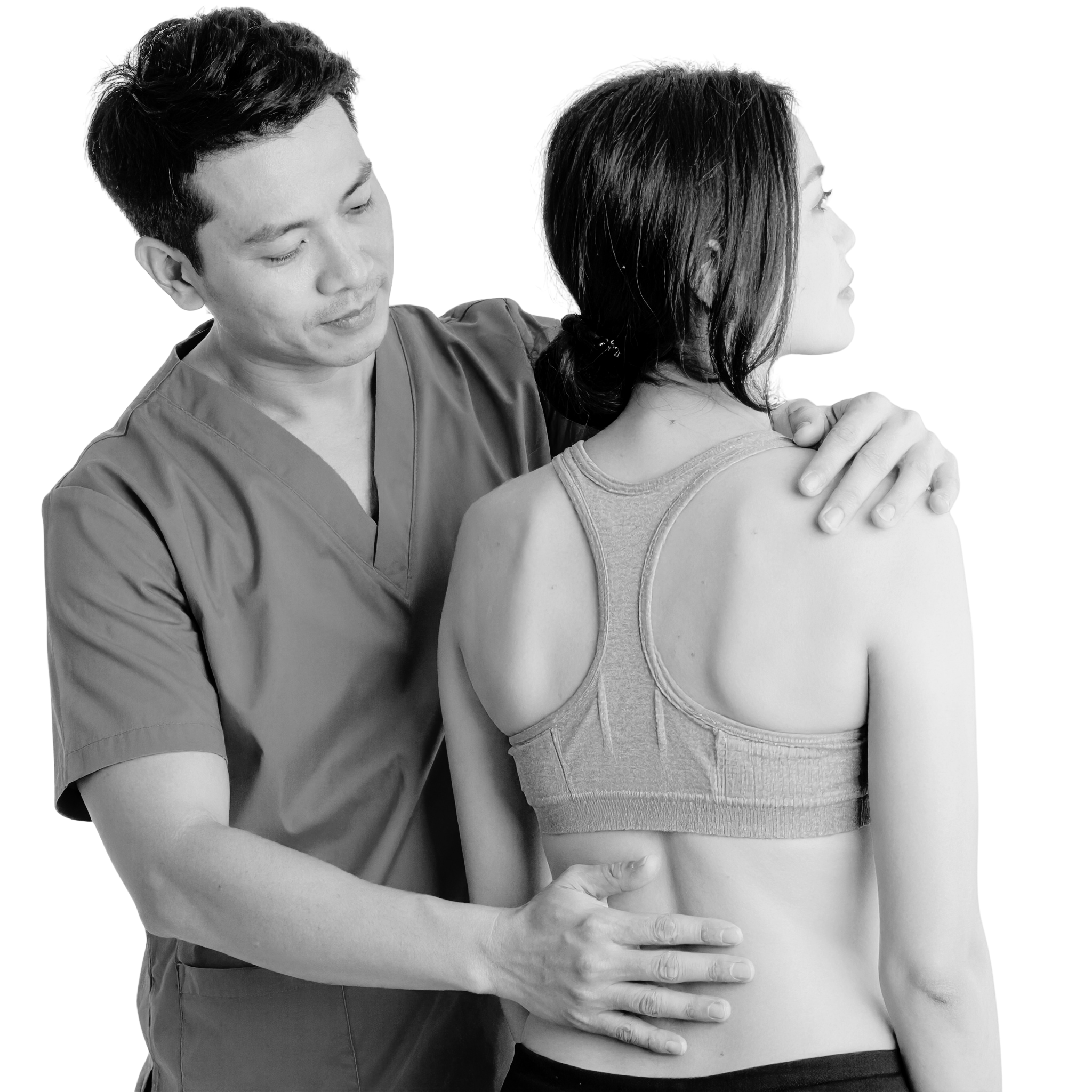
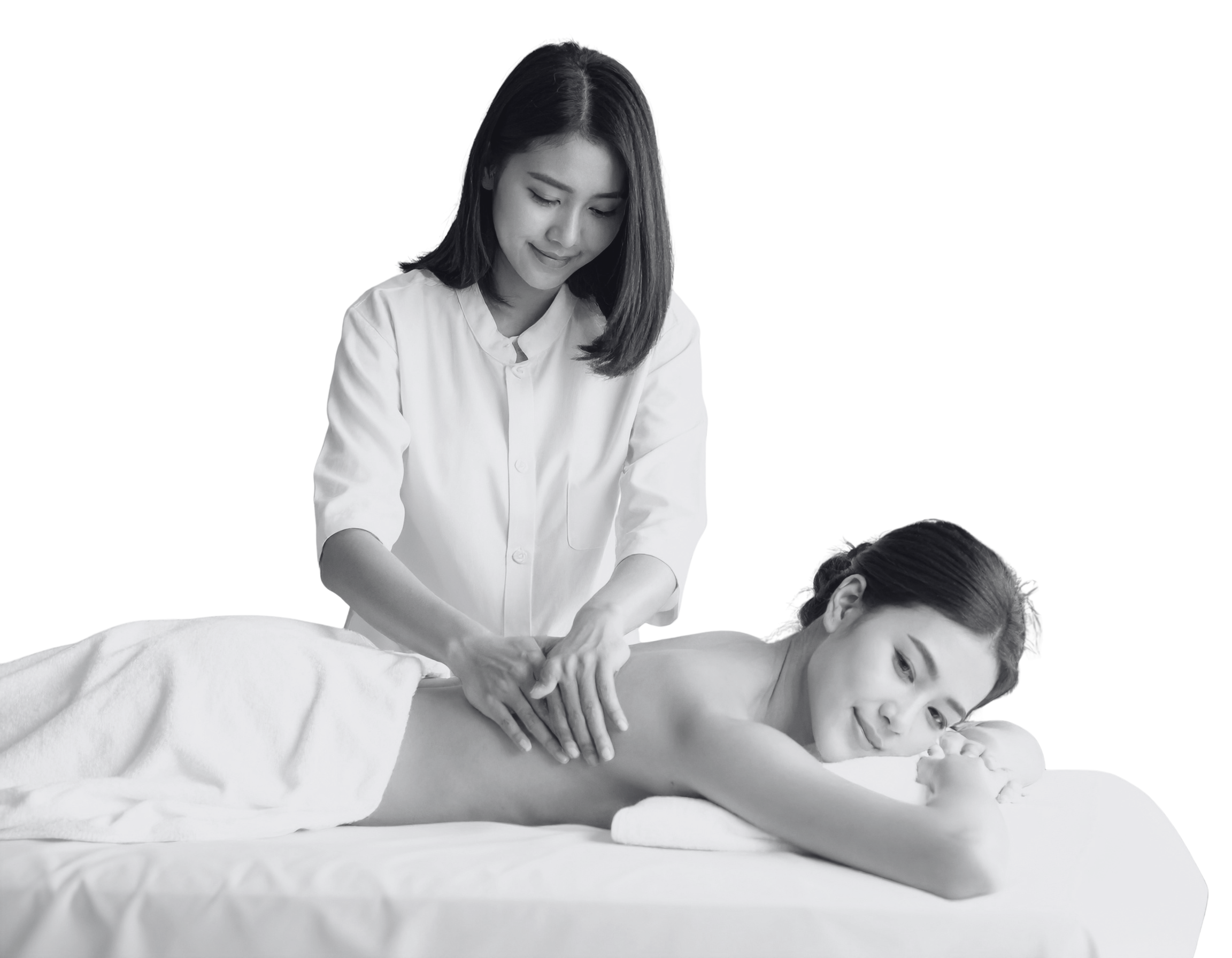
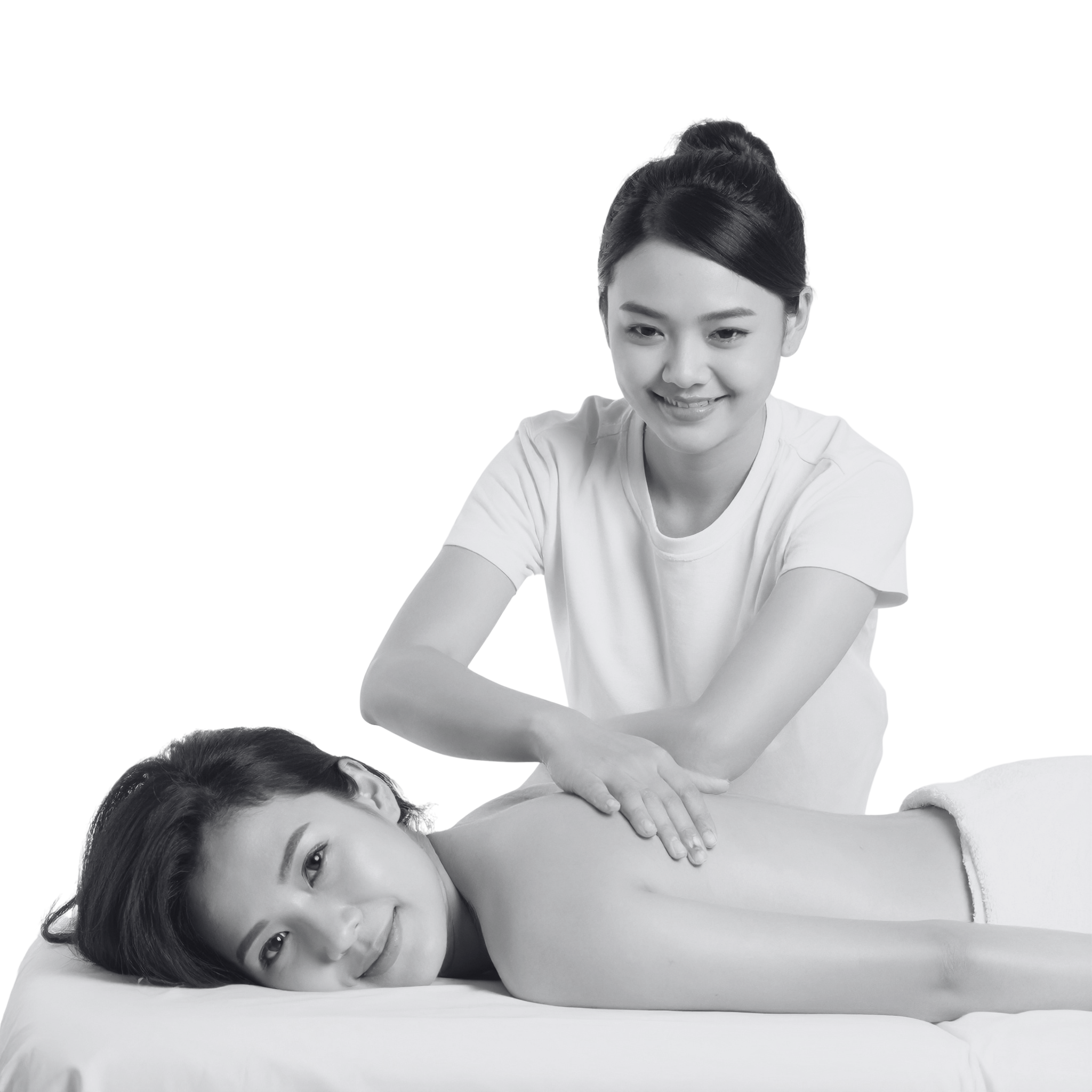
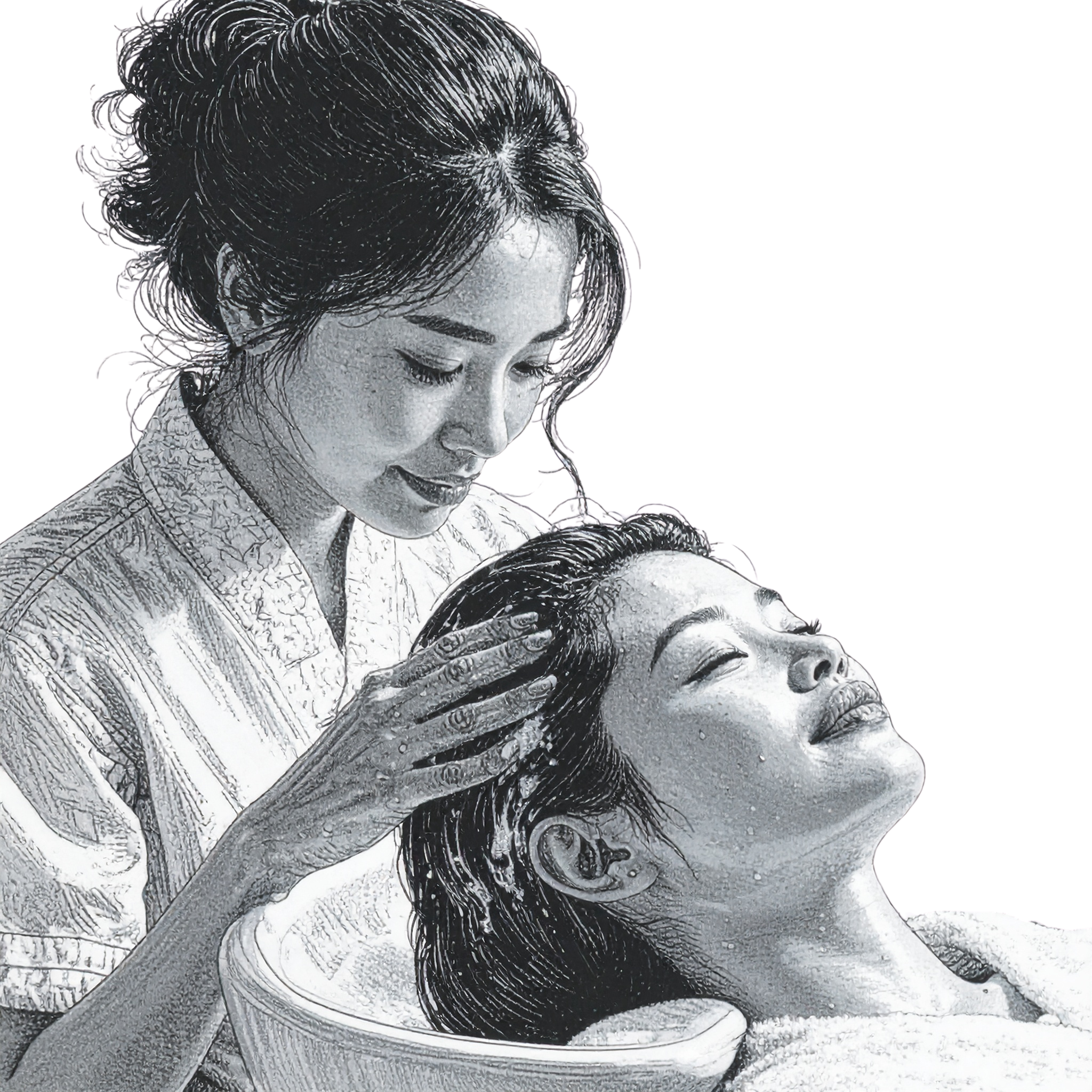
Rehabilitative massage is considered an effective method for reducing stress, relieving muscle tension, and improving mental well-being. Rehabilitative massage therapists play an important role in the recovery process after injury, from pain relief to improving flexibility and restoring functional ability.
With the growing popularity of healthy lifestyles and increasing awareness of health and wellness, people are becoming more interested in maintaining and restoring their health through recovery massage. Athletes and individuals engaged in sports and physical activities also frequently require support for post-exercise recovery and injury rehabilitation.
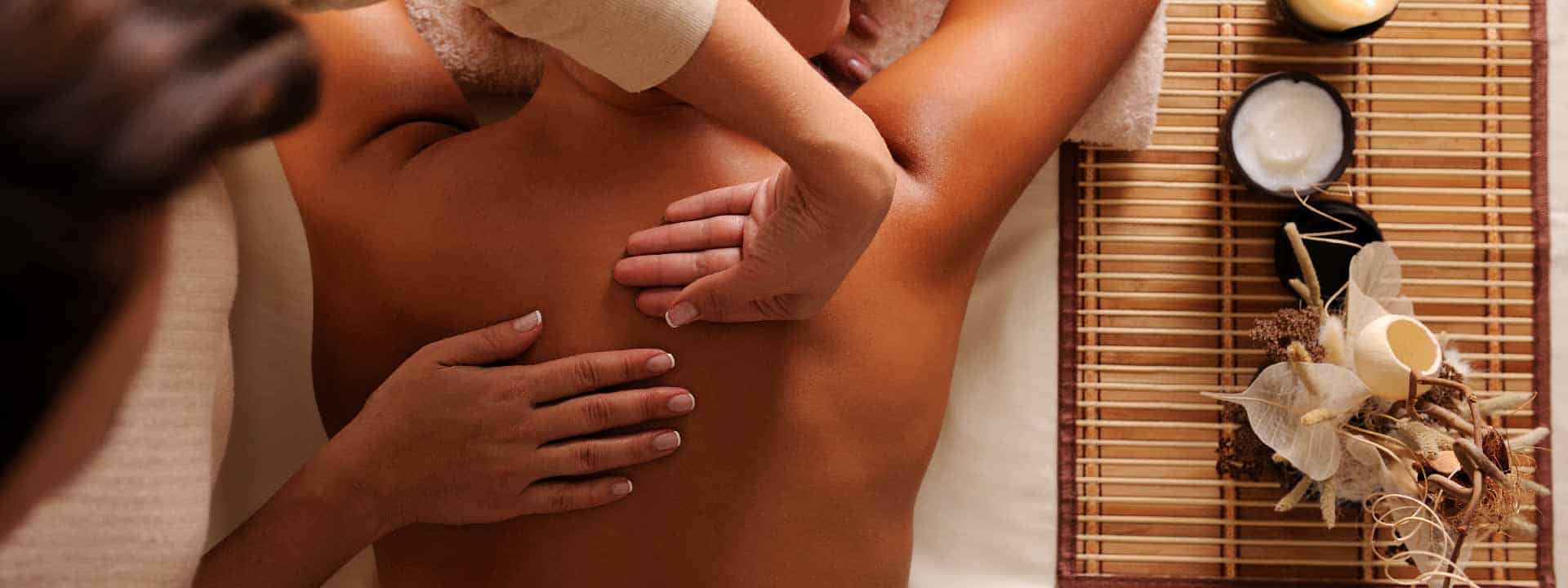
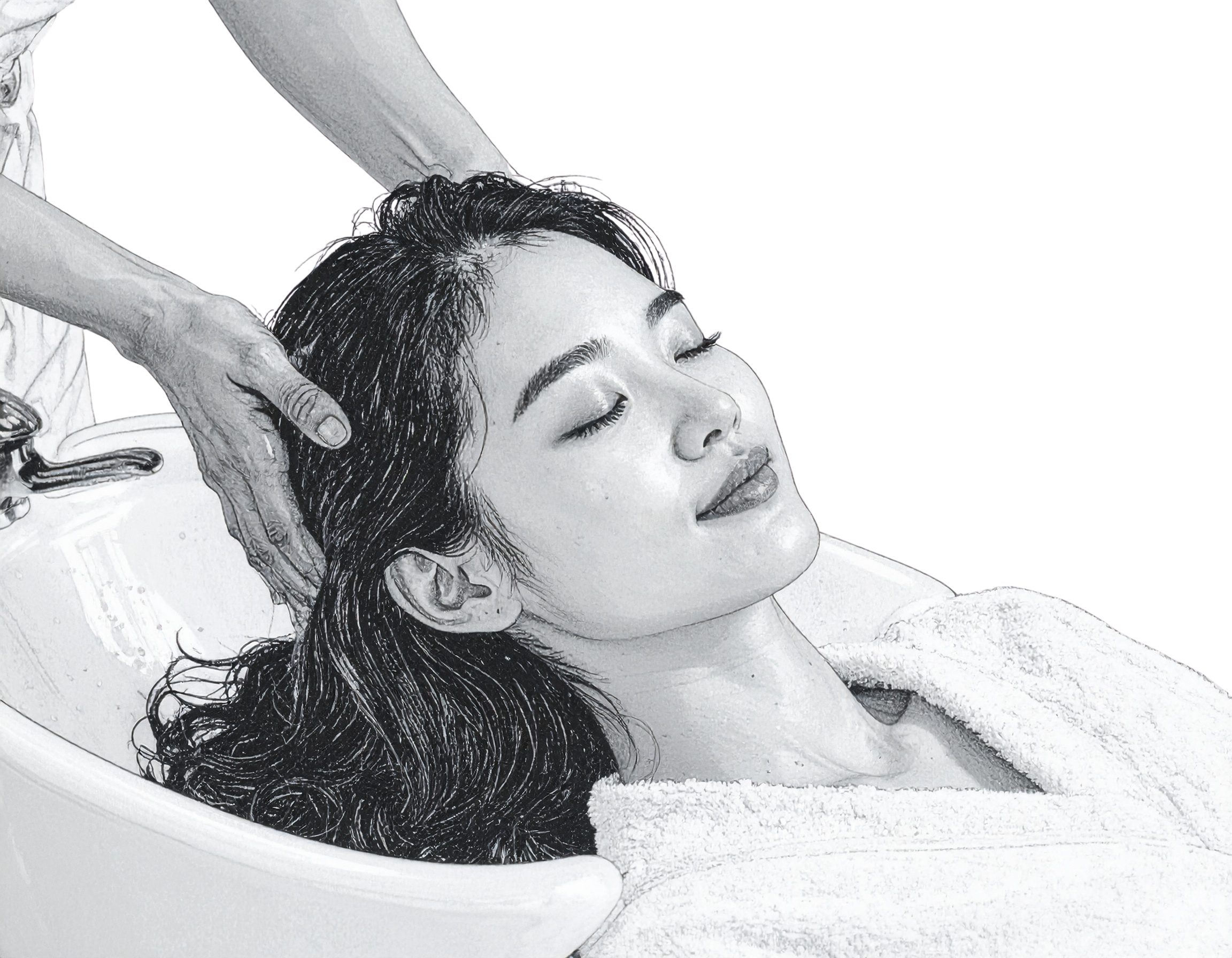
Modern life also brings significant pressure and stress, often leading to muscle tension and fatigue. Recovery massage is considered an effective approach to reducing stress, relieving muscular tension, and improving mental well-being. Recovery massage therapists play an important role in post-injury recovery, from helping manage discomfort to supporting mobility and functional recovery. With such broad benefits and applications, the demand for qualified recovery massage therapists continues to grow.

Target Participants
- Health and wellness enthusiasts and individuals working in healthcare and wellness services.
- Medical students and students in health sciences or applied medical fields.
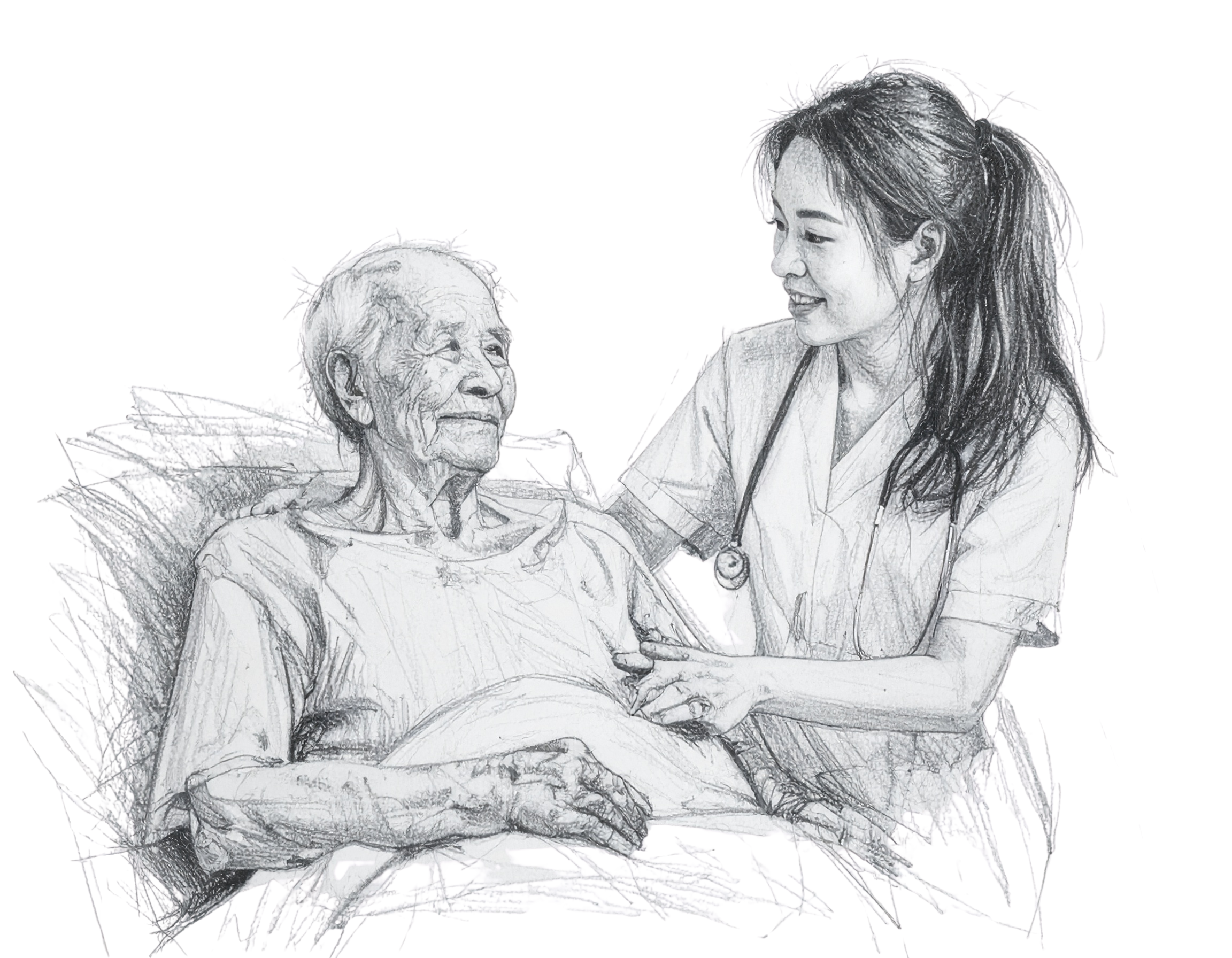
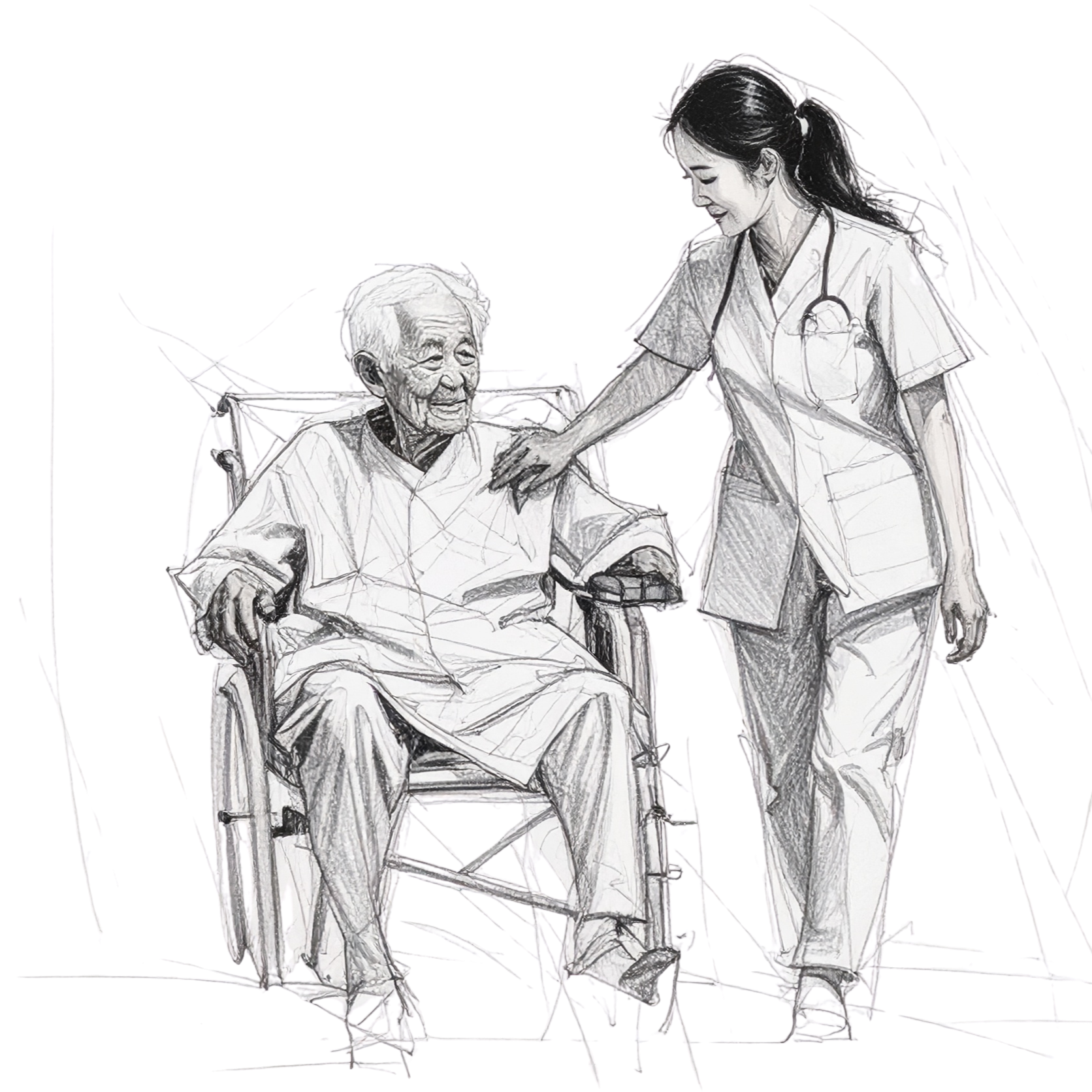
- Healthcare professionals, including personnel working in healthcare facilities, hospitals, clinics, and rehabilitation centers.
- Individuals working in sports and fitness, such as fitness trainers or sports coaches.
- Individuals seeking a career change or interested in establishing their own recovery massage practice.
- Anyone interested in learning massage techniques for personal and family wellness care.

Program Content
The “Recovery Massage Techniques” course at Academy of Medical Sciences is designed for individuals who want to understand the mechanisms of physical recovery through therapeutic massage. The program combines principles of traditional medicine with modern science, enabling learners to understand the fundamentals of anatomy and physiology, muscles, joints, and acupoints, while developing practical skills in advanced massage techniques for relaxation, muscle tension relief, pain management, circulation support, and recovery from minor injuries.
The course is suitable for spa therapists, rehabilitation and physical therapy personnel, sports coaches, or individuals interested in natural health and wellness care. Upon completion of the course, learners will be able to:
- Understand the fundamentals of body structure and the principles of muscle and joint recovery.
- Perform appropriate recovery massage techniques for the neck, shoulders, back, legs, and arms.
- Apply appropriate post-exercise body care strategies to reduce fatigue and help prevent recurrent injuries.
- Integrate massage into recovery or relaxation therapy protocols in spas, fitness facilities, or personal wellness settings.
This introductory module helps learners understand the biological foundations and therapeutic philosophy of recovery massage, combining Western medical concepts of muscles, joints, and circulation with traditional East Asian concepts of Qi and blood circulation. Learners explore how massage may affect the nervous, circulatory, and musculoskeletal systems and how it may support relaxation, perceived energy, emotional well-being, and overall balance. The module also introduces safety principles, therapist positioning, and appropriate professional conduct as essential foundations for professional practice.
- Lesson 1: Philosophy and principles of recovery massage
- Lesson 2: Biological and psychological effects of massage on the body
- Lesson 3: Observation, palpation, and therapeutic connection skills
- Lesson 4: Safety, hygiene, and preparation before and after a massage session
In this module, learners study basic human anatomy, with a focus on the musculoskeletal system and the muscle groups most susceptible to tension and injury. Topics include the structure of the spine, neck, shoulder and back muscles, thigh and calf muscles, hand and wrist tendons and joints, and the relationship between the musculoskeletal and motor nervous systems. Instructors demonstrate how to identify muscle groups and acupoints, recognize areas of muscular tension and trigger points, and understand potential contributors to pain and fatigue in order to select appropriate techniques.
- Lesson 1: Overview of the musculoskeletal system and principles of movement
- Lesson 2: Structure and function of the neck, shoulder, and back muscles
- Lesson 3: Lower-limb muscle groups and their relationship to body balance
- Lesson 4: Sensory and motor nervous systems and their role in massage
This module introduces foundational massage techniques, including stroking, kneading, compression, friction, rolling, vibration, percussion, and stretching. Learners practice appropriate sequencing, pressure, rhythm, and hand control while developing tactile awareness and therapeutic flow. The module also incorporates traditional concepts of meridians and Qi and blood circulation, helping learners understand massage as both a mechanical intervention and a practice of relaxation and energy regulation. These skills provide the foundation for more advanced recovery techniques in subsequent modules.
- Lesson 1: Overview of fundamental massage techniques
- Lesson 2: Controlling pressure, direction, and rhythm
- Lesson 3: Practicing a sequence of full-body relaxation massage techniques
- Lesson 4: Breathing and relaxation techniques during massage practice
This is the core practical module of the course, where learners study and practice recovery-oriented massage techniques for specific areas of the body:
- Neck, shoulders, and upper back: relieving muscle tension and reducing neck discomfort and headache-related tension
- Back and hips: addressing muscular imbalance and relieving lower-back discomfort
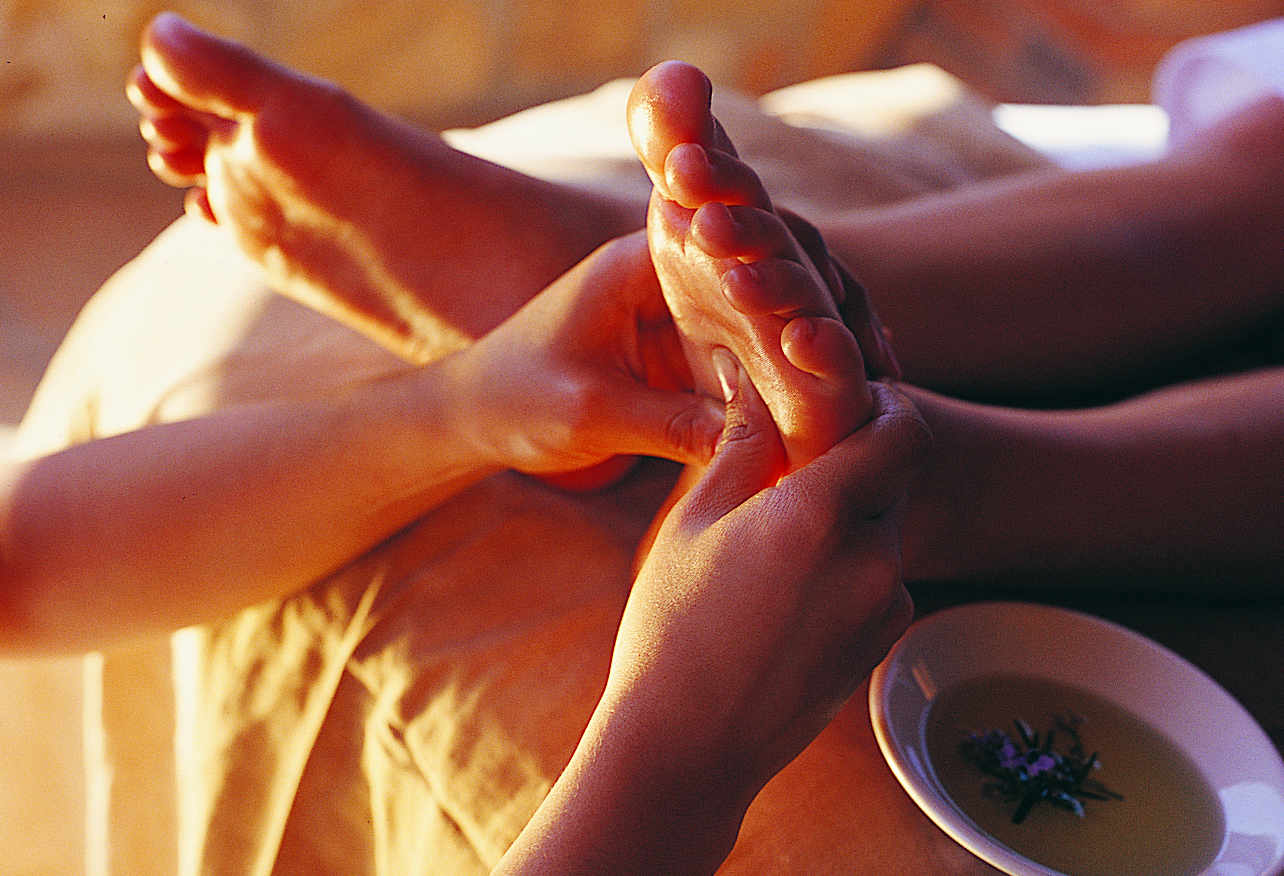
- Arms and legs: supporting post-exercise muscle recovery and circulation
- Abdomen and chest: supporting relaxation, breathing, digestive comfort, and overall body awareness
Instructors demonstrate techniques according to different goals, including relaxation, recovery, comfort, and mobility. Practical partner exercises and feedback help learners develop tactile sensitivity, technical confidence, and appropriate pressure control.
- Lesson 1: Recovery massage techniques for the neck, shoulders, and upper back
- Lesson 2: Back and hip massage for relieving muscular discomfort and supporting movement
- Lesson 3: Arm and leg massage for post-exercise recovery
- Lesson 4: Abdominal and chest massage for relaxation and central body awareness
The final module integrates and applies the knowledge and skills developed throughout the course. Learners practice a complete full-body recovery massage sequence and adapt techniques according to the individual's condition and needs. Instructors demonstrate how to assess general physical condition, identify areas requiring attention, develop an individualized session plan, and manage a professional massage session, including preparation of the environment, oils, equipment, communication, and therapist positioning. By the end of the module, learners will have developed greater technical proficiency and a deeper understanding of the principles underlying recovery massage.
- Lesson 1: Assessing individual condition and recovery needs
- Lesson 2: Professional full-body recovery massage protocol
- Lesson 3: Applications of massage in sports recovery and everyday wellness
- Lesson 4: Communication, session management, and post-treatment client care
Knowledge and Skills Acquired
Upon completing the recovery massage course, learners will develop a range of knowledge and practical skills, including:
- Comprehensive knowledge of recovery massage methods and techniques: Learners will study fundamental and advanced recovery massage techniques, including pressure, rotation, and compression techniques designed to relieve muscular tension and support circulation.
- Knowledge of body mechanics: Learners will understand fundamental body structure and how to apply body mechanics to perform recovery massage effectively and safely.
- Treatment planning skills: Learners will be guided in assessing and analyzing client needs to develop an appropriate recovery massage plan.
- Client communication and interaction skills: Learners will develop effective communication skills to understand and respond to client needs while creating a comfortable and safe environment.
- Time management and appointment scheduling skills: Learners will learn to organize and manage their time and client appointments effectively, including scheduling and responding appropriately to unexpected situations.
- Safety and hygiene knowledge: Learners will be trained in safety and hygiene principles and procedures for massage practice, helping protect both clients and practitioners from avoidable risks.
These knowledge and skills are designed to help learners become professional and confident practitioners capable of providing high-quality recovery massage services within an appropriate scope of practice.
Instructors
Instructors for the recovery massage course are typically experienced professionals with extensive knowledge of massage, wellness, rehabilitation, and related health sciences. They may include experienced massage practitioners, healthcare professionals, specialists in body mechanics and rehabilitation, or educators with advanced expertise in therapeutic massage and wellness. Instructors are expected to combine practical experience with the ability to communicate technical concepts clearly and effectively. The instructional team may include:
- Experienced recovery massage practitioners with practical expertise in recovery massage techniques and methods.
- Physicians, healthcare professionals, or specialists in body mechanics, rehabilitation, and wellness care.
- Sports coaches or rehabilitation specialists with knowledge of massage applications for recovery and comfort.
- University instructors or educators at therapeutic massage training institutions with teaching experience and professional expertise in recovery massage.
The instructional team is committed to providing learners with appropriate guidance, practical support, and the knowledge and skills needed to develop professionally in the field of recovery massage.
Program Advantages
- A comprehensive curriculum combining theoretical knowledge with in-depth practical application.
- Small-group classes designed to facilitate meaningful interaction between instructors and learners.
- Practical sessions that reinforce knowledge and develop hands-on skills.
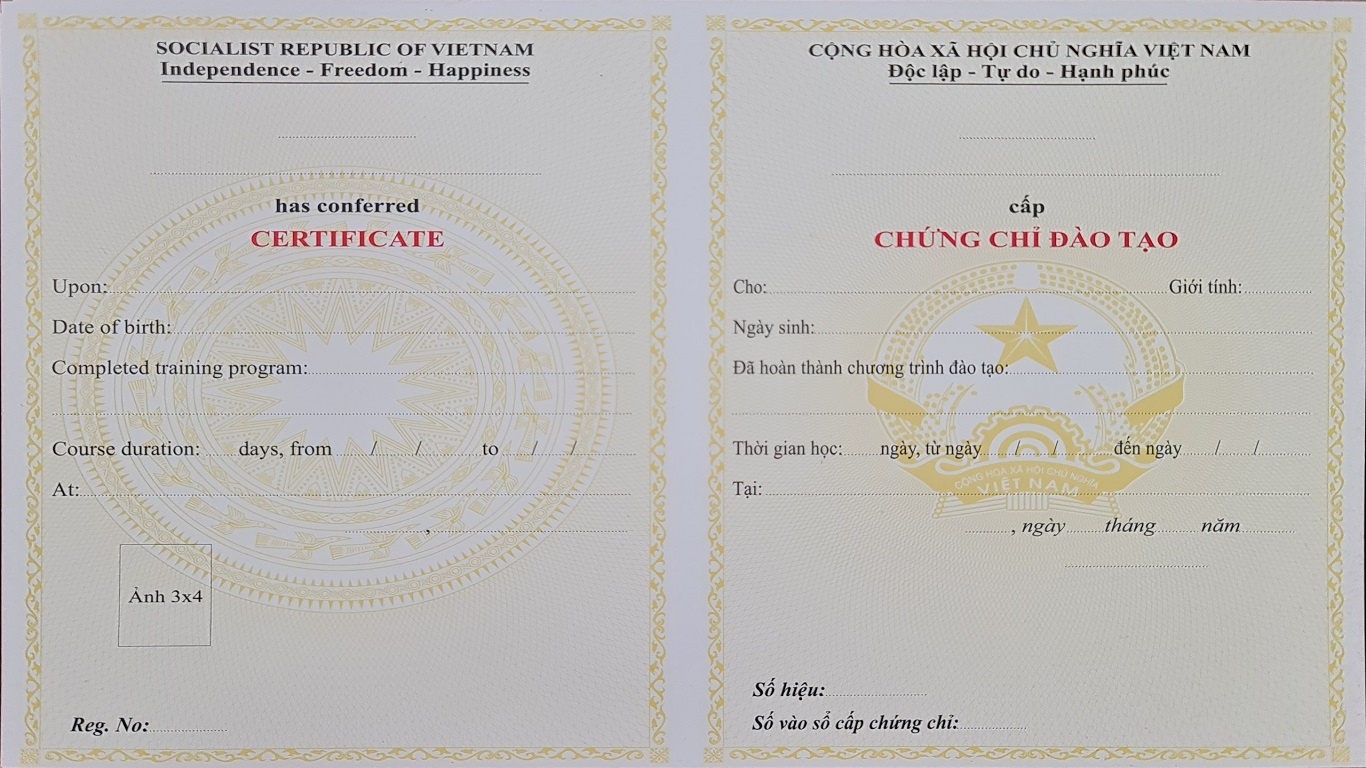
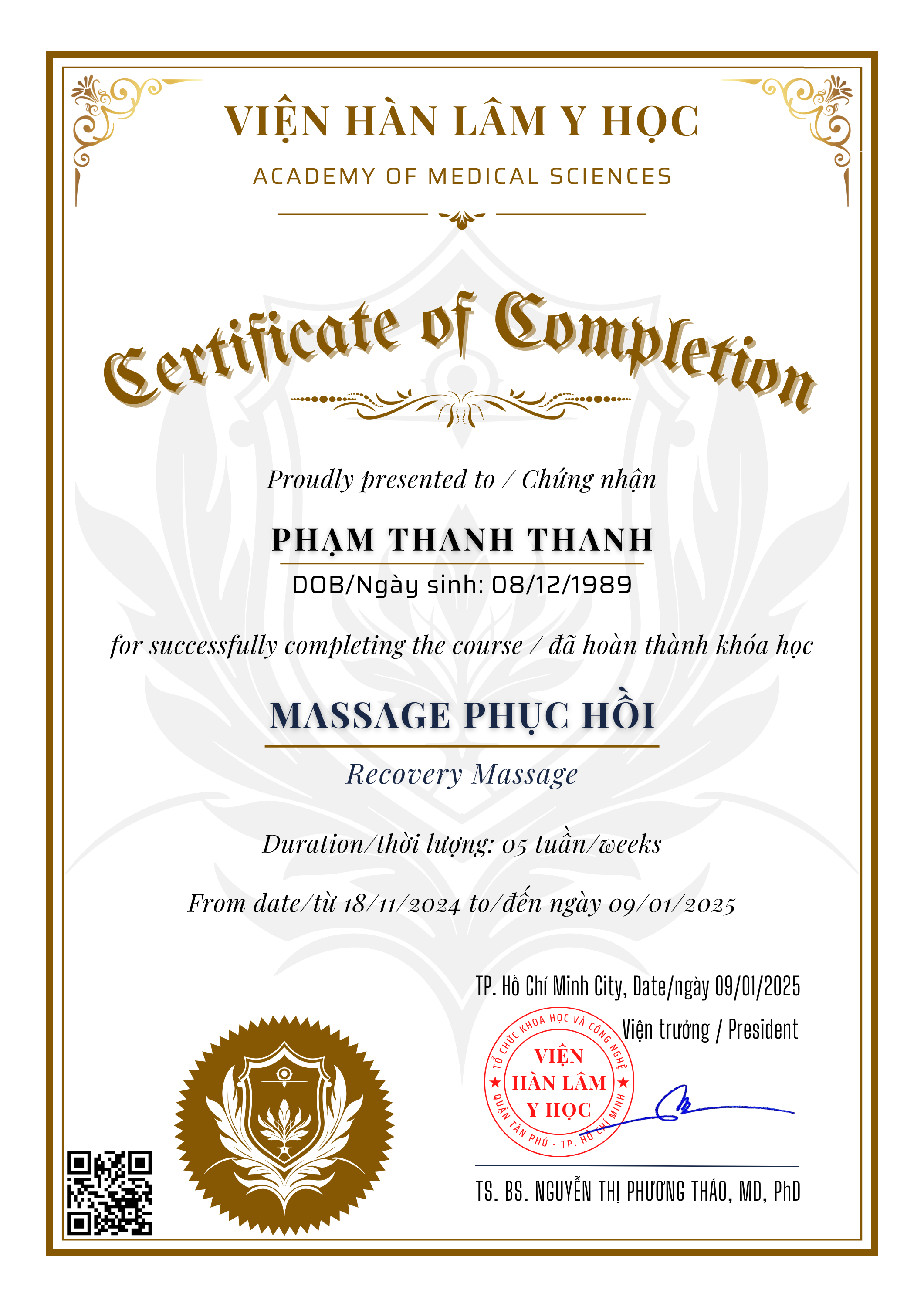
- A certificate of course completion issued by Academy of Medical Sciences.